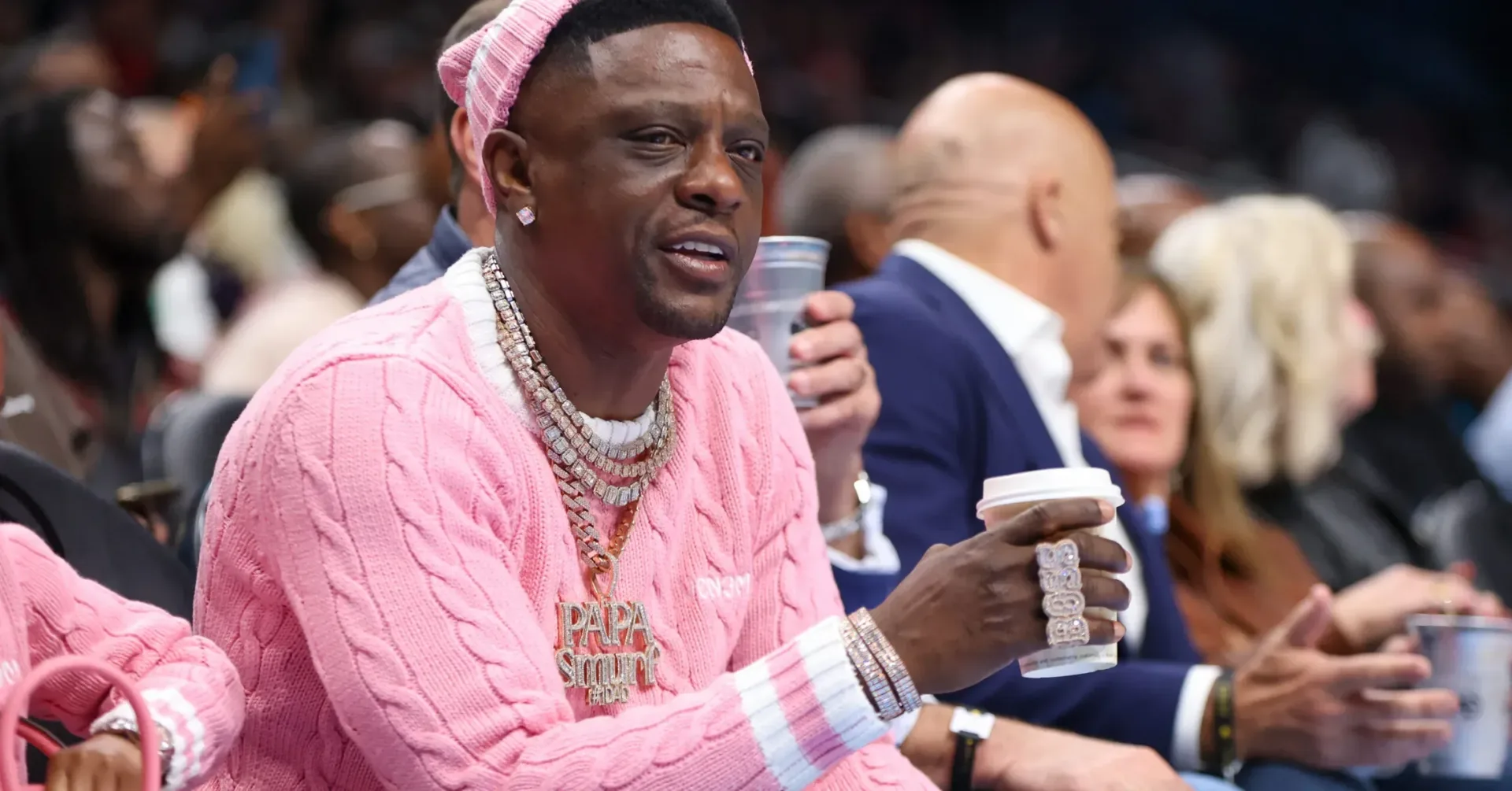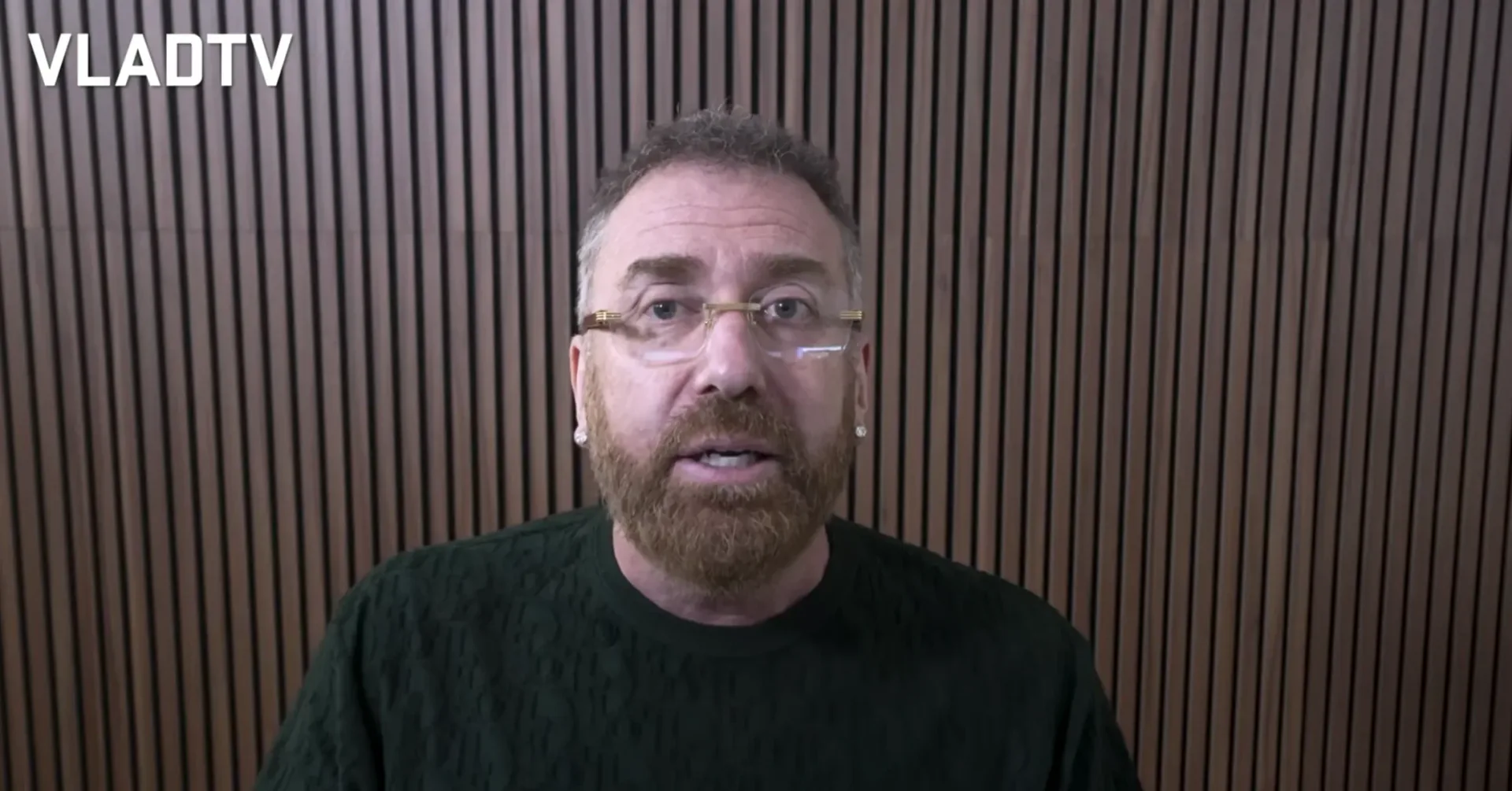
Boosie Badazz and DJ Vlad are publicly at odds again, with a fresh exchange turning a familiar disagreement about podcasts into a sharper argument about the tone, value and possible fallout of celebrity interviews.
The immediate spark was DJ Vlad’s criticism of Boosie’s current posture toward podcasts. Vlad suggested that Boosie’s negative comments about the format coincided with no longer being paid to appear. Boosie rejected that framing, saying he is willing to do interviews only when the environment is positive and maintaining that he has declined or ignored numerous podcast opportunities.
That is the business side of the disagreement. But Boosie then directed the conversation toward a much more consequential question: whether an interviewer feels remorse if material from an interview contributes to someone dying or going to prison. DJ Vlad responded by saying that a response video would arrive Monday.
It is important to separate the claims in the exchange from established facts. Boosie’s question does not identify a particular interview, person or outcome, and the available material does not establish that an interview caused any death or incarceration. What it does show is that the argument has moved beyond a contract-style dispute over appearance fees and into a debate over what interviewers and guests owe one another when a conversation reaches legally or personally sensitive territory.
A dispute with two accounts of the money
Boosie was a recurring guest on VladTV before the relationship broke down over compensation. The two have described that dispute differently.
Boosie said he sought a $5,000 raise that Vlad would not provide, then later said he was finished with the platform. Vlad’s account was that Boosie had been paid $25,000 per interview and requested an additional $10,000. Vlad also said he had not made negative statements about Boosie.
The figures matter because they explain why a dispute about “doing podcasts” is not merely a culture-war argument about microphones and viral clips. This was a professional relationship in which interviews had a price, repeat appearances had an apparent commercial value, and both sides now characterize the end of that relationship differently.
Vlad later offered Boosie another deal, but that did not repair the relationship. Instead, the public divide has become colder and more personal. In September, Vlad accused Boosie of snitching, citing reports that Boosie paid lobbyists Jack Burkman and Jacob Wohl $600,000 to seek a pardon in his federal gun case. That accusation is part of the dispute between the men; it should not be read as a legal finding.
Related coverage includes Boosie Badazz and DJ Vlad Renew Podcast Dispute Over Positivity, Pay and Interview Fallout.
Why the “positive” condition is doing so much work
Boosie’s statement that he will only join a podcast when it is “positive” can be understood in more than one way. It can mean he wants an interviewer whose approach is supportive rather than confrontational. It can also mean he wants clearer boundaries around subjects that might generate controversy, clips, backlash or legal scrutiny.
Neither interpretation requires treating a podcast as inherently harmless or inherently exploitative. An interview is a negotiated setting: the host chooses subjects and edits or packages material; the guest decides what to answer, what to qualify and when to stop. The balance of leverage changes depending on the guest’s profile, the outlet’s audience, the payment arrangement and the likelihood that a short clip will travel farther than the complete conversation.
For public figures, a “positive” interview is not necessarily an interview without difficult questions. It may instead be an interview where expectations are clearer and where the host’s goal is not primarily to turn tension, admissions or personal conflict into the biggest possible moment. The current Boosie-Vlad exchange leaves those boundaries undefined, but it makes their importance clear.
The long-running criticism behind Boosie’s question
Boosie’s question echoed a criticism that has followed VladTV for years: some viewers argue that guests can say things that expose themselves or other people to legal trouble. That critique has led some fans to call Vlad “the police,” a label that frames the host as someone extracting information rather than simply conducting entertainment interviews.
That label is a fan criticism, not a demonstrated description of how every interview works. Still, it captures the anxiety behind the latest exchange. Interviews can create a permanent, searchable record. A guest may speak casually, exaggerate, revisit an old event or address an active dispute, while audiences can isolate a few seconds and spread them across platforms without the surrounding context.
Boosie had previously defended Vlad against the “police” label. That history makes his current question especially notable. The disagreement is not coming from a distant critic who has always rejected Vlad’s interview style; it comes from a former frequent guest who once pushed back on that same criticism.
There is also a basic practical lesson for anyone appearing on a recorded show, whether the audience is enormous or modest. Guests should know whether a topic is active, legally sensitive or likely to implicate another person; avoid treating an interviewer’s prompt as a requirement to answer; and remember that a recorded statement can outlast the tone of the room in which it was made. Those are not accusations against any particular host or guest. They are sensible boundaries in a media environment built around excerpts, reposts and rapid reaction.
What a response video can—and cannot—resolve
DJ Vlad’s promised Monday video may answer Boosie’s criticism directly, offer his own account of their business split, or focus on the broader claim that podcast appearances remain valuable. It cannot, by itself, settle the core disagreement, because the two men appear to be arguing from different premises.
Vlad’s initial jab presents podcast criticism as a matter of compensation: in that view, Boosie’s stance changed after the paid appearances stopped. Boosie presents it as a matter of choice and standards: he says he has options and will use them only when the atmosphere meets his expectations. The first asks whether money changed the message; the second asks whether access to a recognizable guest is valuable enough to warrant conditions.
Both arguments are about leverage. A host can offer an audience, a platform and payment. A guest can offer name recognition, stories and the potential for attention. When that relationship works, repeat interviews can benefit each side. When the fee, framing or trust changes, the same relationship can become a public contest over who needed whom more.
The dispute also sits alongside Vlad’s other public conflicts, including a back-and-forth with Aries Spears connected to similar pay issues. That wider pattern does not prove any one participant’s account. It does illustrate how compensation, status and control of the interview setting can become recurring fault lines in podcast culture.
Where this leaves the story
For now, the confirmed public positions are straightforward. Vlad questioned Boosie’s newfound criticism of podcasts and linked it to payment. Boosie said he only wants positive interviews, denied needing a podcast and raised a serious question about remorse and interview fallout. Vlad said a video response is coming.
Everything beyond that remains contested: the precise financial terms that ended their earlier arrangement, whether Boosie’s criticism is principally about money or tone, and how either man will address the larger concerns around interview responsibility. The next response may extend the feud, but it will also test whether the conversation can move past insults and clarify what each side believes a high-profile interview should be.
For a separate look at the way hip-hop intersects with games and pop culture, see Madden NFL 27’s GTA 6 storage wink and the 210GB squeeze.