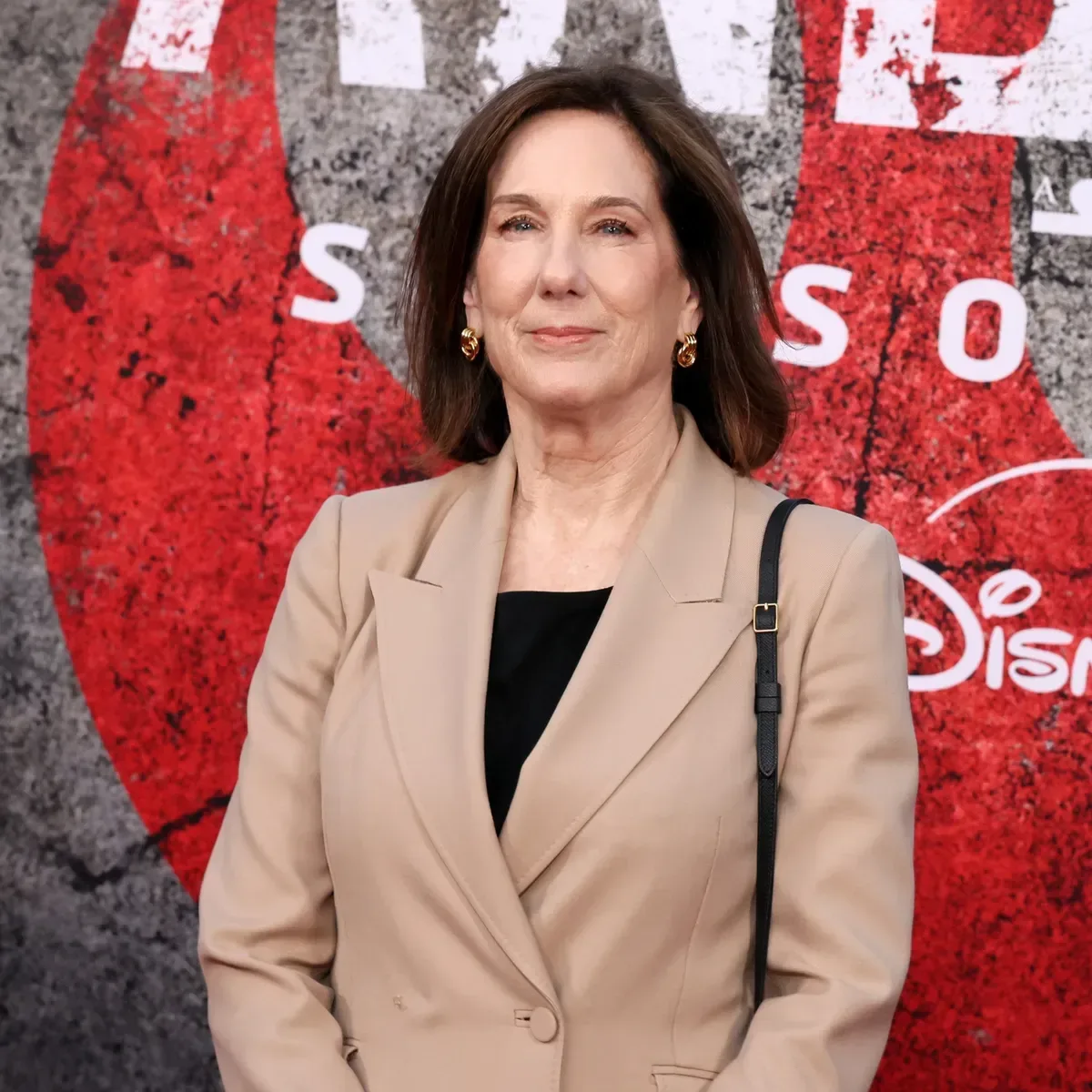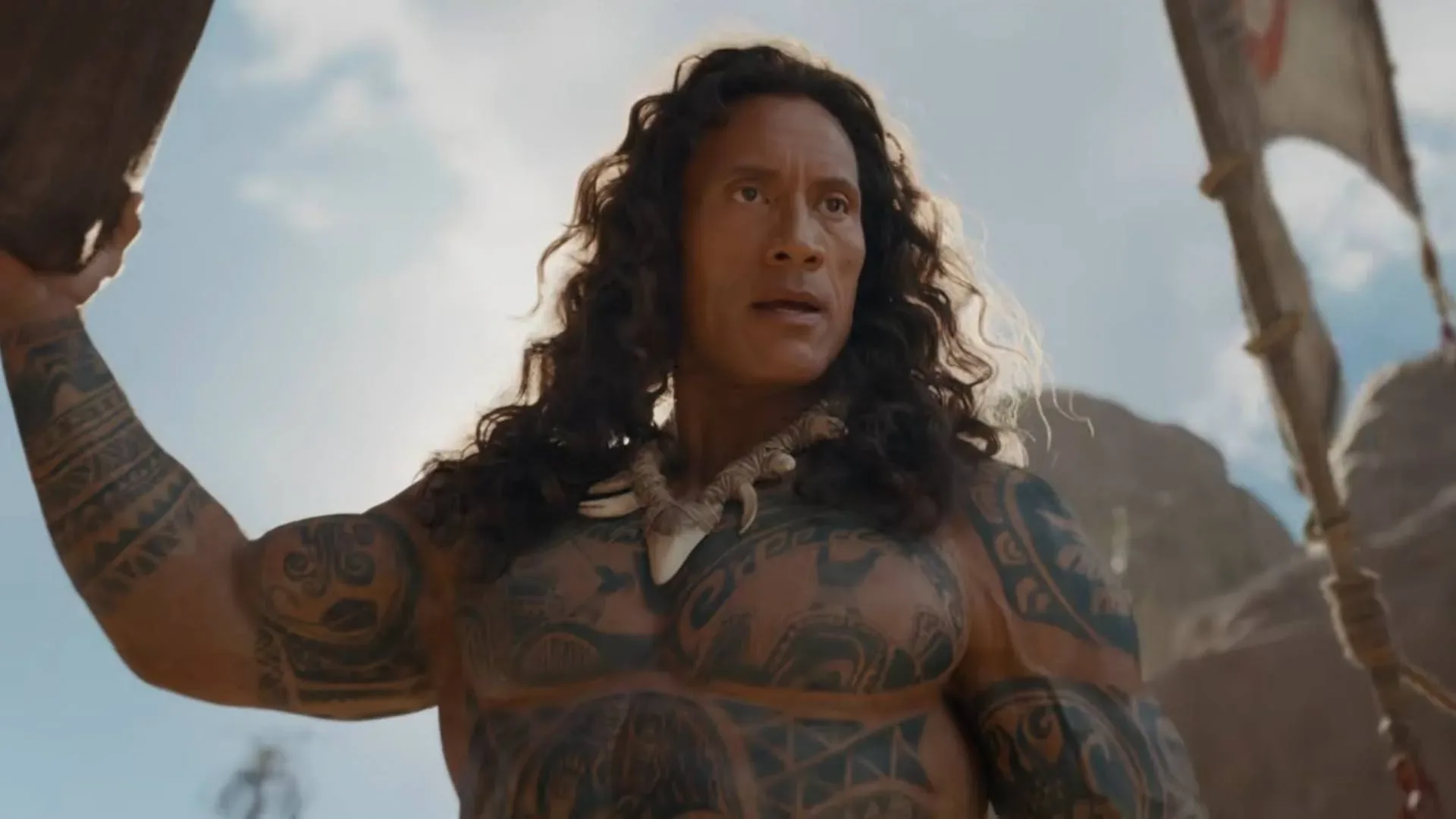
Disney president and chief creative officer Dana Walden has offered a straightforward explanation for the comparatively muted box-office performance of the live-action Moana: audiences may simply have had too little time to miss the property.
Walden said the remake was disadvantaged by its closeness to the second animated Moana film, which premiered roughly 18 months earlier. Her argument is not that the audience had stopped caring about the franchise. The animated sequel’s theatrical result points in the other direction. Instead, the issue is one of timing: a major sequel had already delivered another large-scale trip into the same world, and a subsequent retelling may not have felt sufficiently urgent as a cinema trip.
“It’s so competitive right now that you have to have, the right film at the right time, with audiences feeling a certain degree of demand,” Walden said.
That framing puts Moana at the center of a problem studios repeatedly face with familiar brands. Recognition makes a title easier to market, but recognition is not the same as appetite. A franchise can be extremely popular while still asking moviegoers to make a fresh decision about whether the newest version offers something they have not just received.
The numbers show a sharp gap between the two releases
The animated sequel arrived in 2024 and cleared $1 billion at the worldwide box office by the end of its run. That is a substantial result in its own right, and it also surpassed the original animated film’s reported $643 million theatrical total.
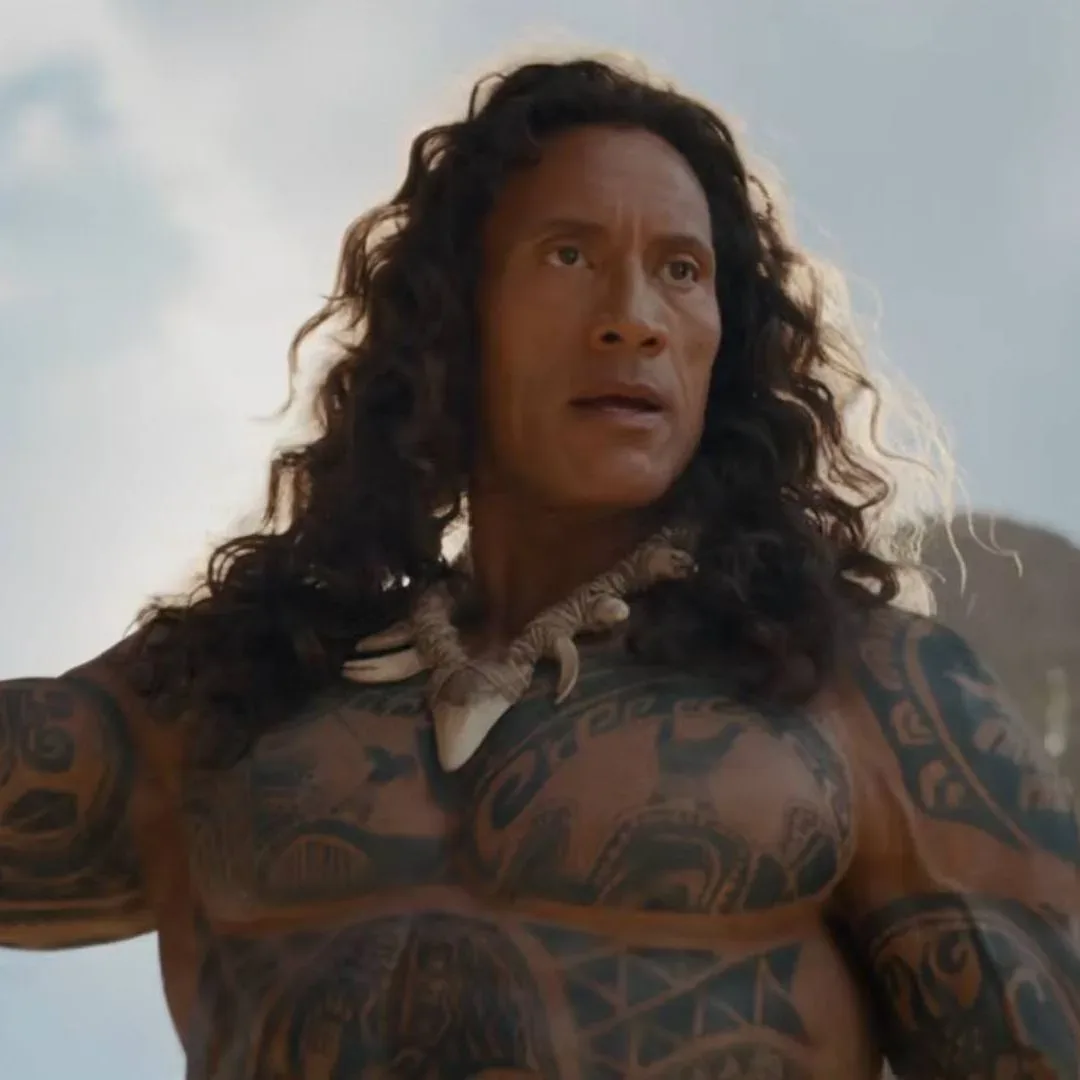
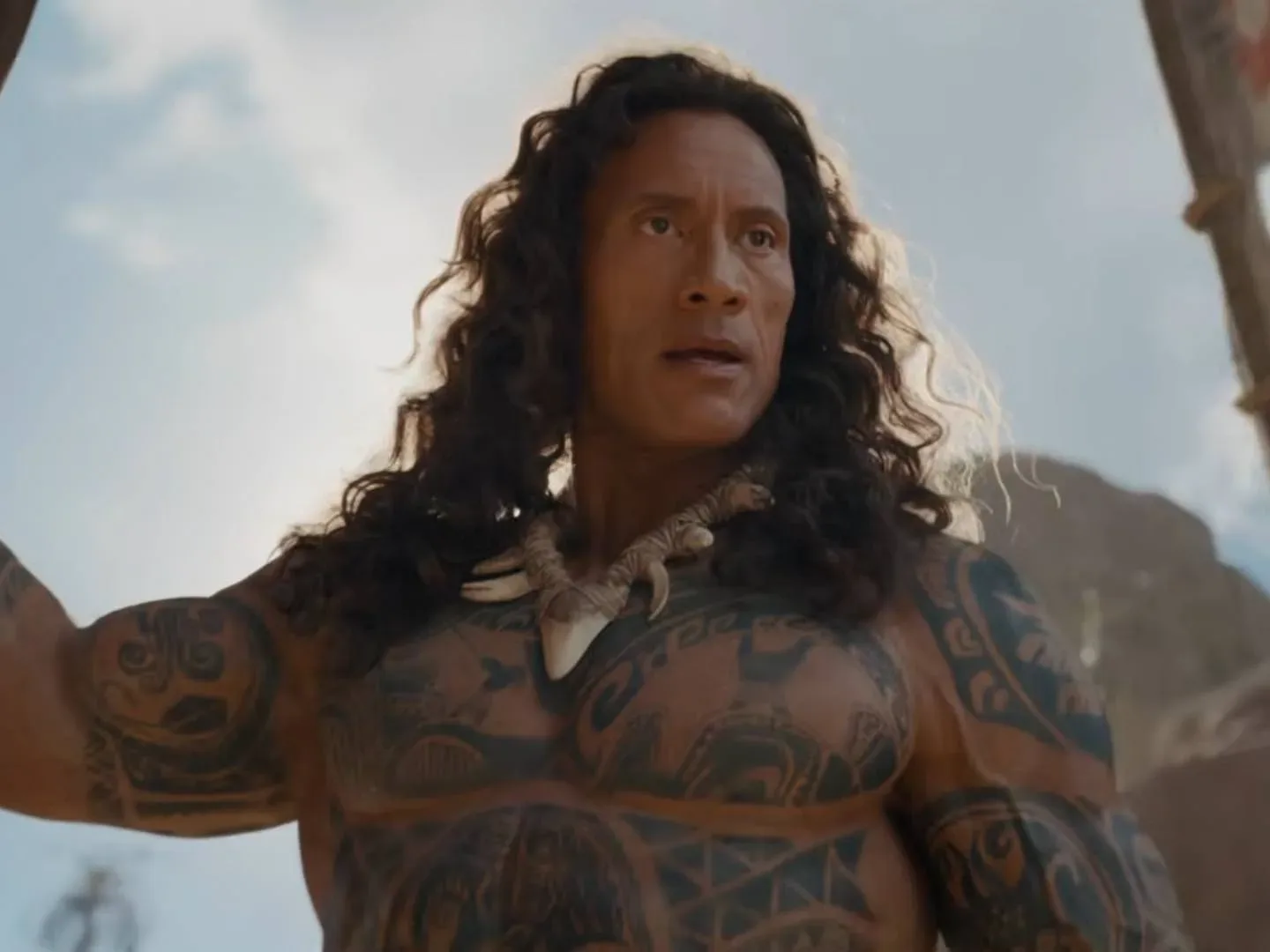
The live-action Moana, with Dwayne “The Rock” Johnson returning as Maui, reached $323 million. The film still exceeded its reported large production budget, but it did not approach the commercial scale of either animated predecessor.
Those totals are why Walden’s comments matter. They do not describe a franchise that could not attract an audience; the animated sequel’s billion-dollar run makes that difficult to argue. They describe a franchise whose audience chose one new Moana experience in a relatively short window and was less compelled by another.
Box office is gross ticket revenue, not a direct statement of profit. A theatrical gross is split with exhibitors and does not include the full costs of marketing or other distribution arrangements. So the available figures do not, by themselves, provide a complete profitability calculation. They do clearly establish the performance gap that Disney is trying to explain: $323 million for the remake versus more than $1 billion for the animated sequel.
Why proximity can matter even when the versions are different
A live-action remake and an animated sequel are not identical products. One continues the story; the other revisits a known one in a different form. Yet both draw from the same characters, setting, songs and broad audience awareness. For casual moviegoers, that overlap can be more important than the formal distinction between sequel and remake.
Walden’s assessment is that the animated sequel came together under unusual circumstances, then reached theaters about 18 months before the live-action release. In that context, the key phrase is “pent-up demand.” It means demand that accumulates while people wait for a return to a world or characters they like. A long wait can make a release feel like an event. A shorter interval may leave fewer people feeling that they have been deprived of that experience.
That does not mean an 18-month gap is universally too short, or that audiences have a fixed expiration date for a franchise. The evidence here supports a narrower reading: Disney believes this particular sequence weakened the case for another theatrical Moana so soon after the animated follow-up. Its executive is identifying release spacing as a significant factor, not offering a confirmed mathematical rule for every remake or every sequel.
The distinction matters because “franchise fatigue” is often used as a catch-all diagnosis. Walden’s comments are more specific. The apparent concern is not exhaustion with Moana itself, since the second animated feature performed so strongly. It is possible audience saturation with a closely related, newly released version of Moana.
Critical and audience response tell different stories
The live-action film’s reception also split sharply between critics and audiences. It has a 33% critics score on Rotten Tomatoes, while its audience score stands at 88%.
That divide should not be treated as a perfect explanation for ticket sales, because review scores and box-office outcomes measure different things. Critics’ and audience scores are aggregations of reactions, while box office reflects actual ticket purchases over a theatrical run. Still, the contrast adds useful context to the timing debate.
Critics argued that the movie shared a problem associated with other live-action remakes: it was too close to the original. In practical terms, that criticism asks what the remake adds beyond the film audiences already know. A remake does not need to be identical to its animated counterpart to invite that question. The more recently viewers have revisited a franchise through a sequel, the more forceful the question may become.
Meanwhile, the 88% audience score suggests that people who did see the film were considerably more favorable than reviewers. That makes the story more complicated than a simple rejection based on quality. A well-liked movie can still underperform relative to expectations if fewer people feel motivated to see it immediately in theaters. It can also mean that the audience the film reached was enthusiastic, while the broader audience required a clearer reason to return.
What Disney’s explanation does — and does not — establish
Walden’s explanation is an executive’s interpretation of a difficult result, and it is necessarily one part of the picture. The supplied information does not provide a breakdown of marketing, regional performance, audience demographics, ticket pricing, streaming behavior or competing theatrical releases. It would be unwarranted to assign a precise share of responsibility to timing over every other possible factor.
What the information does support is a persuasive comparison within one brand. The animated sequel was a major commercial success after arriving in 2024. The live-action film followed around 18 months later and earned $323 million, far below the sequel and below the original animated feature’s $643 million. Critics also raised concerns about the remake’s closeness to what had come before, while audiences gave it a much warmer aggregate score.
Put together, those facts make Disney’s demand argument understandable. The live-action version arrived in a marketplace crowded not just by other movies, but by the franchise’s own recent success. That is a peculiarly difficult kind of competition: the studio is not trying to remind people that Moana exists; it is trying to convince them that this is the particular Moana trip worth taking now.
A release-calendar lesson for familiar properties
The broader implication is less about whether live-action remakes can work and more about how their value is communicated. A recognizable title offers a powerful starting point, especially with a returning performer such as Johnson as Maui. But that recognition can turn into a comparison point immediately. Viewers may compare a remake with the original, the newer animated sequel, their own recent memories, and the version they can already access outside a theater.
For studios, spacing is therefore part of the creative-commercial equation. It affects whether a film is perceived as a new event, a companion piece, or another iteration arriving before the previous one has had time to settle. That is particularly relevant when a sequel and a remake share the same core imagery and audience.
It is also a useful reminder that big brand results cannot be read in isolation. The animated sequel’s success and the live-action film’s lesser gross are not mutually exclusive verdicts on the property. Together, they suggest that the audience remained engaged with Moana, but did not respond to both theatrical propositions at the same level or in the same period.
The film business has long relied on recognizable worlds, and game-connected film projects face their own version of the same expectation challenge. For another example of a movie using a recognizable gaming legacy while emphasizing a defining competitive moment, see the latest on the Street Fighter movie’s inclusion of Justin Wong and Evo Moment 37.
For Moana, Disney’s own explanation is clear: the brand was still commercially potent, but the live-action remake may have reached cinemas before enough audience demand had rebuilt. Whether future franchise scheduling reflects that lesson will be the more consequential question than the postmortem itself.