Producer Digital Nas has made a series of serious, personal allegations about compensation connected to his collaborations with Ye and YZY. In social-media videos and posts, he said that he had received no publishing or royalties from years of work, claimed he owned none of the resulting work, and described being unable to get answers from the organization.
But the public account did not end there. Digital Nas later apologized for taking the dispute online, said he had been impatient while receiving no response, and wrote that it was “getting handled now.” That later post is important context: the underlying allegations remain allegations, and there has been no public response from Ye or YZY addressing them.
The episode centers on a part of music-making that listeners rarely see: the web of agreements that determines who owns a song, who is credited, and who can receive income after a release. Digital Nas’s posts do not establish the terms of any deal. They do, however, put the spotlight on the stakes behind producer credits and the difference between participating creatively in a song and possessing contractual rights connected to it.
What Digital Nas alleged
Digital Nas said he had worked with Ye on multiple collaborations during the 2020s, including work connected to “Cousins.” He also listed songs he said he helped create and asked Ye to contact him, saying nobody at YZY was responding.
In a video, the producer alleged that the lawyer involved in his agreement had failed to protect his interests. He expressed a broader distrust of the incentive structure around closing music-industry deals, arguing that attorneys who receive a percentage may prioritize finalizing an agreement. He then claimed that, after signing his contract, he was left with zero ownership, no publishing and no royalties despite six years of work.
Those are substantial claims, but they should be treated carefully. No agreement, accounting statement, credit documentation or response from the parties was provided in the available material. It is not possible from the posts alone to determine what Digital Nas’s contract said, whether any payments were due, what rights may have been assigned, or how any credits and revenue streams were intended to be administered.
Digital Nas also said that the situation had damaged his career and his ability to provide for his family, and at one point described retiring. He later shared a message from his mother voicing concern for his health. That sequence makes the posts read not simply as a credit dispute, but as an expression of acute frustration during an unresolved professional conflict.
The later apology changes the immediate picture
After the initial posts circulated, Digital Nas returned to Instagram with a more restrained update. He said he planned to step away from social media for a while, acknowledged that the matter should have remained private, and said he had posted while impatient because he was receiving no responses. Crucially, he added that the matter was now being handled.
Related coverage includes Digital Nas Says YZY Deal Left Him With No Publishing or Royalties.
That is not the same as a detailed retraction of every earlier statement, nor is it confirmation that a financial dispute has been resolved. It does mean the most current statement from Digital Nas pointed toward a private process rather than continued public escalation.
Ye and YZY had not publicly addressed the allegations at the time described here. Until there is a direct response, additional documentation, or a clearer update from Digital Nas, the responsible reading is a narrow one: a producer publicly alleged a lack of compensation and rights, then said the issue was being handled after apologizing for airing it online.
Why “publishing” and “royalties” matter
These terms are often used as if they mean the same thing, but they describe related, distinct parts of music-rights economics.
- Publishing generally concerns the musical composition: the song as written, including elements such as lyrics and music. Publishing interests can be connected to songwriting and composition rights.
- Royalties is a broad word for payments generated by the exploitation or use of music. The exact type of royalty, who receives it and how it is calculated can depend on the agreement and the applicable rights involved.
- Ownership concerns who holds a legal interest in particular rights. A person can creatively contribute to a recording while their ownership, credit or payment entitlement is governed separately by contract.
- Credits identify contributions, but a credit by itself does not explain every financial term. In practical terms, listeners may see a producer credit without seeing the private agreements that define compensation or rights.
Digital Nas’s wording invoked all three areas: ownership, publishing and royalties. That is why the dispute cannot be reduced to a single missing payment based on the material available. His complaint was framed as a claim that he lacked participation across the rights and income categories he believed should flow from his work.
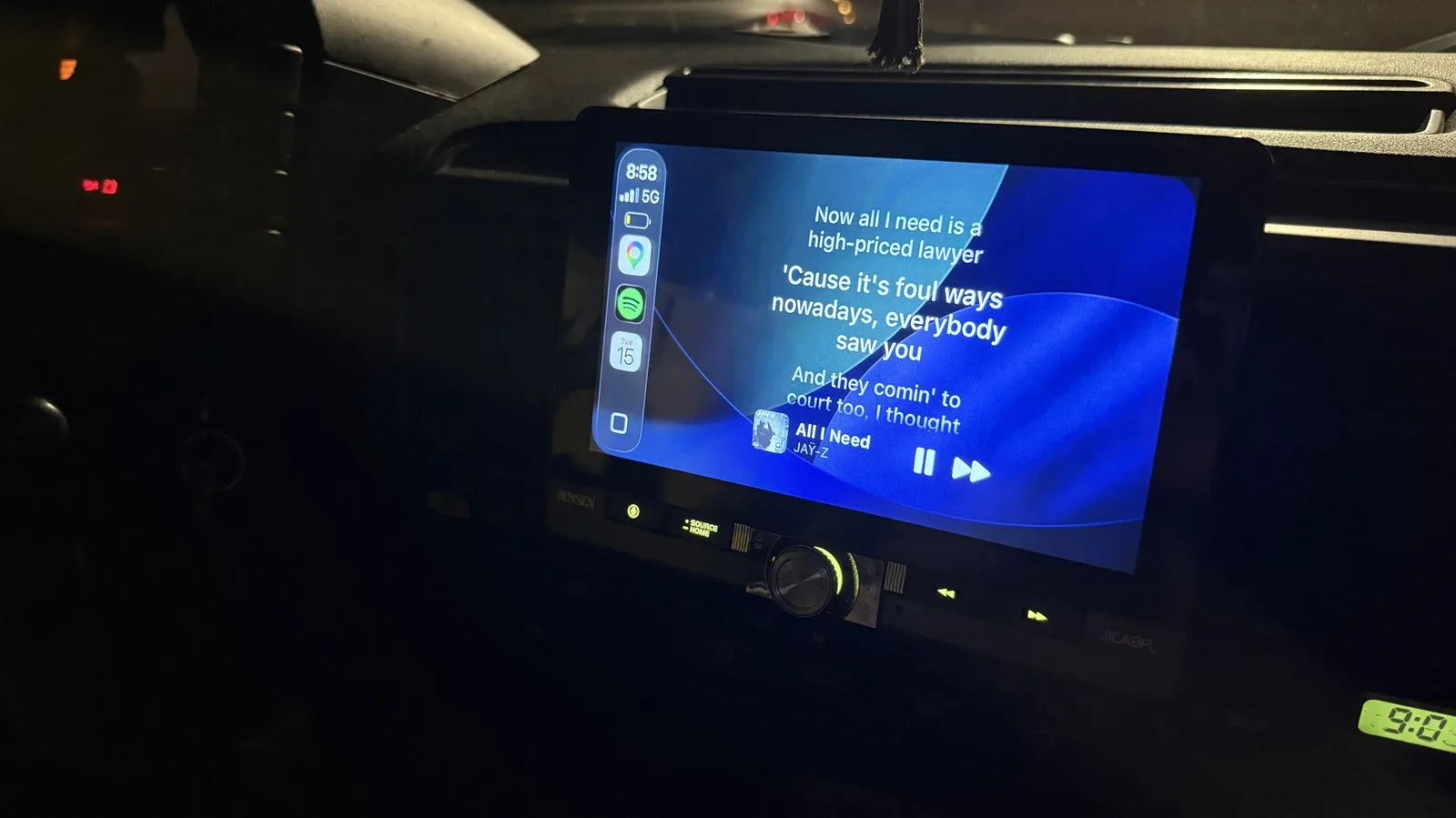
For audiences, this is a useful reminder that a finished track is the visible output of work that may involve artists, producers, writers, engineers and businesses. The music can be everywhere while the contractual details behind it remain opaque. Consumer-facing features can make music feel frictionless—such as time-synced lyrics in Apple CarPlay—but credits, rights and payment arrangements are a far less visible infrastructure behind every release.
Digital Nas had raised a related concern before
This was not presented as Digital Nas’s first complaint involving work with Ye. He had previously voiced concerns connected to “CARNIVAL,” another Ye collaboration, specifically in relation to royalties. That prior dispute does not verify the new allegations, but it provides context for why he portrayed the latest frustration as part of a longer-running problem rather than an isolated misunderstanding.
It also explains why the later update deserves particular attention. A public complaint may pressure a stalled conversation into motion, but it can also make a complicated disagreement harder to discuss clearly. Music agreements may involve different works, multiple contributors and more than one form of revenue. Broad social-media claims can communicate distress quickly while leaving the core contractual questions unanswered.
What remains unknown
Several key points remain unresolved in public:
- What agreement or agreements Digital Nas was referring to.
- Which specific works, credits or revenue streams were covered by those agreements.
- Whether the alleged lack of publishing and royalty participation reflects contract terms, an accounting issue, a credit issue, a payment delay, or another dispute.
- What “getting handled” means in practice and whether it leads to a public update.
- Whether Ye or YZY will respond directly to the allegations.
Until those questions are answered, it would be premature to characterize the situation as a confirmed nonpayment case or a settled dispute. The clearest established sequence is that Digital Nas aired grave concerns about his YZY-related arrangements, then said he regretted making the conflict public and that it was being addressed.
The practical takeaway for people following producer credits is less sensational but more durable: creative participation, screen-visible credits, ownership and royalty eligibility are not interchangeable ideas. The agreement behind the work is what defines the relationship. In this case, the public does not have that agreement—only Digital Nas’s allegations, his subsequent apology, and the absence so far of a public answer from Ye or YZY.