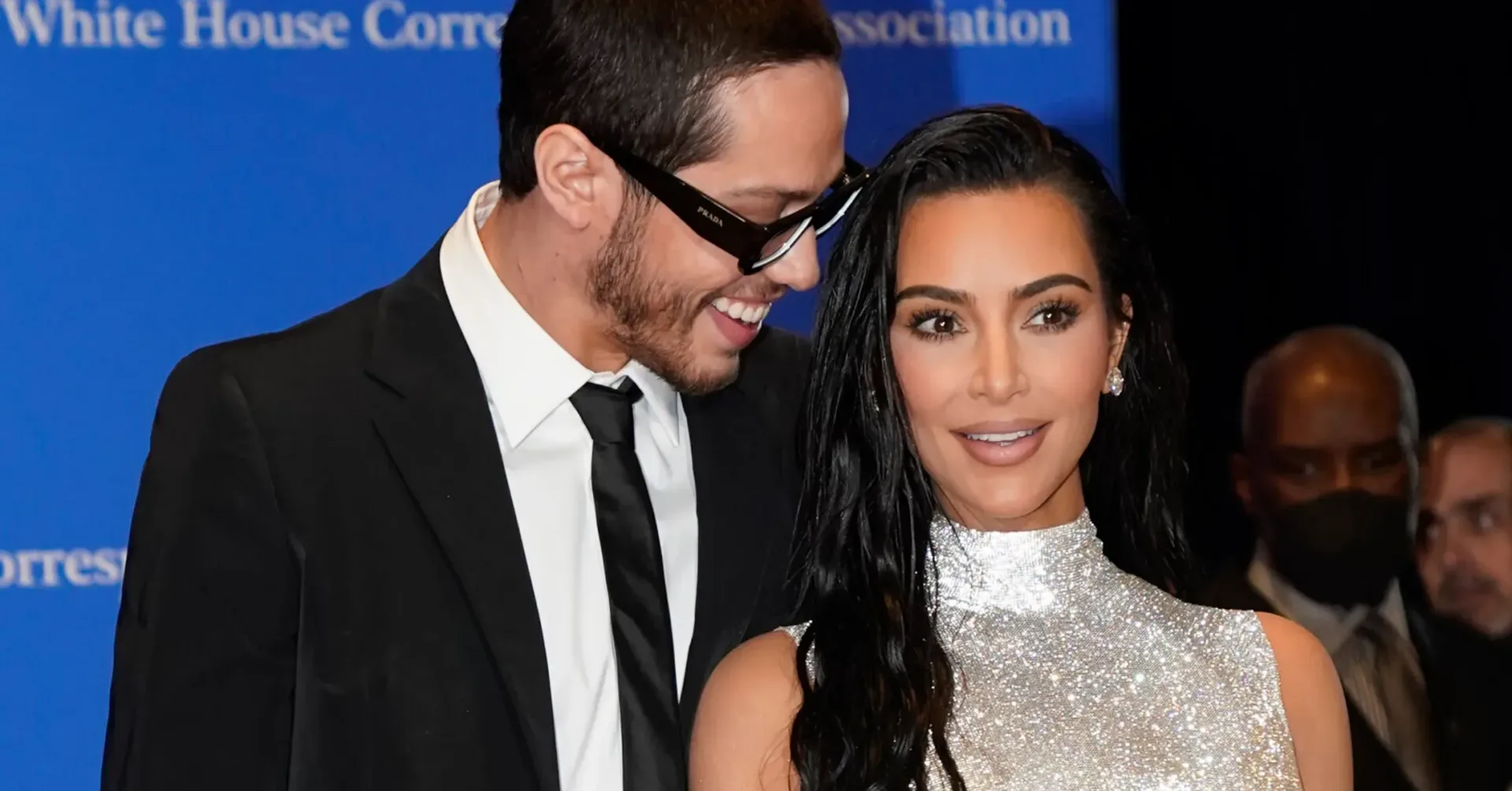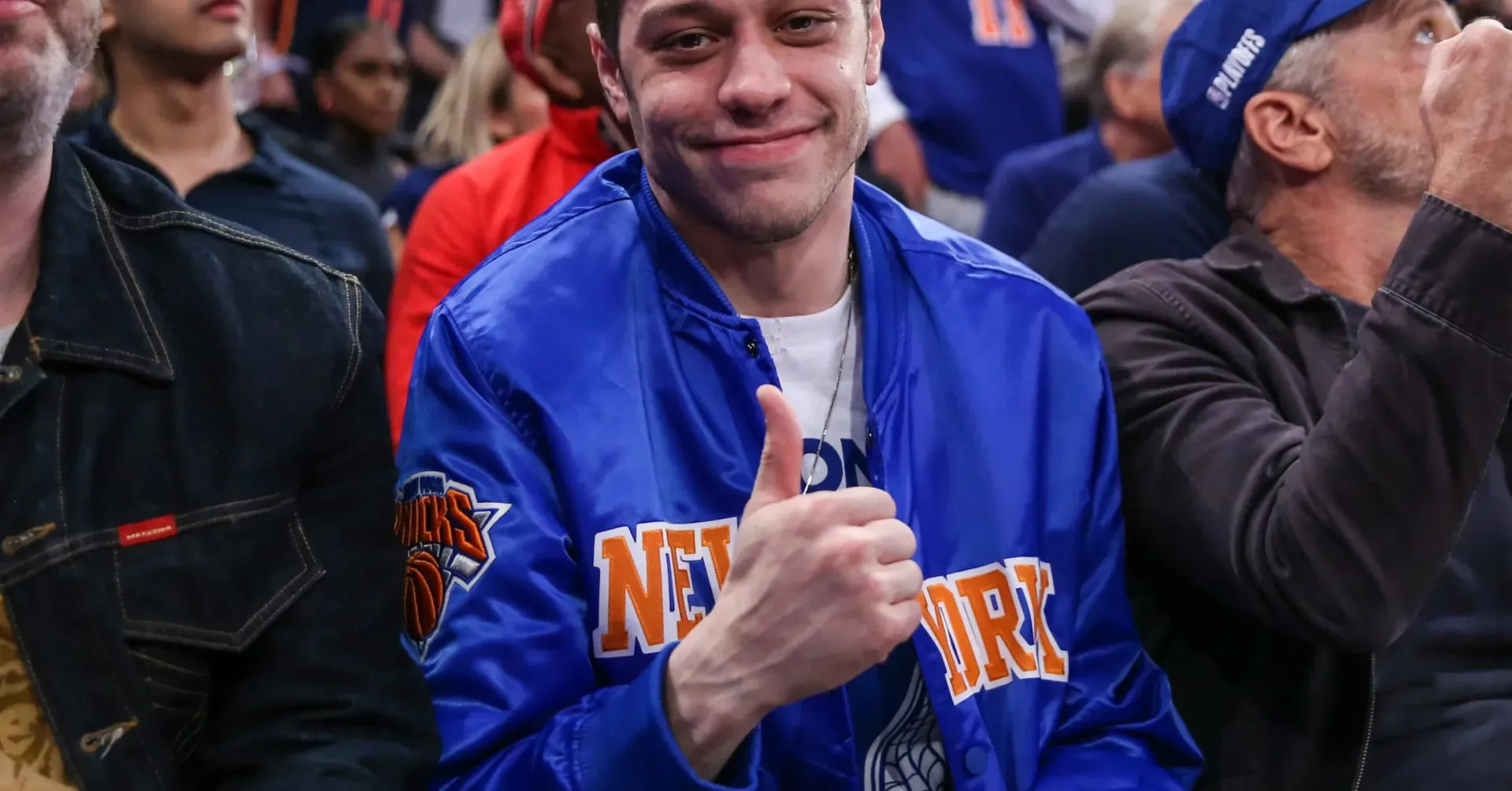
Pete Davidson is looking back at his volatile public conflict with Ye from a place that is more complicated than simple forgiveness or score-settling. The comedian has said he can empathize with the pressures around Ye’s life, including immense fame, public scrutiny, grief and mental-health struggles. At the same time, Davidson has been clear that the hostility directed at him was damaging, especially given his own well-known mental-health challenges.
That distinction matters. Empathy is not the same thing as an excuse, and Davidson’s reflection does not erase what happened while he was dating Kim Kardashian. Instead, it frames a very public feud through two ideas that can coexist: a person can be hurt by someone’s conduct, and still try to understand the pain, isolation or pressure that may have shaped that conduct.
Davidson separates understanding from approval
Davidson said he sees a scale of fame and attention around Ye that he cannot fully claim to know firsthand. He described having dealt with a fraction of that kind of public pressure, while acknowledging Ye’s far greater influence and profile. His argument was not that fame automatically explains or absolves destructive behavior. It was that relentless scrutiny, provocation and a lack of meaningful support can create a situation in which somebody feels pushed toward burning everything down.
He also pointed to personal loss and uncertainty over the support system around Ye. Davidson said he does not know how Ye handles those circumstances or who is around him. That is an important limitation in the remark: he is not presenting a diagnosis, or claiming private knowledge of Ye’s inner life. He is describing an empathetic reading of a public figure whose behavior he experienced at close range during an especially hostile chapter.
In practical terms, Davidson appears to be rejecting the temptation to flatten a person into their worst public actions. That does not require denying those actions, minimizing their impact, or asking the target of them to stay silent. It simply means refusing to treat condemnation as the only possible response years later.
The feud unfolded during Kardashian and Ye’s divorce
The conflict intensified after Davidson began dating Kardashian in late 2021, while Kardashian and Ye were still navigating their divorce. Ye made Davidson a repeated target through online posts and music. The dispute crossed beyond ordinary celebrity commentary when the video for “Eazy” depicted a clay version of Davidson being kidnapped and buried.
For an audience, such moments can become internet spectacle: screenshots, reactions, memes and another rapid cycle of posts. For the person in the crosshairs, the experience can be much less abstract. Davidson has said the attacks affected him emotionally. He has also recalled the rhetoric as effectively telling him to kill himself, making the episode particularly painful in light of his public discussions of mental health.
There is a difference between a feud as entertainment and a feud as sustained targeting. A public disagreement can involve criticism, satire or creative expression. Sustained targeting describes a pattern where attention repeatedly concentrates on a person, potentially magnifying the emotional consequences beyond any individual post or video. Davidson’s account places this period firmly in the latter category.
Related coverage includes Pete Davidson Reflects on Ye Feud With Empathy, Not Excuses.
Why Davidson’s mental-health point is central
Davidson’s objection was not merely that he became part of a celebrity narrative he did not want. He said the attacks landed differently because his mental-health struggles were already widely known. That context makes his response more than a general complaint about online negativity. It concerns the risk of using publicly disclosed vulnerability as ammunition in a conflict.
Public disclosure can help reduce stigma by allowing someone to speak honestly about their life. It can also create a troubling dynamic when observers or adversaries treat that disclosure as an invitation to intensify abuse. Davidson’s reflection implicitly draws a line between having compassion for another person’s struggles and tolerating conduct that weaponizes one’s own.
That line is worth keeping intact when discussing the feud. Sympathy for Ye’s circumstances is not a retraction of Davidson’s experience. Nor does Davidson’s account establish a comprehensive explanation for Ye’s actions. It is one participant explaining why, despite feeling harmed, he is now less interested in carrying the anger forward.
A joke with a serious history behind it
Davidson has also joked that he “cleared the path” for anyone who dated Kardashian after him, suggesting the first partner after Ye was likely to take the brunt of the backlash. The joke is self-deprecating, but it acknowledges the imbalance at the heart of the situation: Davidson was thrust into a highly visible dispute connected to one of the world’s most scrutinized relationships.
His current perspective does not suggest that the public should retroactively view that period as harmless drama. Instead, it highlights how time can change the way people narrate a conflict. Immediate reactions often center on injury, humiliation and defense. With distance, a participant may still remember every part of the harm while gaining enough emotional space to recognize that the other person may have been struggling too.
That is not always a neat process, and Davidson does not present it as one. He says the attacks got to him. His empathy exists alongside that admission, not in place of it.
What the remarks do—and do not—claim
- They do claim that Davidson can relate, in a limited way, to the strain of public scrutiny and believes Ye faced far more of it.
- They do claim that Davidson thinks loss, mental-health difficulties and insufficient support can contribute to a person’s destructive public behavior.
- They do not claim that Davidson knows exactly what Ye thinks or feels.
- They do not claim that the attacks were acceptable, harmless or without emotional consequences.
- They do not claim that empathy requires reconciliation, agreement or silence from the person who was targeted.
This is why Davidson’s comments read as more measured than a standard celebrity-feud update. The central development is not a new exchange of insults. It is his decision to describe a painful experience without reducing its other participant to the most damaging things he said during it.
The wider lesson in resisting the spectacle
Celebrity conflicts are often consumed as simplified narratives with obvious heroes and villains. The incentives are built into the format: provocative material travels farther, audiences pick sides and platforms reward immediate reaction. Nuance is slower, less shareable and harder to fit into a headline.
Davidson’s remarks push against that structure without pretending that every side is equally harmed or equally responsible. His account allows for accountability while also allowing for human complexity. That is a more demanding position than either total condemnation or total defense, because it asks people to hold both realities at once.
It also provides useful context for following future discussion around Ye, Kardashian and the people connected to them. Rumors and recycled clips can strip away the circumstances that make a claim meaningful; readers should be cautious about treating a resurfaced video as proof of an online theory, as in this examination of a Ye and Bianca Censori rumor.
Davidson’s own framing is ultimately restrained. He does not deny the cruel parts of the conflict, and he does not claim they left no mark. But he also leaves room for the possibility that relentless attention and personal hardship can distort how a person acts in public. From someone who says he was deeply affected by the attacks, that willingness to distinguish explanation from absolution is the significant part of the story.