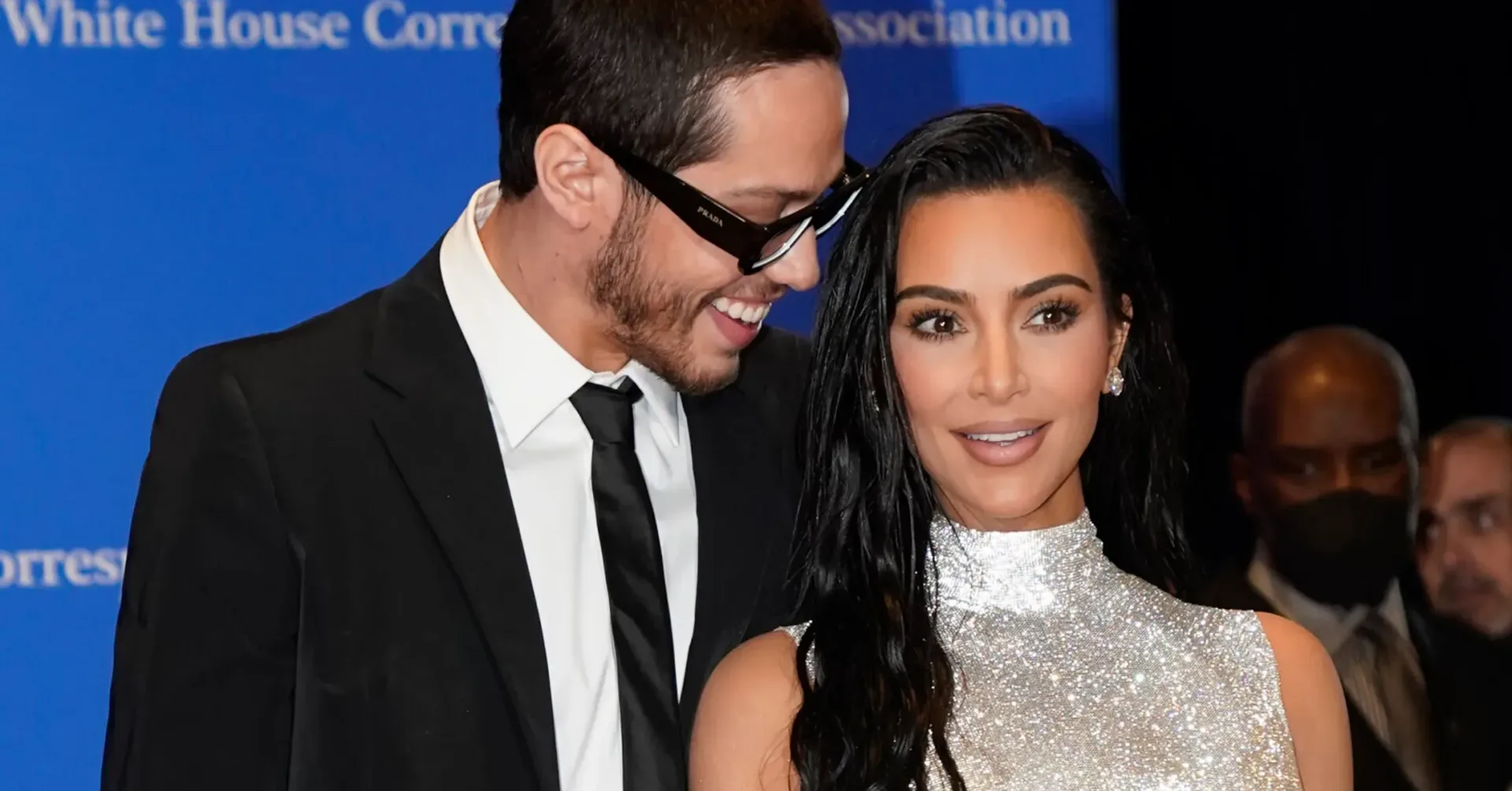
Pete Davidson has looked back on his relationship with Kim Kardashian with a joke that could easily be mistaken for a swipe if it is separated from the rest of what he said. Calling himself one of the “survivors” of dating a Kardashian, Davidson framed the experience as an unusually intense chapter of life—but also spoke warmly about Kardashian and her family.
The important distinction in Davidson’s remarks is between a person and the machinery surrounding that person’s public life. He did not portray Kardashian as having mistreated him. Instead, he described the relentless attention, security concerns and feeling of being watched as an environment that he ultimately could not sustain.
“I’m one of the survivors — the few and the proud,” Davidson said, adding that the atmosphere is difficult for someone who is not ready for it.
That punchline is doing the work of a Pete Davidson bit: blunt, self-deprecating and deliberately oversized. But his wider explanation was notably more measured. He said he admired the Kardashian family’s directness about what their lives entail, describing that openness as attractive and mature. In his account, Kardashian was respectful of his boundaries, and he understood the scale of visibility involved before entering the relationship.
The relationship began in an unusually public setting
Davidson and Kardashian began dating after she hosted Saturday Night Live in October 2021. The pair kissed during an Aladdin sketch, a moment that became a highly visible starting point for a relationship already destined to attract enormous attention. They split in August 2022 after roughly nine months together.
Years later, Davidson says they remain on good terms. That matters because it changes the meaning of the “survivor” label. He is not presenting the relationship as something he escaped because of Kardashian. His point is that entering such a prominent family’s orbit comes with a level of public scrutiny that can become all-consuming, even when the relationship itself is respectful.
Celebrity attention is often discussed as though it were a vague cost of fame. Davidson’s comments put more concrete terms around it: being followed, navigating security and constantly looking over one’s shoulder. Those are not simply inconvenient headlines. They can shape daily movement, privacy and a person’s ability to disengage from public reaction.
Why Davidson separates Kardashian from the attention around her
Davidson specifically said he was never pushed into something he did not want to do. That is a crucial part of his account. It suggests that he sees Kardashian as having been transparent about her reality rather than misleading him about it.
His conclusion was not that Kardashian should have lived differently. It was that he personally did not want to live within that degree of attention. That difference is easy to flatten in a headline built around the word “survivor,” but it is central to what he actually conveyed.
Davidson has publicly discussed mental-health struggles and said he had drug problems at the time. He connected those vulnerabilities to the pressure of the moment, explaining that the scale of the lifestyle became too much for him. That is not a broad claim that high-profile relationships affect everyone in the same way; it is Davidson describing his own capacity and circumstances at that point in his life.
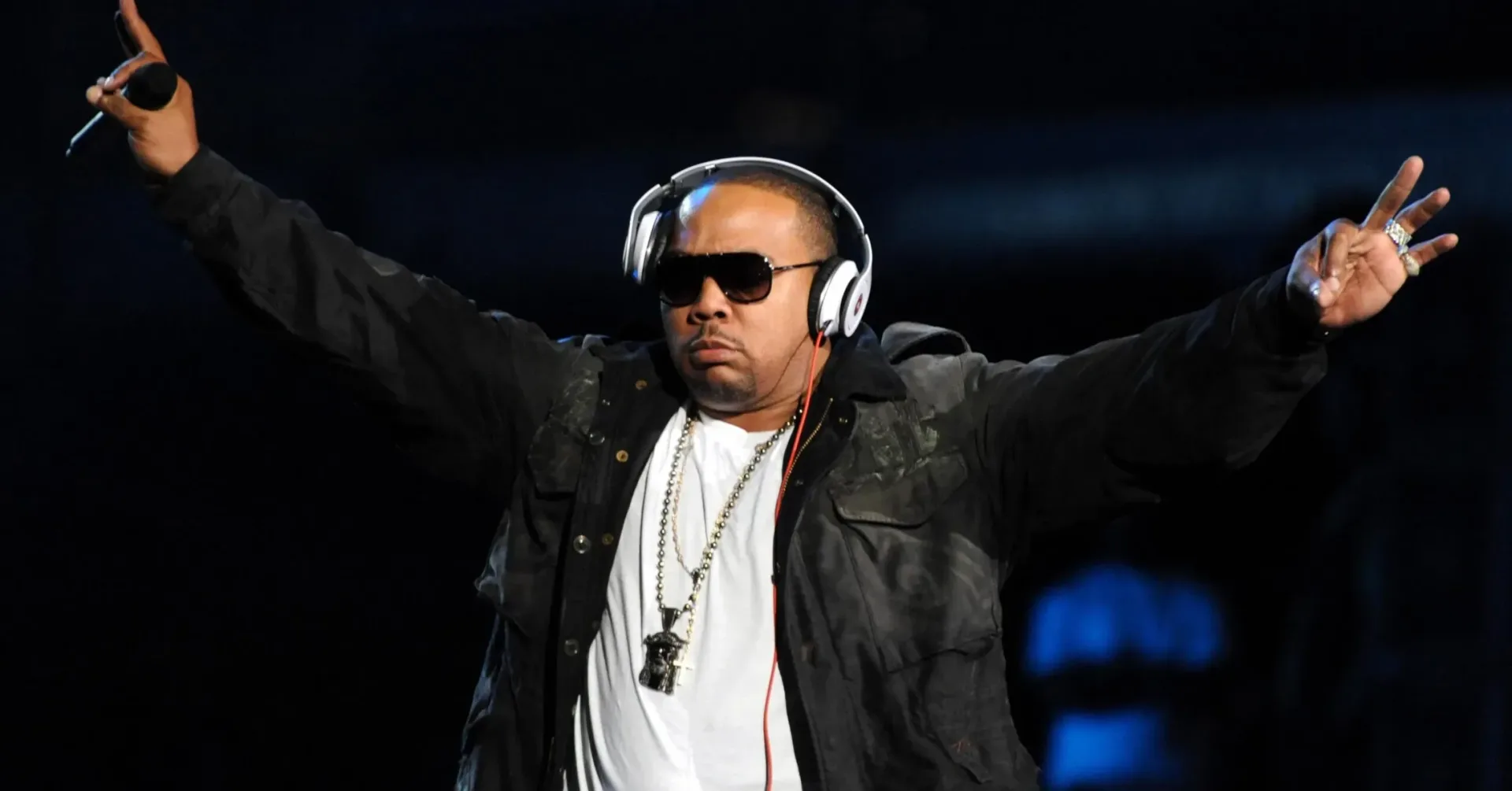
Public conversations about addiction and recovery can become more useful when they avoid treating the subject as gossip fuel or a character flaw. Relatedly, Timbaland’s reflection on recognizing the danger of OxyContin addiction underscores how personal accounts can focus on the reality of a struggle rather than reducing it to celebrity spectacle.
Ye’s public attacks added another layer of pressure
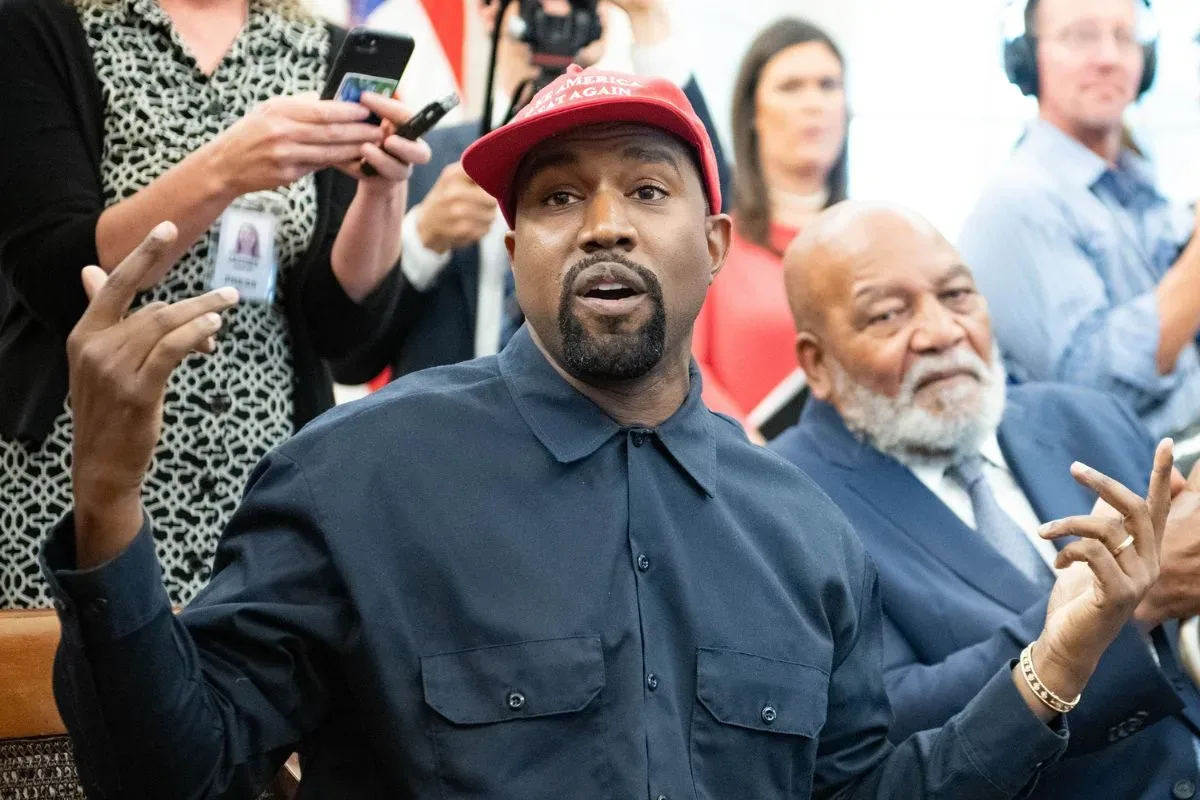
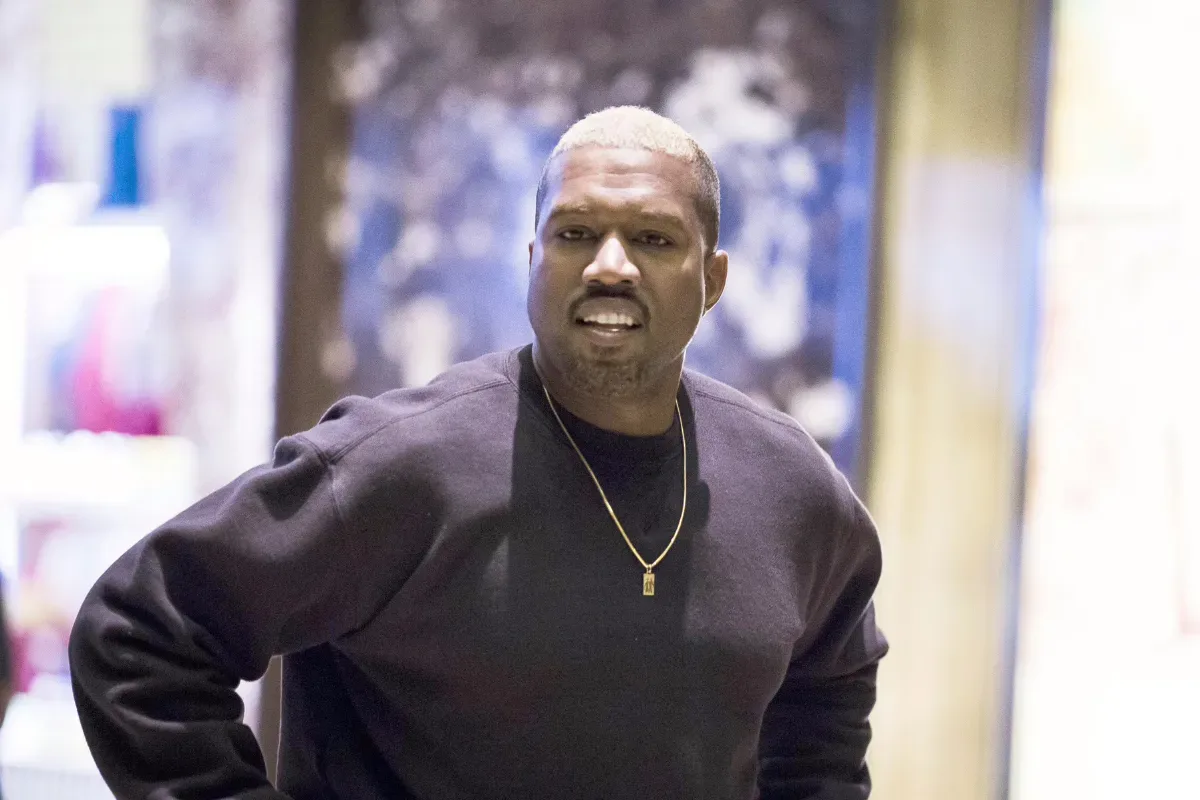
The relationship also became tied to public attacks from Ye, formerly known as Kanye West. Davidson said those attacks got to him, particularly because his mental-health struggles were already known to the public.
Ye repeatedly targeted Davidson online and brought the feud into his music. The video for “Eazy” included a clay depiction of Davidson being kidnapped and buried, an image that intensified the already volatile public discussion around Kardashian’s relationship.
Davidson did not use his retrospective to make the situation into a simple villain narrative. While saying the attacks affected him, he also expressed empathy for Ye, referring to the pressures of fame and the loss of a parent. Empathy in this context does not erase the effect of the conduct Davidson described. Rather, it reflects an attempt to acknowledge that highly public conflict can involve real hurt and complicated personal circumstances at the same time.
He also made another joke at his own expense, suggesting he may have “cleared the path” for anyone Kardashian dated after him because the first partner following Ye would likely receive the strongest backlash. Again, the humor does not obscure the underlying reality: Davidson experienced a form of scrutiny that expanded beyond a normal breakup narrative and into a public, ongoing feud.
What Davidson’s comments do—and do not—say
Davidson’s remarks should not be read as a definitive statement about Kardashian’s life or every person who dates into a famous family. They are one person’s account of a specific relationship during a turbulent period. The attention around Kardashian is exceptional, and Davidson’s own health circumstances were part of how he experienced it.
Still, his framing offers a clearer interpretation than the joke alone. He was not revisiting the relationship to express resentment toward Kardashian. He credited her with being respectful and transparent, said he has a lot of love for her, and maintained that they are cool.
What he rejected was the intensity of the surrounding lifestyle: the constant visibility, the security and the sense that ordinary private space can disappear. Being aware of that reality in advance, as Davidson said he was, is different from discovering that it is manageable in practice.
That gap may be the most grounded part of his reflection. Someone can consent to a highly visible life, respect the person offering it and still learn that the pressure is not compatible with where they are mentally or personally. Davidson’s version of the story is less a scorched-earth postmortem than an acknowledgement of exactly that limit.
So the “survivor” line lands as a joke, but it is attached to a sincere assessment: the relationship was not his regret, Kardashian was not his target, and the public world around it proved too overwhelming for him at the time.