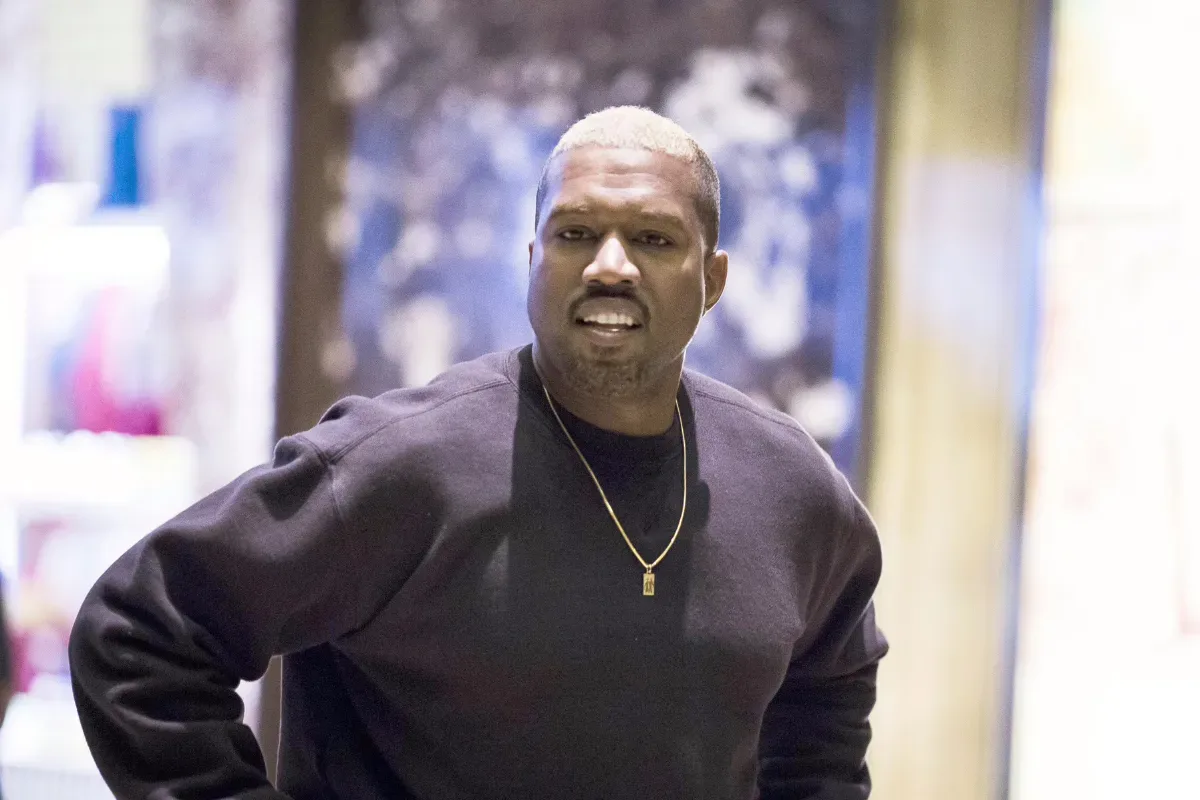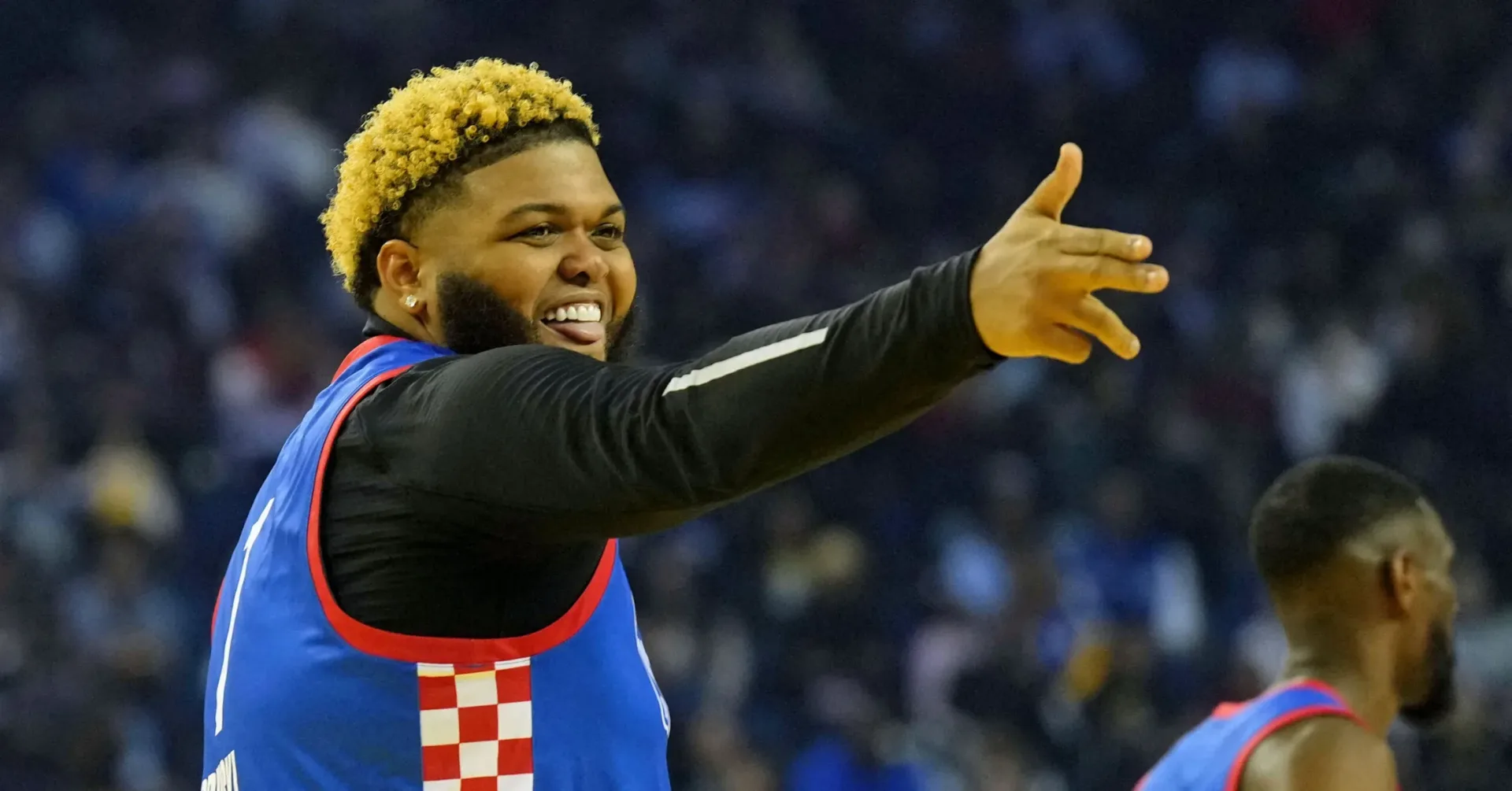
Druski’s placement on the 2026 TIME 100 Next list prompted a sharply specific exchange with Ye: Ye shared the comedian’s new TIME cover on Instagram Stories, and Druski replied with thanks before resurfacing a clip from one of Ye’s most elusive screen projects.
The clip comes from an unaired HBO comedy pilot developed by Ye and Larry Charles. Its relevance to the moment is almost too tidy. In the scene, a fictionalized Ye is arguing with a woman who does not appear persuaded by his celebrity, and he insists on a particular distinction: he had not been on the cover of VIBE; he had been on the cover of TIME.
Druski captioned his response to Ye with “Thank you Kanye” and a salute emoji. The follow-up video turned a simple social-media congratulations into a callback spanning two public milestones, an abandoned TV experiment, and Ye’s long-running instinct to make fame itself part of the joke.
A deep-cut response with a remarkably exact premise
Celebrity reposts are routine. The unusual part here is the precision of Druski’s answer. Rather than simply acknowledge the Instagram Story, he located an old scene whose comedic engine was Ye demanding recognition for the exact cultural marker Druski had just received.
That is why the exchange reads as more than a nostalgic repost. The material is an unusually direct piece of connective tissue between two different TIME moments. Ye first appeared on a TIME cover in 2005, as Late Registration was arriving. He later appeared on one of the magazine’s TIME 100 covers a decade afterward. Druski’s current recognition arrives through the TIME 100 Next list, a related distinction focused on emerging or rising figures.
The pilot scene turns on status anxiety, but it does so through a distinction that is inherently funny because it is so granular. The fictionalized Ye is not merely asking to be taken seriously; he is litigating which magazine cover should count. In comedy terms, that is a form of self-aware escalation: a character tries to establish importance with a detail that becomes more revealing the harder he presses it.
Druski’s choice of clip also fits his own comedy background. His public audience was built through social-media sketches, a format dependent on quick premises, character clarity and instantly readable situations. The old Ye footage operates in a related space, even though it originated as television: a compressed scenario, an awkward confrontation and a star persona being examined through exaggerated behavior.
The HBO pilot that never became a series
The footage Druski shared was part of an HBO pilot Ye developed with Larry Charles, who produced and directed Curb Your Enthusiasm. The project followed a fictionalized version of Ye and drew on the uncomfortable, self-conscious style associated with that kind of comedy. HBO did not move forward with it, leaving the pilot unaired.
An unaired pilot is a proposed series episode made to demonstrate a show’s cast, tone and premise before a network or platform commits to a full run. It is not the same thing as a canceled completed series. The practical consequence is that a pilot can become a cultural curiosity: viewers may encounter fragments and circulate scenes, but there is no larger season available to supply full context or demonstrate how the concept would have developed.
That incomplete status is central to why the Ye project has endured as a “what if.” The clips that have circulated over the years offer a glimpse of a deliberately fictionalized public figure confronting the absurdity of his own reputation. But because HBO passed, the idea remains defined by isolated moments rather than a finished body of work.
Charles’s connection is useful context for the tone, not evidence that the unaired project would have replicated another show. The shared point is the use of awkward, self-aware comedy. That approach can put a performer in situations where social rules, ego and ordinary conversation become pressure points. In the TIME-cover scene, the exchange is funny precisely because the supposed proof of importance is treated as something that must be explained, defended and repeated.
There is also a distinction worth keeping clear: resurfaced footage can be interesting without turning an unfinished pilot into a newly available program. Druski’s post points back to material that has circulated online, not to a confirmed revival, release or new Ye television production.
Why the old joke lands differently now
In its original setting, the line about TIME is a character beat inside a fictionalized comedy. In Druski’s repost, it becomes a response to a real-world honor. The meaning shifts because the context has changed: the joke is no longer only about Ye seeking validation; it is also an acknowledgment from one comedian to another entertainer being celebrated by the same magazine brand.
That shift works because the clip does not need much explanation. The audience only needs the immediate facts: Druski has a TIME cover tied to the 2026 TIME 100 Next list, Ye publicly recognized it, and Ye once starred in a scene obsessing over his own TIME cover. The callback is a clean piece of internet-native humor, where an archived visual reference does the explanatory work of a longer statement.
It is also a reminder that unfinished entertainment projects can acquire an afterlife very different from the one envisioned when they were made. The HBO pilot did not become a series, yet a fragment from it remains available enough to be redeployed years later in a new cultural conversation. In this case, the archive was not used to settle a debate about what the show might have been. It was used for the far more immediate purpose of a joke.
Druski’s busy period extends beyond the cover
The TIME 100 Next recognition arrives while Druski is juggling a major current project. Livestream From Hell, made with Kevin Hart and Kai Cenat, is streaming on Prime Video. The timing gives the cover additional context: it comes during an active stretch rather than as a retrospective honor disconnected from his present work.
His profile has been shaped by sketches shared through social media, and the available details point to a career that has moved from that direct-to-audience format into bigger collaborative projects. The Ye exchange does not announce a partnership between them, and it should not be read as one. It is better understood as a brief public interaction built around mutual recognition and an unusually well-chosen clip.
There is a useful parallel between the moment and the broader way comedy travels online. A social post can carry several layers at once: an expression of gratitude, a reference for longtime viewers, a compact commentary on celebrity and a plug-free gesture that still places both people in the same pop-cultural frame. Druski’s repost succeeds because it does all of that without needing to state its premise outright.
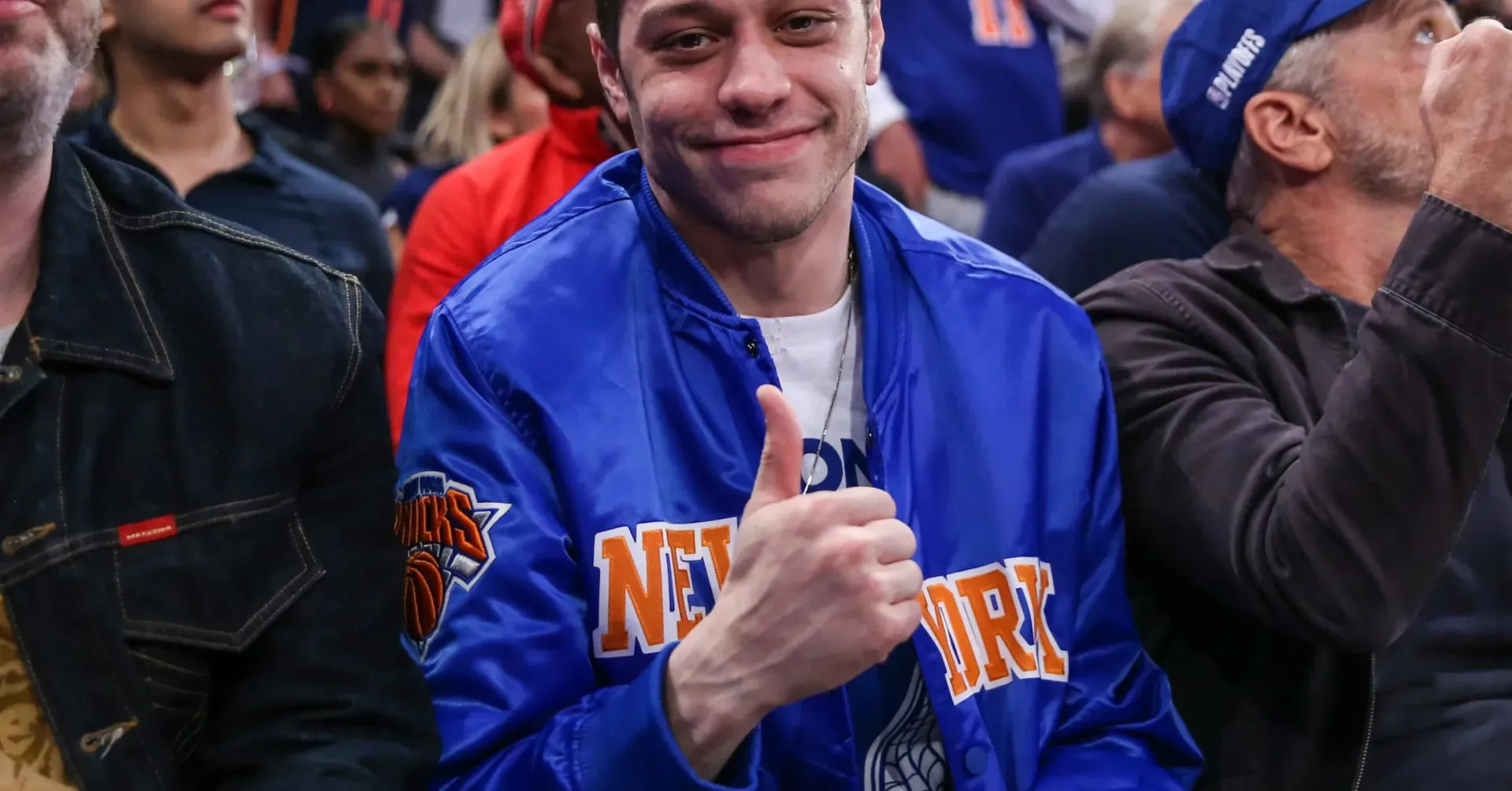
For readers following the overlap between rap, celebrity persona and screen projects, the episode also sits beside broader conversations around Ye’s public legacy, including Pete Davidson’s reflections on his conflict with Ye. Druski’s exchange is much lighter in tone, built not around a dispute but around a shared recognition of how strange an old piece of comedy can become when real life catches up with its premise.
What the exchange does—and does not—signal
- It does signal: Ye acknowledged Druski’s TIME cover publicly, and Druski responded by sharing an old clip from Ye’s unaired HBO pilot.
- It does signal: The repost was intentionally relevant, because the scene concerns Ye emphasizing that he had appeared on TIME’s cover.
- It does not signal: A new HBO release, a return of the pilot, or a confirmed new television collaboration involving Ye and Druski.
- It does not signal: That the old clip represents a complete version of the unaired project; HBO passed on the pilot.
Ultimately, the appeal of the exchange is its specificity. A congratulations led to a lost-TV deep cut; a current cover activated an old joke about a prior cover; and an unaired fictionalized comedy scene found a fresh audience purpose. For Druski, it is an efficient way to mark a milestone. For anyone fascinated by Ye’s stranger detours beyond music, it is another brief look at a project whose small surviving moments still know how to make their way back into the conversation.