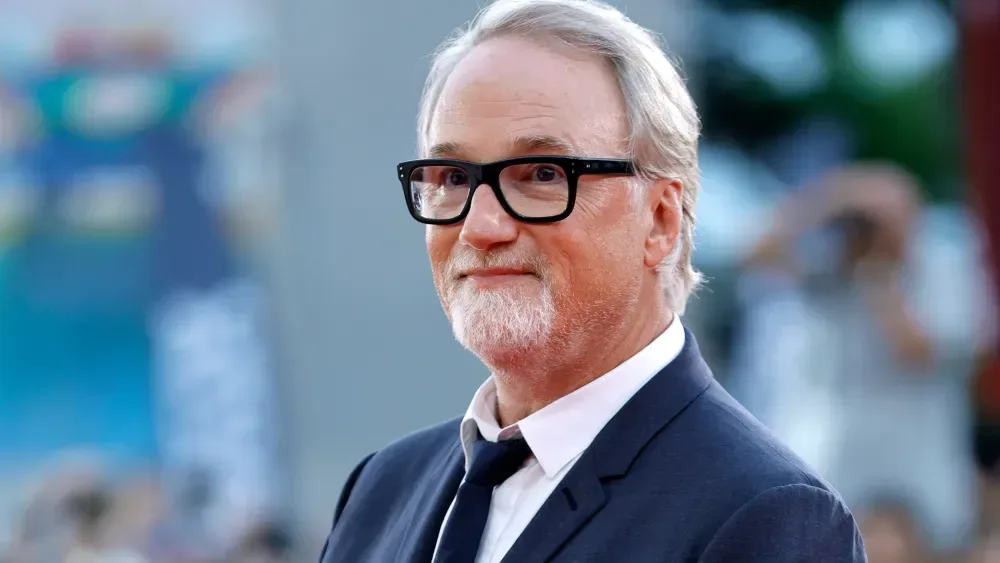
David Fincher’s exclusive arrangement with Netflix is set to end when the agreement expires next year, closing a significant formal chapter in a relationship that has produced television work and three feature films since the pact was established in 2020.
There is an important asterisk to the headline-sized news: Fincher is not reported to be moving immediately into a new overall deal with another studio. That means the end of exclusivity should not be confused with an absolute break. Netflix could still be involved with a future Fincher project; it simply would no longer have a contract giving it the exclusive right to work with him.
For viewers, that distinction is more useful than treating this as a dramatic “goodbye.” It changes the business framework around Fincher’s next decisions, rather than confirming where those decisions will land. His upcoming The Further Mis-Adventures of Cliff Booth remains a Netflix release, and it also represents a notable theatrical experiment for the streamer.
What an exclusive deal actually means
An exclusive partnership, sometimes described as an overall deal, generally ties a creator’s new projects to one company for the term of the agreement. In practical terms, the studio or streamer becomes that creator’s designated home while the contract is active. The company gains a close association with the filmmaker and access to their work; the filmmaker gets a dedicated production relationship.
When that deal expires without a renewal, the filmmaker regains flexibility to take future ideas to other partners. That does not erase prior projects, nor does it bar a reunion with the former partner on a project-by-project basis. Fincher’s situation appears to be exactly that: more freedom, but no confirmed next studio destination.
Netflix did not provide a public response to a request for comment. As a result, the boundaries of any potential future collaboration, including whether there are projects in development beyond those already known, have not been detailed publicly.
A long relationship, formalized in 2020
Fincher’s association with Netflix predates his exclusive agreement by years. His work with the company included the early flagship series House of Cards and later Mindhunter, before the exclusive partnership began in 2020.
Under that 2020 deal, Fincher made Mank and The Killer, with The Further Mis-Adventures of Cliff Booth serving as the upcoming third film. The three titles also show a partnership that has not been restricted to one narrow type of movie: Mank is a period film, The Killer is built around a hitman, and the Cliff Booth film extends a character and world connected to Quentin Tarantino’s Once Upon a Time in Hollywood.
That final project makes Fincher’s contract status especially interesting because it joins several major industry priorities at once: filmmaker relationships, recognizable intellectual property, a high-profile star in Brad Pitt, and the increasingly active question of whether streaming releases can also receive meaningful theatrical runs.
Cliff Booth will test Netflix’s theatrical approach
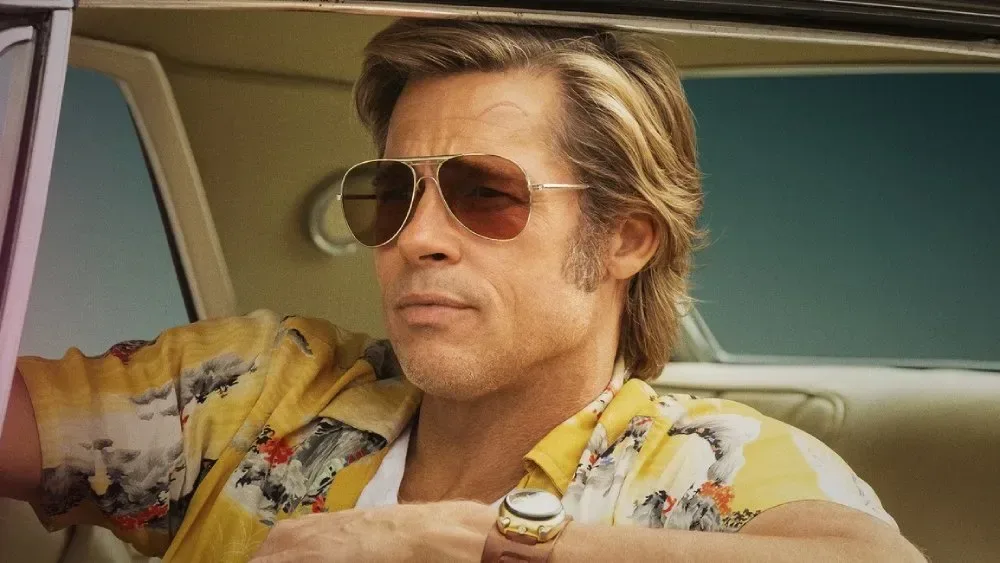
The Further Mis-Adventures of Cliff Booth is described as a spinoff of Tarantino’s Once Upon a Time in Hollywood, with Pitt starring. It is scheduled to open in IMAX theaters on Nov. 25 before arriving on Netflix on Dec. 23.
That month-long interval is a departure from the conventional expectation that Netflix titles are primarily defined by their streaming availability. The company has indicated it will experiment with theatrical releases and, for selected films, report box-office results. The goal is straightforward: theatrical play can be important to filmmakers who want their work shown on the big screen.
IMAX is a premium theatrical format associated with large screens and specialized presentation. An IMAX release therefore signals more than a technical booking detail. It gives a film a distinctive theatrical identity before it reaches the service, and it acknowledges that some directors and audiences value the cinema presentation as part of the release itself.
There is no basis yet to assume that this release model will become the rule for every Netflix film. The available information characterizes it as experimentation, which implies a case-by-case approach rather than a blanket strategic conversion. But Cliff Booth is a conspicuous project on which to try it: it is connected to a previous critical and commercial success, it stars Pitt, and it is directed by Fincher.
That approach also arrives during a period of broader movement among entertainment companies and their creative partners. For another major corporate development affecting the studio landscape, see our coverage of the Paramount-WBD merger clearance.
The unusual route from Tarantino to Fincher
The Cliff Booth project has a specific creative-history wrinkle. Sony’s motion picture group chair Tom Rothman said Sony had been prepared to make the movie when Tarantino was expected to direct it, but that Tarantino changed course. Rothman said Tarantino was comfortable with Fincher directing the script, while Fincher’s Netflix exclusivity meant Sony would not stand in the way.
That account explains why a continuation of a Sony-distributed hit is heading to Netflix. It was not presented as a simple sale of a familiar franchise from one company to another. Rather, Fincher’s then-exclusive relationship with Netflix was a decisive factor in the project’s path after Tarantino was no longer directing it.
It also creates a new question now that Fincher’s deal will not be renewed: whether this shift changes the possibilities around future work with Sony or any other studio. The answer is not known, and no new agreement has been announced. What is clear is that the deal’s expiry removes the one business constraint Rothman identified in discussing how Cliff Booth came together.
Fincher is part of a wider talent reshuffle
Netflix’s creative roster has recently seen several notable changes. Noah Baumbach, whose last four movies were made at Netflix, has signed with Warner Bros. Shawn Levy has set an overall television deal at Disney’s 20th Century after nearly a decade at Netflix. Ross and Matt Duffer, Levy’s collaborators on Stranger Things, have moved their own arrangement to Paramount.
These moves should not be treated as proof of one universal reason creators change partners. Each deal has its own terms, priorities and projects. Together, though, they demonstrate that exclusive arrangements are not permanent affiliations. Studios and streamers compete for filmmakers and producers, while creators periodically reassess where their next work can be made.
For Netflix, Fincher’s non-renewal comes with a counterbalancing point: the relationship is still producing a high-profile release, and it has not been publicly ruled out for future collaborations. For Fincher, the practical outcome is a return to the wider marketplace without an announced destination.
What has and has not been confirmed
- Fincher’s Netflix deal is expected to expire next year and is not being renewed.
- He is not reported to have signed a new overall agreement with another studio.
- The Further Mis-Adventures of Cliff Booth is set for IMAX theaters on Nov. 25 and Netflix on Dec. 23.
- Brad Pitt stars in the Cliff Booth spinoff, which Fincher directs.
- Netflix plans to experiment with theatrical releases and report box office on select titles.
- No future Fincher project, new studio pact or complete end to his Netflix relationship has been confirmed.
The immediate story, then, is not that Fincher has chosen a replacement home. It is that a major exclusive deal is winding down just as one of its biggest remaining projects prepares for an unusually visible big-screen-and-streaming rollout. Until Fincher announces what comes next, the most accurate reading is also the simplest: he will have options, Netflix remains a possible collaborator, and Cliff Booth will be the next major piece of the partnership audiences see.