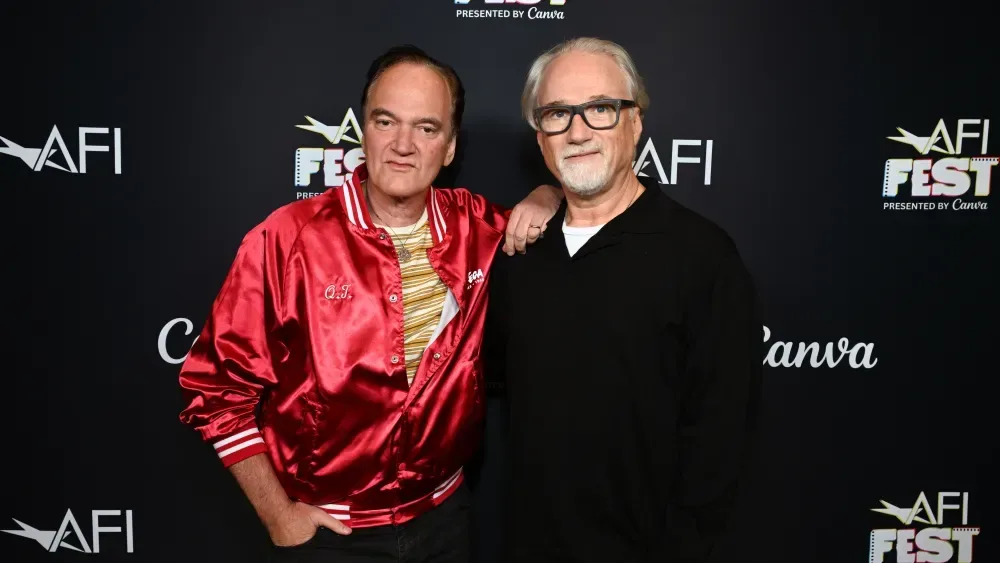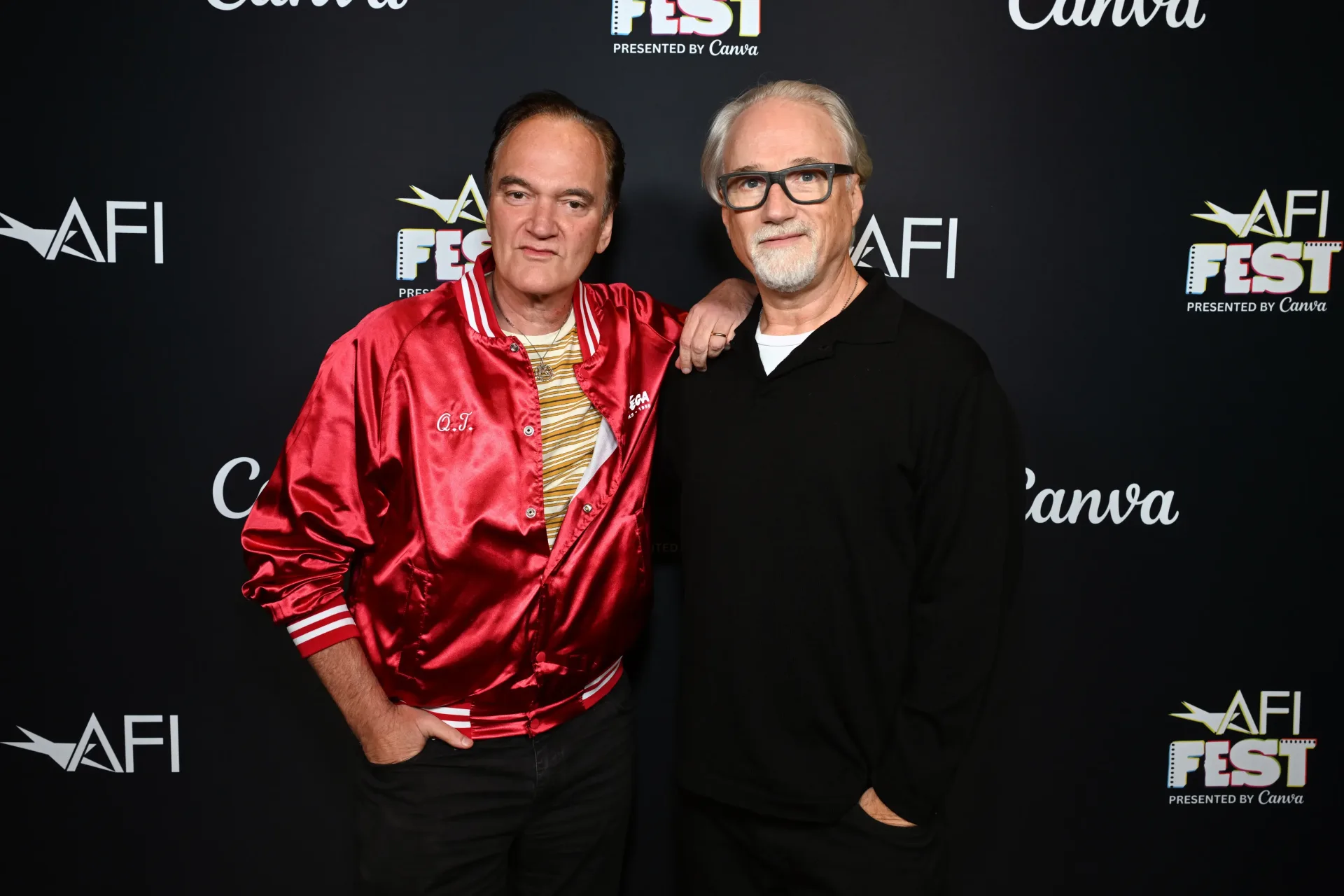
Hollywood’s most unbothered stuntman is apparently picking up a second career: solving the entertainment industry’s messes. Quentin Tarantino gave an AFI Fest audience an unexpected first look at The Further Mis-Adventures of Cliff Booth, screening the film’s opening 17 minutes after a presentation of Once Upon a Time … In Hollywood at the TCL Chinese Theatre in Hollywood.
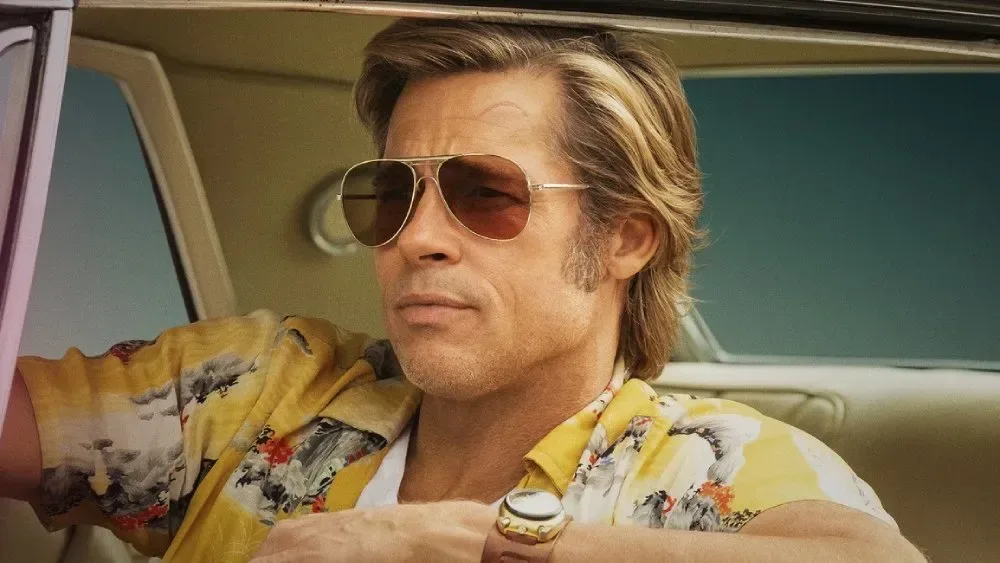
The new film brings Brad Pitt back as Cliff Booth, the stuntman and sidekick from Tarantino’s 1969-set Once Upon a Time … In Hollywood. But this is not simply another lap around the same sun-drenched version of Los Angeles. The story advances to 1977, and its central proposition is much rougher: Cliff has become a fixer, a person brought in to resolve difficult situations for powerful people in Hollywood. The supplied description makes clear that his methods can be “extralegal,” meaning outside ordinary legal procedure.
David Fincher directs the project from a screenplay by Tarantino. That division is the headline beyond the return of Pitt: Tarantino has revisited a character he created and written the script, while Fincher is responsible for directing the finished film. Fincher attended the event alongside Tarantino.
A new job for an old-school movie hero
Cliff’s original role was closely tied to the late-1960s movie business. In the new story, Los Angeles no longer has the same use for a “hippie-slaying stuntman,” but it still has people with power, secrets, conflicts and a remarkable talent for requiring somebody else to clean up after them. Cliff works as a bartender and projectionist when he is not operating as a fixer.
That occupational mix says a lot without revealing the film’s later plot. A projectionist runs film presentations, a role that places Cliff physically close to the mechanics and spaces of movie exhibition. A fixer, meanwhile, is an informal problem-solver rather than a standard job title with a tidy organizational chart. In this case, the premise suggests someone who can handle Hollywood troubles that cannot be addressed through conventional, polite channels.
Tarantino has characterized Cliff as a possible “paperback hero,” imagining the sort of character who could lead one adventure after another. That is a useful lens for the premise. The title promises “further mis-adventures,” not a direct replay of the prior film’s story. Cliff is instead positioned as a recurring protagonist entering a fresh Los Angeles crime narrative.
The early footage was described as carrying Tarantino’s voice on the page while presenting 1977 Hollywood in a gritty, dark visual style associated with Fincher. That is an initial impression of the opening sequence, not a full account of the movie’s story or a replacement for a trailer. The rest of the plot remains under wraps.
The people drawing Cliff into trouble
The announced supporting cast provides a clearer outline of the circles Cliff will be moving through. Elizabeth Debicki plays talent agent Karen Crosby, who contacts Cliff on behalf of her client, television star Charlie Peters. Scott Caan plays Peters, a performer known for doing his own stunts—an immediate point of interest for a protagonist whose past is rooted in stunt work.
Carla Gugino plays Toni, Charlie’s wife, while Yahya Abdul-Mateen II plays Roderick “Hot Rod” Harrison, a professional football champion who has transitioned into acting. Matt Groove and JB Tadena play the Verdusco brothers, described as mysterious gangsters whose actions are spreading mayhem through the city. Peter Weller is also among the announced cast.
Those elements establish a collision between celebrity, representation, stunt culture, organized crime and Hollywood ambition. More importantly, they establish the stakes in broad terms without pretending the details are known. The supplied story frames the project as a crime story unfolding in Los Angeles, built around violence, desire and ambition. It does not reveal precisely what task Cliff takes on, how the criminal thread intersects with the actors and agents, or where the story ultimately goes.
Why the 1977 setting matters
The eight-year leap from 1969 to 1977 is more than a calendar change. It gives the film a different starting point from Once Upon a Time … In Hollywood, whose fictional world was rooted in an earlier moment. Cliff himself returns, but the conditions around him have shifted. The logline directly contrasts the old need for his particular kind of stuntman with the new need for a Hollywood fixer.
That setup gives the character a practical reason to remain at the center of the story: his skills have been repurposed. Rather than treat Cliff as a familiar face inserted into an unrelated plot, the premise turns his combination of screen-industry experience and willingness to get his hands dirty into the engine of the film.
It also makes the title’s “further” especially important. The story is being presented as a continuation of Cliff Booth’s life, but not necessarily as a conventional continuation of every thread from the 1969 film. The available material supports a character-focused return, with a new period, new professional identity and new set of people requiring his attention.
What happened at the festival screening
The footage arrived after a screening of Once Upon a Time … In Hollywood and a discussion. Tarantino offered the audience a choice between hearing him discuss the new film or seeing its first 17 minutes, then screened the material. The surprise presentation therefore functioned as an early public glimpse rather than a full premiere.
Tarantino also discussed his affection for Cliff Booth and for Pitt’s performance in the original movie. He recalled a favorable observation that the 1969-set world was the first one he had created that he would want to inhabit. His comments connect the new film to that attachment, while the paperback-hero comparison explains why Cliff, specifically, was a character he could imagine revisiting.
The event also included Tarantino’s recollection of Burt Reynolds’ intended involvement in Once Upon a Time … In Hollywood. Reynolds had agreed to play George Spahn and participated in rehearsal and a script reading, but died before production. Bruce Dern ultimately played Spahn in the film. Tarantino said that the reading became Reynolds’ final performance.
Release plan: Imax first, streaming afterward
The Further Mis-Adventures of Cliff Booth is a Netflix film scheduled to debut in Imax theaters on Nov. 25 before arriving on the streaming service Dec. 23. The release sequence gives viewers two clearly defined ways to see it: a theatrical Imax presentation first, followed by Netflix less than a month later.
That Imax-first window is especially notable given the report’s emphasis on the texture of Fincher’s 1977 Los Angeles. Imax is a premium large-format theatrical presentation; the stated plan gives audiences an option to encounter the film in that format before it transitions to home streaming. No further details about locations, ticketing or the scope of the theatrical engagement were provided.
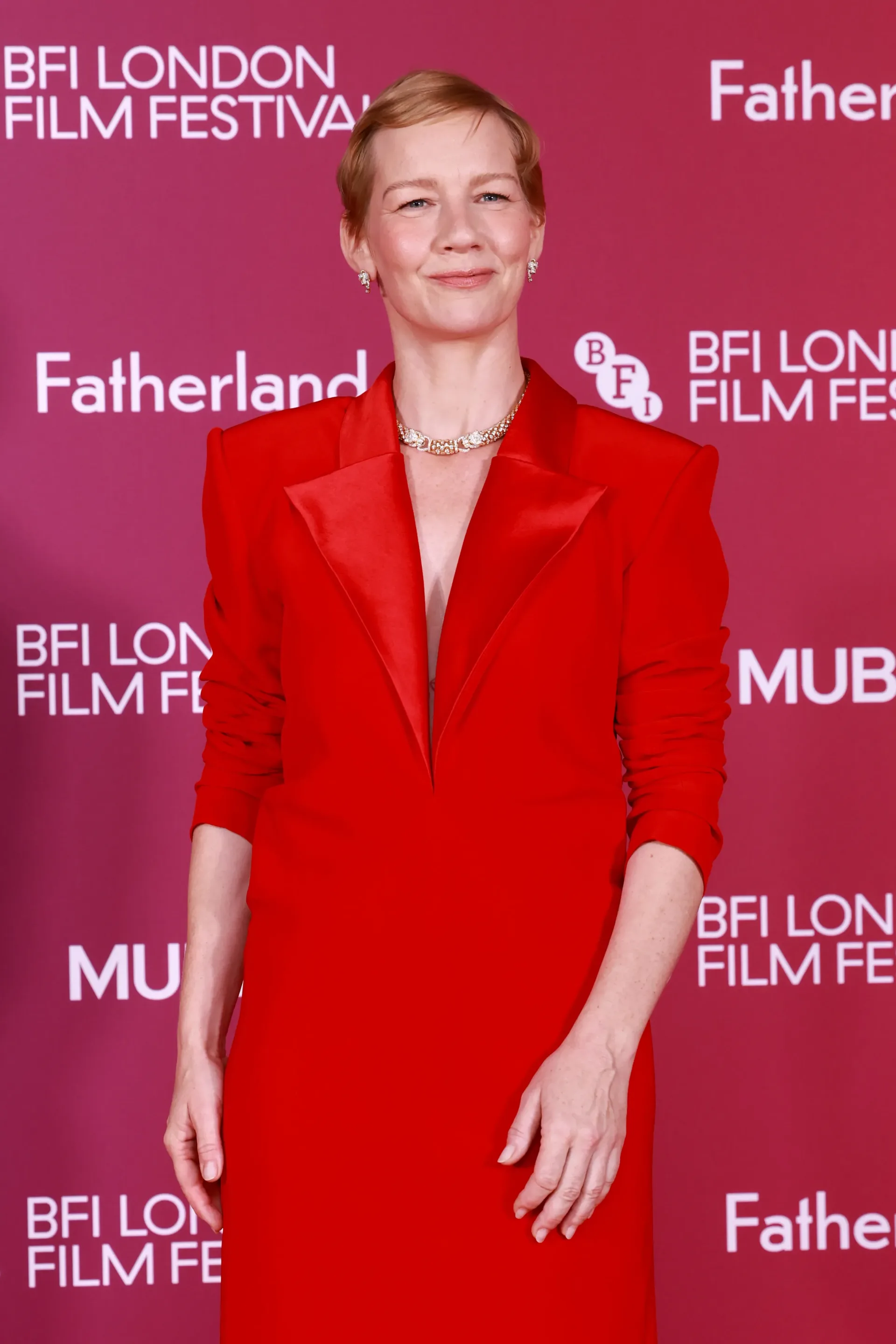
For movie fans keeping an eye on similarly high-profile casting stories, Sandra Hüller’s reported secret cameo in Avengers: Doomsday is another recent example of how carefully guarded film roles can become part of the conversation well before viewers get the full picture.
Tarantino’s stage work is next on his calendar, too
Outside the Cliff Booth screening, Tarantino briefly addressed The Popinjay Cavalier, his upcoming London West End play starring Sacha Baron Cohen. Previews are set for February, with rehearsals beginning in November. He did not expand on the production, saying only that writing remains his constant work.
For now, though, the immediate Tarantino project with a firm viewing plan is Cliff Booth’s return. The early footage has established the basic pitch: Brad Pitt’s laid-back stuntman is older, operating in 1977, and finding that Hollywood has invented a new way to need someone exactly like him. Whether that makes him a hero, a hired headache or both is the crime-story question waiting until Nov. 25.