Cliff Booth is getting two new adventures this year, with Quentin Tarantino returning to the character on the page as David Fincher brings him back to the screen. Tarantino’s new novel, The Adventures of Cliff Booth, is scheduled for publication by HarperCollins on December 8.
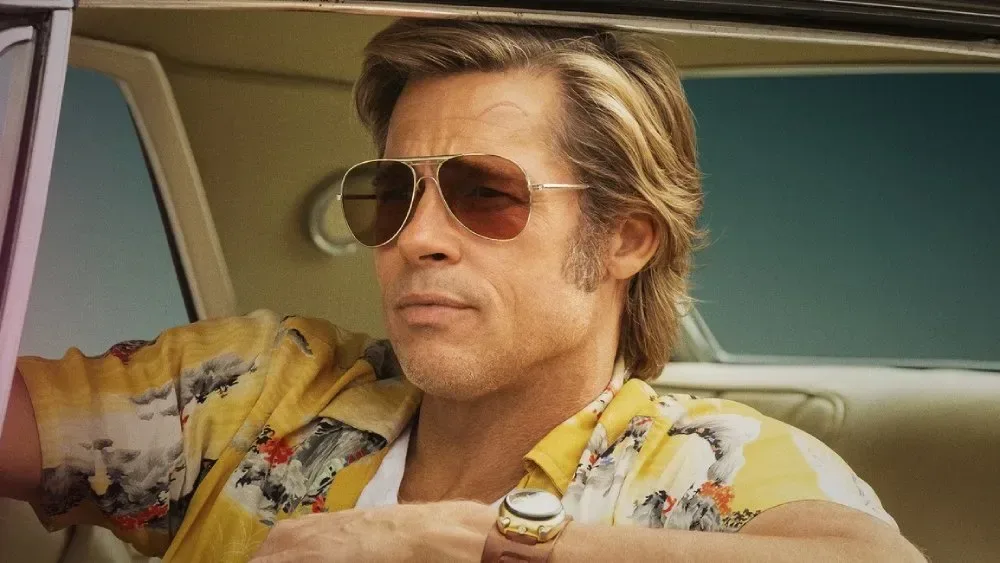
The book will arrive in the middle of a tightly arranged release window for The Further Mis-Adventures of Cliff Booth, the forthcoming Netflix film starring Brad Pitt. The movie is set to open in IMAX theaters on November 25 before reaching Netflix on December 23. Pitt reprises the role that earned him an Academy Award for Once Upon a Time in Hollywood.
It is an unusual rollout: one writer’s new prose treatment of a character will land after the theatrical opening of a related film, but before that film becomes widely available on streaming. The similar but not identical titles also make the distinction important. Tarantino’s novel is The Adventures of Cliff Booth; Fincher’s movie is The Further Mis-Adventures of Cliff Booth.
A screenplay writer returns to prose
Tarantino wrote the screenplay for the new movie but will not direct it. Fincher is directing for Netflix. Tarantino has already shown that he is interested in revisiting his film worlds in a novelistic form: he previously published a novelization of his 2019 movie Once Upon a Time in Hollywood.
A novelization is a prose work built from, or connected to, a film story. It can be a straightforward retelling, but it can also offer a different route through familiar material by spending more time in a character’s interior life, routines, memories, or background. No details have been given about precisely how the new Cliff Booth book will relate scene by scene to the film, so readers should not assume it is a direct transcript of the screenplay.
What is clear is that the novel and movie occupy the same broad period and character space. Both are set in Hollywood in 1977, eight years after the original story. That jump shifts Booth out of the late-1960s environment of Once Upon a Time in Hollywood and into a different chapter of an entertainment industry where he had already spent years operating at the edges of stardom.
What the new story has confirmed
Plot specifics remain under wraps, but the book’s description sketches a notably wide working life for Clifford Booth. He is identified as a war hero, stuntman, bartender and cinema projectionist, while also taking on occasional clandestine services for friends. The wording suggests a protagonist whose skills and connections extend beyond the on-set work associated with the first film, though it does not explain what those secretive jobs involve or how they shape the central plot.
That list of occupations matters because Booth was never framed simply as a stunt double with a famous client. In Once Upon a Time in Hollywood, he was the longtime stunt double of Leonardo DiCaprio’s Rick Dalton, an aging actor trying to find his footing in show business. Booth’s relationship with Dalton supplied much of the first film’s emotional center: one man was publicly recognizable but professionally anxious, while the other was capable, loyal and accustomed to working in the background.
The 1977 setting gives the new project room to examine Booth independently of that original pairing. But whether DiCaprio’s Dalton appears, and to what extent, has not been confirmed. The supplied information establishes Pitt’s return and identifies Booth as the focus; anything further about the cast or the story would be speculation.
The original film’s shadow is a large one
Once Upon a Time in Hollywood was set in late-1960s Los Angeles, against the backdrop of the Manson family murders. Alongside DiCaprio and Pitt, Margot Robbie played Sharon Tate, the rising actor married to director Roman Polanski. The film looked back toward an older ideal of Hollywood even as its characters faced an industry moving beyond the kinds of roles and opportunities that made them.
It was also a major commercial and awards success. The film earned more than $400 million worldwide from a reported $90 million budget, received 10 Academy Award nominations and won two Oscars. Those results help explain why Cliff Booth could support a new story, even though the follow-up is not being positioned as a repeat of the original’s complete ensemble setup.
The new production is reported to have a $200 million budget, a figure substantially larger than the $90 million budget associated with Once Upon a Time in Hollywood. A production budget is the amount allocated to making a movie; it is not the same thing as box-office revenue, marketing costs, or profit. The larger figure signals a sizable commitment from Netflix, but it cannot by itself tell audiences what the movie will contain or how it will ultimately perform.
Why the release calendar is worth watching
The order of events is unusually specific:
- November 25: The Further Mis-Adventures of Cliff Booth is scheduled to arrive in IMAX theaters.
- December 8: HarperCollins is scheduled to publish Tarantino’s The Adventures of Cliff Booth.
- December 23: The movie is scheduled to make its Netflix debut.
IMAX is a premium large-format theatrical presentation. Its place in the plan means the film is expected to have a limited period in theaters before its streaming arrival. The book’s December 8 date puts it squarely between those two movie milestones. That sequence could give audiences multiple ways to encounter Booth in quick succession: first in a theatrical presentation, then through Tarantino’s prose, then through Netflix’s at-home release.
There is a practical wrinkle for anyone trying to stay completely spoiler-free. Since the novel comes after the IMAX opening but before Netflix availability, it is not yet known whether reading it could reveal story material from the film, offer a separate narrative, or overlap only in setting and character. Readers who want to preserve every on-screen surprise may prefer to wait until the relationship between the two versions is clearer.
Conversely, readers interested in Tarantino’s writing may see the book as more than movie-adjacent merchandise. His prior Once Upon a Time in Hollywood novelization establishes that he has used prose as a vehicle for returning to material associated with his films. The new novel therefore continues an authorial pattern rather than functioning as a conventional tie-in created by someone outside the project.
Fincher directs while Tarantino looks for unfamiliar ground
Tarantino’s decision not to direct is central to the project’s identity. He has long said that he wants to retire after making 10 films, and he has made nine, including Reservoir Dogs, Pulp Fiction and Inglourious Basterds. In comments made last year, he described loving the Cliff Booth script but feeling that a sequel would revisit terrain he had already covered. He said his final film needs to put him in “uncharted territory.”
“I love this script, but I’m still walking down the same ground I’ve already walked,” Tarantino said. “It just kind of unenthused me. This last movie, I’ve got to not know what I’m doing again. I’ve got to be in uncharted territory.”
That stance separates the two creative roles cleanly. Tarantino remains the screenwriter and the novelist, preserving a direct connection to Booth’s voice and world. Fincher takes over the directorial task, which means the film’s visual presentation, performances and screen rhythm will be shaped by a filmmaker other than the person who directed the original.
For fans, the result is less a standard sequel arrangement than a split-format continuation: Tarantino is extending the character through writing in two forms, while Fincher is handling the film itself. The difference in titles may be small, but it accurately reflects that these are related works rather than one plainly labeled adaptation of the other.
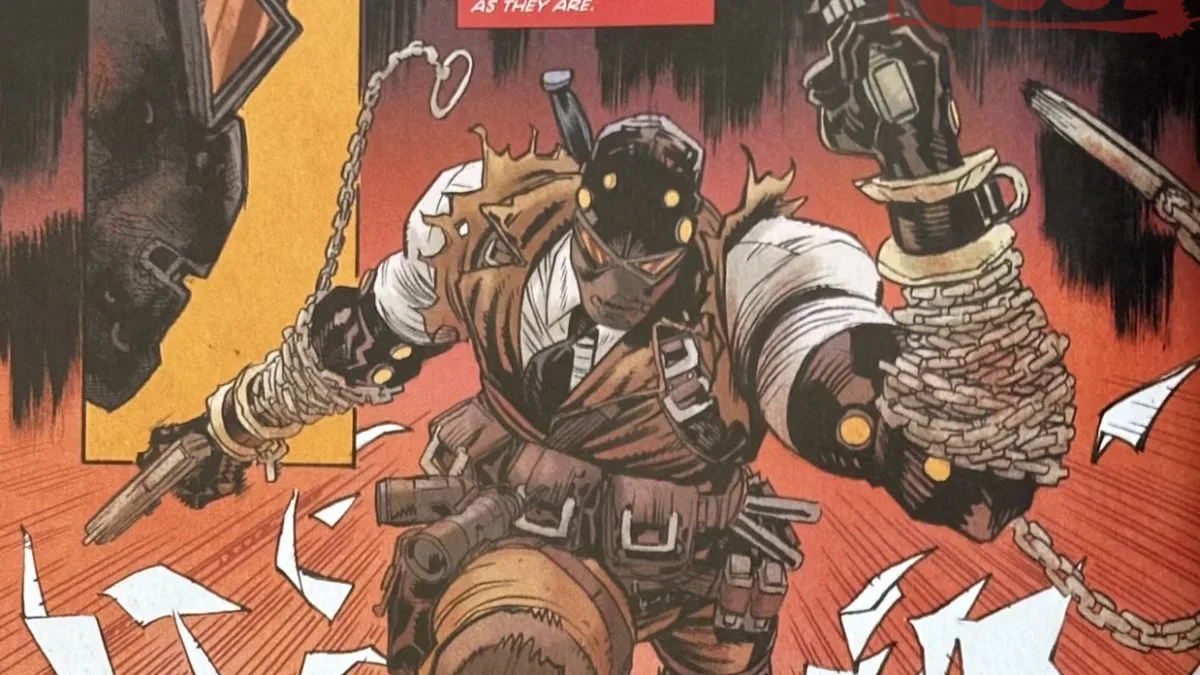
This kind of multi-format storytelling is not new to pop culture, but it is particularly notable when the original filmmaker remains closely involved as writer while another major director makes the movie. Similar questions about character continuity, adaptation and creator involvement often follow comic-book projects as well, including stories where a new figure is positioned ahead of a release, such as the recent attention around a new Batman adversary in Detective Comics.
What has not been revealed
There are still substantial unknowns around both versions of Cliff Booth’s return. Beyond Pitt, no further cast details are established here. The story’s central conflict, the identities of Booth’s friends, the meaning of his clandestine work, and the degree of overlap between the novel and screenplay have not been disclosed. The title’s reference to “further mis-adventures” hints at a picaresque or episodic flavor, but it does not confirm a plot structure.
There is also no basis yet for judging the film’s tone, the novel’s length, or whether either work will directly revisit characters and incidents from the earlier movie. Hollywood in 1977 and Booth’s assorted occupations provide the confirmed framework; the rest remains deliberately concealed.
For now, the key dates are the clearest part of the picture. Cliff Booth returns to IMAX screens on November 25, moves into Tarantino’s new novel on December 8, and reaches Netflix on December 23. The character who once stood beside Rick Dalton as a stuntman is now carrying a film and a book of his own—and doing so through two distinct titles, two storytelling formats and two directors’ worth of creative perspective.