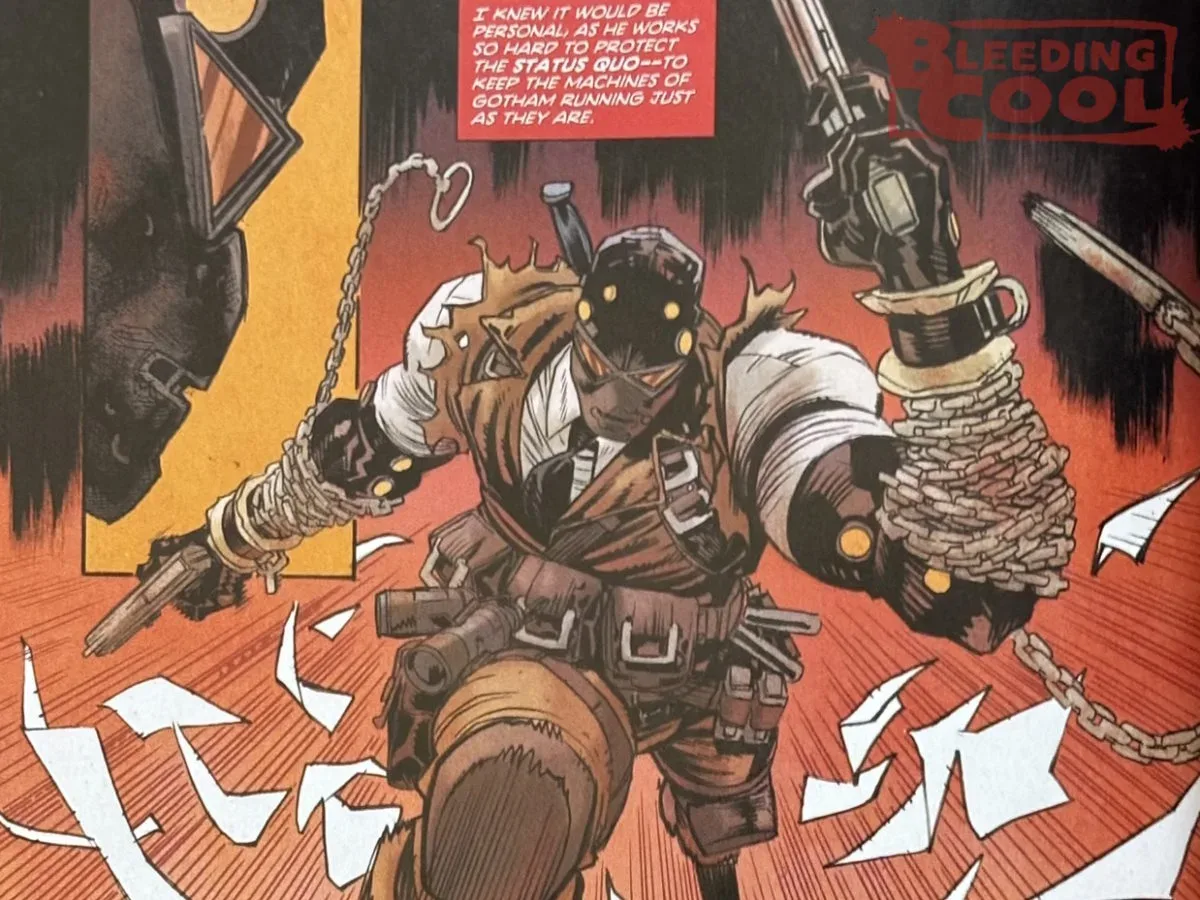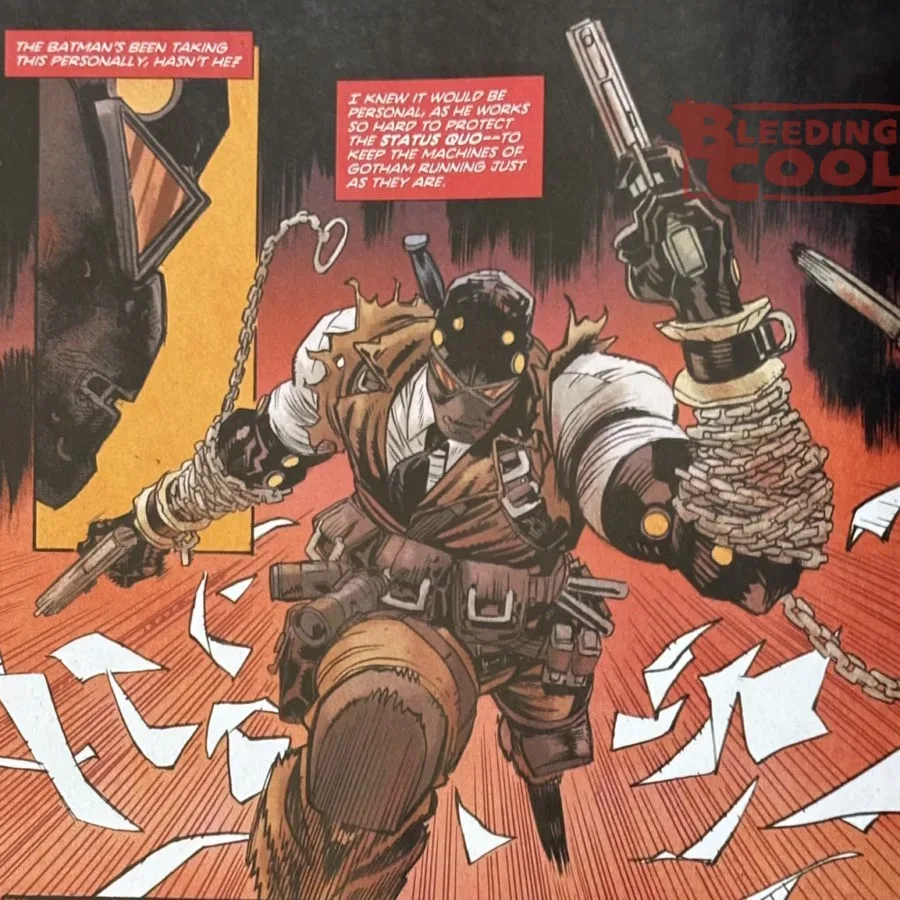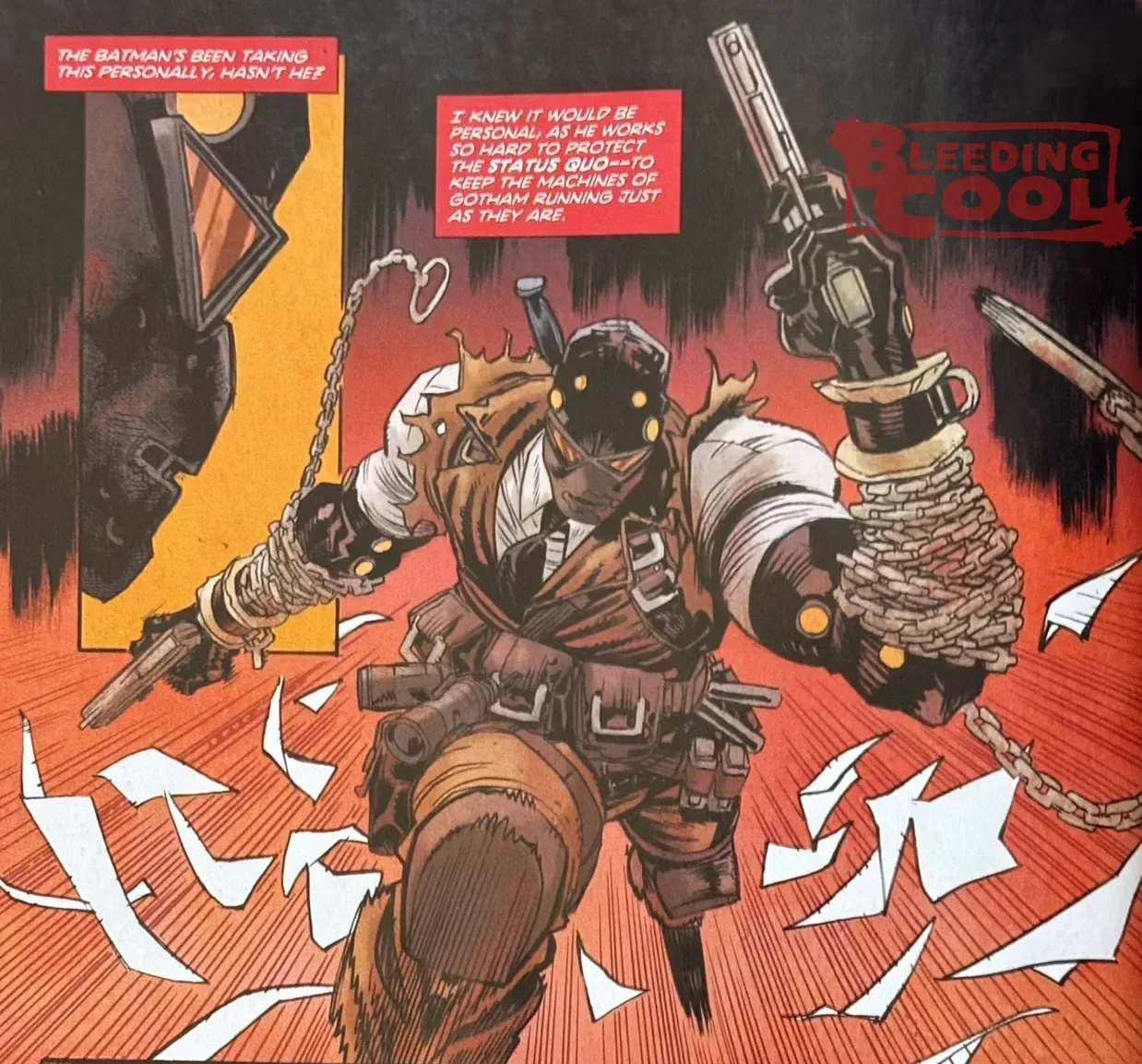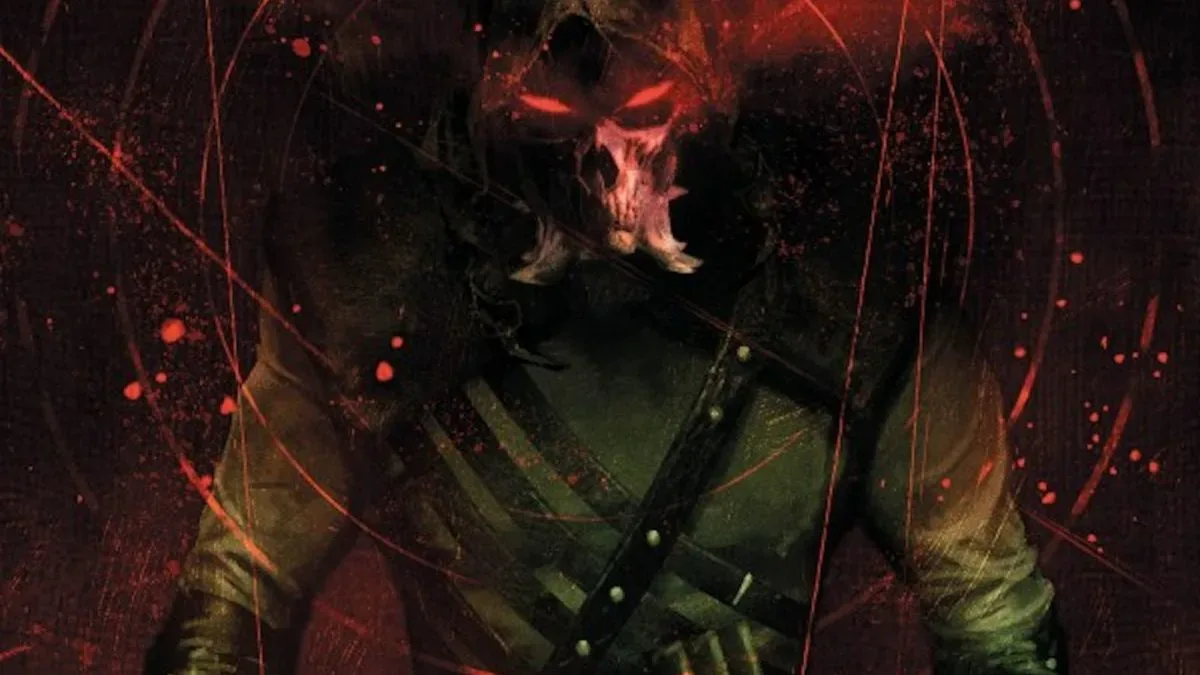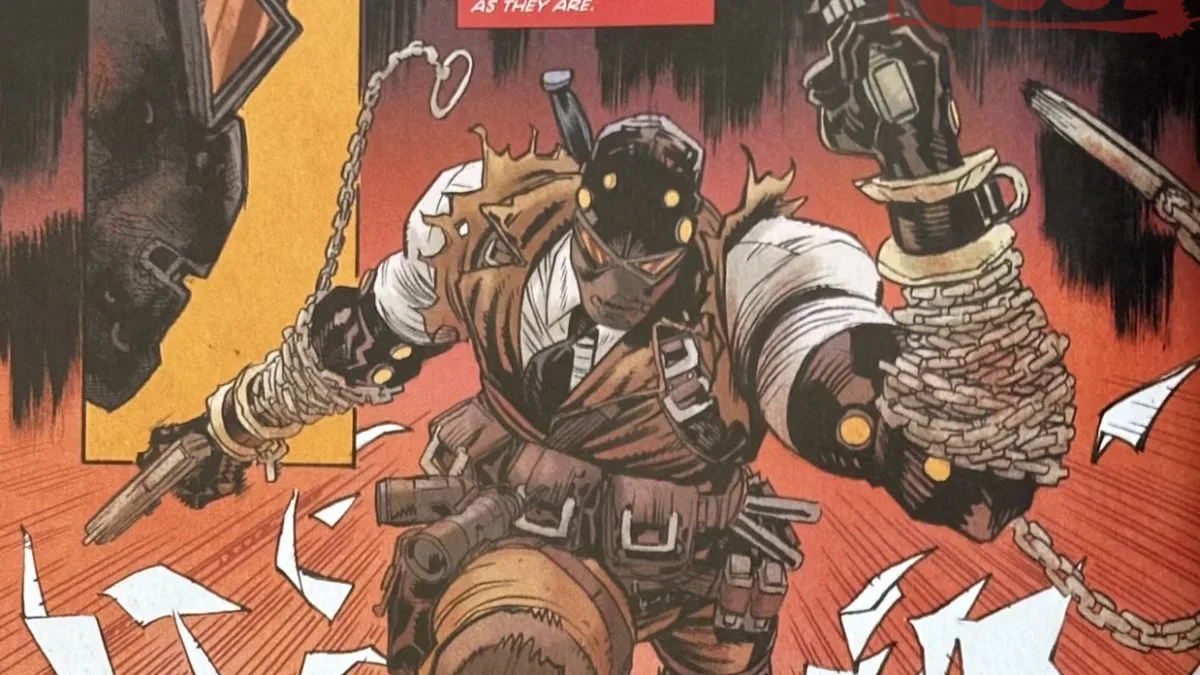
A new Batman villain called Rhetoric is attracting attention ahead of Detective Comics #1113. The character is associated with the issue’s “Rhetoric” story, credited to writer Dan Watters and artist Scott Hepburn, while Sharif Robbins-Brinson is credited as Rhetoric’s creator.
That is the firm information currently available. It is enough, however, to make the character a point of interest for Batman readers: a named new adversary entering Gotham City is always worth watching, particularly when the character’s first major appearance is tied to a flagship title rather than a peripheral one-shot or an unnamed background debut.
Importantly, readers should separate the confirmed details from assumptions. No supplied information establishes Rhetoric’s powers, costume, civilian identity, origin, motivations, relationship to Batman, or whether the villain is intended to return beyond this story. The name may invite theories, but it does not confirm a particular gimmick or thematic role. For now, Rhetoric is a new Gotham threat whose larger place in the Bat-mythos remains to be revealed on the page.
What is confirmed about Rhetoric
- Character: Rhetoric, described as a new Batman villain.
- Comic: Detective Comics #1113.
- Story title: “Rhetoric.”
- Story creative team: Dan Watters and Scott Hepburn.
- Character creation credit: Sharif Robbins-Brinson.
Those credits matter because comics are a collaborative medium, and character creation can be distinct from the writer and artist assigned to a specific issue. A story credit identifies the creative team responsible for telling that installment; a creation credit recognizes the person credited with originating the character. Both pieces of information are meaningful when readers are tracking a potential new addition to Batman’s unusually crowded villain roster.
Why a new villain in Detective Comics gets attention
Detective Comics is one of Batman’s central ongoing comic-book homes. A character introduced in that setting immediately arrives with a direct connection to Gotham’s most durable storytelling space: crime, investigation, civic institutions, psychological pressure, and the ongoing contest between Batman and people who seek to reshape the city.
That does not guarantee permanence. Comics introduce new villains regularly, and some become recurring fixtures while others belong chiefly to the arc that introduced them. But a distinctive name, a dedicated story label, and explicit creator attribution are all signs that Rhetoric is being presented as more than an incidental criminal for Batman to dispatch between larger plots.
The name itself has also helped fuel curiosity. In ordinary usage, rhetoric means the art or practice of persuasive communication. It can refer to how language is used to convince, influence, frame an argument, or stir emotion. That definition makes it an especially suggestive label for a Batman villain, given that Gotham stories often turn on public fear, misinformation, political influence, media narratives, and the divide between an individual’s public image and private intent.
Still, that is analysis of the name rather than a factual description of the character. It would be premature to treat Rhetoric as a propagandist, a speaker, a manipulator, or any other specific archetype until the comic establishes those traits. The strongest reading at this stage is simply that the name is designed to provoke questions.
New villains need more than a striking name
Batman’s adversaries endure when they create a problem that is different from the problems created by the villains already surrounding him. A memorable visual helps; a clear method of operating helps; a personal contrast with Batman helps even more. Yet a lasting foe is usually defined by story utility. Can the character challenge Batman’s detective work, exploit a weakness in Gotham, threaten allies, or force a moral choice that another villain would not?
This is why the first appearance is only the opening test. Readers will be looking for a few things in Detective Comics #1113:
- A clear narrative identity. Rhetoric needs an approach or perspective that can be described without reducing the character to an existing Gotham villain in a different outfit.
- A reason to oppose Batman. A villain’s conflict with Batman can be practical, ideological, personal, or opportunistic, but it needs enough definition to generate future stories.
- Consequences. A debut carries more weight when the encounter changes the status quo for Batman, Gotham, or the character themself.
- Room for escalation. A first story should feel satisfying on its own while leaving believable avenues for the villain to develop.
None of these elements can be assumed yet for Rhetoric. They are the practical criteria that determine whether initial attention develops into long-term reader interest.
What the creative credits suggest—and what they do not
Watters and Hepburn’s credit on the “Rhetoric” story gives the issue a defined writer-artist pairing, with Robbins-Brinson receiving the character’s creation credit. In a serialized superhero book, that combination can be significant for readers who want to follow which contributors shape a character’s debut and early visual language.
But a character’s creator credit should not be mistaken for a promise that the creator will write or draw every future appearance. Nor does the debut team establish whether Rhetoric will become an ongoing cast member. Publishing plans and subsequent appearances are not included in the available information. The appropriate expectation is narrower: the issue is the place to see the character enter Batman’s world, not confirmation of a multi-year direction.
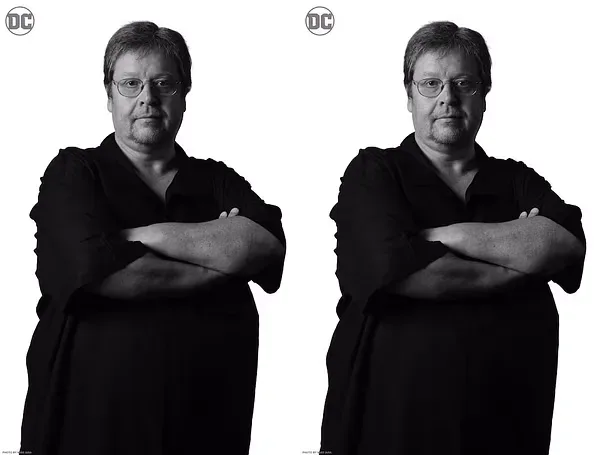
For readers interested in how Gotham’s broader comics line is marking creative legacies, DC has also recently used tribute pages in its releases, as covered in this look at the Gerry Conway tributes. Creation credits and acknowledgements serve a different purpose, but both reflect how comic books preserve authorship and history inside a continuing shared universe.
The immediate practical takeaway for readers
If Rhetoric’s early buzz has prompted interest, the most useful move is straightforward: put Detective Comics #1113 on the reading list and approach it as a character introduction rather than as a fully mapped franchise event. The debut will provide the evidence that a headline and a name cannot: personality, stakes, method, visual design, and the tone of the Batman/Rhetoric conflict.
Collectors should be equally careful about distinguishing attention from proof of lasting demand. The available information supports that Rhetoric has become a notable point of reader discussion; it does not establish print-run details, variant-cover information, scarcity, resale values, or a confirmed long-term role. Those are separate questions, and none should be inferred from early interest alone.
For Batman fans, that uncertainty is part of the appeal. Gotham is a setting where fresh enemies can arrive carrying a single provocative concept and quickly become something richer—or disappear after serving one story’s needs. Rhetoric’s name and placement in Detective Comics #1113 have ensured a spotlight. What happens next depends on the character’s actual debut.