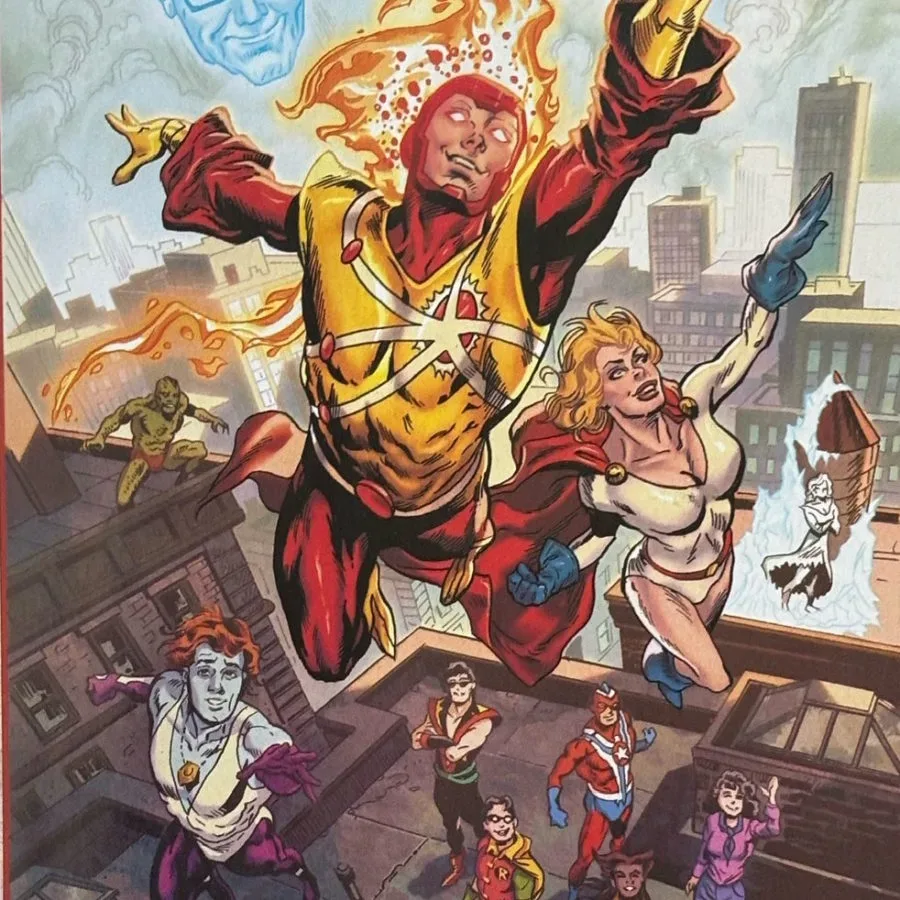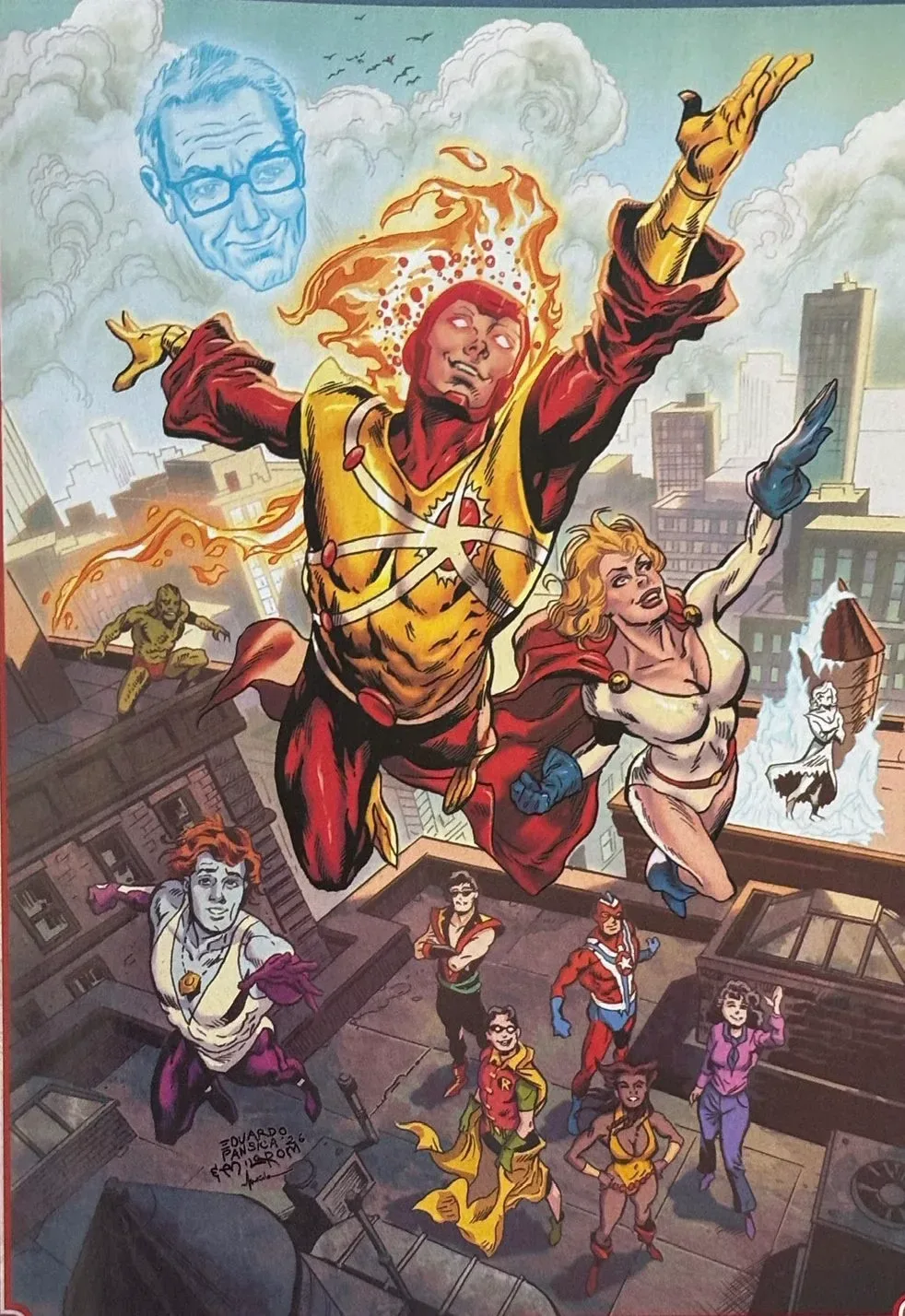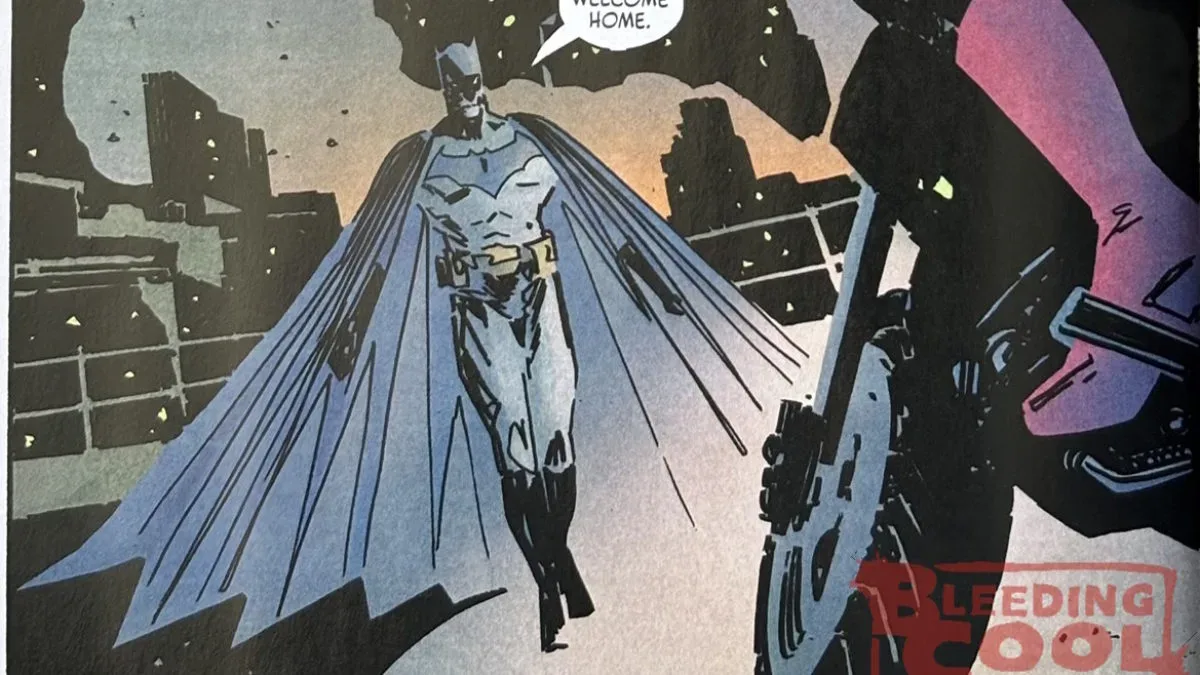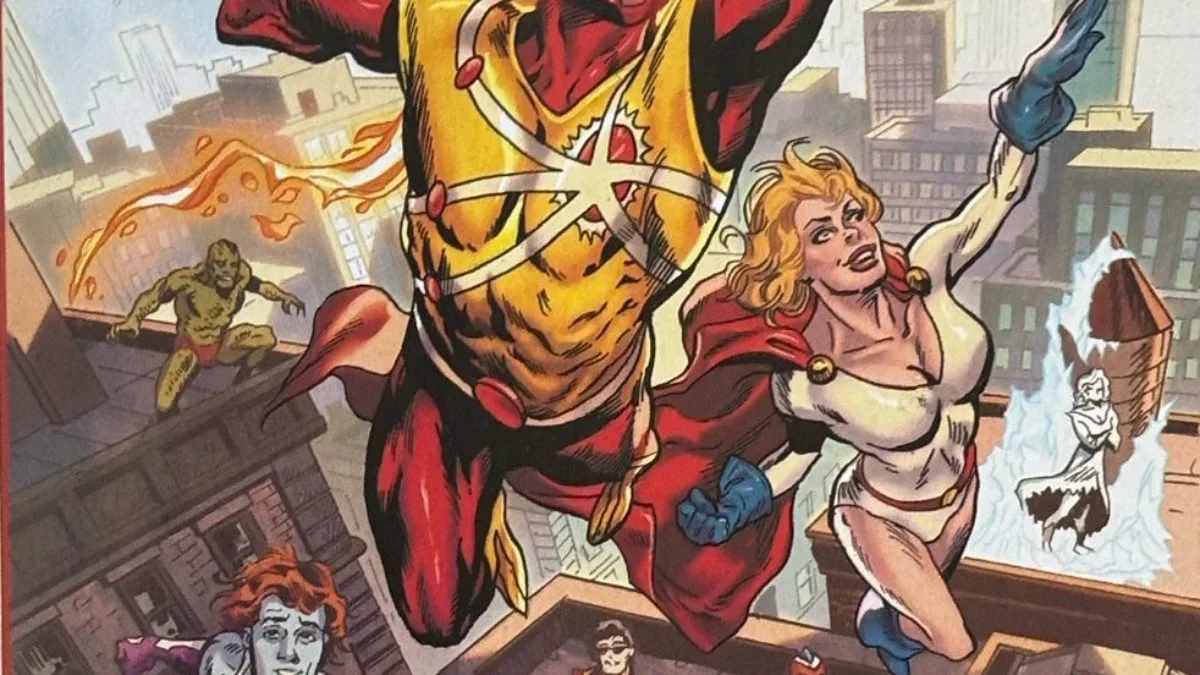
DC Comics is paying tribute to writer and creator Gerry Conway in this week’s comic books. The memorial material pairs artwork by Eduardo Pansica, Al Milgrom and Marcelo Maiolo with characters closely associated with Conway’s work, alongside remembrances from fellow comics professionals Jeff Lemire, Paul Levitz, Gail Simone and M. Christine Valada.
Conway died in April at age 73. The tribute is a compact reminder of an unusually broad body of work: characters who became central to DC’s superhero fiction, major series featuring its most recognizable heroes, and a landmark crossover that put Superman and Spider-Man in the same story. For readers opening a new release this week, it is also a moment of recognition for the creators whose names may be less visible than the characters they helped make enduring.
A legacy spread across the DC Universe
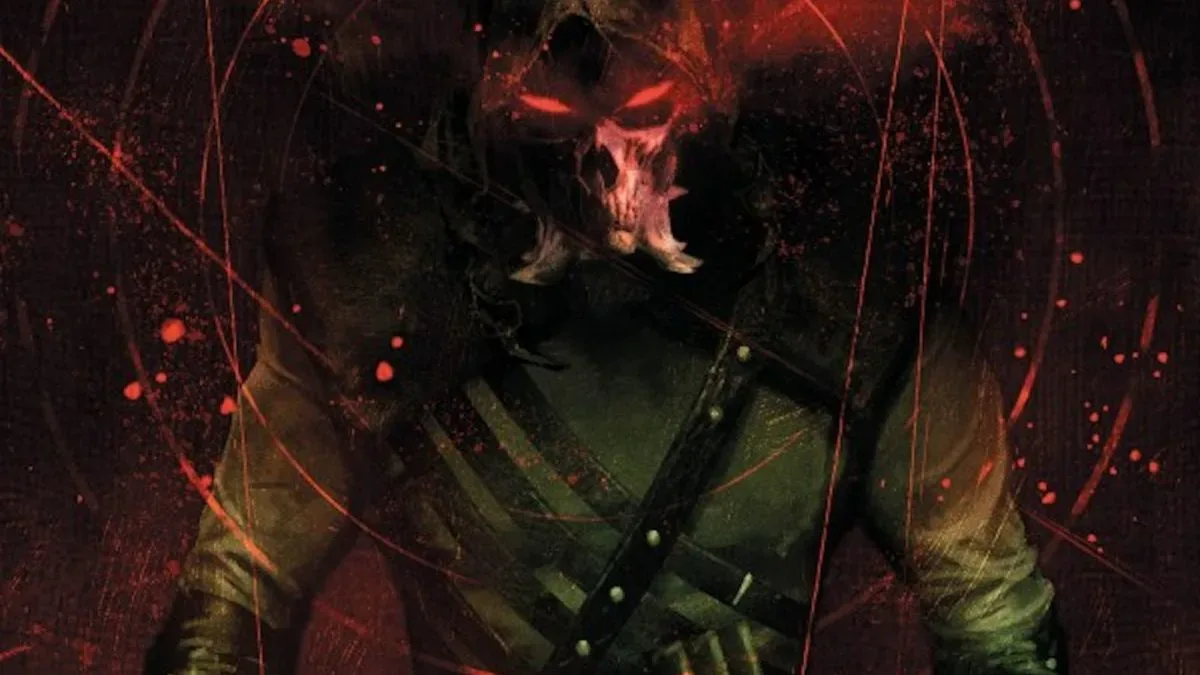
At DC, Conway co-created Firestorm, Power Girl, Jason Todd, Vixen, Killer Croc, Killer Frost, the second Thinker, Weasel, Atari Force, Baron Blitzkrieg, Commander Steel and Felicity Smoak, among others. That is a strikingly varied list. It includes heroes, villains, supporting players and identities that belong to distinct corners of a shared fictional universe.
Jason Todd is especially notable because he is identified as the second Robin: not simply a newly introduced hero, but a successor taking up one of comics’ most recognizable roles. Power Girl is another prominent example of how a character can sit within DC’s expansive superhero mythology while retaining a powerful individual identity. Firestorm, meanwhile, became important enough to later attract The Fury of Firestorm, a title referenced in Lemire’s tribute.
Conway’s credited writing assignments also included Justice League of America, Batman, Superman and Swamp Thing. Those titles illustrate the scale of his DC contribution. A superhero line is not sustained solely by the invention of new faces; it also depends on writers who can return to established icons and make their conflicts, relationships and larger world feel alive from issue to issue. Conway worked on both sides of that equation.
What “co-created” means in this context
In comics, a co-creation credit recognizes that a character emerged through the contributions of more than one creator. The supplied tribute details Conway’s role without assigning every character to a single individual or attempting to reduce creative work to one name. That distinction matters. Comics are collaborative by nature, combining writing, penciling, inking, coloring, lettering and editorial work. Yet a tribute centered on Conway appropriately highlights the scope of the ideas and stories connected to him.
The featured art team reinforces that collaborative tradition. Pansica, Milgrom and Maiolo are contributing a visual commemoration built around Conway-associated characters, rather than treating the tribute as text alone. In a medium where characters persist through continually changing creative teams, an image can connect decades of stories and generations of readers particularly efficiently.
Creators remember a writer who made characters matter
Jeff Lemire described Conway as “a comics giant” whose characters and stories will continue to inspire creators and readers. It is a straightforward assessment of longevity: the point is not merely that Conway added to a catalogue, but that his contributions remain usable, readable and meaningful after their initial publication.
“Gerry Conway was a comics giant who left an incredible legacy of characters and stories behind that will be inspiring creators and readers for generations to come.” — Jeff Lemire
Levitz emphasized both volume and permanence, citing Conway’s contribution of stories to the DC Universe and his many lasting heroes and villains. He also pointed to Conway’s work on the first Superman/Spider-Man story and his years writing Justice League. That reflection puts two complementary parts of Conway’s career in focus: work that deepened one publisher’s mythology, and work that helped make a rare meeting between separate superhero continuities possible.
“Few writers in our generation have contributed more stories to the DC Universe, or crafted as many enduring new heroes or villains.” — Paul Levitz
Simone’s remembrance is more personal. She recalled that Conway created characters she cared about when she was a young reader, and said his work helped make her want not only to keep reading comics but to write them. It is an important measure of influence because it describes a creative chain: stories connect with readers, some readers become creators, and those creators then shape the medium for the next audience.
“He made me want to read comics, but more than that, he made me want to write comics.” — Gail Simone
Valada’s tribute remembers Conway as a person as well as a professional. She wrote that he delivered a touching and funny eulogy for Len Wein, and noted that Conway met his final months with humor and with the knowledge that he was loved. Her comments give the memorial a human dimension beyond credits, characters and publishing history.
The Superman and Spider-Man connection
Conway also wrote Superman vs. the Amazing Spider-Man, described here as the first Marvel/DC superhero crossover. A crossover is a story that brings characters or settings from otherwise separate properties together. In this case, it joined Superman and Spider-Man, signature heroes associated with different publishers.
That fact is significant because it represents a different kind of comic-book craft from writing within one ongoing universe. A shared-universe series can draw on an established internal history and a common editorial framework. A crossover has to provide a credible encounter between characters with separate histories and identities. The tribute’s inclusion of the project recognizes Conway’s place in both DC’s internal storytelling and a wider landmark of superhero publishing.
For a related look at another comic-book story drawing attention around video buzz, cover interest and adaptation speculation, see this overview of the current comic heat around Nonplayer #1.
Why a publisher-wide tribute has weight
A tribute page placed in current releases meets readers where comic-book culture still happens: inside individual issues. That format is different from a retrospective collection or a separate statement. It gives readers who may have arrived for Batman, Superman or another ongoing title a direct prompt to recognize the writer behind characters and narratives that have become part of the wider DC fabric.
The selection of people offering reflections also maps Conway’s influence across several perspectives. Lemire speaks as a writer of a Firestorm title. Levitz speaks as a former DC Comics president and a longtime comics creator. Simone speaks as a creator whose own reading experience was shaped by Conway’s characters. Valada offers memories rooted in friendship and the professional community surrounding Len Wein. Together, those responses do not try to define Conway through one accomplishment. They present him as a consequential writer, a source of creative inspiration and a valued colleague.
Characters outlast individual runs
Superhero comics often work through continuity: the ongoing, interconnected history created as characters return in new stories. In practical terms, that means a new character can remain part of the world long after the original creative team has moved to other work. Conway’s list of co-creations demonstrates the upside of that structure. Firestorm, Power Girl, Vixen, Jason Todd, Killer Croc and Killer Frost are names with immediate meaning to many DC readers, even when those readers first encounter them in stories made years after their debuts.
That continuing visibility can obscure the people who originated or defined key elements. Memorial pages such as DC’s serve as a corrective. They make authorship visible without suggesting that a shared fictional universe belongs to only one person. Conway’s work helped furnish that universe with characters, stories and possibilities that subsequent teams could revisit.
A fitting focus on the work and the person
The week’s tribute centers on Conway’s creative legacy while allowing the accompanying testimonials to speak in their own registers. Lemire looks toward future readers and creators. Levitz identifies the scale of Conway’s impact on DC mythology and crossover history. Simone traces the effect of the work on a reader who became a writer. Valada recalls compassion, humor and a memorable act of friendship.
For comics readers, the essential takeaway is clear: Conway’s name is tied to a substantial range of DC characters and series, from Firestorm and Vixen to Batman, Superman and Justice League of America. This week’s pages put that contribution in front of the contemporary audience that continues to read stories in the universe he helped shape.