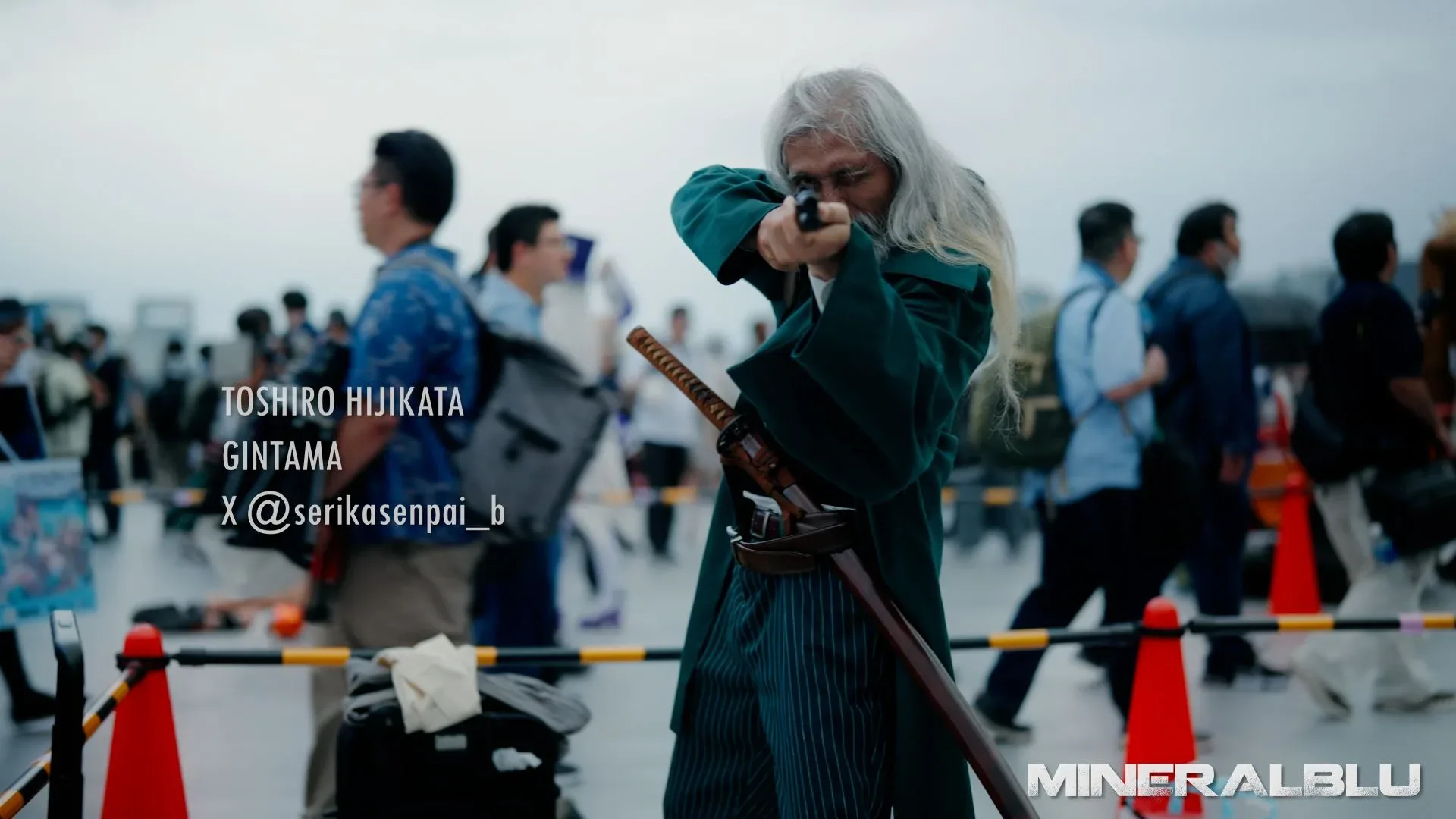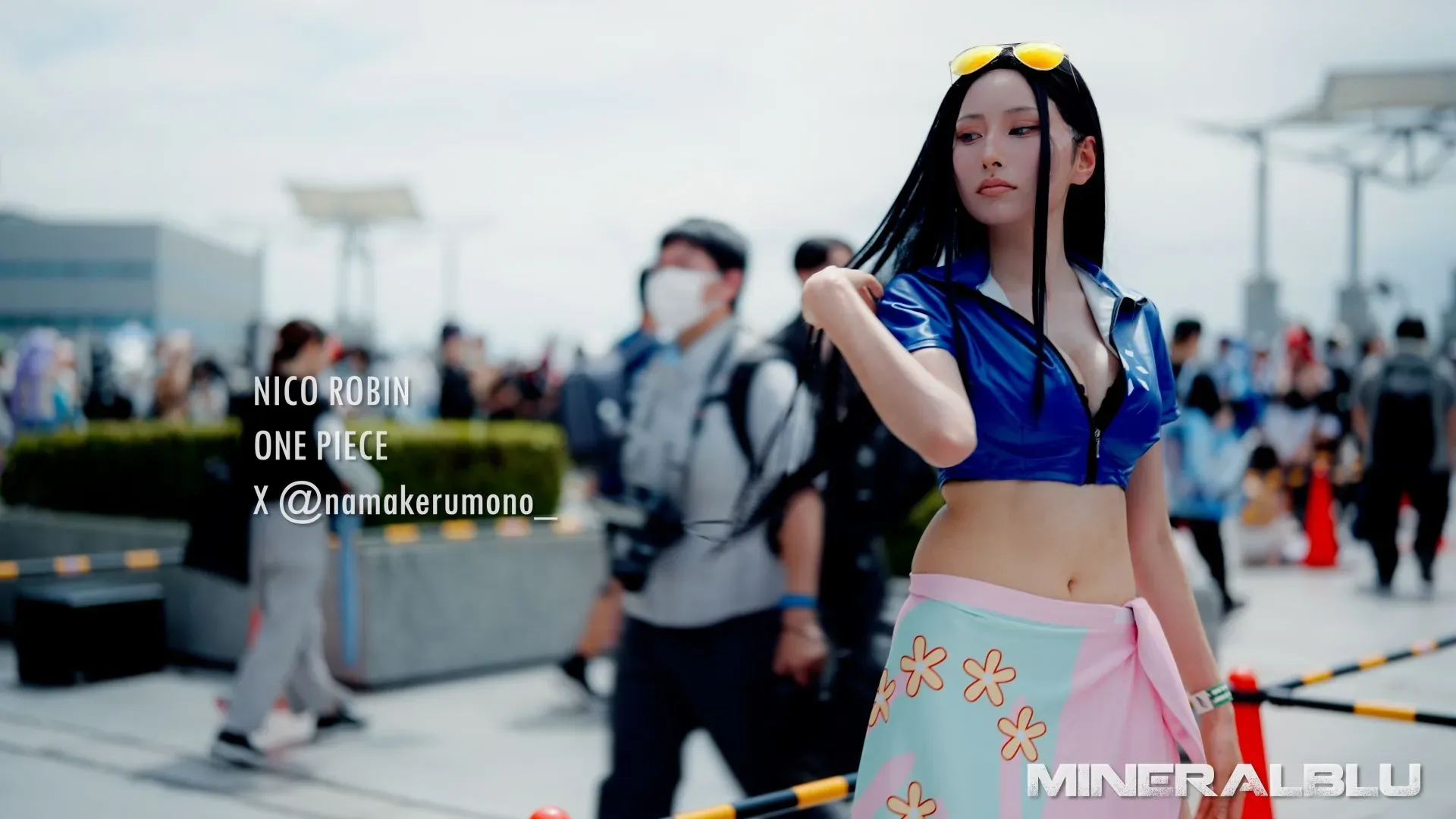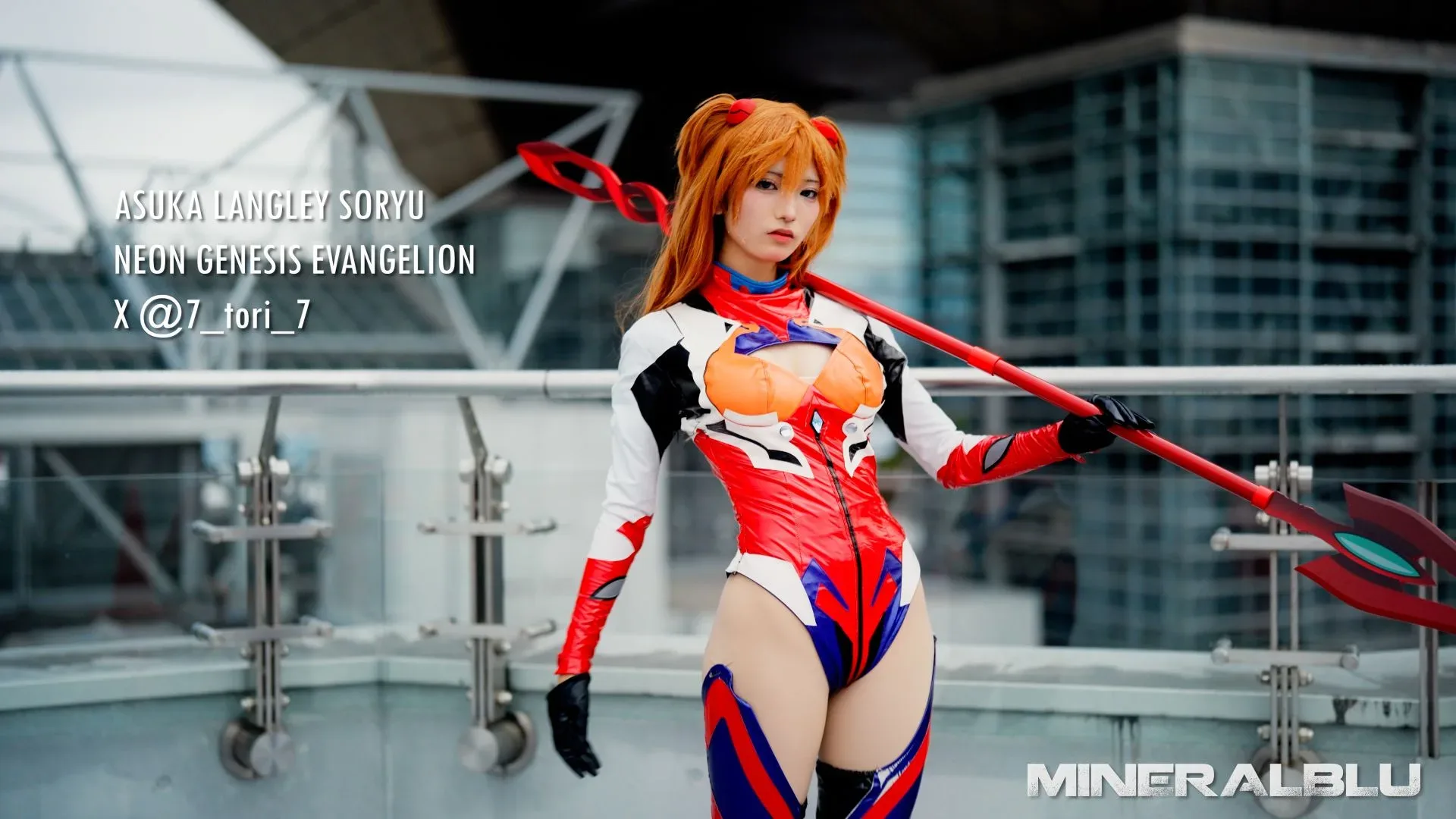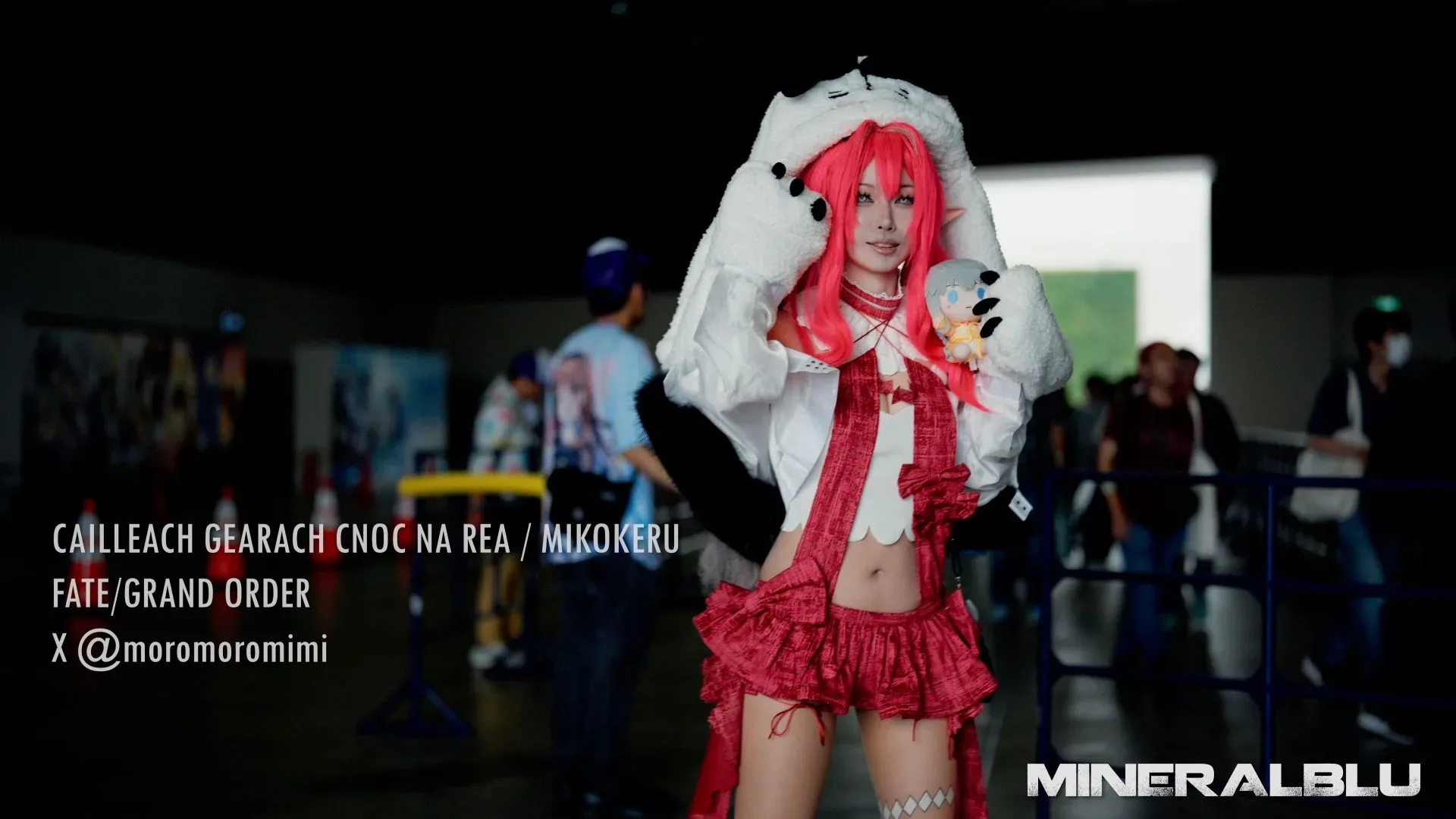
Comiket is foremost a Tokyo gathering built around doujinshi: self-published manga, novels and magazines. Yet the convention’s scale also makes it a major stage for cosplay, where characters from games, anime, manga, television and comics can share the same floor without feeling remotely out of place.
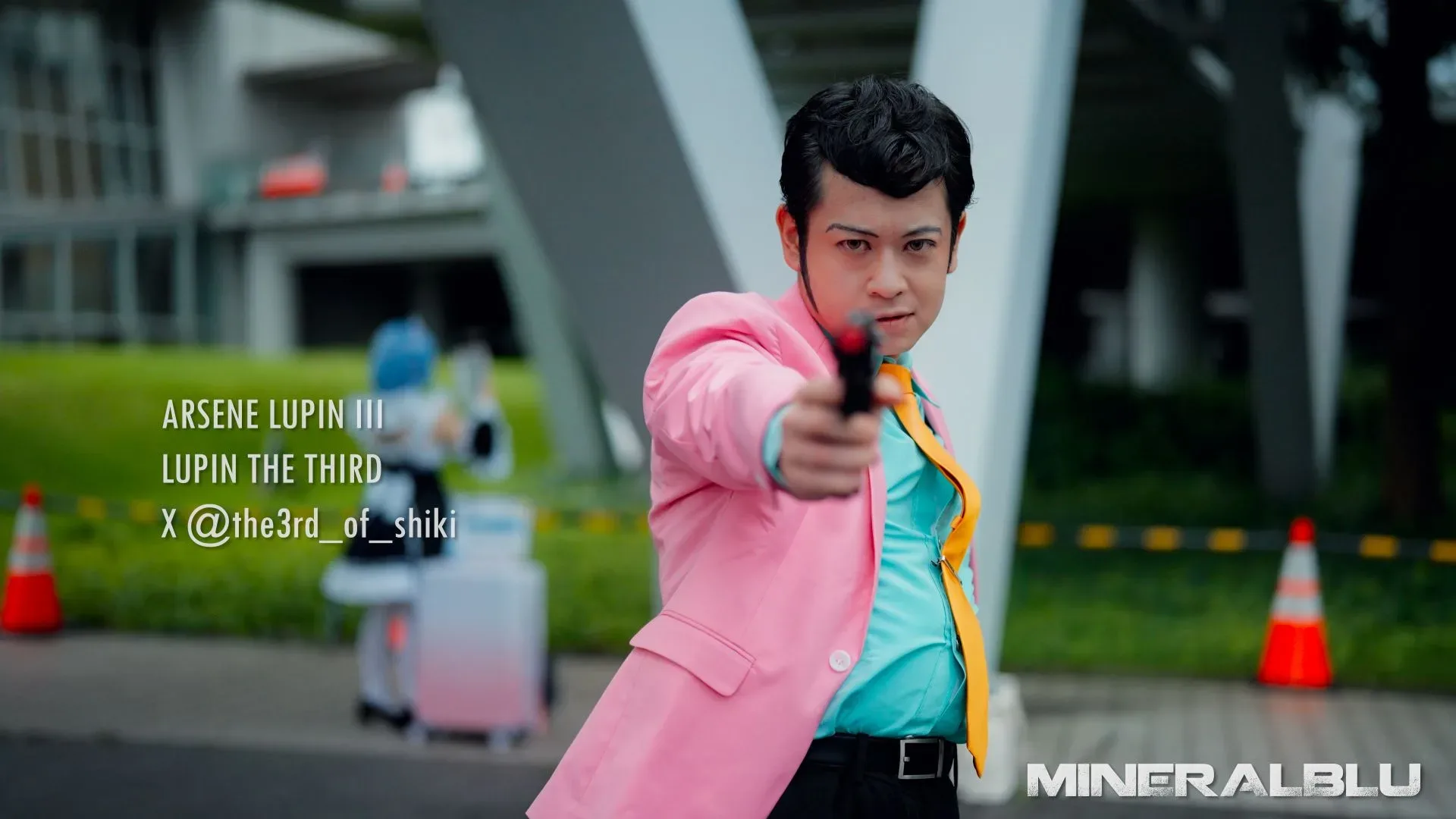
A new selection of 18 costumes illustrates that breadth especially well. There are instantly recognizable figures including Arsène Lupin III, Nico Robin, Asuka Langley Soryu, Lum Invader and Deadpool. Alongside them are choices that speak directly to the current games audience: Juri Han from Street Fighter, Kazuma Kiryu from Yakuza, Nicole Demara from Zenless Zone Zero, Sparxie/Hibana from Honkai: Star Rail, a League of Legends look, and Cnoc na Riabh Yaraan-doo from Fate/Grand Order.
The result is less a single-franchise showcase than a snapshot of how fan creativity travels between mediums. Comiket’s publishing-centered identity matters here. A convention dedicated to independently made work naturally brings together people whose interests may begin with a game, anime series or comic, then extend into costume-making, illustration, photography and self-published projects.
A convention of enormous scale, still rebuilding its crowd
Comiket is held twice a year and is described as Japan’s largest convention of its kind among thousands of doujinshi events. Its attendance history explains why a cosplay gallery from the show can encompass such a wide range of fandoms.
For more context, explore Samsung Galaxy Watch 8 40mm Bluetooth Is Listed at $260 in a Limited-Time Deal.
Before the pandemic disruption, its summer and winter events drew 730,000 and 750,000 attendees in 2019. The 2020 event was cancelled. The smaller 2021 gatherings reached a high point of 170,000 attendees, a sharp indication of the effect COVID-era limitations had on an event designed around immense in-person crowds.
Attendance rose to 300,000 in 2025. That is not a return to the highest pre-pandemic totals, but it establishes a substantial recovery in the physical scale of the convention. The available information suggests 2026 could be higher again, though no definitive attendance figure is established here.
Those numbers are useful context rather than a scoreboard. At an event this large, cosplay is not merely a side attraction or an isolated competition category. It becomes one of the clearest visual languages for attendees finding one another across very different interests. A fan may not know every character in a row of costumes, but the craft, silhouette and recognizable color choices provide an immediate point of connection.
Doujinshi and cosplay: related forms of fan expression
Doujinshi is often used to describe self-published comics, but the term in this context encompasses self-published manga, novels and magazines. The important practical distinction is that Comiket is rooted in creators distributing independently made printed work. Cosplay operates differently: the creative output is wearable rather than published. Both, however, ask fans to interpret a character or world through their own work.
That shared act of interpretation helps explain the convention fit. A costume might prioritize accurate clothing construction, a character’s posture, a prop or a highly specific version of their design. A doujinshi creator may emphasize a story, relationship, alternate scene or visual style. Neither is a replacement for the original game or series. They are distinct fan-made responses to it.
It also means that “cosplay” should not be reduced to simply wearing a recognizable outfit. The term combines “costume” and “play,” but the latter does not require a theatrical performance. In a convention setting it can mean embodying a character for photographs, choosing a deliberate expression or pose, or using accessories and details that communicate a particular version of that character. Some costumes are built around famous leads; others reward viewers who know the exact game, arc or adaptation being referenced.
The 18 featured characters, across mediums
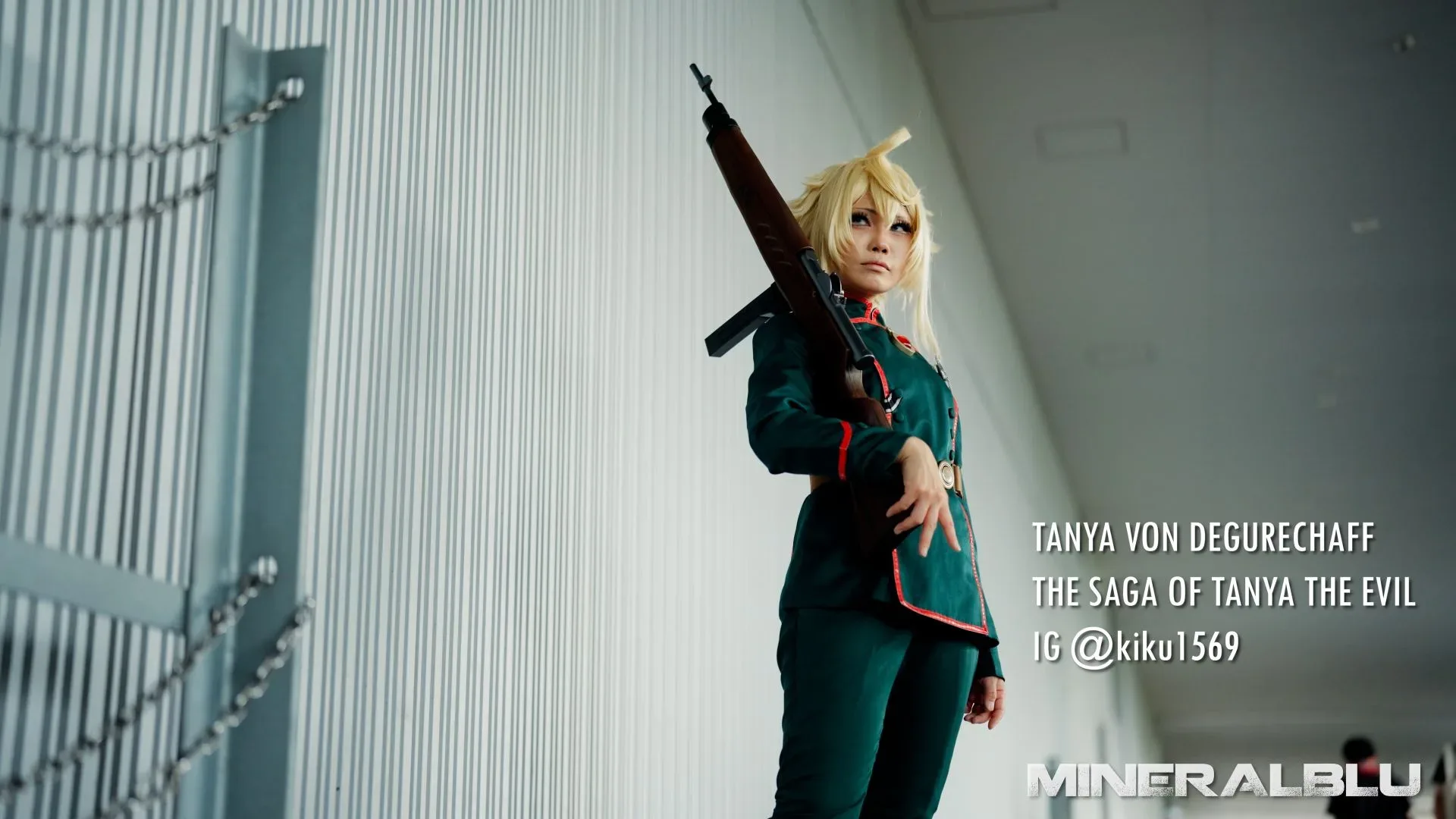
The list’s strongest quality is its range. Anime and manga are understandably prominent given Comiket’s focus on fiction and self-publishing. Lupin the Third, Gintama, One Piece, Neon Genesis Evangelion, The Saga of Tanya the Evil, Jujutsu Kaisen, Call of the Night, Blue Archive, Urusei Yatsura and JoJo’s Bizarre Adventure all appear in the selection.
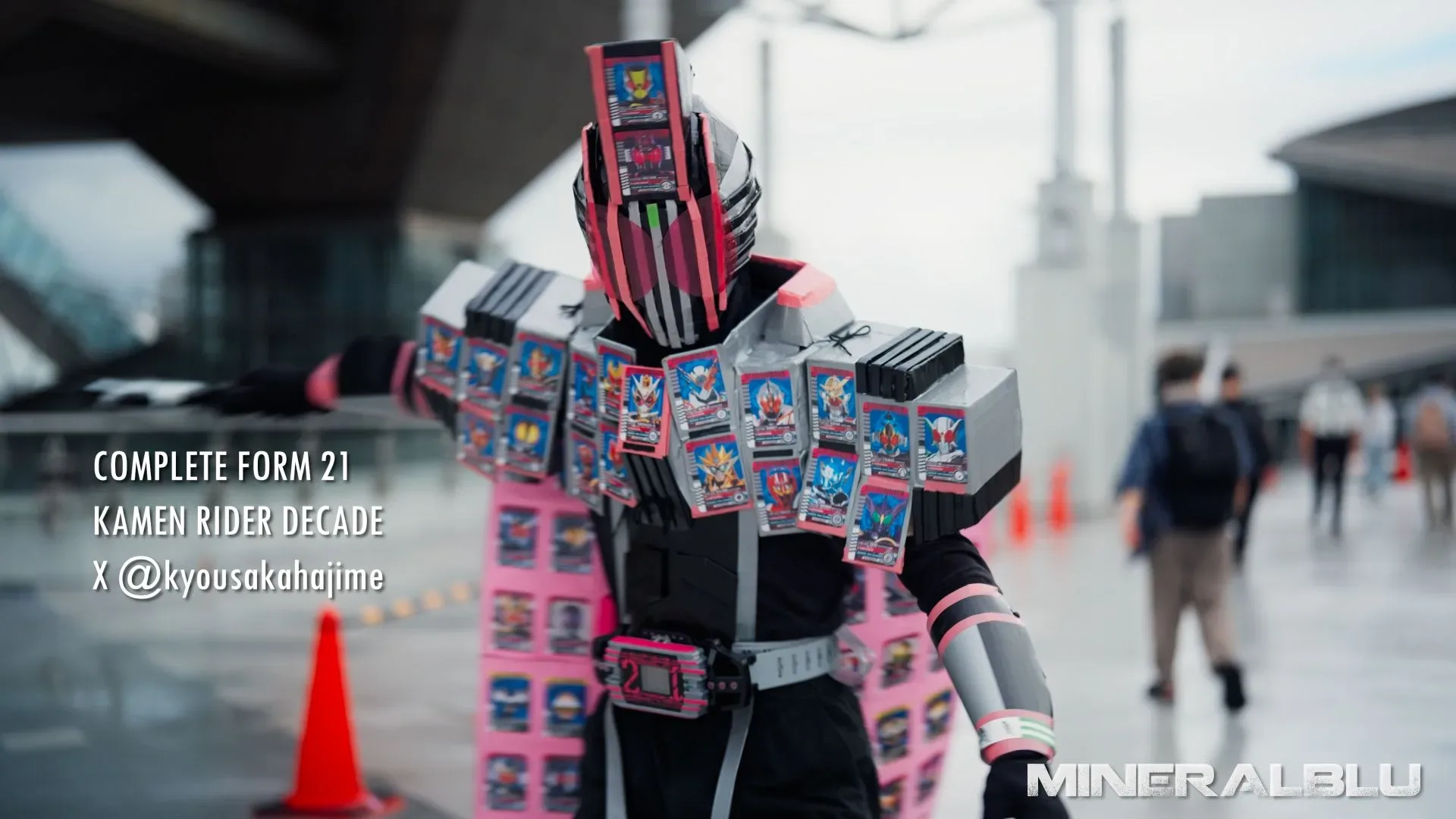
That lineup includes Arsène Lupin III, Toshiro Hijikata, Nico Robin, Asuka Langley Soryu, Tanya Von Degurechaff, Reggie Star, Nazuna Nanakusa, Kisaki, Lum Invader and Narancia Ghirga. It also includes Complete Form 21 from Kamen Rider Decade, bringing tokusatsu—the Japanese tradition of live-action, effects-driven hero programming—into the mix.
Deadpool stands apart as a comic-book character amid predominantly Japanese works. Its presence is a useful reminder that convention cosplay does not observe hard borders between national industries or formats. The specific combination represented at Comiket leans heavily toward anime and manga, but the floor still leaves room for superhero fiction and games.
What the game choices say about cosplay’s current overlap
For gaming readers, the selection is notable because it covers several distinct corners of the medium rather than clustering around one release or platform. Street Fighter contributes Juri Han, a character from one of gaming’s most established fighting franchises. Yakuza contributes Kazuma Kiryu, a central figure from a series whose identity rests as much on personality and dramatic presentation as it does on action.
Meanwhile, Honkai: Star Rail and Zenless Zone Zero represent HoYoverse titles. Sparxie/Hibana and Nicole Demara place those games in the same visual conversation as much older anime and manga properties. League of Legends adds another globally known game universe, while Fate/Grand Order is a reminder that a franchise can readily occupy both gaming and broader pop-culture spaces.
Cosplay is particularly suited to character-forward games because game designs often communicate identity immediately: a distinct hairstyle, jacket, weapon, palette or stance can make a costume legible at a glance. That is an observation about design rather than a claim that every game character is easy to recreate. In fact, elaborate accessories, unusual materials and small details can make an accurate rendition demanding. But clear visual identity gives makers a strong blueprint and gives fellow attendees something to recognize.
The Comiket selection also avoids treating games as separate from the anime-influenced visual culture around them. In practice, fans may follow games, animation, manga and mobile titles simultaneously. A person attending for doujinshi can be interested in a fighter, an open-world crime drama, a science-fiction RPG and a supernatural comic series all at once. The costumes make that overlapping audience visible.
Why representation matters more than a simple character count
It would be easy to reduce the gallery to a checklist of 18 franchises. That misses the point of a convention floor. The characters included range from household names to selections that likely carry greater weight for dedicated fans. The value of such variety is that it permits multiple entry points: someone can recognize Asuka or Deadpool immediately, while another attendee may be drawn to a more specific reference from Fate/Grand Order, Blue Archive or Honkai: Star Rail.
This is especially meaningful at a gathering whose central purpose is independent publishing. Fan communities do not only form around the biggest properties. They develop through niche preferences, favorite characters, particular story versions and the joy of seeing someone else understand a reference. A broader cosplay spread reflects that layered audience better than a gallery built solely from the most universally recognizable names.
There is a practical takeaway for people following game culture from afar, too. Convention cosplay can function as an informal visibility signal: not a sales chart, not a review score, and not proof of a particular title’s commercial standing, but evidence that particular characters have become meaningful enough for fans to interpret publicly. It is one view of cultural reach, and it should be read cautiously. A curated group of costumes cannot measure an entire community. Still, it captures the personal investment behind character design in a way metrics cannot.
Comiket’s continuing role as a meeting point
Comiket’s attendance recovery adds weight to this particular moment. After cancellation in 2020 and smaller events in 2021, the rise to 300,000 attendees in 2025 shows a convention community regaining space for large-scale, in-person exchange. The possibility of a higher 2026 total points in the same direction, while remaining just that: a possibility until a final figure is known.
The costume roster demonstrates why the event’s appeal extends beyond any one category of media. Lupin, Evangelion, Kamen Rider, One Piece, JoJo, Street Fighter, Yakuza, League of Legends, Honkai: Star Rail and Zenless Zone Zero do not need to compete for ownership of the floor. At Comiket, they can coexist as different expressions of the same participatory fan culture.
For games, that is the lasting significance of the collection. Characters do not stop at the edge of their original platforms. They become drawings, stories, conversations and, in this case, carefully realized physical interpretations among an enormous crowd built around making and sharing fan work.