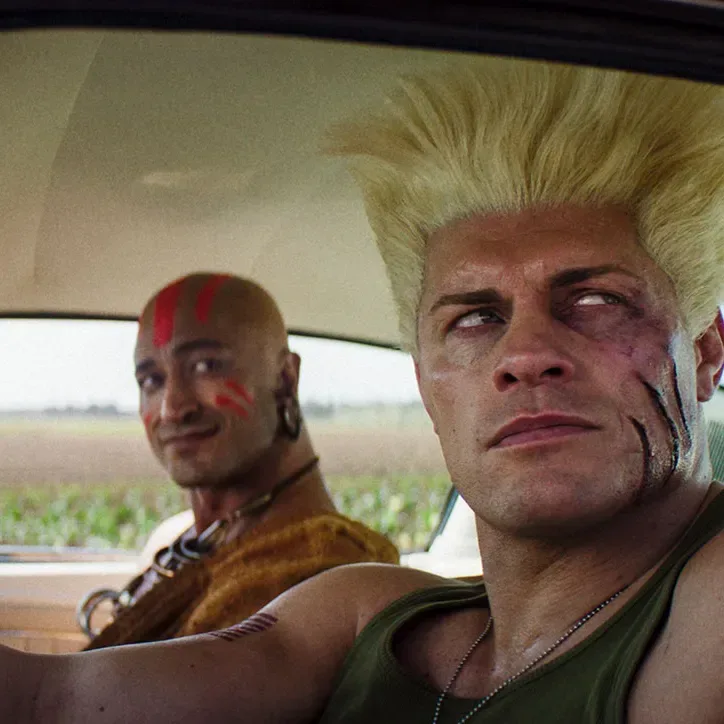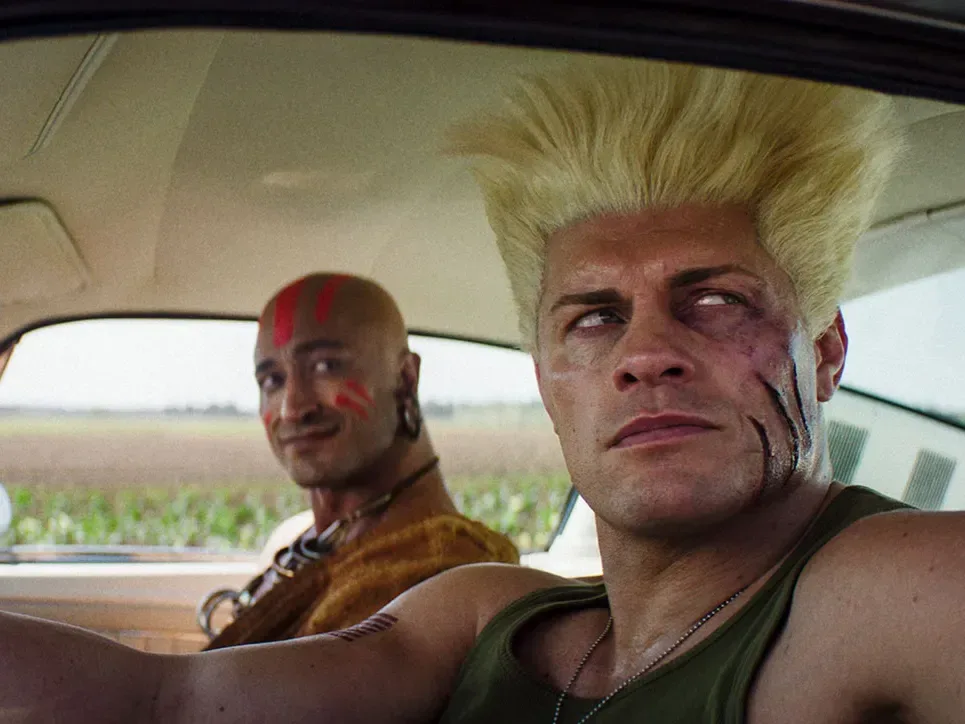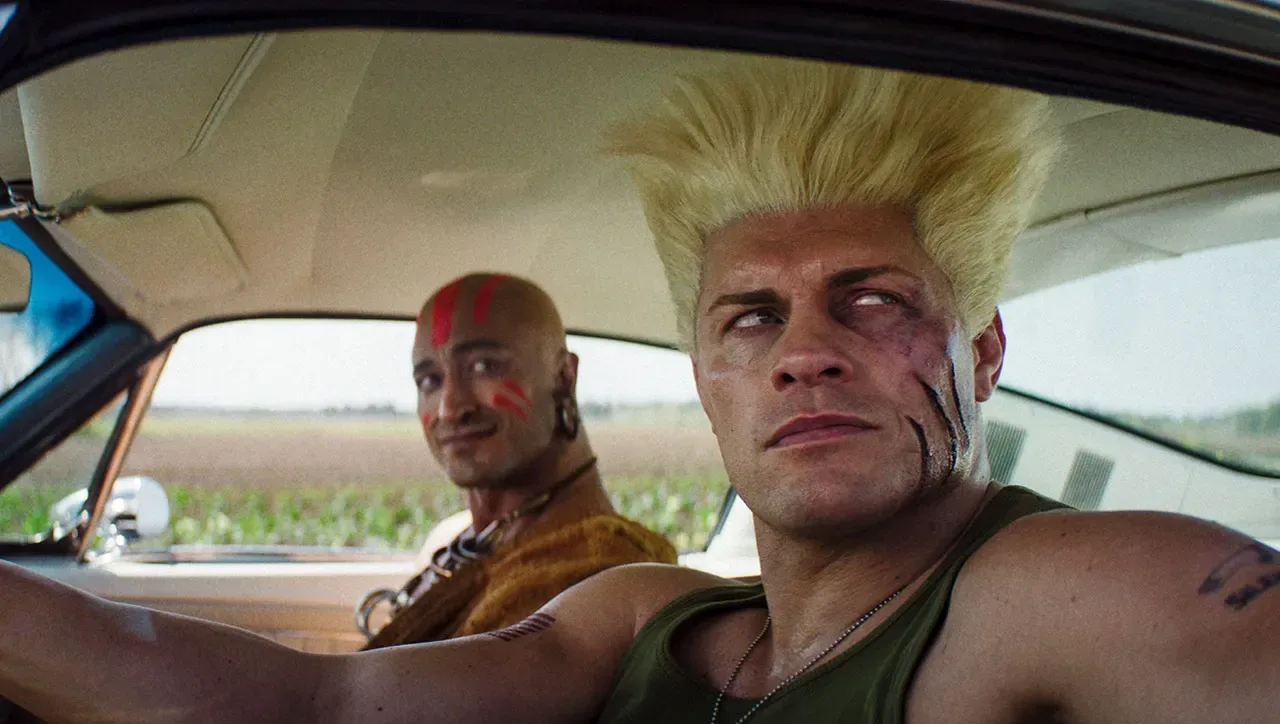
The 2026 Street Fighter movie may have been built with more than one round in mind. Olivier Richters, who plays Zangief, said in an October 25 YouTube comment that the cast signed agreements covering three movies. If accurate, that would provide a useful explanation for why the first film introduces so many familiar fighters, gives some of them relatively brief moments, and ends with clear room for a continuation.
It is important to separate what has been claimed from what has actually been announced. Richters’ comment points to a three-film contractual plan, not to a confirmed second or third movie. A cast option or multi-picture agreement can make future installments easier to assemble if they happen; it does not obligate a studio to put those installments into production. At present, the reported trilogy plan should be read as evidence of ambition and preparation, rather than a formal sequel greenlight.
Zangief’s limited role appears to have been deliberate
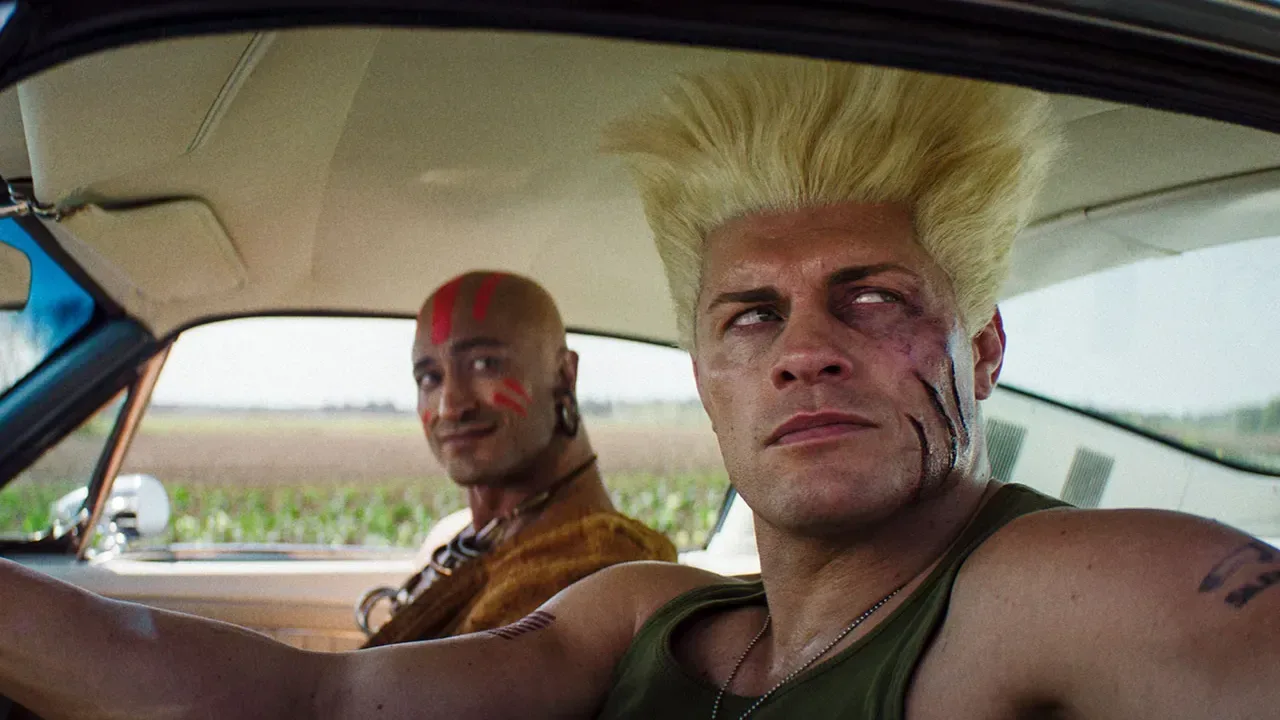
Richters addressed the subject while responding to a fan who wanted more of Zangief, the towering wrestler also known as the Red Cyclone. He said the character’s smaller role was intentional: the idea was to establish Zangief’s presence and power, then give audiences a reason to want a future appearance in which he has more space to stand out.
That description aligns with the Zangief material that made it into the film. He appears when Chun-Li invites him to the second World Warrior tournament, and later joins the action in a club fight involving Ken and other characters. The latter sequence reportedly leans heavily on attacks recognizable from the games, while his finishing move was achieved practically rather than solely through digital effects.
For a fighting-game adaptation, that kind of selective use can be a calculated choice. These games bring with them a large roster, individual move sets, rivalries, tournament stakes, and fan expectations around costumes and personality. A two-hour ensemble movie cannot necessarily give every combatant a fully developed arc without losing its own momentum. The tradeoff is obvious, though: a cameo that works as a tease can also feel like an omission to viewers who bought a ticket hoping to see a favorite fighter compete at length.
Richters’ explanation effectively frames Zangief as a character being held in reserve. It is a familiar franchise-building approach, but one that comes with a condition: audiences must receive the later chapter that makes the initial restraint feel worthwhile.
What a three-film deal would—and would not—mean
Multi-film cast agreements are often confused with production commitments. They are not the same thing. In broad terms, such deals can help a studio preserve continuity by establishing the terms under which performers could return. They can also reduce uncertainty if a first film succeeds and a follow-up moves quickly. But the practical next step still depends on the decision to finance, develop, and schedule another movie.
That distinction matters especially here because Street Fighter ends abruptly and includes a post-credits setup pointing toward a direct continuation. The first movie plainly leaves story material for later rather than tying up every thread in a self-contained fashion. A possible trilogy arrangement would suggest that its creative team was thinking beyond a single outing. It does not, however, transform that setup into a guarantee.
Related coverage includes Street Fighter Movie Cast Reportedly Signed for Three Films, Zangief Actor Says.
The reported plan also helps explain a central audience reaction: viewers have wanted to see more of both Zangief and the World Warrior tournament itself. The tournament is not a minor detail in the premise. It is a natural structure for bringing combatants together, creating matchups, and letting different fighting styles receive their moment. Holding much of that material back can be an effective way to set the table for a sequel, but it makes the sequel’s absence more conspicuous if it never arrives.
Why the ending now reads differently
Without getting into spoilers, the film’s closing material and post-credits scene position the story as a beginning rather than an endpoint. Richters’ comment gives that choice added context. Instead of interpreting the ending only as a cliffhanger designed to provoke speculation, audiences can view it as part of a broader reported plan in which the initial movie introduces a large board of characters before moving pieces around in subsequent installments.
That is also why Zangief’s scenes have attracted such attention. The character is visually distinct, physically imposing, and associated with memorable wrestling-inspired offense in the games. A practical finisher and game-faithful moves make a strong proof of concept, but they also spotlight how little of the character viewers ultimately received. His two sequences can function as an introduction; whether they become a satisfying introduction depends on what comes after.
The box-office question remains the real next round
The first Street Fighter film opened at the top of the domestic box office with $51 million. Its reported budget was about $80 million, and its worldwide gross stood at $79 million as of October 26. Those figures indicate a solid opening position relative to the film’s production budget, but they do not by themselves settle profitability or answer the sequel question.
A production budget is only one part of a movie’s financial picture. The available figures do not account for marketing expenses, the share of ticket sales retained by theaters, or revenue that may later come through streaming. As a result, comparing an $80 million reported budget directly with a $79 million worldwide gross is useful as a simple benchmark, but not as a final profit-and-loss statement.
There is still theatrical time remaining, and a future streaming run is expected. That leaves room for the movie’s overall commercial picture to change. The key point is that the reported three-film cast arrangements seem designed to support a franchise if the business case develops—not to bypass that business case.
For fans, the immediate practical implication is patience mixed with caution. The cast’s interest in returning and the sequel-ready ending give the property a visible path forward. The reported contracts could help retain familiar faces and avoid recasting if that path is taken. Yet no second film has been confirmed, and the prospect of a complete trilogy remains contingent on decisions beyond the cast’s willingness.
A larger adaptation conversation, with one very specific missing match
The cast has also expressed enthusiasm for the idea of a crossover with Mortal Kombat. That is a long-range possibility rather than a stated production plan, but it reflects how naturally fighting-game adaptations invite roster-focused speculation. Fans do not only ask whether a story will continue; they ask which characters will arrive, who will fight whom, and how faithfully signature moves will make the transition from controller inputs to the screen.
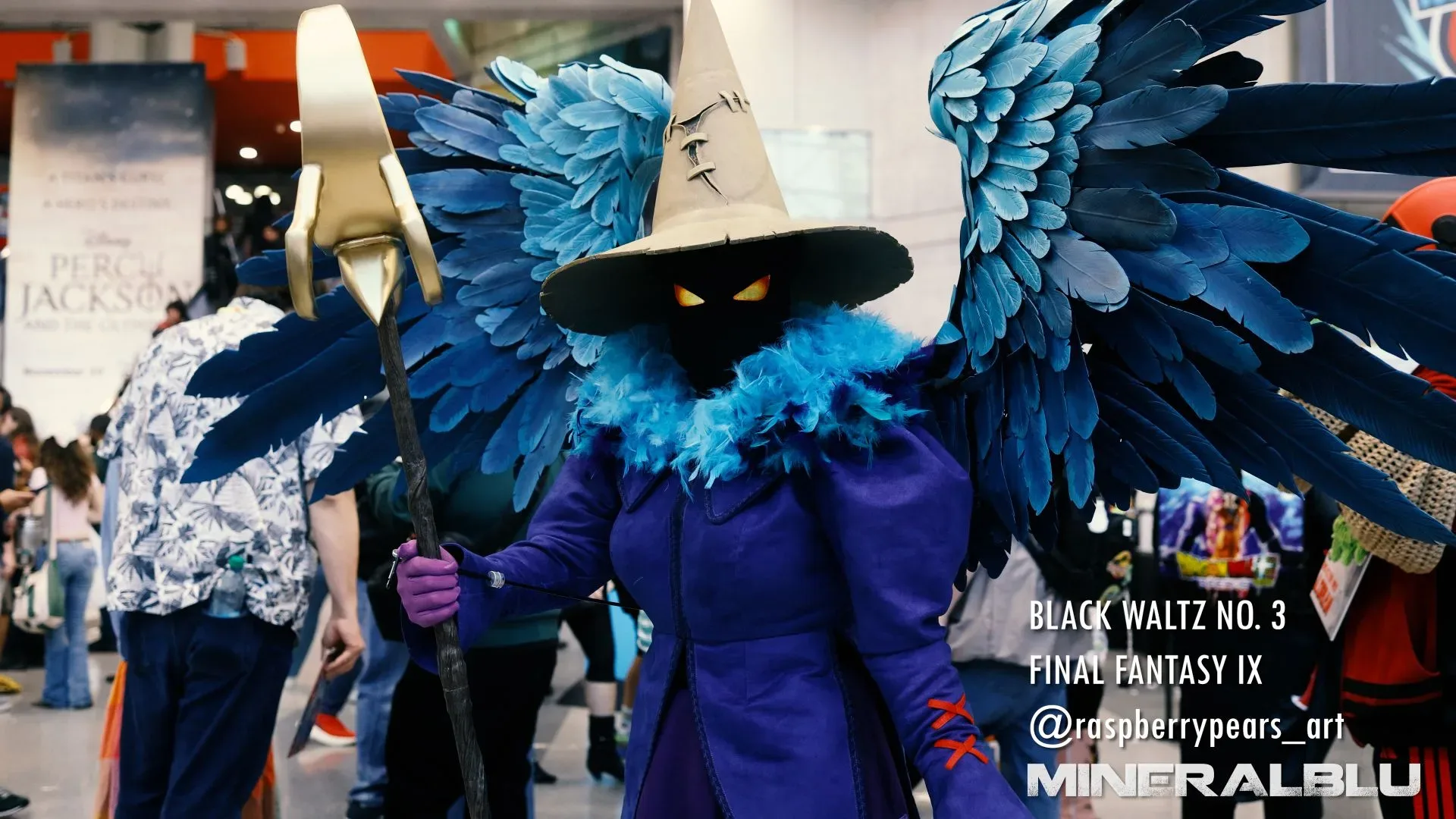
That appetite for characters and crossover imagination extends well beyond the movies themselves. At events where game icons, cosplay, kaiju, and crossover fandoms share the same space, the overlap is especially visible, as seen in New York Comic Con 2026’s cosplay highlights. For Street Fighter, however, the more immediate question is much simpler than a crossover: will the existing film get the direct sequel its final scenes appear to be requesting?
Richters’ comment does not answer that question. What it does offer is a plausible framework for the first movie’s choices. Zangief was not necessarily shortchanged by accident; by his account, he was introduced as a promise for later. The cast may be contractually positioned for three films, and the story may be structured to continue, but the next bout still needs the official bell.