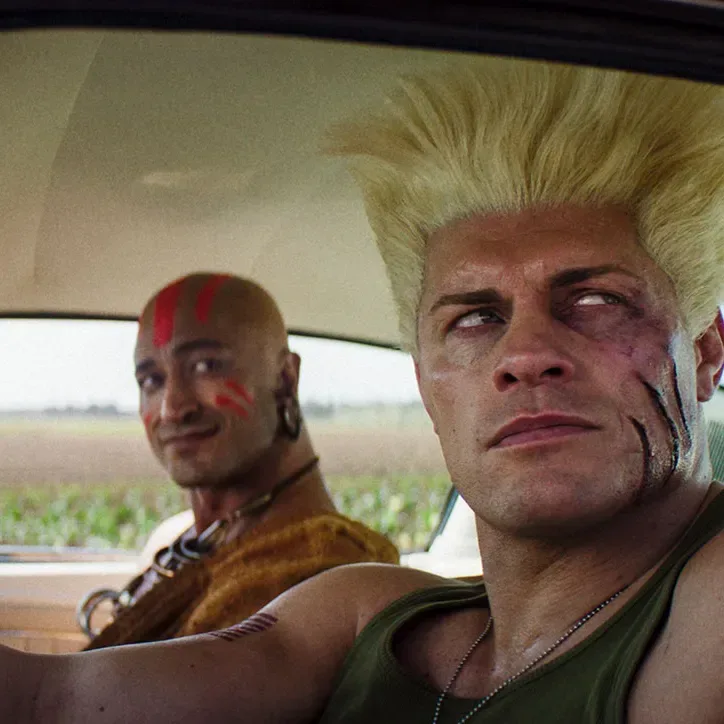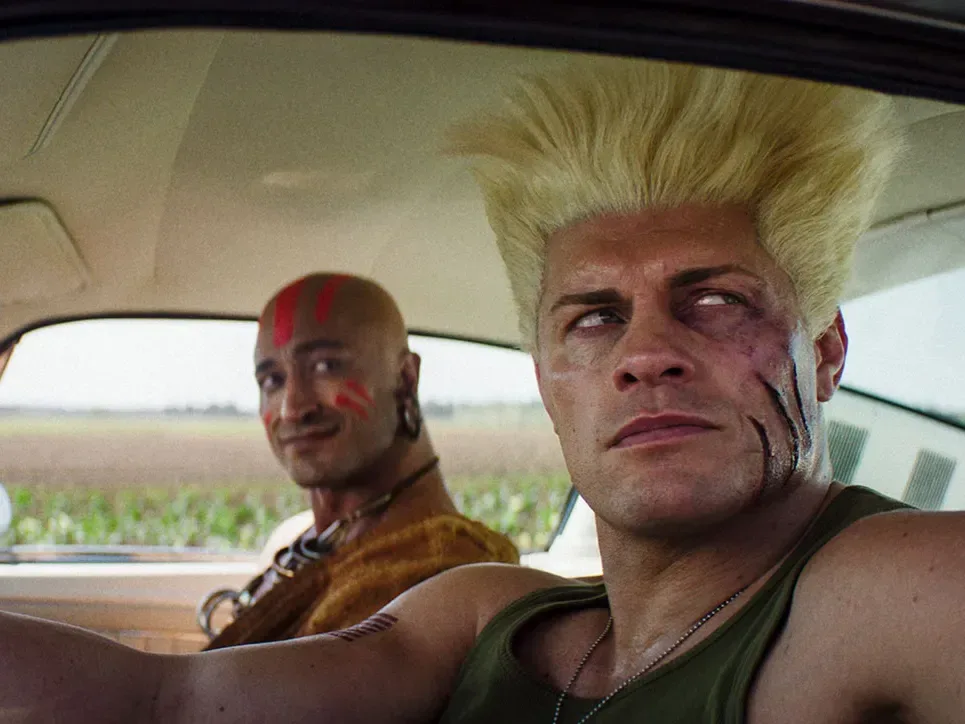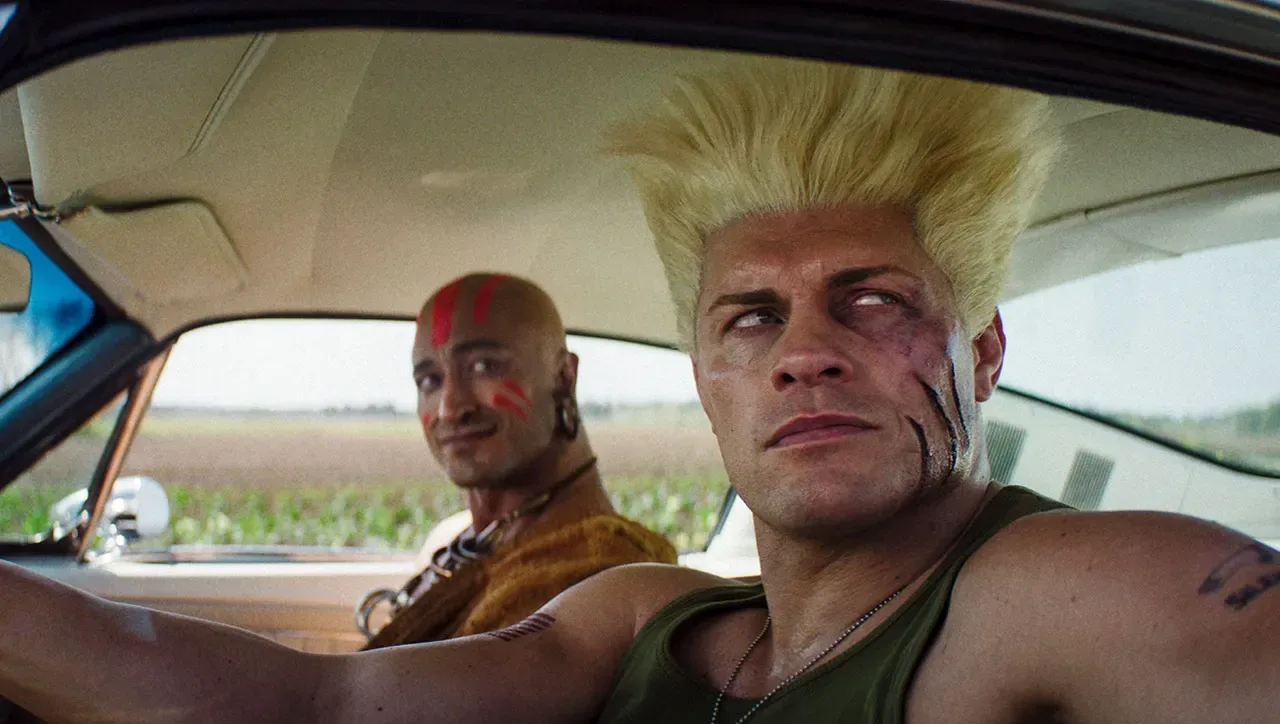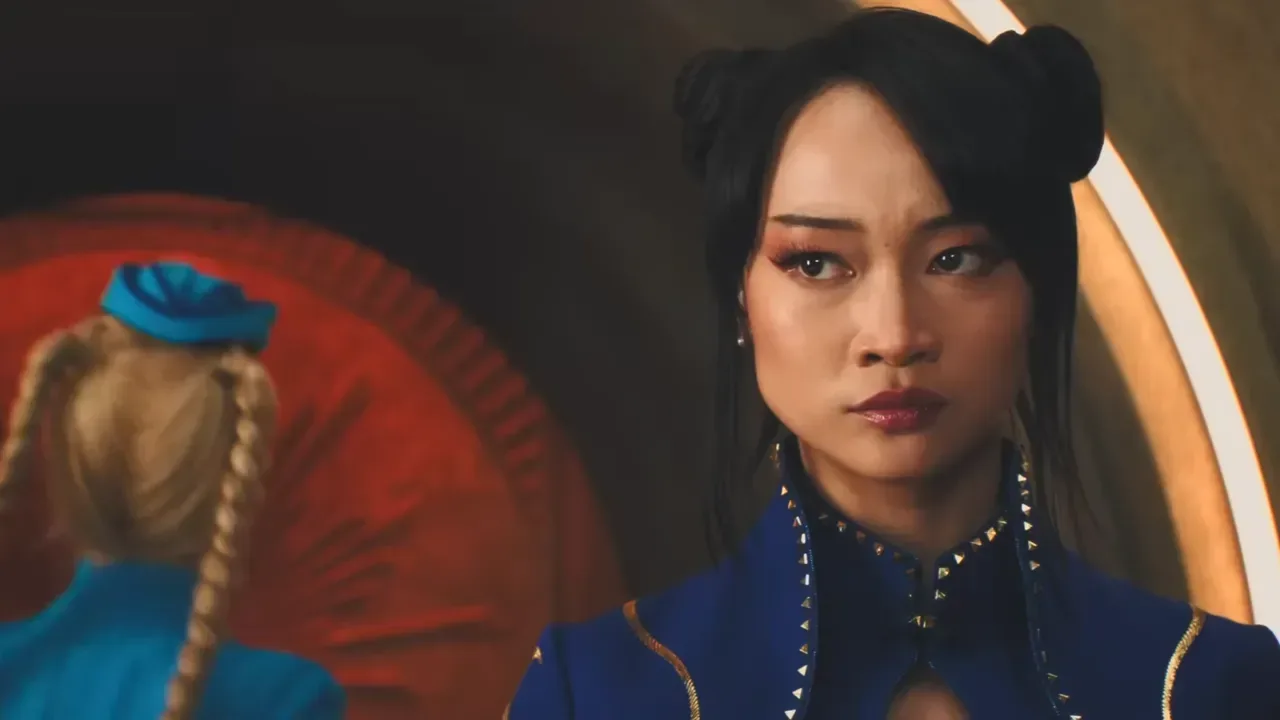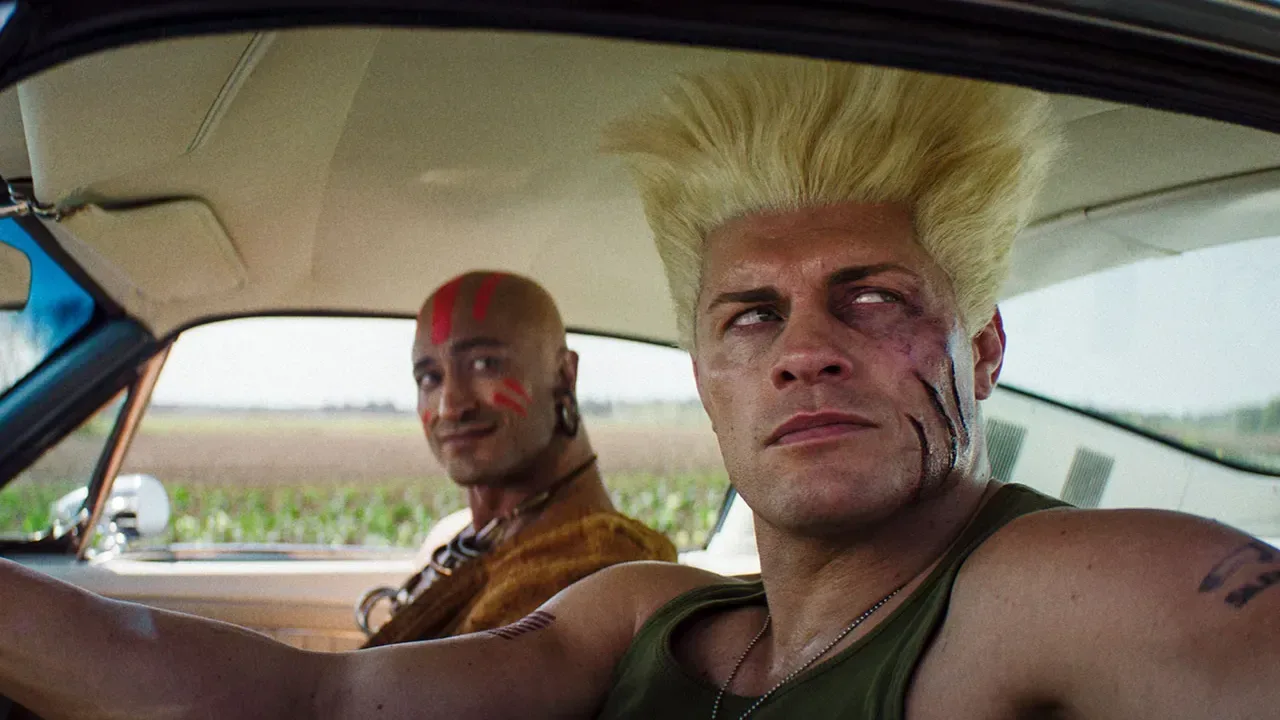
Street Fighter was not designed to become a brooding, grounded reinvention of Capcom’s fighting-game world. Director and writer Kitao Sakurai has made that especially clear while discussing the film’s intentionally strange tone: Legendary’s desired version leaned into silliness, non-gory spectacle and a heightened world where the characters’ interactions can be as important as conventional narrative logic.
That creative direction has become a central point of discussion around the film, which is currently the number one movie in North America. Some fans had hoped for a darker and more realistic treatment, but Sakurai’s account indicates that approach was never a discarded option. It was not the assignment he was brought in to execute.
Instead, Street Fighter was made around an absurd, energetic sensibility associated with Sakurai’s earlier comedy work, including The Eric Andre Show and Bad Trip. In practical terms, that means the movie’s perceived excesses are not necessarily accidents or signs that it failed to land on a serious version of the property. They are part of the filmmaking philosophy behind it.
A grounded Street Fighter was never the pitch
Sakurai said he would not have been sitting in the director’s chair had he proposed “the Batman Begins of Street Fighter movies.” That comparison neatly frames the disagreement. A “grounded” adaptation generally tries to make an inherently fantastical setting feel plausibly connected to everyday reality, often through restrained performances, realistic consequences and a more serious visual and emotional register.
Street Fighter instead appears to favor what Sakurai calls the property’s spiritual nature: a world with a built-in playfulness, exaggerated personalities and a lack of graphic gore. Producer Cale Boyter is identified as a major supporter of that approach, holding onto a vision with what Sakurai calls “gonzo energy.”
“Gonzo,” in this context, means intentionally unruly and heightened rather than merely random. It suggests a film trying to sustain momentum through bold character choices, comedy, chaos and sensory energy—even if individual moments might feel too ridiculous when removed from the whole. The goal is an overall sensation rather than a measured climb toward realism.
That distinction matters for an adaptation of a fighting-game series. Film audiences can reasonably expect a screen story to provide clear motivations and clean causal links between scenes. But games can often rely more heavily on immediate character appeal, iconic matchups, spectacle and the pleasure of seeing a distinct world in motion. Sakurai’s comments suggest Street Fighter chose to preserve some of that heightened sensibility rather than translating every aspect into sober cinematic realism.
Interesting over strictly logical
Sakurai’s explanation also points to a particular comedy-minded rule for developing the film: not every beat must be funny, or even make perfect conceptual sense, as long as it remains compelling within the larger experience.
Related coverage includes Street Fighter Director Says the Film Was Always Meant to Embrace Absurdity.
He drew on a lesson from The Eric Andre Show, describing how absurd elements may not always track neatly at a narrative level but can work through the cumulative force of the film’s feeling and energy. It is a useful lens for viewers trying to understand why some scenes may deliberately reach for surprise or escalation over conventional plot mechanics.
That is not the same thing as saying structure does not matter. A movie still has to give its audience enough orientation to care about what is happening and why. But it does establish where Sakurai appears to place the emphasis: an offbeat moment can earn its place because it is memorable, expressive or keeps the movie moving, even if it resists tidy explanation.
For fans, this can clarify the divide in expectations. Anyone seeking a disciplined action drama with a consistently realistic tone may find the film’s choices difficult to accept. Viewers prepared for something knowingly chaotic may see those same choices as the feature, not the flaw. Neither reaction is inherently illegitimate; the key point is that the production’s stated identity is much closer to the latter.
The reviews reflect a real split
The response so far shows a significant separation between critical and audience sentiment. Street Fighter holds a 41% Tomatometer rating and a 78% Popcornmeter rating on Rotten Tomatoes.
The Tomatometer is the site’s critics-facing score, while the Popcornmeter reflects audience response. Those numbers should not be treated as a scientific verdict on taste, but the distance between them does provide a straightforward snapshot of the debate. The critic score indicates a generally unfavorable response from reviewers included in that aggregate. The substantially higher audience score indicates that many viewers are finding more to enjoy than the critical consensus did.
One review scored the film 6/10, praising its enthusiastic cast and anarchic spirit while arguing that the movie struggles to shape all of that energy into a coherent story. That assessment fits closely with Sakurai’s own description of the project. The qualities that can make Street Fighter lively and distinctive—its craziness, speed and willingness to be silly—may also be the qualities that make it harder for some viewers to experience as a tightly constructed narrative.
It is worth resisting the temptation to turn the score gap into a simple “critics versus fans” feud. Aggregate scores summarize groups, not every individual reaction, and they do not explain precisely what any one viewer values. Still, the numbers do show that Street Fighter’s tonal gamble is connecting with a meaningful portion of its audience despite critics’ reservations.
Why the tonal choice has practical consequences
Creative tone is not a cosmetic layer placed on top of a franchise. It shapes casting, pacing, dialogue, action, the kinds of jokes that fit and the way a studio presents a potential series to audiences. When Sakurai says a darker approach was never part of the plan, he is describing more than a handful of comedic scenes. He is describing the foundation on which this adaptation was built.
That foundation may also define the limits of the film’s appeal. A dark reboot strategy can pursue emotional seriousness and plausibility; an absurdist strategy asks viewers to accept heightened behavior and a world that is not always interested in operating like their own. Street Fighter has taken the latter road.
There is a potential upside to that clarity. Rather than attempting to satisfy every possible reading of the games, the film has a recognizable point of view. Fans who enjoy its wildness know what it is trying to deliver. Those who wanted a grim, grounded version can at least understand that the difference stems from a deliberate creative call, supported by the studio, rather than an apparent mismatch between the material and the people making it.
The broader question is whether that identity can sustain a continuing film series. The movie leaves openings for a follow-up, but Sakurai says no sequel has been put into concrete development: there is interest from the cast and creative team, yet nothing is set in stone.
That makes the film’s commercial and audience reception especially relevant. Being number one in North America is a meaningful signal of present attention, but Sakurai did not announce a sequel or suggest that one has been formally approved. For now, a second movie remains an idea under consideration rather than a confirmed project.
What viewers should take from Sakurai’s comments
- Do not expect a late pivot toward grit: Sakurai says the film was commissioned around absurdity and silliness, not a Batman Begins-like overhaul.
- Its chaos is intentional: The movie’s heightened tone is tied to a broader belief that entertaining moments can work through feel and momentum, even when they are not perfectly logical in isolation.
- The score split is part of the story: A 41% Tomatometer and 78% Popcornmeter show markedly different critical and audience reactions.
- A sequel is possible, not promised: The team has interest, but Sakurai says there are no concrete plans yet.
For people following the intersection of games and film, Street Fighter is a reminder that “faithful” can mean different things. One adaptation may chase a realistic emotional register. Another may treat a franchise’s exaggerated personalities and playful unreality as the essential ingredients worth protecting. Sakurai’s Street Fighter has firmly chosen the second path—and its mixed reception suggests that choice will remain part of the conversation if the series continues.
For more coverage of how game adaptations, platforms and the business around them are changing, see our look at the 2026 DevGAMM Awards nominees and the prominence of small teams.