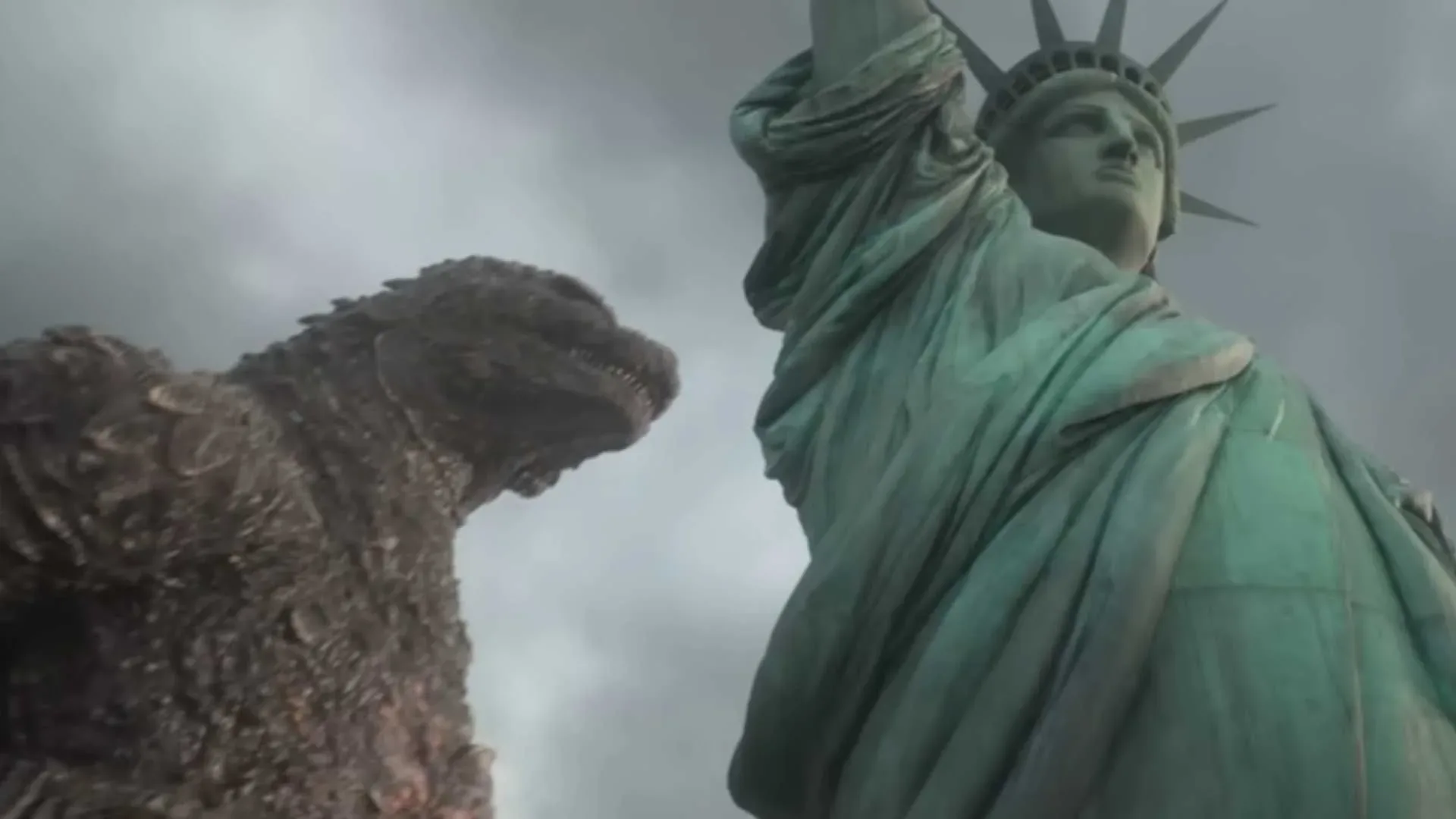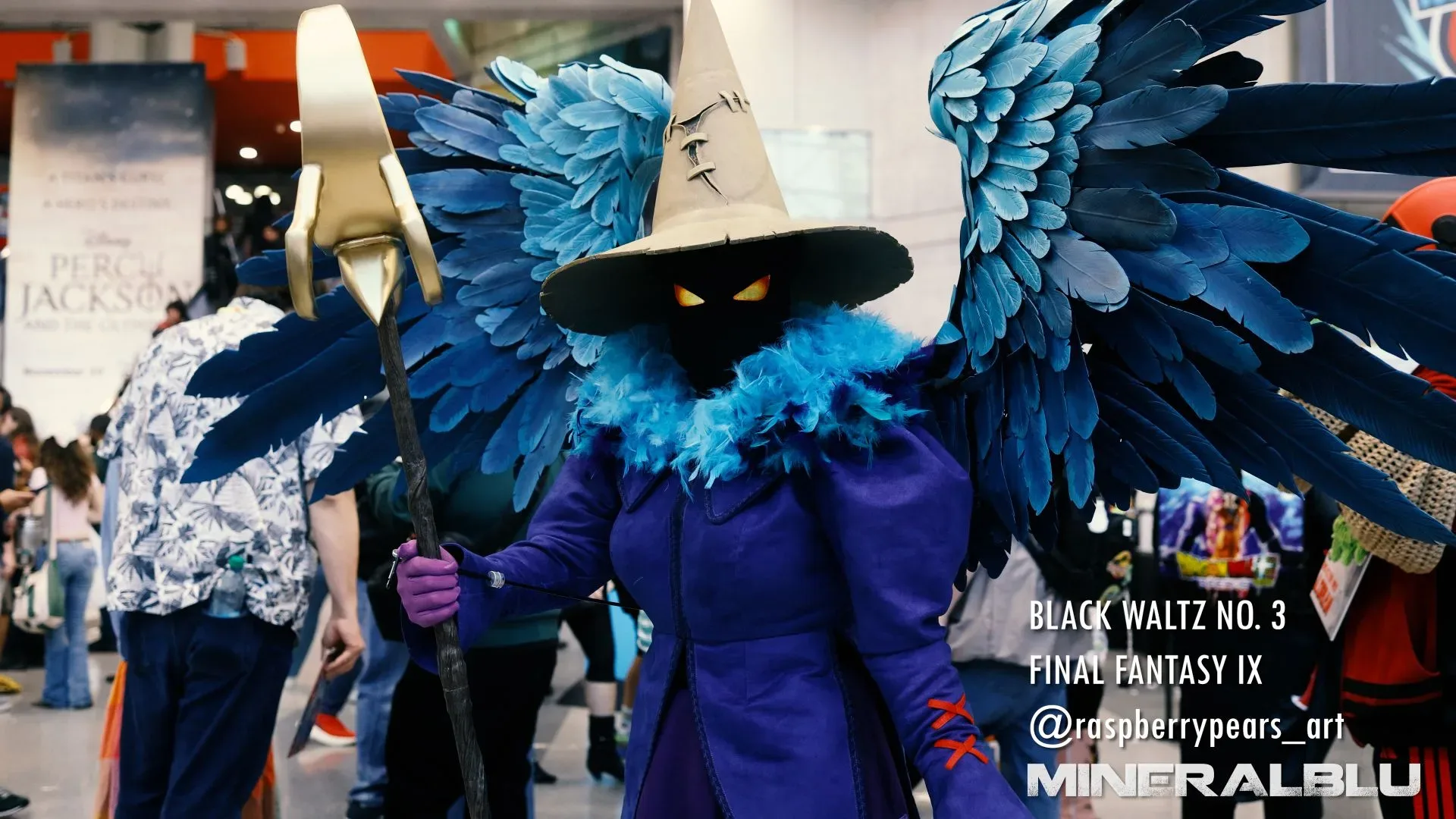
New York Comic Con 2026’s cosplay showcase is a useful reminder that a convention floor can hold an enormous range of fandom in a very small space. The 20 featured outfits move between video games, anime, comics, films and television, from the elaborate fantasy silhouette of Black Waltz No. 3 from Final Fantasy IX to a group of Fallout power armor suits, a Freedom Gundam, and a towering take on Godzilla.
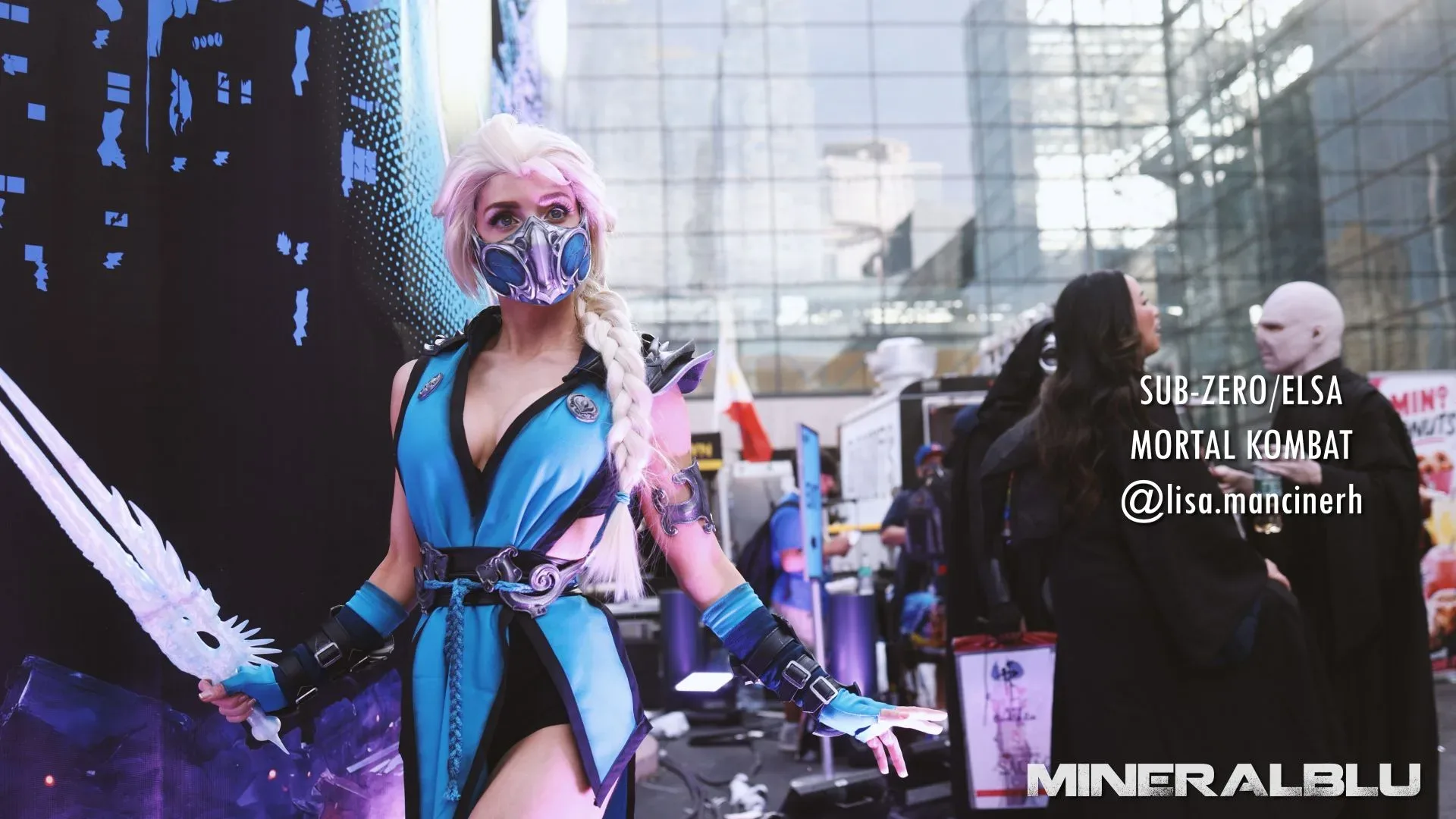
The through-line is not one franchise or one visual style. It is recognition: the immediate pleasure of seeing designs made for screens, panels and illustrations translated into something that can walk through a crowded event. Some selections are faithful character recreations, while others show cosplay’s equally important playful side, such as a Sub-Zero x Elsa crossover that merges Mortal Kombat with Frozen.
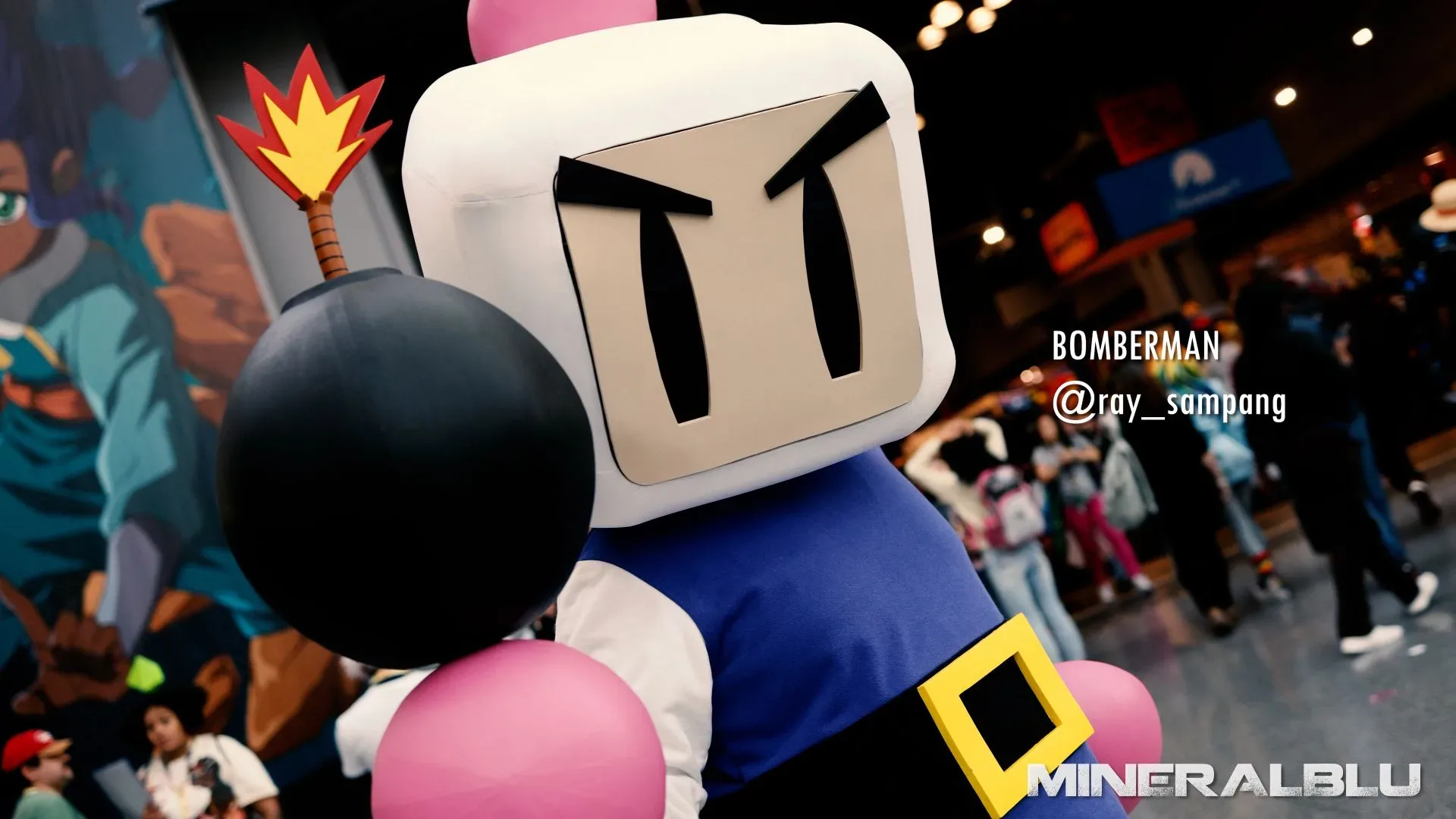
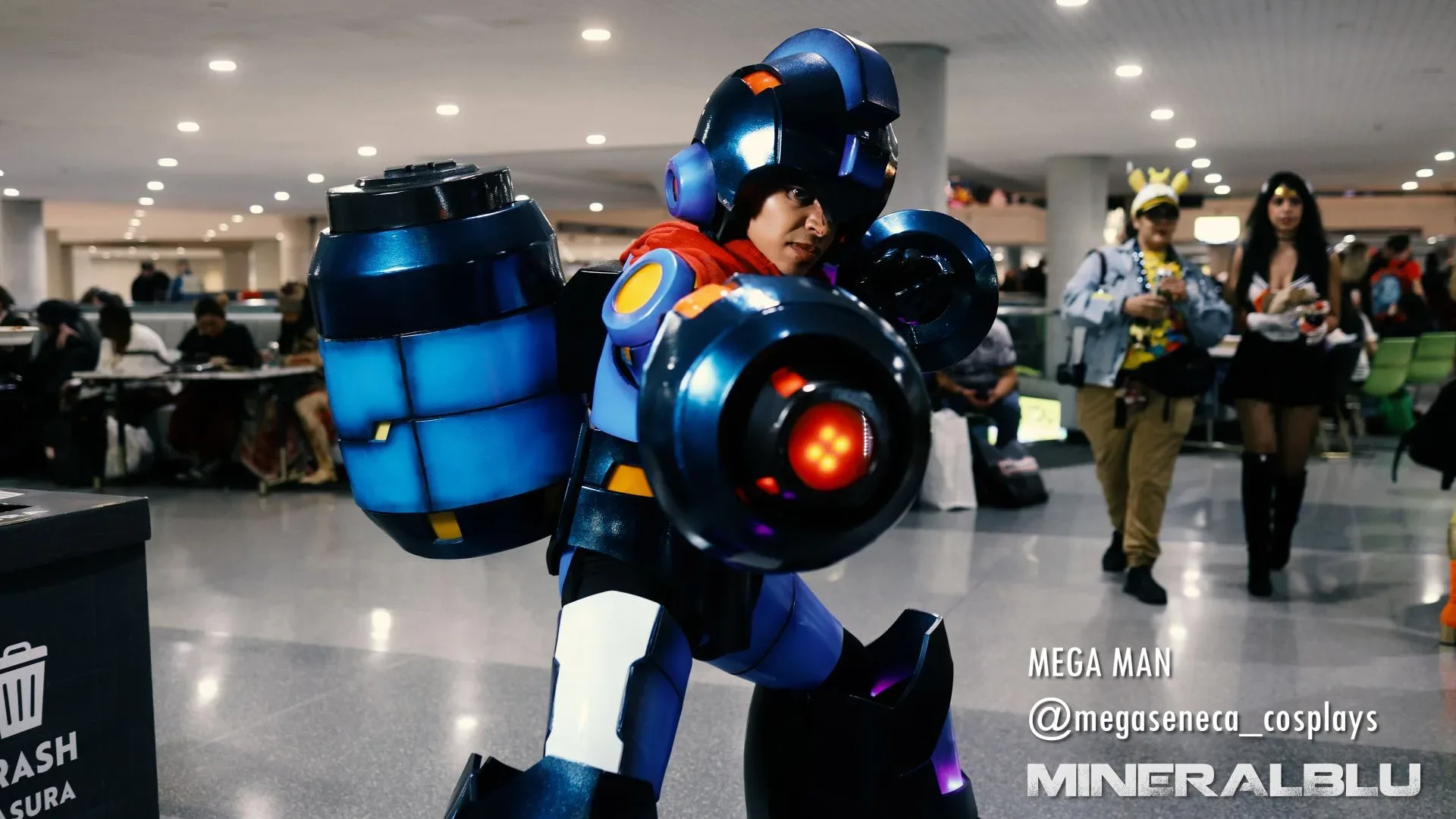
That mixture matters. A cosplay roundup can easily become a popularity contest between the biggest current properties, but this set instead has room for classic game figures including Mega Man, Bomberman, Samus, Chun-Li, Lara Croft and Grey Fox, as well as newer or currently prominent worlds such as Dispatch, Marvel Rivals and League of Legends. It is a broad snapshot of the characters people still want to embody, not merely the media being promoted at the event.
Twenty looks across games and pop culture
The featured costumes are:
- Black Waltz No. 3 — Final Fantasy IX
- Sub-Zero x Elsa — Mortal Kombat x Frozen
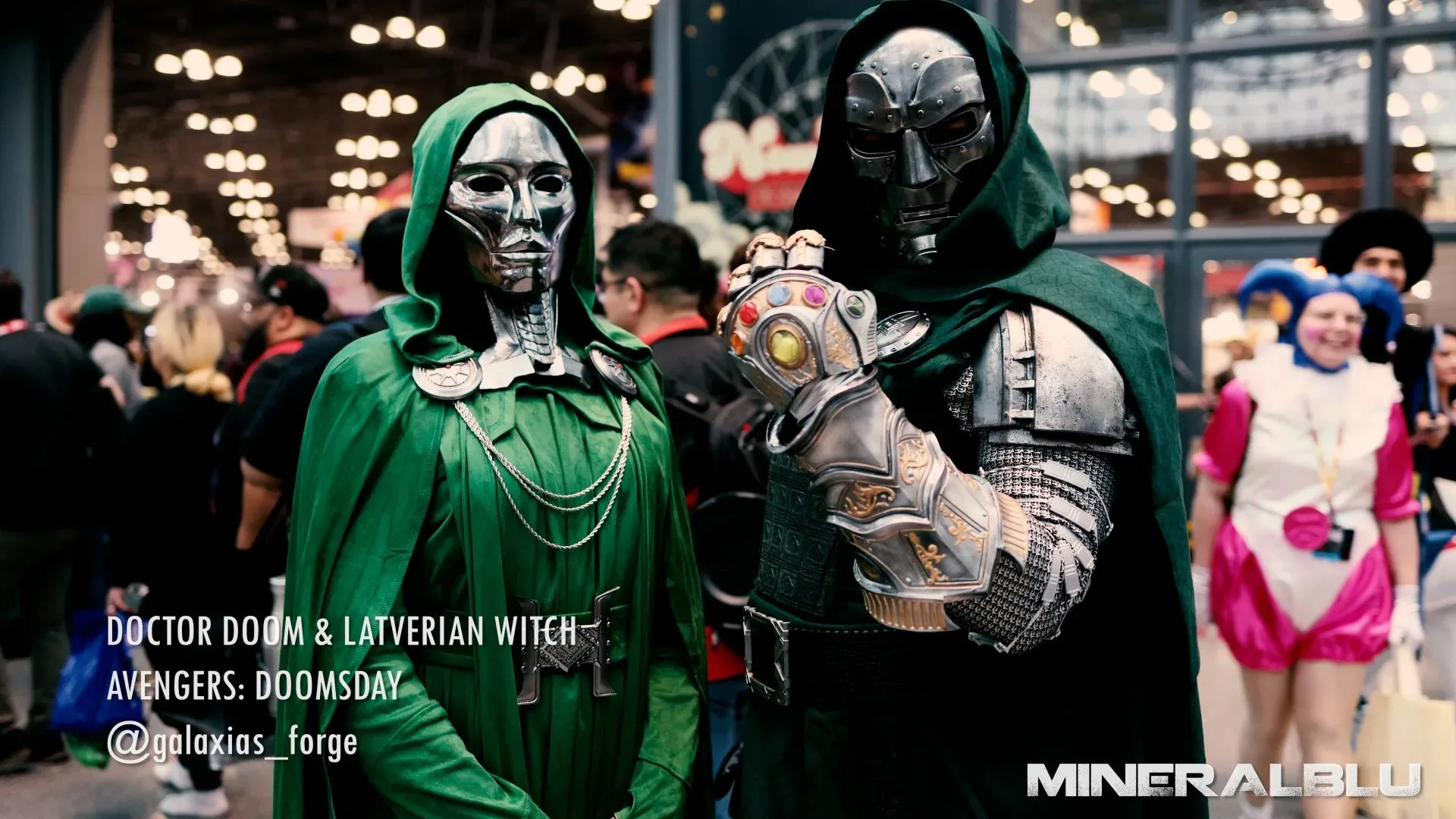
- Doctor Doom and Latverian Witch — Avengers: Doomsday
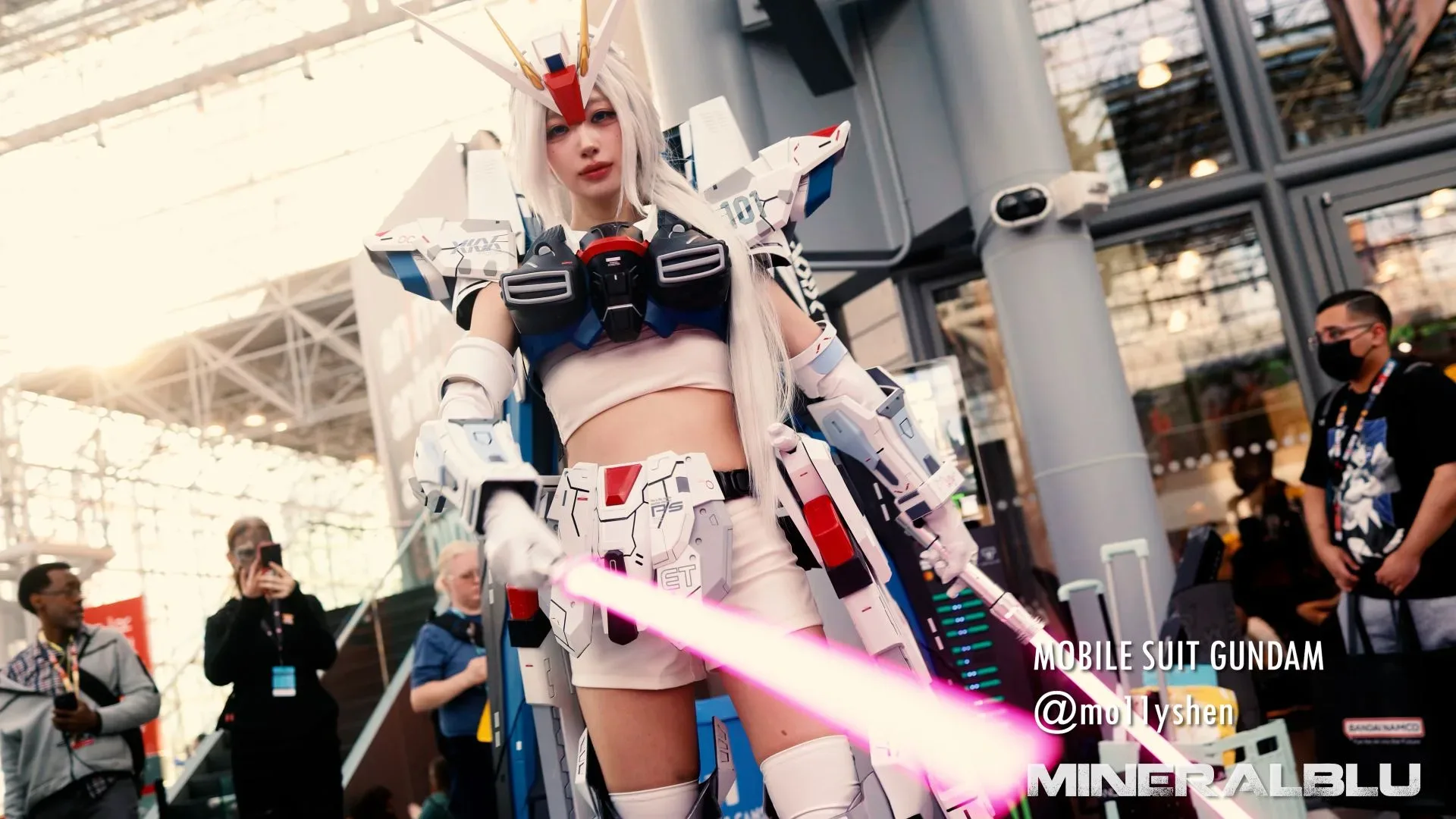
- Freedom Gundam — Mobile Suit Gundam
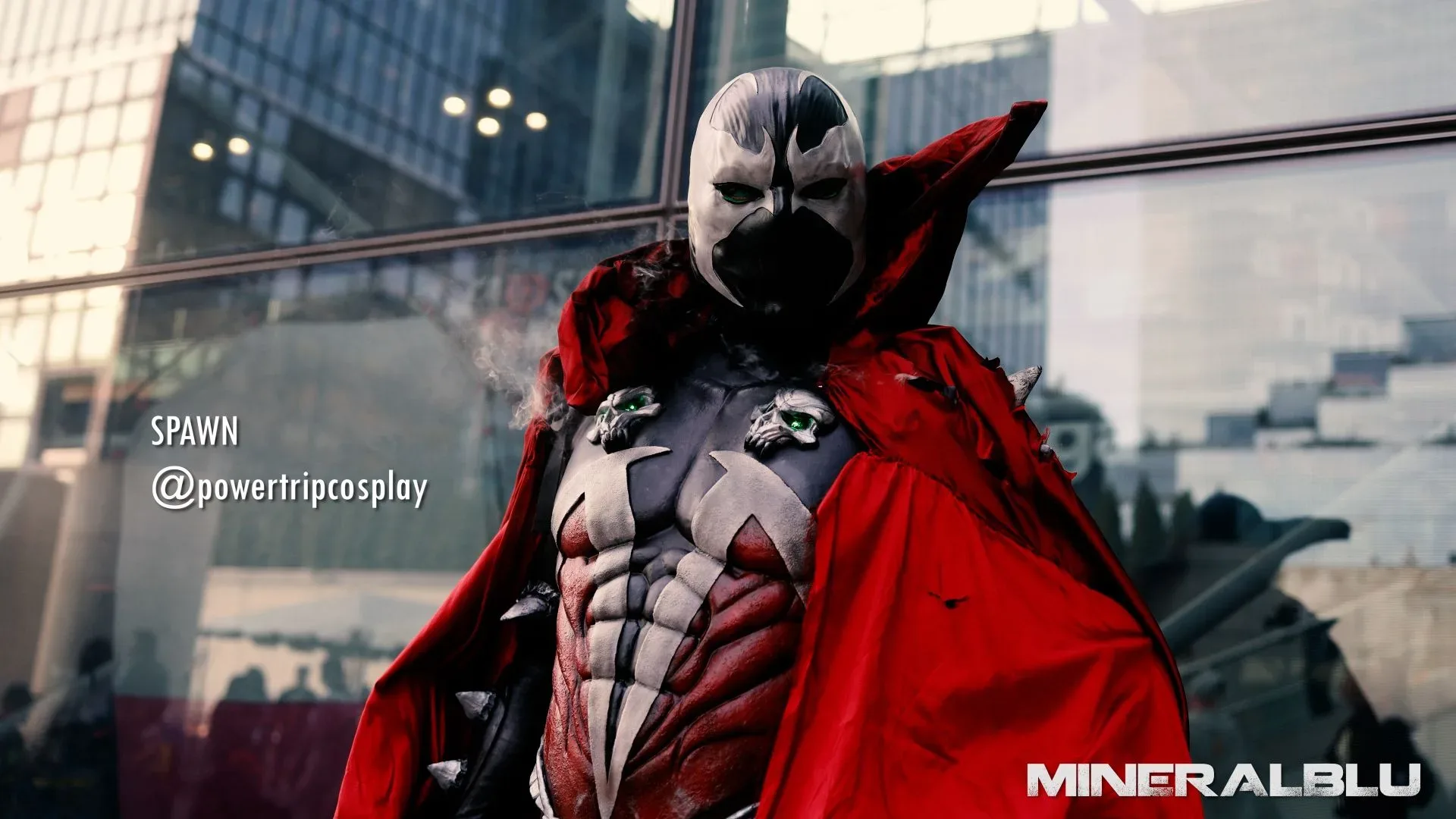
- Spawn — Spawn
- Bomberman — Bomberman
- Mega Man — Mega Man
- Mecha Man — Dispatch
- Chun-Li — Street Fighter
- Coven Morgana — League of Legends
- Godzilla — Godzilla Minus Zero
- Iron Gang
- Grey Fox — Metal Gear
- Daredevil and Magik — Marvel Rivals
- Lara Croft — Tomb Raider
- Major Motoko Kusanagi — Ghost in the Shell
- Nikki — Obsession
- Power Armor Suits — Fallout
- Samus — Metroid
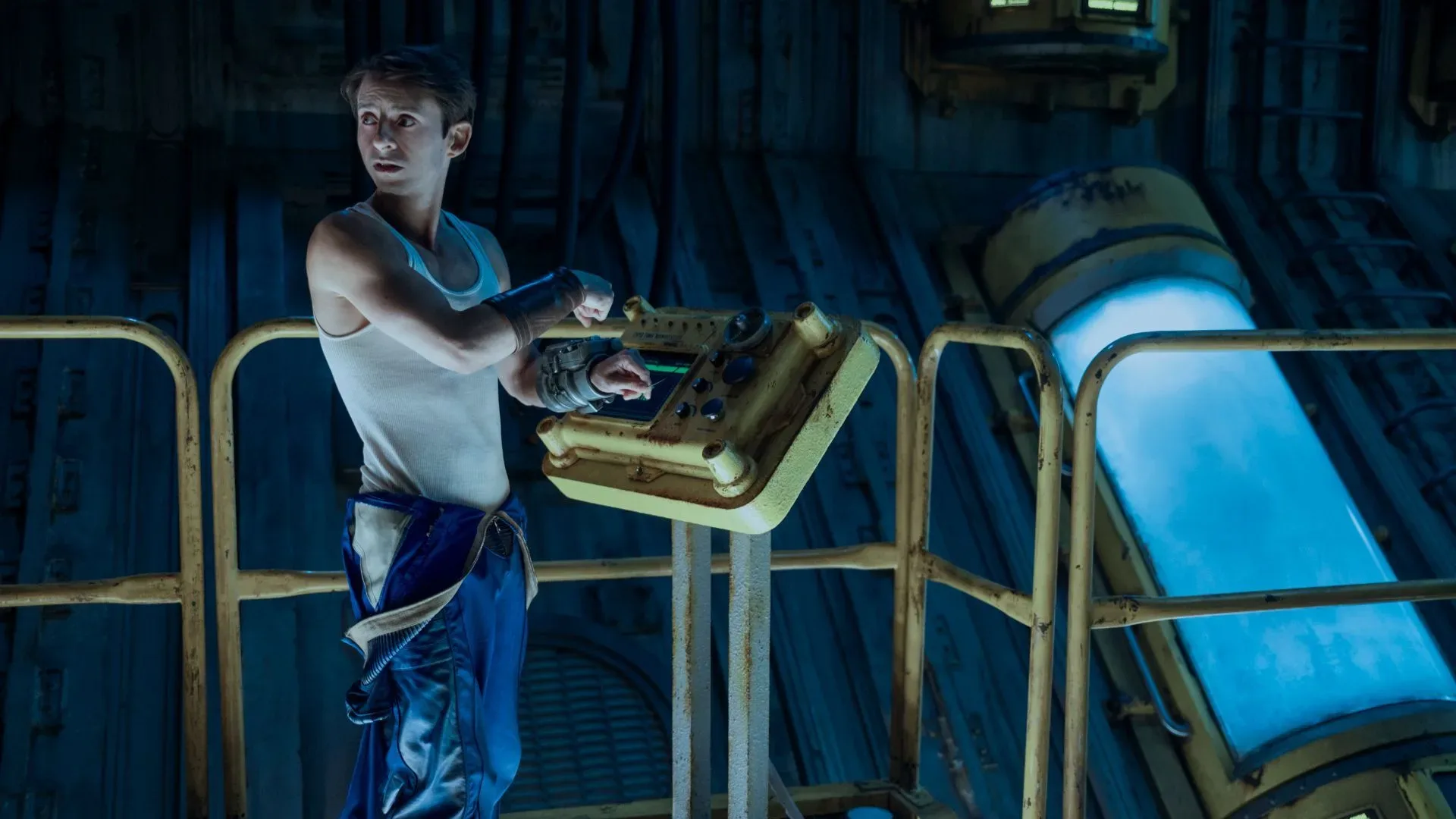
- Dr. Ryland Grace — Hail Mary
Why the gaming picks travel so well to cosplay
Game characters are particularly adaptable to cosplay because their designs often have to communicate rapidly. A player needs to distinguish a hero, rival, class or faction quickly, sometimes from a distance and during hectic action. That leads to strong outlines, memorable helmets, color blocking, signature weapons and distinctive armor shapes. Those same visual tools help a costume read clearly across a convention hall.
Samus and the Fallout power armor suits are obvious examples. Their identities are built around armor silhouettes. The specific materials and construction methods used in these featured costumes are not detailed, but the selections show why armored characters remain convention staples: a successful recreation can be recognized through proportion and form before anyone needs to see a close-up.
Freedom Gundam works by a similar logic, although it comes from a different tradition. Mecha designs are defined by mechanical geometry, large-scale presence and sharply segmented forms. Reinterpreting a giant machine as a wearable costume is not about creating a literal full-size replica. It is about preserving the details that make the design legible as that particular machine.
At the other end of the spectrum are characters such as Chun-Li, Lara Croft and Mega Man. Their recognizability is tied to a compact collection of costume cues. In cosplay terms, this is sometimes called a character’s silhouette: the outline and major shapes that identify a design before fine details are visible. The term does not mean that details are unimportant; it means a character needs a clear visual foundation.
Related coverage includes New York Comic Con 2026 Cosplay Highlights Span Games, Anime, Comics and Kaiju.
That clarity is one reason game characters endure across generations of fans. Long-running figures can be revisited and reinterpreted without losing what made them memorable. The convention’s mix of older icons and newer releases reflects the way game culture carries its visual language forward. For another look at how older games remain part of the present rather than sealed off as artifacts, see 10 games that still make the original PlayStation 2 worth setting up.
Faithful recreations and the value of the mash-up
The Sub-Zero-and-Elsa design is perhaps the clearest example of cosplay operating as fan art in three dimensions. A crossover costume is not trying to claim the two properties officially share a universe. Its appeal comes from finding a convincing bridge between them: here, the shared ice motif makes the pairing immediately understandable.
That is a useful distinction. Screen-accurate cosplay aims to recreate a character’s appearance as closely as possible, often prioritizing recognizable details and proportions. Interpretive cosplay starts with a character or concept but deliberately remixes it through another theme, era or property. Neither approach is inherently more legitimate. They ask different questions: one asks, “How close can this get to the original?” The other asks, “What new idea emerges when these references meet?”
The showcase includes both impulses. Black Waltz No. 3, Grey Fox, Coven Morgana, Major Motoko Kusanagi and Mecha Man point toward the appeal of bringing distinctive existing designs into physical space. The Sub-Zero x Elsa idea instead treats familiar characters as creative ingredients. That balance is part of what keeps cosplay vibrant at large pop-culture events: the same floor can reward precision, invention, nostalgia and a well-executed joke.
Groups make a different kind of statement
Several entries are ensembles rather than solo presentations: Doctor Doom and the Latverian Witch, Daredevil and Magik, the Iron Gang, and the power armor suits. Group cosplay changes the visual equation because characters can reinforce one another. A shared setting, palette or theme becomes readable even when each individual outfit is different.
The Iron-themed group is especially notable simply because it frames the idea as a collective rather than a single suit. Meanwhile, the Marvel Rivals pairing of Daredevil and Magik demonstrates how a game can provide a specific lens for characters who are already deeply established elsewhere. The cosplay reference is not only to a character’s general comic-book identity, but to a particular game-associated presentation.
That is an increasingly normal feature of fandom. A single character may have several looks and meanings depending on whether a fan knows them from comics, films, games, animation or a particular adaptation. Cosplay can signal which version matters to its wearer through the chosen costume, companion characters and context. The result is a conversation between fandoms as much as a recreation of an outfit.
From kaiju scale to the human convention floor
The Godzilla selection pushes against the practical limits of costume design in a way that is inherently attention-grabbing. Kaiju are built around size and spectacle; transforming one into a convention-floor presence requires an approach that communicates that scale without the creature actually being skyscraper-sized. Even without construction specifics, the inclusion highlights how cosplay often tackles characters that were never designed to be worn by a person.
There is a related appeal in the cybernetic and armored figures spread throughout the gallery. Spawn, Doctor Doom, Grey Fox, Samus, power armor and Gundam all carry strong associations with masks, armor or bodies transformed by technology. They make an effective contrast with the more immediately human forms of Lara Croft, Dr. Ryland Grace and Major Motoko Kusanagi. Together, the selections demonstrate the extraordinary breadth of performance available under the catch-all label of cosplay.
A convention snapshot, not a single canon
The New York Comic Con selection also resists the idea that cosplay needs one shared canon. Its game representation alone ranges from platform heroes and fighting-game legends to role-playing-game antagonists, shooters, competitive online games and science-fiction adventures. Around those are comics, movie and television-adjacent characters, anime, giant robots and kaiju.
That breadth is the point. The standout quality of the 20 looks is not that they belong together in one fictional universe. It is that they belong together at a convention where visual craft and recognizable ideas provide the common language. Whether the goal is an exact armor silhouette, an elegant fantasy design, a coordinated group or an icy crossover gag, each outfit turns personal fandom into something other attendees can identify and enjoy in a moment.