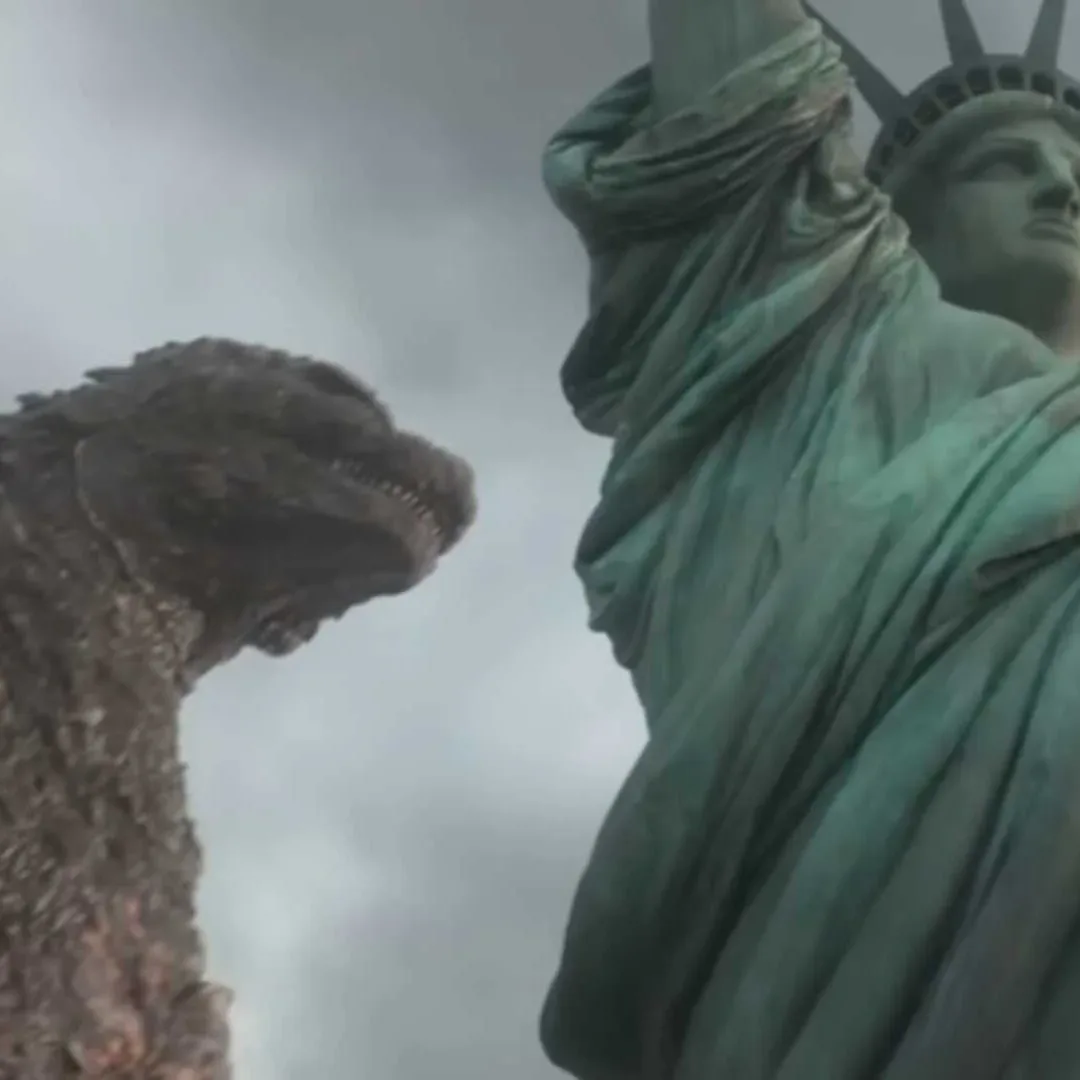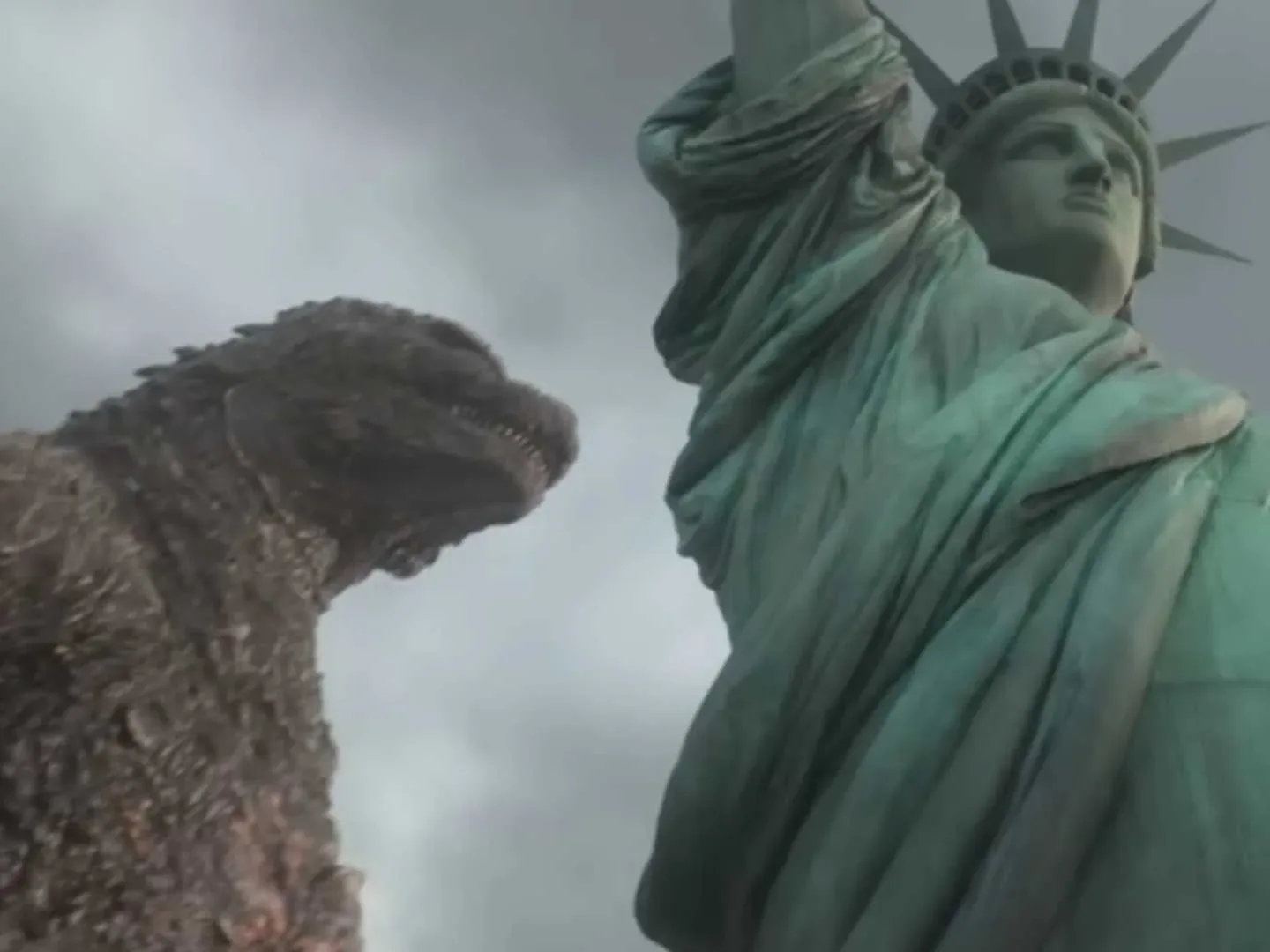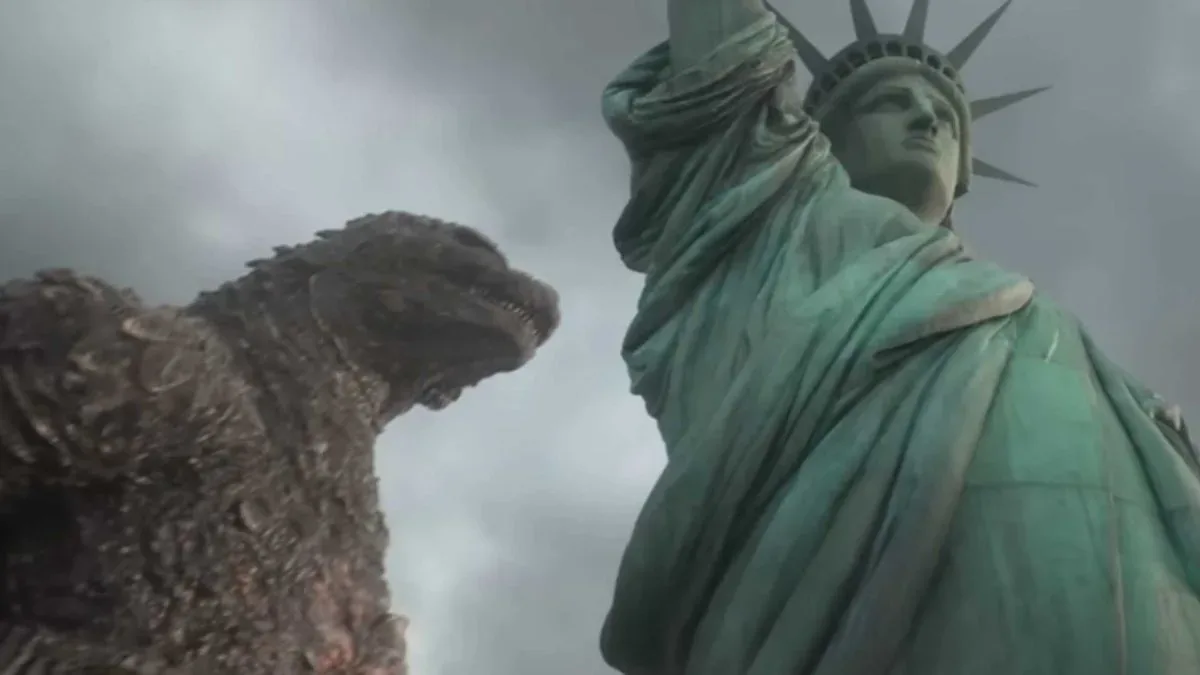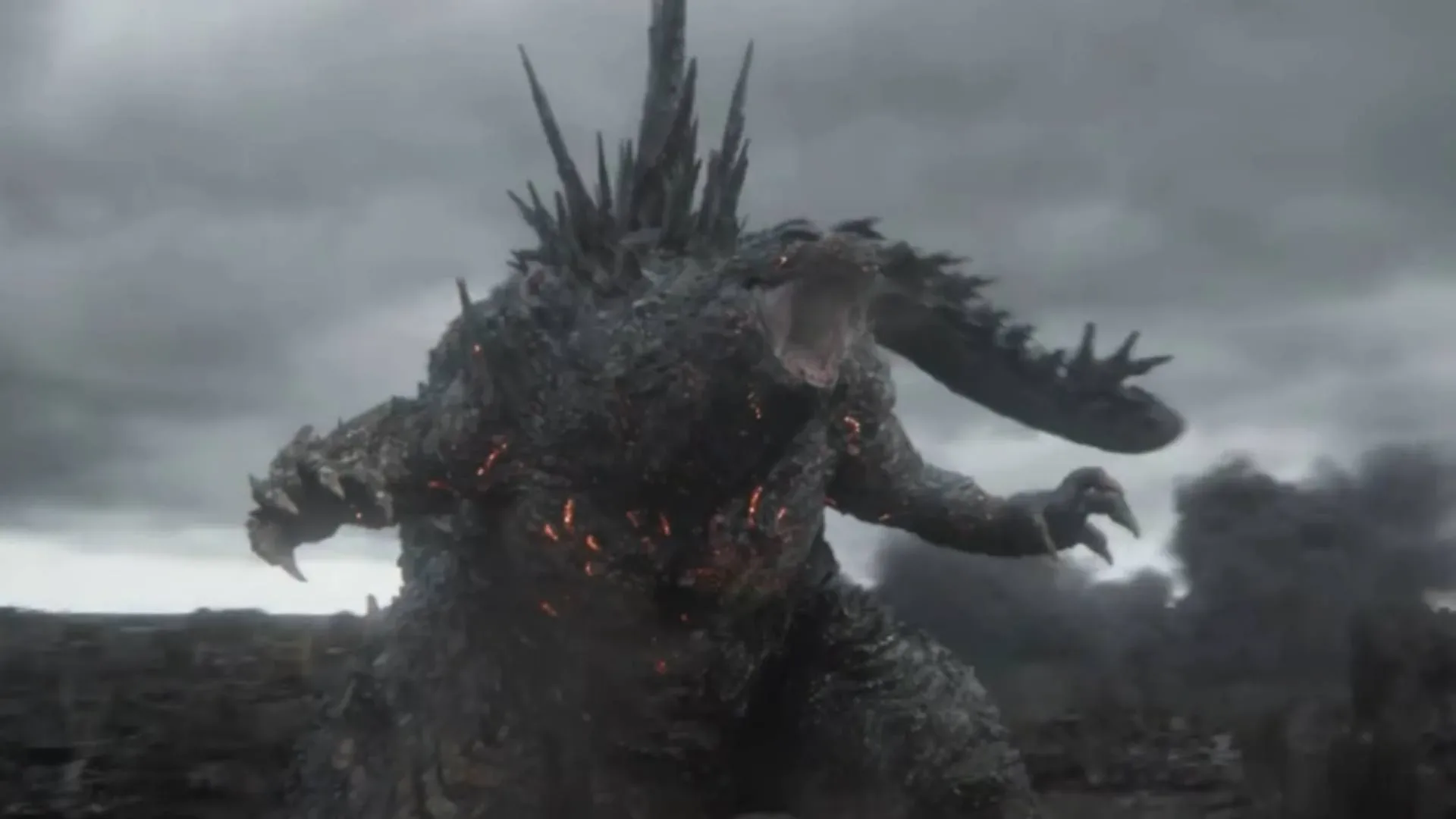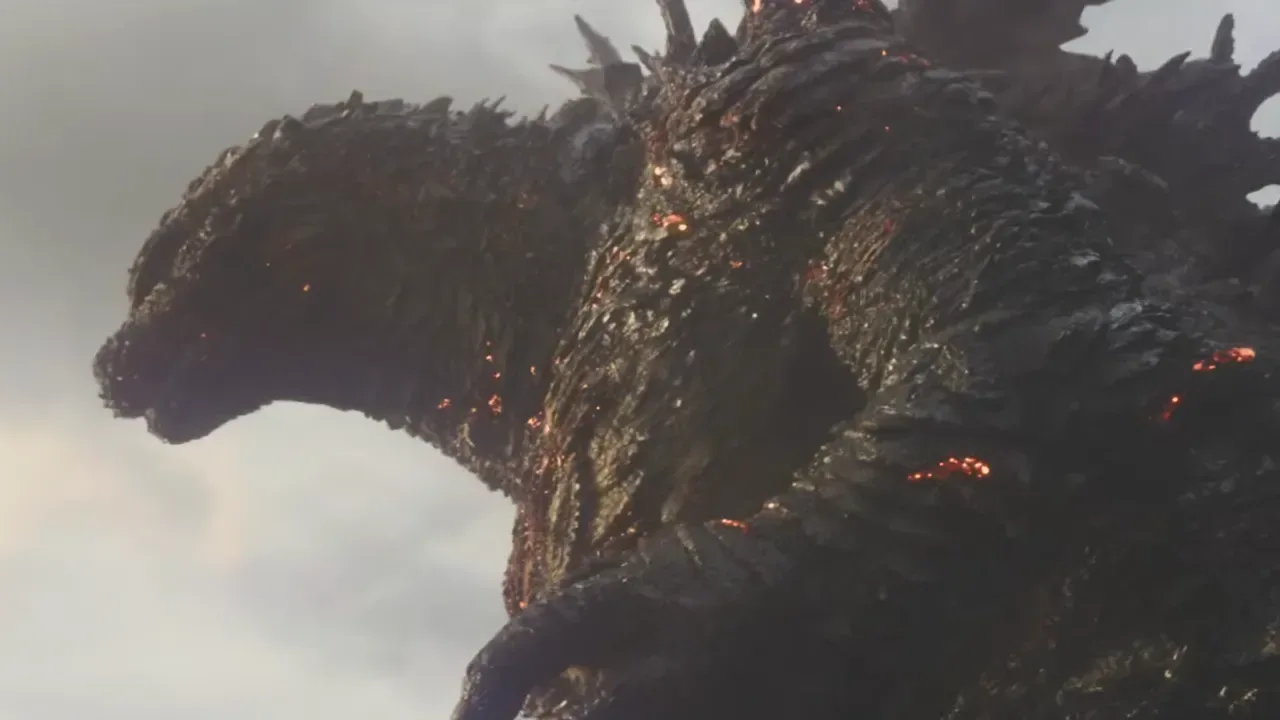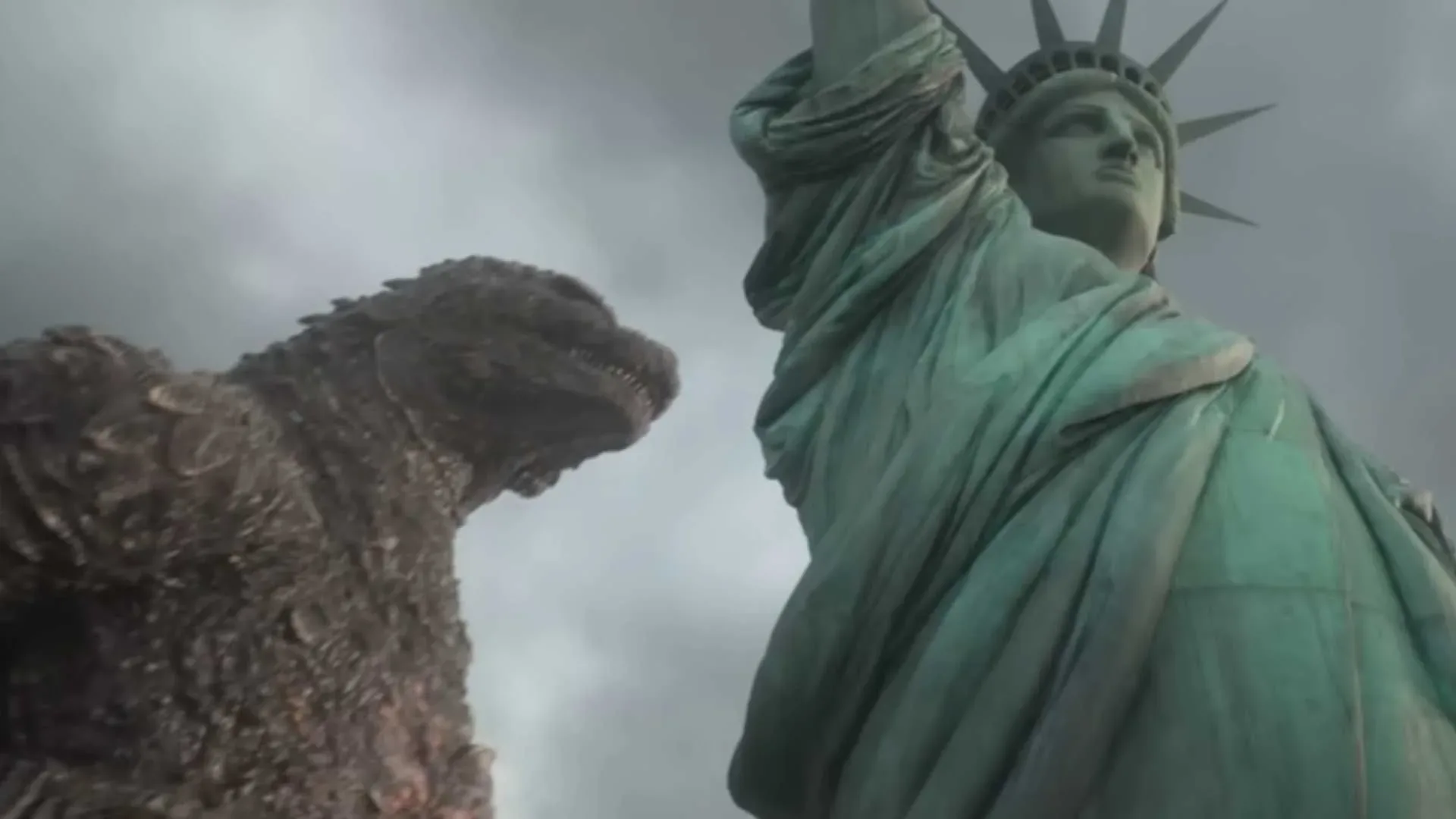
Hideo Kojima has delivered the sort of response to Godzilla Minus Zero that can only be described as kaiju-grade enthusiasm. After seeing Takashi Yamazaki’s new Godzilla film at its Japanese premiere in IMAX, the game creator said the experience left him emotional, surprised and, by the climactic stretch, metaphorically growing the monster’s signature dorsal spines.
Kojima described himself as both a major Godzilla fan and a fan of Minami Hamabe, saying he had waited three years to see the film. He kept the specifics carefully under wraps, but his reaction points to a movie designed to work on several levels: it contains material that aligned with what he hoped for, turns he did not anticipate, and scenes aimed squarely at devoted followers of the long-running monster series.
Most importantly for anyone trying to remain spoiler-free, Kojima did not identify those sequences. His public comments make clear that he believes some of the film’s most appealing moments are best encountered without advance explanation.
A spoiler-light rave for Godzilla’s next battle
Godzilla Minus Zero follows 2023’s Godzilla Minus One. Its story is set a few years after Godzilla’s initial defeat on Sagami Bay, but the reprieve does not last: Godzilla returns to confront King Ghidorah.
That setup alone puts the sequel’s stakes in a distinct place. Godzilla is not simply returning as the sole colossal danger; the film positions him against another famous monster, King Ghidorah. In practical franchise terms, that promises a confrontation rather than a straightforward repeat of the earlier crisis. It also gives longtime fans a clear reason to watch closely for how the film handles two enormous icons sharing the same conflict.
Kojima’s reaction suggests that the premise does not exhaust the movie’s ambitions. He said there were scenes that unfolded as he had imagined, alongside developments that surpassed his expectations and others that caught him off guard in a positive way. He also singled out moments made for hardcore fans, including scenes that brought him to tears as a longtime follower and scenes he had long wanted to see realized on screen.
“By the final climax, I was so excited that I practically felt dorsal fins sprouting from my back and an atomic heat ray blasting out of my mouth!”
That is obviously a playful image rather than an anatomical update from the creator of Death Stranding, but it communicates the central takeaway well: Kojima found the finale intensely effective. A Godzilla “atomic heat ray” is the franchise’s signature energy-breath attack, while dorsal fins are the prominent plates running down the monster’s back. In other words, the film apparently sent one of gaming’s most cinematic-minded figures into full kaiju mode.
Why the IMAX detail matters
Kojima specifically emphasized that he saw the movie in IMAX. That does not establish what every theatrical presentation will be like, nor does it tell audiences that IMAX is required to enjoy the film. It does, however, add helpful context to the scale of his reaction. IMAX is a premium large-format cinema presentation, and a Godzilla-versus-Ghidorah spectacle is plainly the kind of material whose impact can be heightened by an enormous screen and immersive sound.
The important distinction is between format and content. Kojima is praising the movie itself—its surprises, fan appeal and climax—not merely the auditorium. Still, his mention of IMAX is a useful signal for viewers deciding how they want to see it when it arrives in cinemas. Anyone whose chief interest is enormous-monster spectacle may reasonably see a large-format screening as an appealing option, while those avoiding spoilers should resist trying to decode which specific scenes drew his strongest response.
For fans who follow Kojima’s public tastes, his reaction carries added interest because it comes from someone openly identifying himself as a Godzilla devotee. That does not turn an enthusiastic reaction into an objective score, and it should not be mistaken for a substitute for individual taste. It does mean his comments are especially relevant to viewers wondering whether the film contains material intended for people deeply invested in Godzilla’s history.
The R rating is a major franchise marker
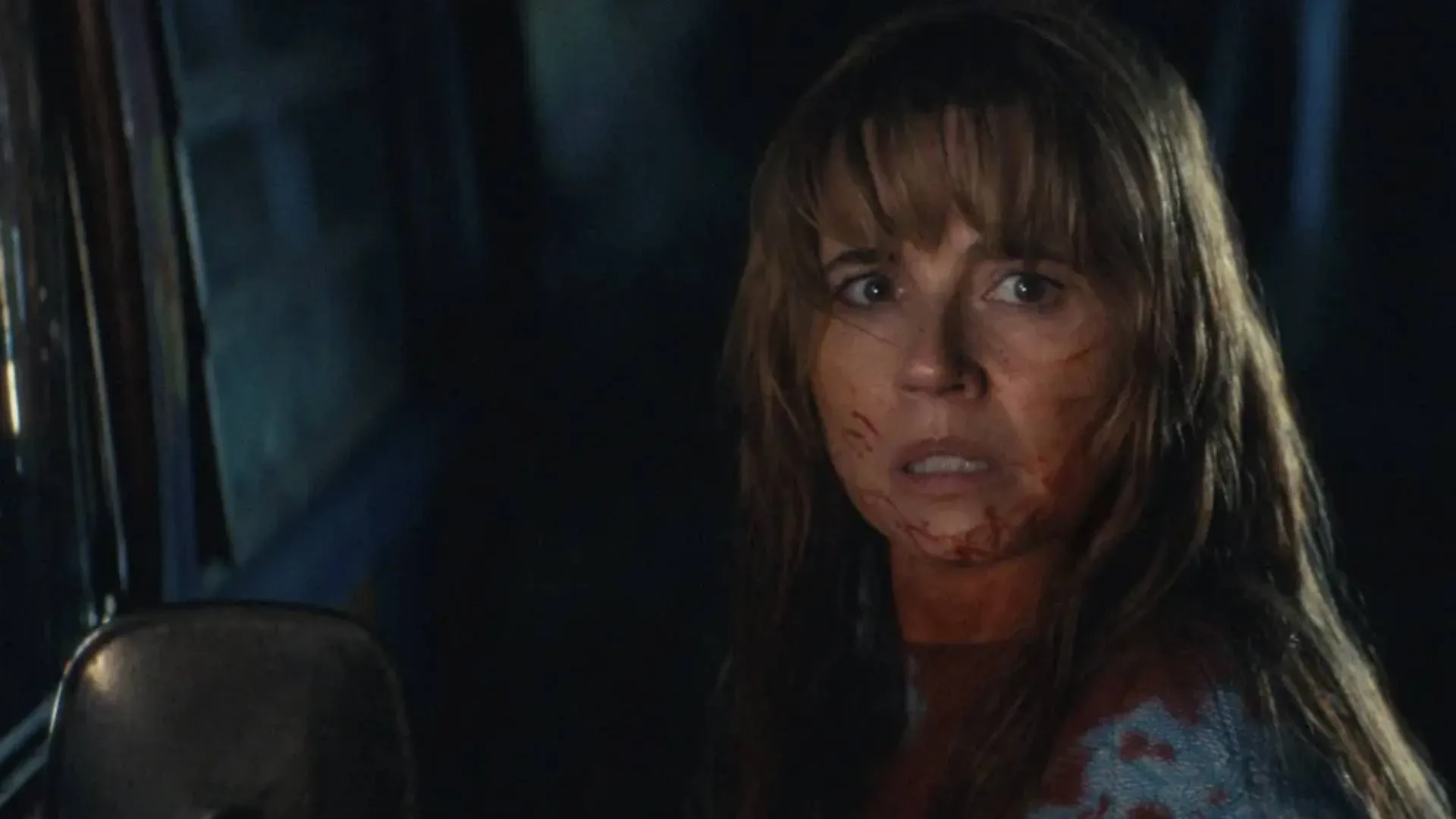
Godzilla Minus Zero is also set to be the first R-rated entry in Godzilla franchise history. That rating is one of the few firm content signals available before the film reaches wider audiences, and it is worth treating it with appropriate care.
An R rating is a classification indicating that the film has material judged unsuitable for younger viewers without adult accompaniment. It does not, on its own, explain precisely what is on screen, how frequently it appears, or whether the intensity comes from violence, disturbing imagery, language, or another factor. Audiences should avoid assuming details not provided by the rating alone.
Yamazaki has nevertheless explained the principle behind retaining the relevant material. He said certain scenes were essential to the film from his perspective as director and that censoring or cutting them was not an option. That is a meaningful creative statement: the stronger classification was not presented as a decorative attempt to make Godzilla seem more extreme, but as the outcome of preserving sequences the filmmaker considered necessary.
For prospective viewers, the practical implication is straightforward. The new film may take its monster action and dramatic content into territory that deserves more caution than a typical all-ages creature feature. Families and younger fans should check local ratings guidance closer to release, rather than relying only on the franchise name or assuming that every Godzilla story carries the same content expectations.
It is also notable that the report of the R rating sits beside Kojima’s praise for fan-service moments and the climactic showdown. Those ideas can coexist, but they describe different aspects of the movie. One is about intensity and content classification; the other is about spectacle, emotion and franchise recognition. Viewers interested in the film should not reduce its identity to either one alone.
What Kojima’s comments do—and do not—reveal
There is an understandable temptation to turn a prominent creator’s excitement into a list of presumed plot details. In this case, that would work against the message Kojima himself communicated. He explicitly avoided describing the scenes that impressed him because doing so would spoil them.
What can be said with confidence is limited but encouraging. Kojima responded strongly to the film’s blend of anticipated pleasures and unexpected developments. He believes it offers clear rewards for hardcore Godzilla fans. And he felt its final climax delivered a rush large enough to inspire one of the most vivid monster-movie metaphors imaginable.
What cannot be responsibly inferred is the precise nature of the fan-focused scenes, the outcome of the Godzilla-versus-Ghidorah conflict, or the specific material contributing to the R rating. The best approach for viewers who want the same clean slate is to treat Kojima’s reaction as a temperature check, not a spoiler map.
That caution is particularly relevant with a project framed as a follow-up to Godzilla Minus One. Sequels invite predictions: returning threats, altered status quos, escalated clashes. The supplied premise confirms a few foundational points—Godzilla’s prior defeat at Sagami Bay, his return, and King Ghidorah’s role as the new threat—but it does not support further claims about characters, story mechanics or the exact shape of the finale.
When Godzilla Minus Zero arrives
Godzilla Minus Zero is scheduled to hit cinemas on November 6. Western audiences still have a few weeks to wait, while the Japanese premiere has already produced a conspicuously joyful early reaction from Kojima.
The film’s immediate selling points are now clear: a post-Minus One setting, Godzilla’s return after Sagami Bay, a confrontation with King Ghidorah, Yamazaki in the director’s chair, and an R rating described by the filmmaker as necessary to protect essential scenes. Kojima’s response adds a fifth element that is less concrete but perhaps more enticing: he thinks the movie knows exactly how to reward a committed Godzilla fan without laying out those rewards in advance.
That makes patience the sensible move. Avoid plot speculation dressed up as reporting, keep expectations tied to what has actually been disclosed, and let the dorsal fins remain metaphorical until the lights go down. For more monster-adjacent pop-culture coverage, see our look at how creative boundaries were discussed on Crystal Lake.