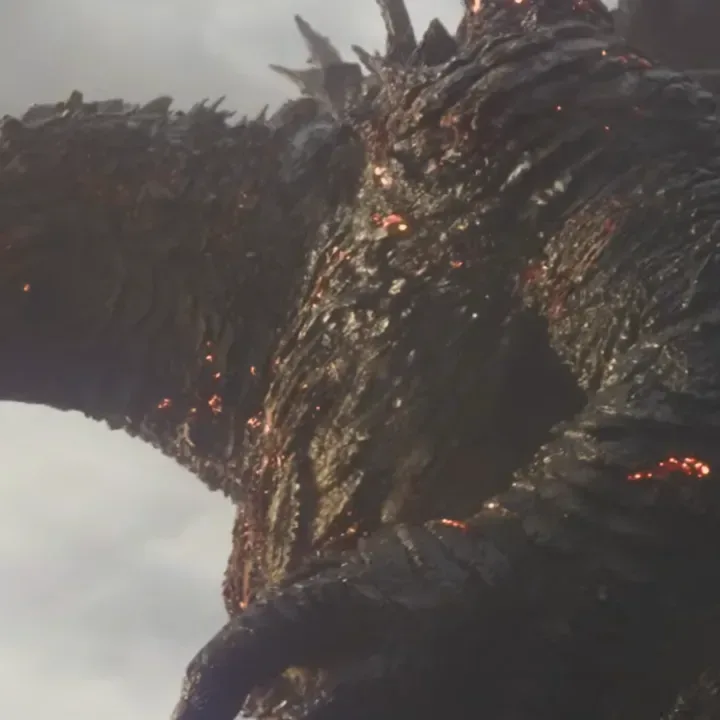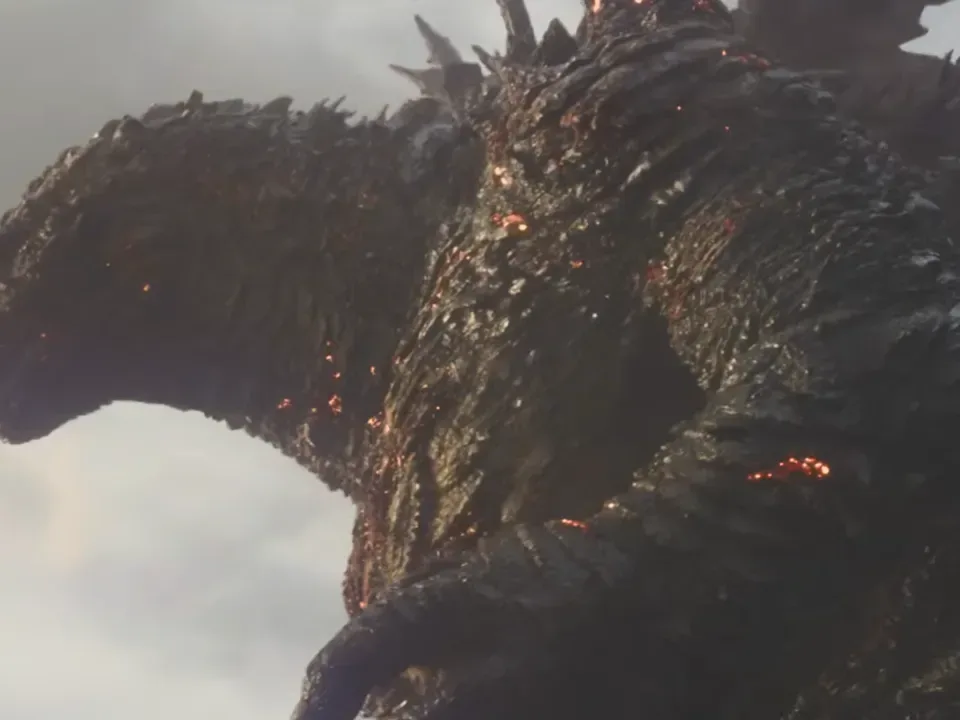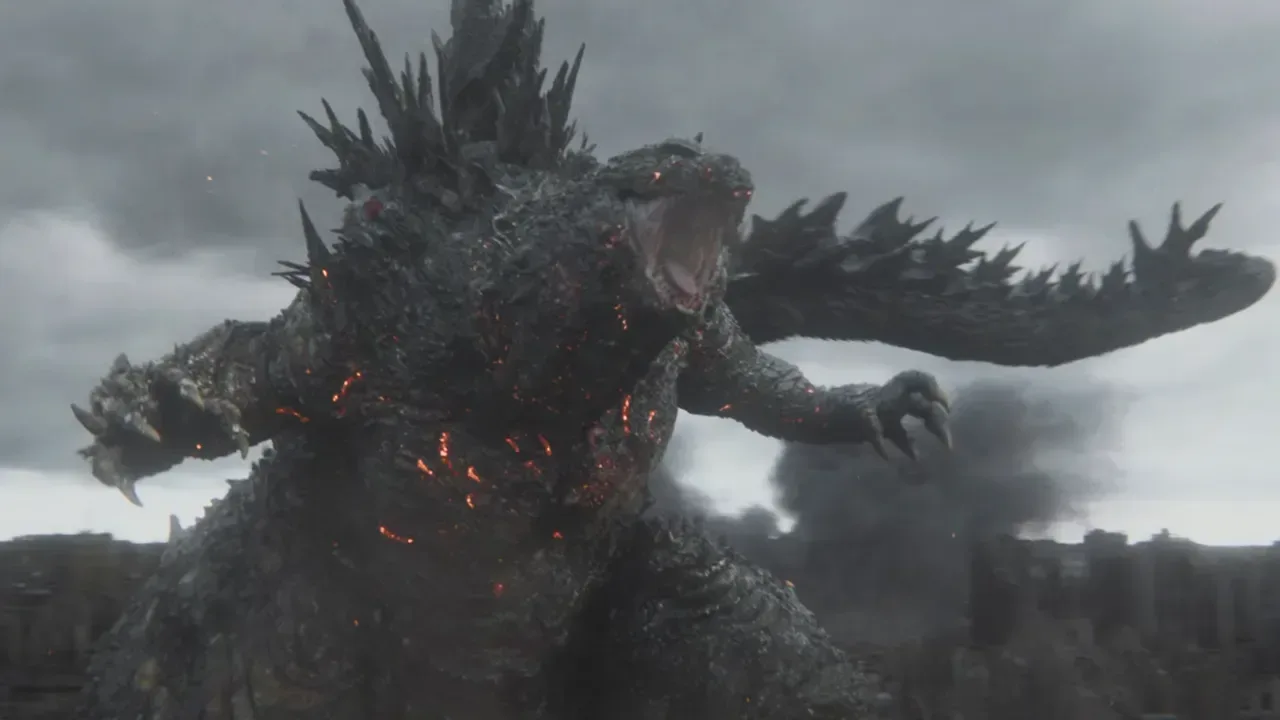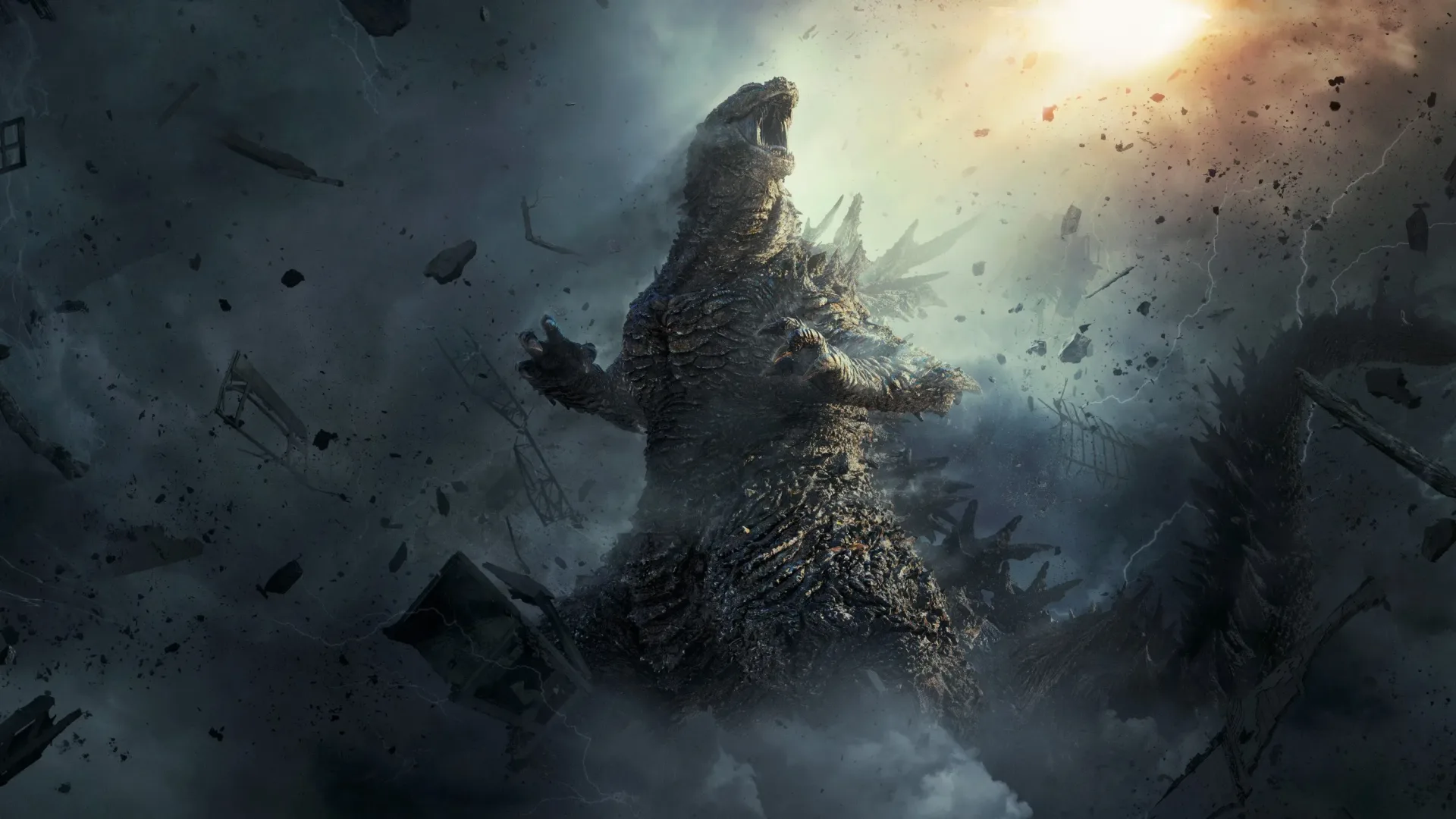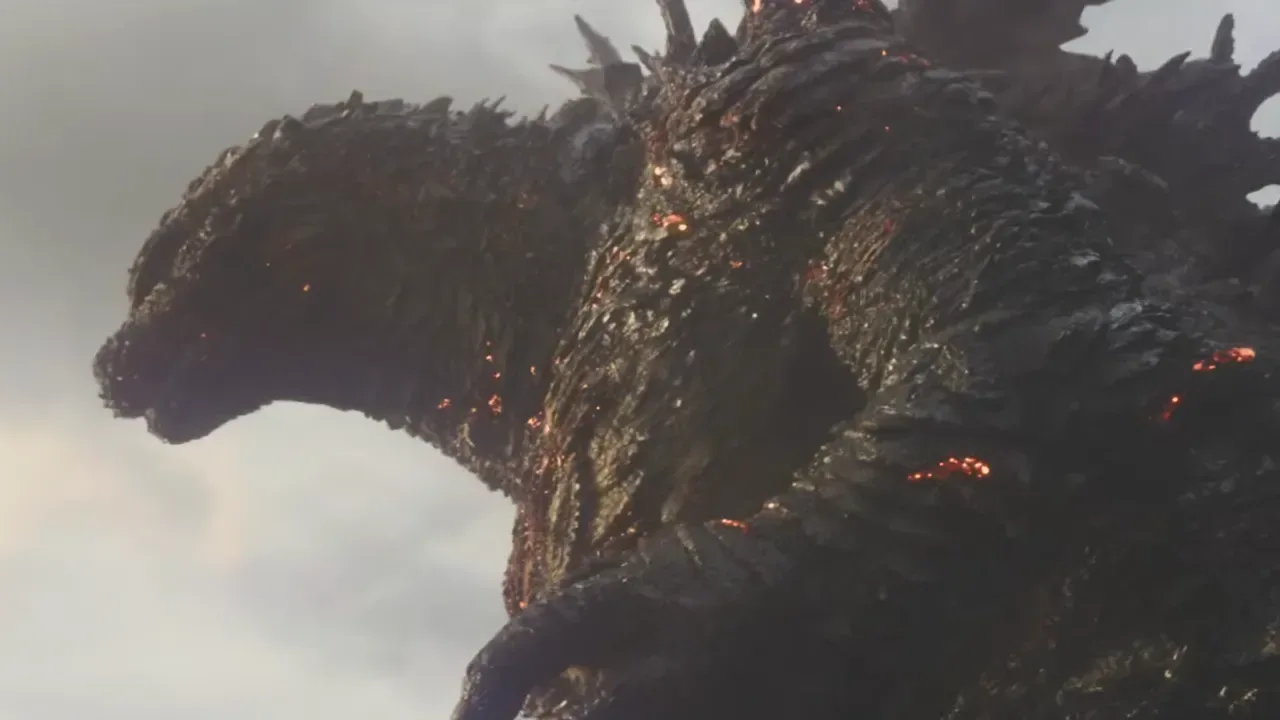
Godzilla Minus Zero is keeping one enormous secret intact while showing plenty of destruction around it. The latest one-minute trailer, unveiled during New York Comic Con 2026, spotlights Godzilla’s atomic breath and the lightning-like gravity beams wielded by King Ghidorah. It also makes clear that the three-headed kaiju will be a major airborne threat, blasting structures from the sky as the returning human characters face another catastrophic monster crisis.
What viewers still have not seen is Ghidorah’s complete new design. The sequel has again withheld that full reveal, suggesting the film intends to preserve the moment for its theatrical audience. Godzilla Minus Zero is set to premiere on November 6, less than a month after the trailer’s debut.
The trailer pairs a familiar Godzilla weapon with a fresh Ghidorah threat
Godzilla’s atomic breath needs little introduction in a Godzilla film: it is the monster’s signature ranged attack, portrayed here alongside Ghidorah’s distinctive energy weapon. Ghidorah’s “gravity beams” are described as lightning-like bolts, and the trailer uses them to establish the scale of the sequel’s danger. The shots of airborne targets being struck convey a battle that extends beyond streets and shorelines into the sky.
That visual contrast matters. Atomic breath is immediately legible as Godzilla’s weapon, while Ghidorah’s beams identify the opposing kaiju through their own kind of spectacle. The trailer does not need to show every detail of Ghidorah’s body to communicate the character’s destructive role. The beams, their apparent reach and the chaos they create do much of that work.
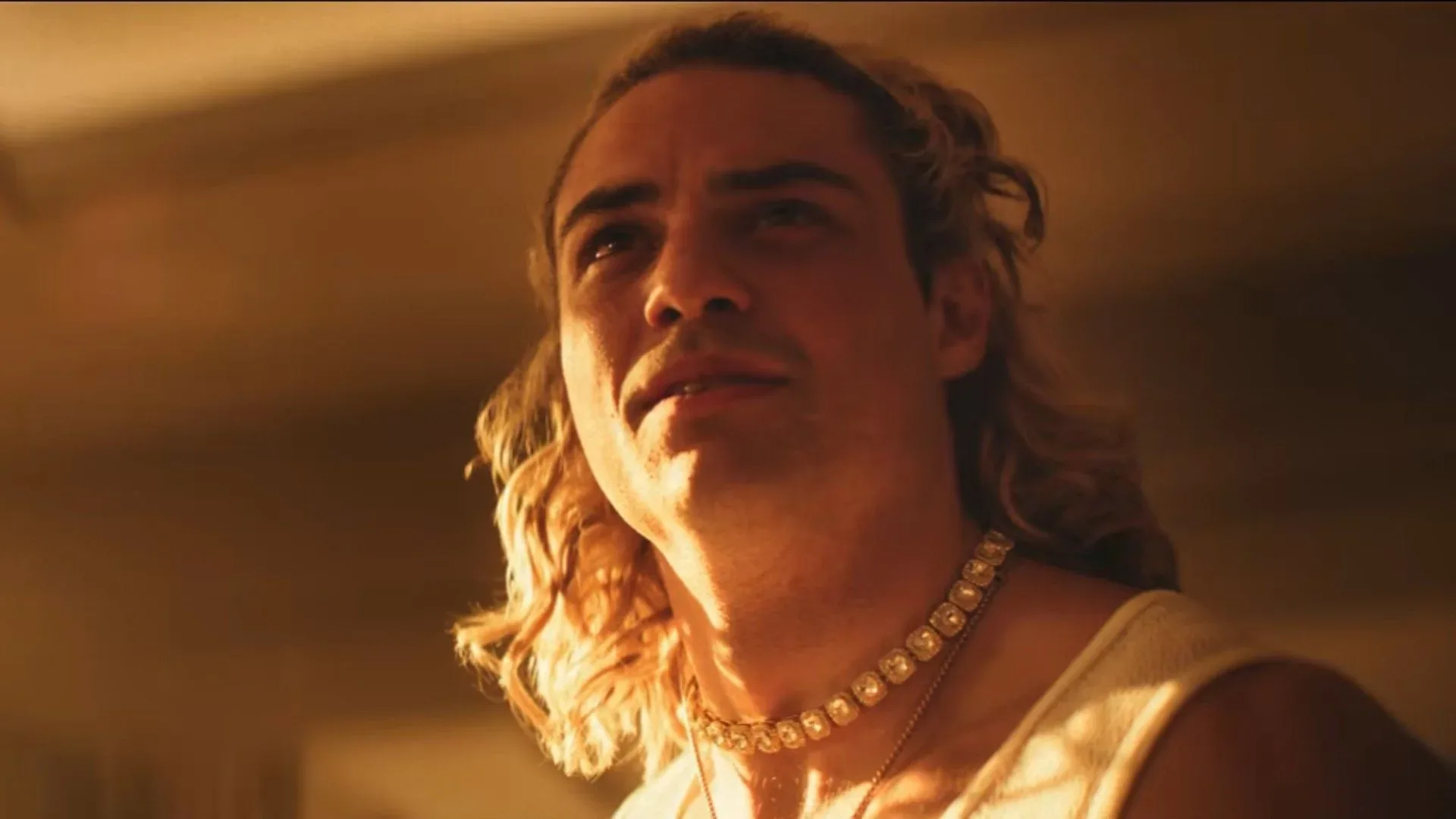
The new footage also returns to Noriko Oishi, played by Minami Hamabe. A central question teased by the sequel is how Noriko survived Godzilla’s first attack. That thread puts a human-scale mystery alongside the monster-scale action, rather than treating the creature confrontation as the film’s only concern.
The returning crew appears to be preparing to “fight fire with fire,” though the trailer leaves the exact meaning and method unresolved. For now, that ambiguity is part of the campaign’s strategy: reveal the scale of the threat, signal a survival story for its characters, and stop short of explaining every answer before release.
Why the ocean-and-plane shot is more complicated than it looks
One trailer sequence shows Godzilla emerging from the ocean while pursuing a plane. It may play as a fleeting action image, but the filmmakers’ production notes illustrate the amount of technical work packed into it. The ocean scene reportedly used 2 billion particles and was created by only two people.
In visual effects, particles are numerous individual elements used to simulate phenomena that are difficult to create as a single solid object. Water spray, foam, mist and debris are the sorts of effects that can require particle systems. For a shot involving a huge creature breaking through the ocean, those elements must help sell movement, scale and the interaction between the monster and the sea.
Related coverage includes Godzilla Minus Zero Trailer Teases Ghidorah's Gravity Beams Ahead of November Premiere.
The figure is especially striking because particle counts are not a simple measure of a scene’s quality or its final duration. A large count indicates the density and complexity of the simulation work, but artists still have to shape that work into a coherent image. The audience should read a colossal body surging from water, not pause to think about a technical statistic. That is the practical goal of VFX: make the impossible event feel integrated enough that the story can keep moving.
The production also faces a larger-format challenge. Godzilla Minus Zero is described as the first Japanese production filmed for IMAX. IMAX is a premium large-screen format, and the bigger presentation puts added pressure on image detail. Effects, compositing and sound all have to withstand a viewing environment built to make small flaws easier to notice.
Compositing, in this context, is the process of combining visual layers into a finished shot. A digital monster, ocean simulation, aircraft, environmental effects and photographed material may begin as separate elements. A compositor is responsible for making them appear to occupy the same light, space and moment. The task is particularly important for Godzilla imagery because the audience needs to believe a skyscraper-sized creature is affecting a real environment with real weight.
A younger VFX team is taking on major shots
The creative team discussed a deliberately collaborative working environment under director Takashi Yamazaki, with younger artists being trusted to manage whole cuts or scenes. Producer Kazuaki Kishida said some team members are as young as 22 or 23 and are capable of owning that level of work.
Visual effects artist and compositor Tatsuji Nojima’s path on the previous film began as a hobby before Yamazaki noticed his work. Nojima was 25 when he won an Oscar for visual effects work connected to Godzilla Minus One, making him the first Gen Z winner in that category. Kishida credited Nojima’s contribution in unusually blunt terms, joking that his own job might not exist without the artist’s work.
There is a useful distinction here between youthful staffing as a marketing talking point and meaningful creative responsibility. The relevant detail is not merely that the production includes younger artists; it is that they are reportedly assigned responsibility for completed sequences. In an effects-heavy film, a cut or scene is a substantial unit of storytelling. It has to communicate action, maintain continuity and fit the film’s visual language, rather than simply demonstrate technical skill in isolation.
The team’s description also suggests a workflow in which experience and newer approaches can coexist. Yamazaki is said to be receptive to fresh solutions from younger collaborators, without a rigid age hierarchy. That does not automatically guarantee a particular result on screen, but it explains how a small group can be empowered to handle demanding material rather than being limited to narrowly defined tasks.
Ghidorah’s sound began with a dam, not a digital preset
The work behind the sequel’s creatures is not limited to images. Sound designer and Foley artist Natsuko Inoue and production and post-production sound mixer Hisafumi Takeuchi discussed the challenge of imagining how Godzilla and Ghidorah should sound in a world where neither creature exists.
For Godzilla Minus One, the echo around Godzilla’s recognizable roar was recorded in a baseball stadium. For the sequel’s new monster, the team took recording equipment to a dam. The location was selected as part of the search for a powerful acoustic character suitable for Ghidorah.
Foley refers to performed and recorded sound effects created for a screen production, often to make actions and environments feel more present. It can include footsteps, handling noises and impacts, but the broader sound-design process also involves recording, manipulating and layering audio to create sounds for events that cannot be captured literally. A fictional giant monster is an especially clear example: the final sound is an artistic construction, even when it starts with real-world recordings.
The dam recording apparently had an immediate effect on at least one unplanned participant. Inoue recalled that a dog being walked nearby barked back at the crew’s sounds. It is a funny production anecdote, but it also points to the physicality of the process. The team was not only adjusting audio on a computer; it was testing sound in an environment whose scale and reverberation could feed into the creature’s identity.
Sound has a major practical role in selling giant-monster scale. A roar or beam effect has to feel large enough for the image without becoming a vague wall of noise. The sonic design must communicate force, distance and location, while leaving room for dialogue, music and other effects. A dam’s acoustics and a stadium’s echo are therefore useful raw materials: they can lend natural reflections and a sense of volume before further design work shapes the final result.
What remains hidden before the premiere
The campaign’s most significant omission remains the full look of this version of King Ghidorah. The trailer shows the consequences of the character’s presence—gravity beams, aerial destruction and escalating danger—without providing a clean, comprehensive design reveal. That choice gives the November 6 screening a genuine visual unknown.
It also leaves room for the film’s human story to matter. Noriko’s survival is not treated as a settled detail, and the returning characters’ response to the new threat remains only partly defined. The trailer is selling spectacle, certainly, but it has also attached that spectacle to questions the film can answer in full.
For viewers interested in the technical side, the pre-release details offer a clearer picture of the production’s priorities: extremely dense ocean effects, IMAX-scale presentation, young artists trusted with significant sequences and location-based recording used to build monster sound. For everyone else, the immediate takeaway is simpler. Godzilla has atomic breath, Ghidorah has gravity beams, and the film is still holding its biggest monster image in reserve.
Godzilla Minus Zero arrives as another prominent game-and-screen-adjacent genre event in a year that also includes ambitious adaptations such as the Street Fighter film’s character-specific approach to combat. In Godzilla’s case, the next question is not whether the monsters will fight. The trailer has made that much abundantly clear. It is how the Minus universe’s version of Ghidorah will finally look, sound and change the stakes once audiences see the entire film.