The PlayStation 2 is now 26 years old, an age at which a console is allowed to make funny noises, demand a particular cable nobody can immediately locate, and still insist it has better games than whatever is plugged into HDMI 1. Yet nostalgia alone is not a useful criterion for deciding what to replay. A game can be beloved and still be difficult to recommend on original hardware when modern ports, remakes, and newer control standards offer a clearer route in.
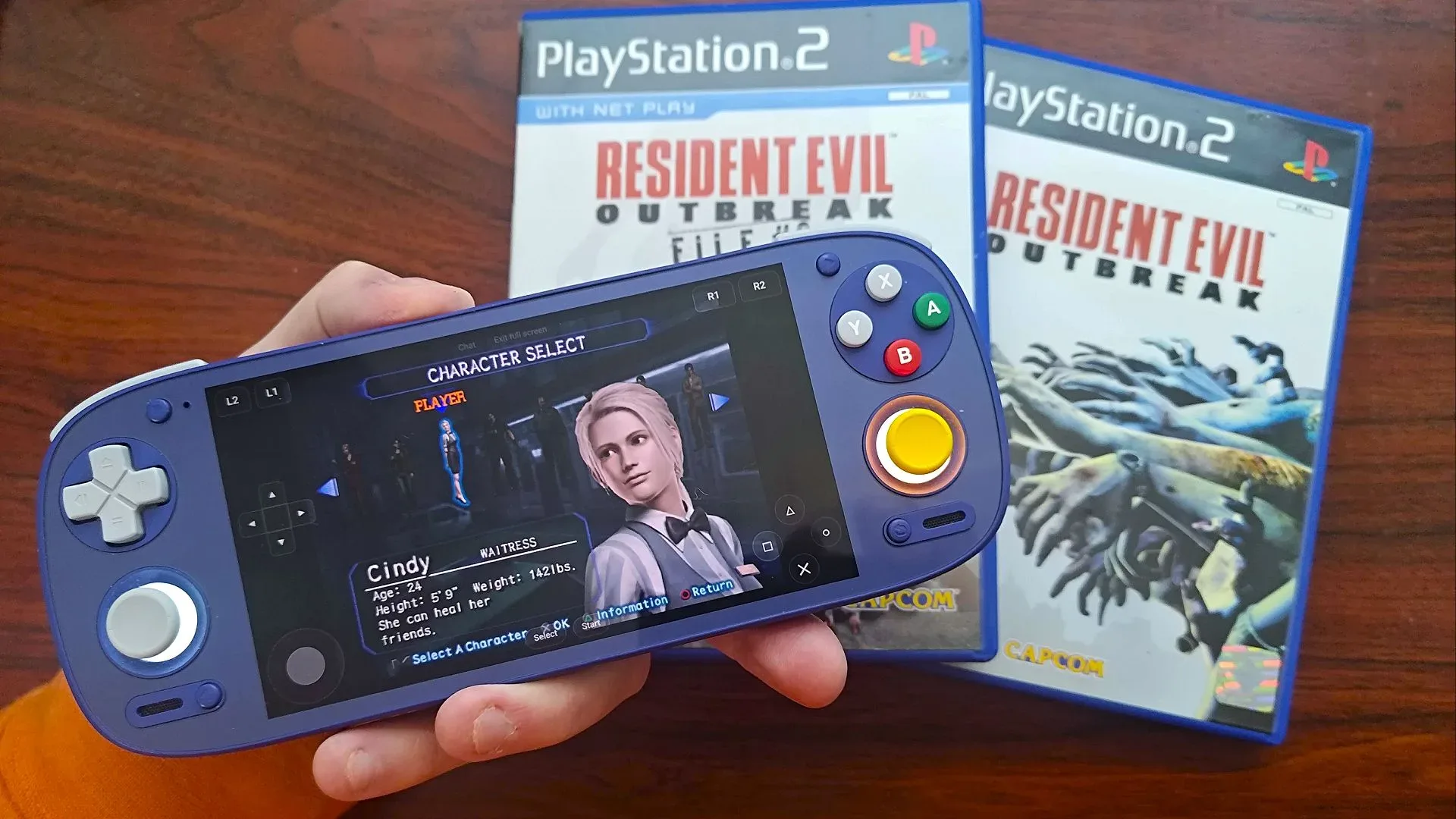
That distinction is what makes the best PS2 returns interesting. The strongest candidates are not necessarily the largest or most historically celebrated games. They are the ones whose original presentation, controller feel, local multiplayer, unusual structure, or lack of convenient alternatives give the machine a purpose in 2026. A modern display setup may take patience—an AV-to-HDMI adapter can help, but contrast and white-balance adjustments may still matter—but certain discs reward the effort.
For anyone keeping a PS2 on the shelf, or considering reviving one, here are 10 games that make the case for playing on the real console rather than simply remembering it. This is not a verdict that every original version is automatically superior. It is a practical list of games where the PS2 still has a distinct personality.
What “still holds up” actually means on PS2
“Holds up” is an elastic phrase. It does not mean that a 2001 game must handle, look, or load like a current release. It means its compromises remain compatible with what it is trying to do. A fixed camera can be frustrating in an action game built around spatial precision, for example, but can contribute to tension in survival horror. A simpler control scheme can feel dated in a sprawling open world, yet ideal for a quick two-player match.
It also matters whether a better-supported alternative exists. Fahrenheit, for instance, is easier to recommend on PC because its handling is less clumsy there. Resident Evil 4 has both its 2005 original and its remake available on Steam. Those realities do not erase the PS2 editions, but they change the reason to choose them. By contrast, a PS2-exclusive oddity such as Resident Evil: Dead Aim gains value precisely because the console is still its place to be.
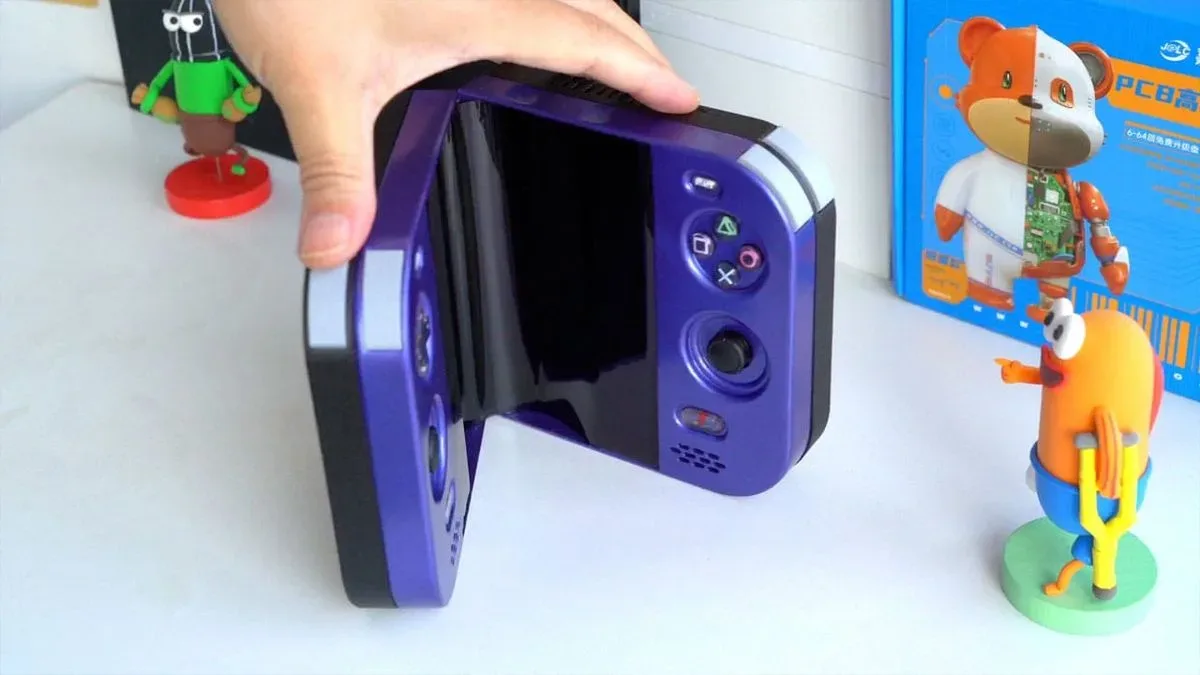
The hardware itself is part of the calculation. The DualShock’s limitations can become conspicuous next to modern controllers, and connecting an analog-era machine to a modern television is not always plug-and-play. That is why games with focused mechanics, strong visual identity, or couch multiplayer tend to make the best return trips. For another example of how enthusiasts are keeping the format alive in unexpected ways, see this foldable PlayStation 2 handheld built from broken consoles.
10. Silent Hill 2
Released: September 25, 2001
Best suited to: Players who want old-school psychological horror in its original texture
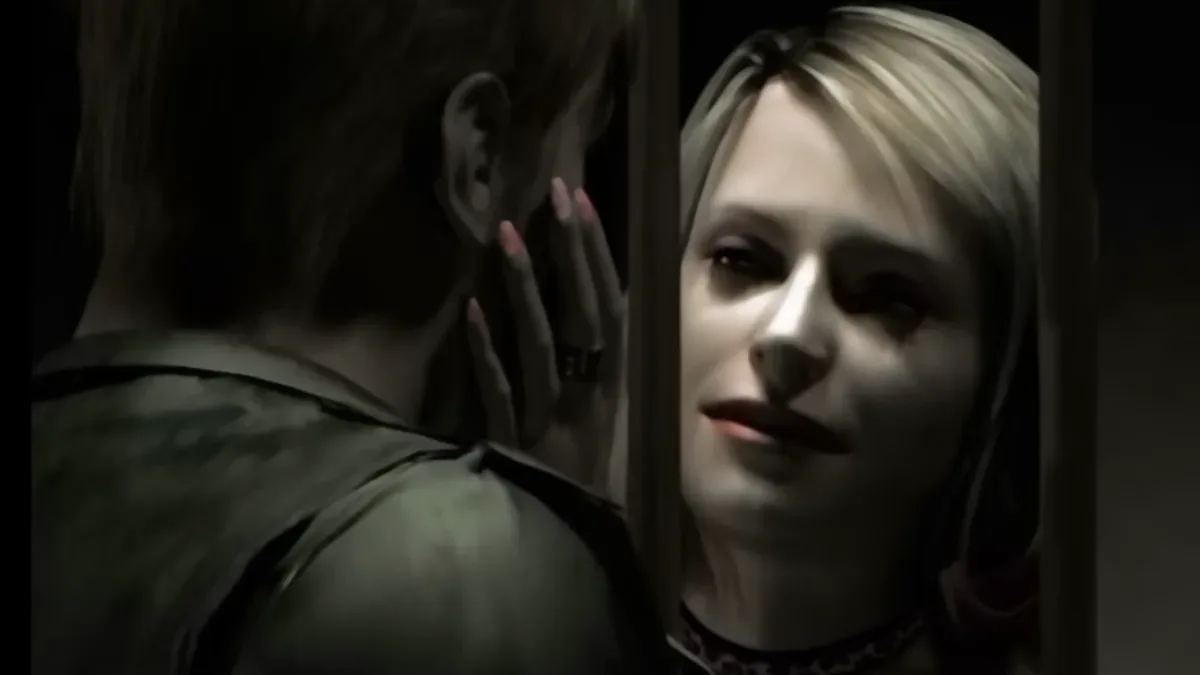
Silent Hill 2 comes with an obvious warning: fixed camera angles remain divisive. They can make movement and combat feel finicky, especially for people used to contemporary over-the-shoulder action games. But they are also part of the game’s uneasy language. The PS2 presentation’s murky, early-2000s visual character and soundtrack make its world feel rougher and more oppressive rather than merely lower-resolution.
Related coverage includes The PS2 at 26: 10 Games That Still Feel Best on Sony's Retro Console.
The 2024 remake offers a modern route into the story, but the original hardware has its own appeal for players interested in the version that established the game’s reputation. Its combat pressure is also not defined solely by constant enemy density, making avoidance a viable choice. That suits a survival-horror approach where discomfort and atmosphere, rather than nonstop fighting, carry the experience.
9. Grand Theft Auto: Vice City
Released: October 29, 2002
Best suited to: Open-world action with a memorable radio-driven atmosphere
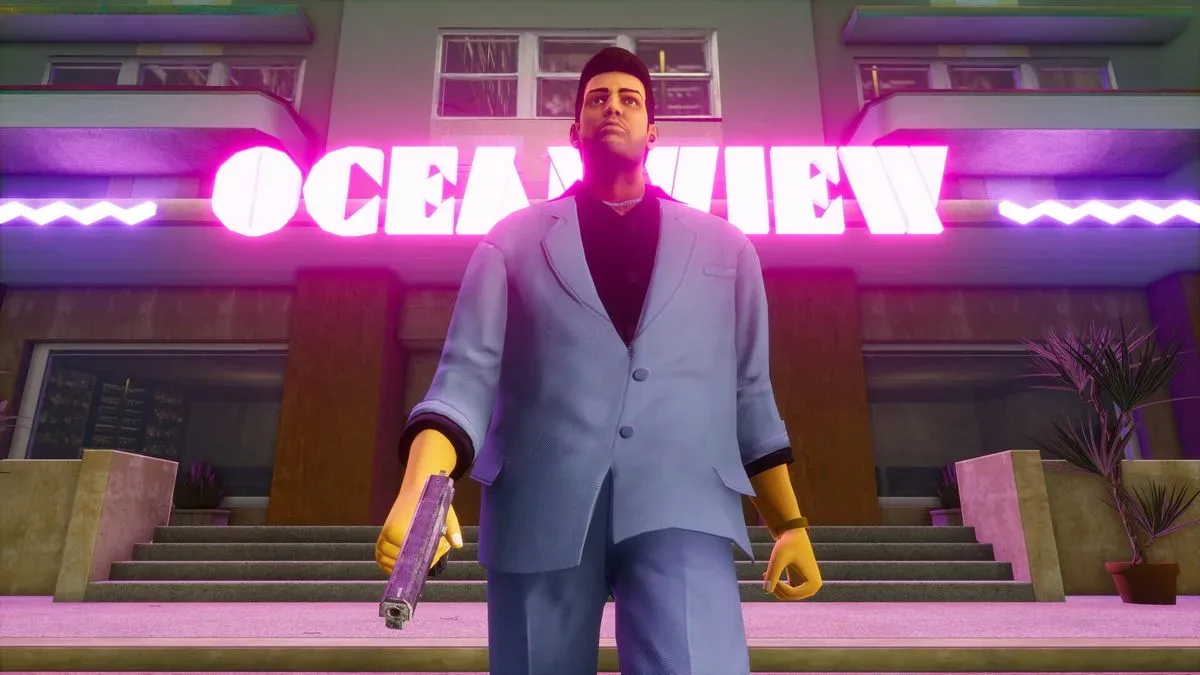
Grand Theft Auto: Vice City demonstrates how much visual impact the PS2 could deliver early in its lifespan. Its radio stations remain a major part of the package, giving traversal and downtime a distinct identity rather than treating the city as a series of silent commutes between missions.
More importantly, its driving, heisting, and shooting are reported to feel surprisingly smooth through the original DualShock. That does not remove the setup caveat: getting a convincing image on a modern television may require a capable adapter and adjustment of picture settings. Once the display is cooperating, though, the game’s core loop appears less burdened by the system’s age than many open-world contemporaries. It is a useful reminder that the feel of a game is not reducible to pixel count.
8. Resident Evil: Dead Aim
Released: February 13, 2003
Best suited to: Resident Evil players looking for a strange, compact detour
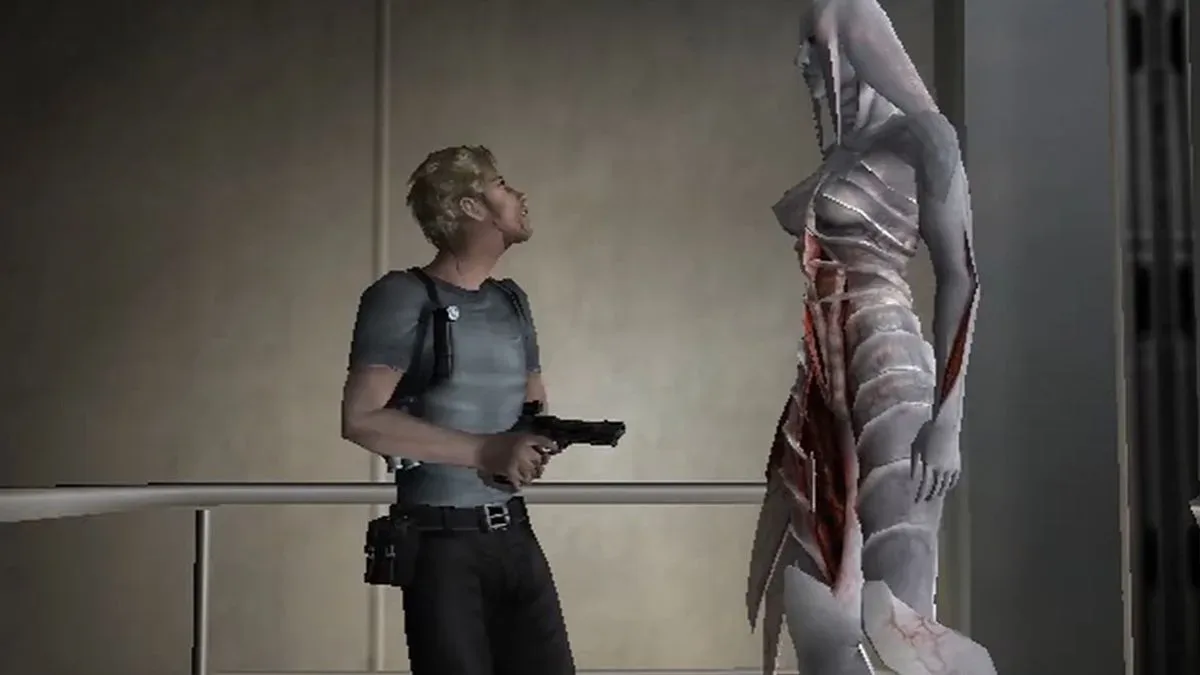
Resident Evil: Dead Aim is not polished prestige horror. It is short, messy, and knowingly bizarre: Bruce and Fong Ling navigate a zombie-filled cruise ship while facing Morpheus, an Umbrella executive turned stiletto-wearing Tyrant. That is a premise with absolutely no interest in behaving itself, and that is its advantage.
The game’s snappy pace makes it work as a brief survival-horror outing rather than a giant commitment. Its importance in a PS2 library is practical as much as tonal: it is a PS2 exclusive, while more obvious series choices have accessible alternatives elsewhere. For franchise devotees, that turns an eccentric spin-off into a meaningful reason to dust off the console. For everyone else, it is a weekend-sized reminder that not every worthwhile deep cut needs to be dignified.
7. Persona 4
Released: July 10, 2008
Best suited to: Long JRPG sessions and players who want the original release
Persona 4 combines social-simulation elements with turn-based combat, delivered through an anime visual style that remains expressive even when viewed through older hardware. The format matters: a long session can move from relationship-building and everyday routines into dungeon combat without treating those modes as separate games.
The PS2 version will not match newer releases for clarity or visual polish, and a remake, Persona 4 Revival, is expected next year. Still, the original holds a specific place. Players curious about the game’s roots can experience it in the form that put those systems together on the console, rather than assuming “older” automatically means “obsolete.” This is not an argument that everyone should skip Persona 4 Golden; it is an argument that the original’s style and structure remain legible on their native platform.
6. Spider-Man 2
Released: June 28, 2004
Best suited to: Players interested in superhero-game history as much as superhero comfort
Spider-Man 2 is an essential PS2 conversation piece, even if it is not the easiest game to recommend without qualification. Its web traversal helped establish ideas later associated with Insomniac’s Marvel’s Spider-Man games. That legacy is substantial, but heritage and immediate convenience are different things. Landing, movement, and lower-resolution presentation can feel more demanding now than they did at release.
The sensible way to approach it is not as a replacement for newer Spider-Man games, but as a playable historical design. It shows an earlier attempt at making movement through a superhero city feel like the attraction rather than a gap between missions. Anyone expecting modern ease may bounce off it. Anyone interested in that foundation will find a game that remains identifiable and playable, if not frictionless.
5. Buffy the Vampire Slayer: Chaos Bleeds
Released: August 26, 2003
Best suited to: Buffy fans and players who want varied character-driven action
Buffy the Vampire Slayer: Chaos Bleeds has the obvious advantage of an established television world, including returning members of the original cast. Its more durable strength, however, is mechanical variety. The playable cast rotates, bringing melee, magic, and vampiric abilities—when controlling Spike—to a mixture of action, platforming, and other challenges.
That range gives the game a livelier rhythm than a simple licensed brawler. It has flaws, including awkward enemy hitboxes, but its structure keeps supplying new reasons to continue. Licensed games are often remembered only as artifacts of their franchise, and this is a useful counterexample: affection for the show may get someone to start it, but the mix of characters and level types gives them a reason to stay.
4. Lemony Snicket’s A Series of Unfortunate Events
Released: November 9, 2004
Best suited to: Puzzle-minded players and shared, take-turns sessions
Movie tie-in games do not automatically inspire confidence, which makes Lemony Snicket’s A Series of Unfortunate Events a particularly appealing surprise. Built around the 2004 film’s treatment of the first three books, it assigns the Baudelaire orphans distinct abilities involving utility, weapon-adjacent, and traversal tools. Progress therefore depends on problem-solving, not only on moving from one fight to the next.
The game also has bite. A timed library platforming sequence and battles against rat hordes underscore that it is more demanding than its family-film association might suggest. It works especially well in a social setting where people can take turns, compare ideas, and collectively wrestle with a puzzle. The PS2 was made for passing a controller around while someone declares that the solution is “obvious” moments before everyone consults a guide.
3. Hitman: Blood Money
Released: May 26, 2006
Best suited to: Deliberate stealth-action experimentation
Hitman: Blood Money is among the most convincing demonstrations that a PS2 game can still feel sleek. It refines the sandbox-style assassination ideas of Hitman: Contracts, encouraging players to think through situations rather than merely react to them. Environmental traps, ledge pushes, and kills designed to resemble accidents all feed into that central fantasy: not simply completing an objective, but engineering it.
The notoriety system is another defining feature. In plain terms, notoriety tracks how recognisable Agent 47 becomes through his actions, adding an extra layer to the question of how cleanly a mission is handled. That system, alongside the game’s menu of inventive outcomes, makes replay and experimentation central rather than optional. Modern Hitman games may have expanded the formula, but Blood Money remains a key PS2 expression of it.
2. The Simpsons Hit & Run
Released: September 16, 2003
Best suited to: Fast, funny driving chaos
The Simpsons Hit & Run is often reduced to a comparison with Grand Theft Auto, but that misses its more approachable mix of racing action, carjacking mischief, simple controls, and customization. Its cartoon world gives the mayhem a deliberately bright and silly tone. It asks less of the player than a heavyweight crime saga and gains something from that directness.
The game’s appeal is inseparable from its PS2-era personality. A remake could potentially modernize it, but modernization is not guaranteed to preserve the compact, playful character that makes it memorable. It remains a strong pick for a short session: recognizable places, immediate objectives, and enough absurdity to make a bad run feel like part of the joke rather than a failure.
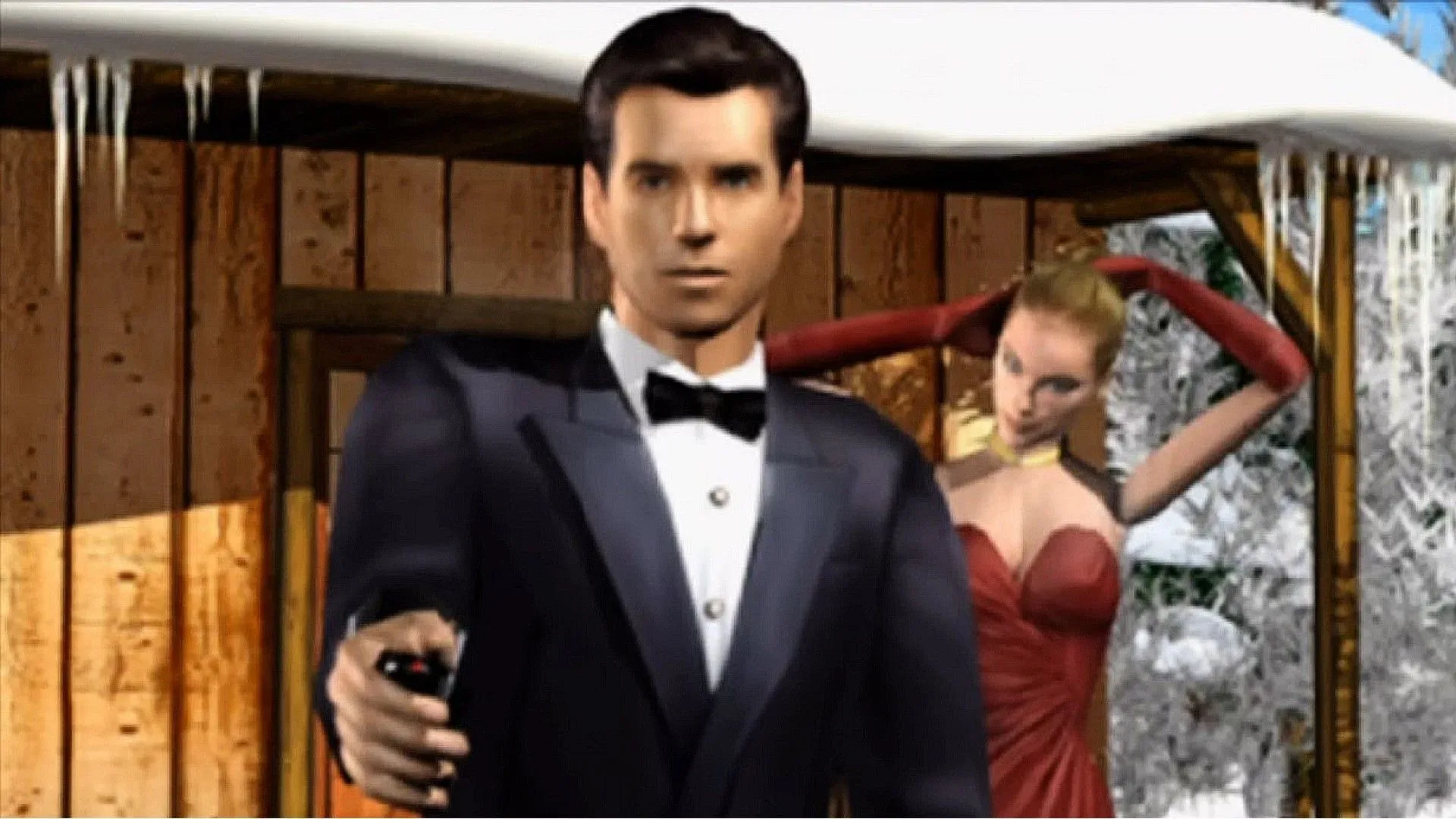
1. James Bond 007: Nightfire
Released: November 18, 2002
Best suited to: Local multiplayer and campaign-minded Bond fans
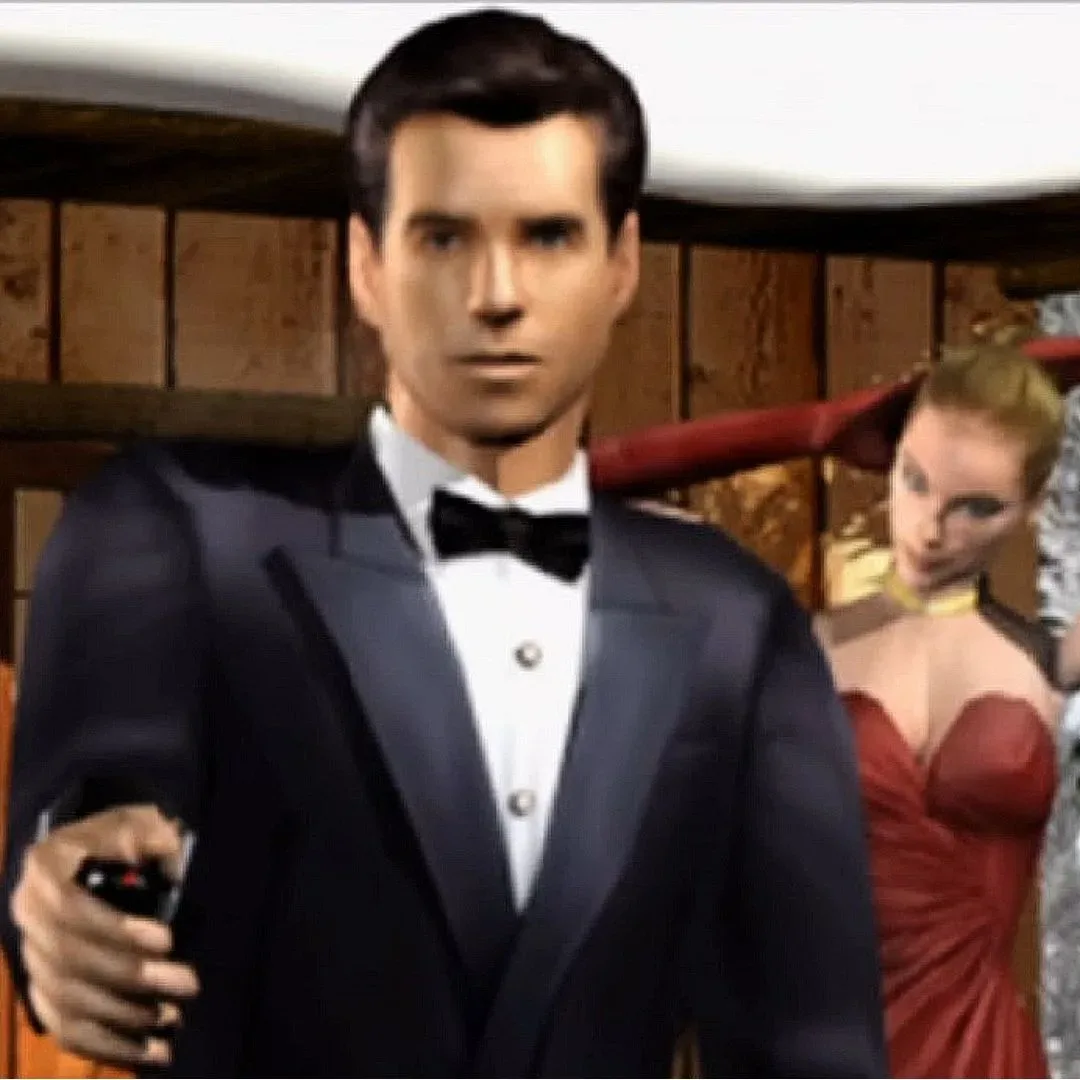
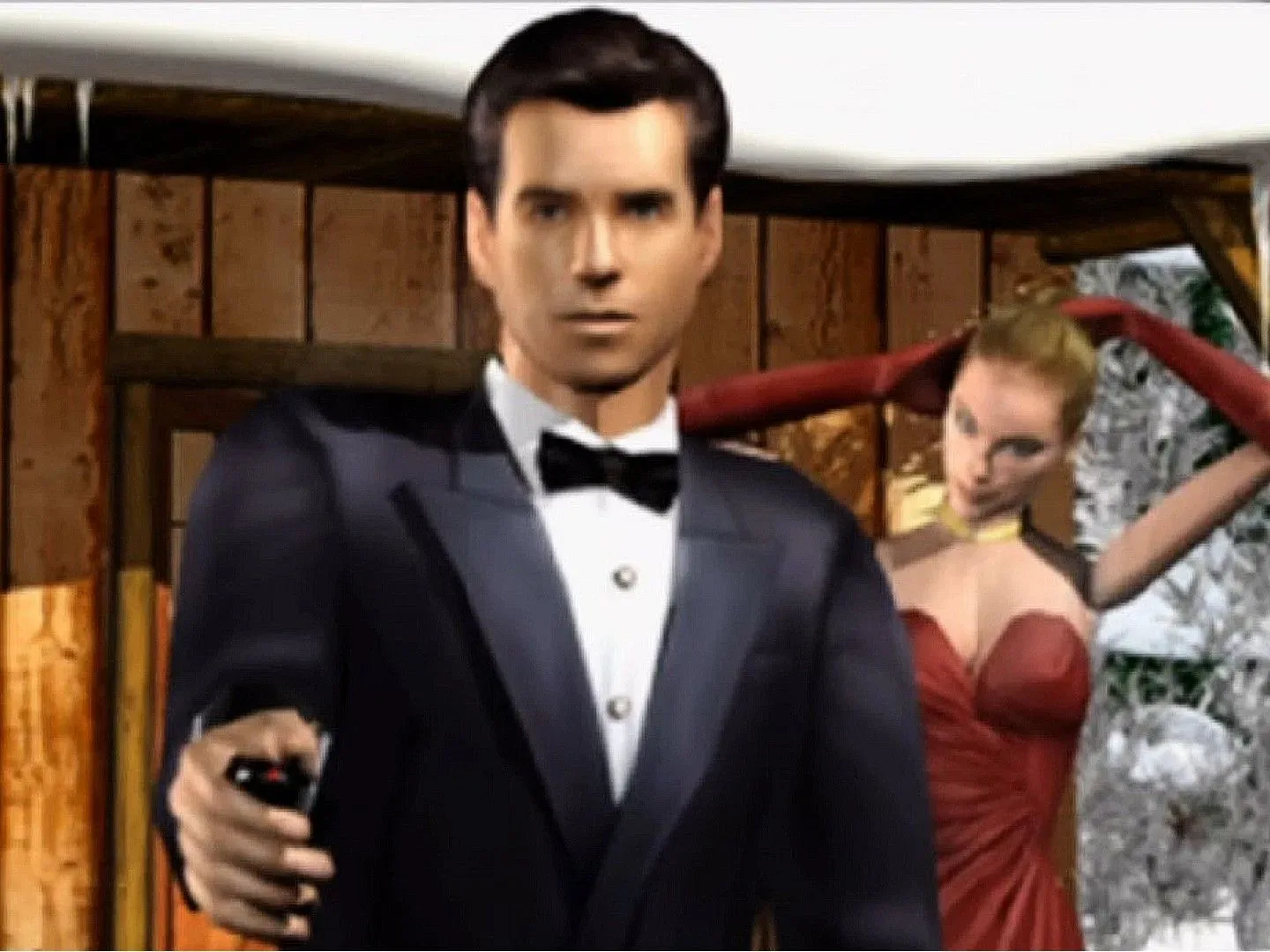
James Bond 007: Nightfire earns the top spot not because it has escaped time entirely, but because its best mode still answers a need modern games often neglect: quick, customizable local multiplayer. The first-person shooter lets a second player join as teammate or opponent, offers a broad character selection, and gives each map its own quirks. Skyrail’s cable-car setting and Fort Knox’s darker spaces offer notably different moods.
Weapon-spawn settings add another layer. They let players control which guns appear, although a lobby in which every participant—including bots—keeps respawning with the one-hit-kill Golden Gun can rapidly become a very specific kind of chaos. That is not a defect so much as the sort of rule-set accident that couch multiplayer turns into a story.
Its tankier controls reveal its age, but Nightfire does not need to compete with every modern shooter on smoothness alone. Its enduring case is social: pick a map, decide whether player two is friend or enemy, and see what happens when someone finds the heat-seeking missile launcher. For a PS2 gathering, that remains a formidable pitch.
A PS2 library is strongest when it is selective
There is no need to pretend every old game is best on its original machine. Ports, remakes, and more accommodating controls can offer better routes to many classics. The better reason to keep a PS2 connected is more specific: some games retain an original atmosphere, a unique release, a local social format, or a design that feels properly at home with the console in front of you.
That is the thread joining this group. Silent Hill 2 preserves a particular kind of unease; Dead Aim preserves a peculiar exclusive; Blood Money preserves a dense stealth sandbox; and Nightfire preserves the instant negotiation and chaos of shared-screen play. The PS2 may require more setup than a modern system, but these are the games that turn that inconvenience into an occasion.