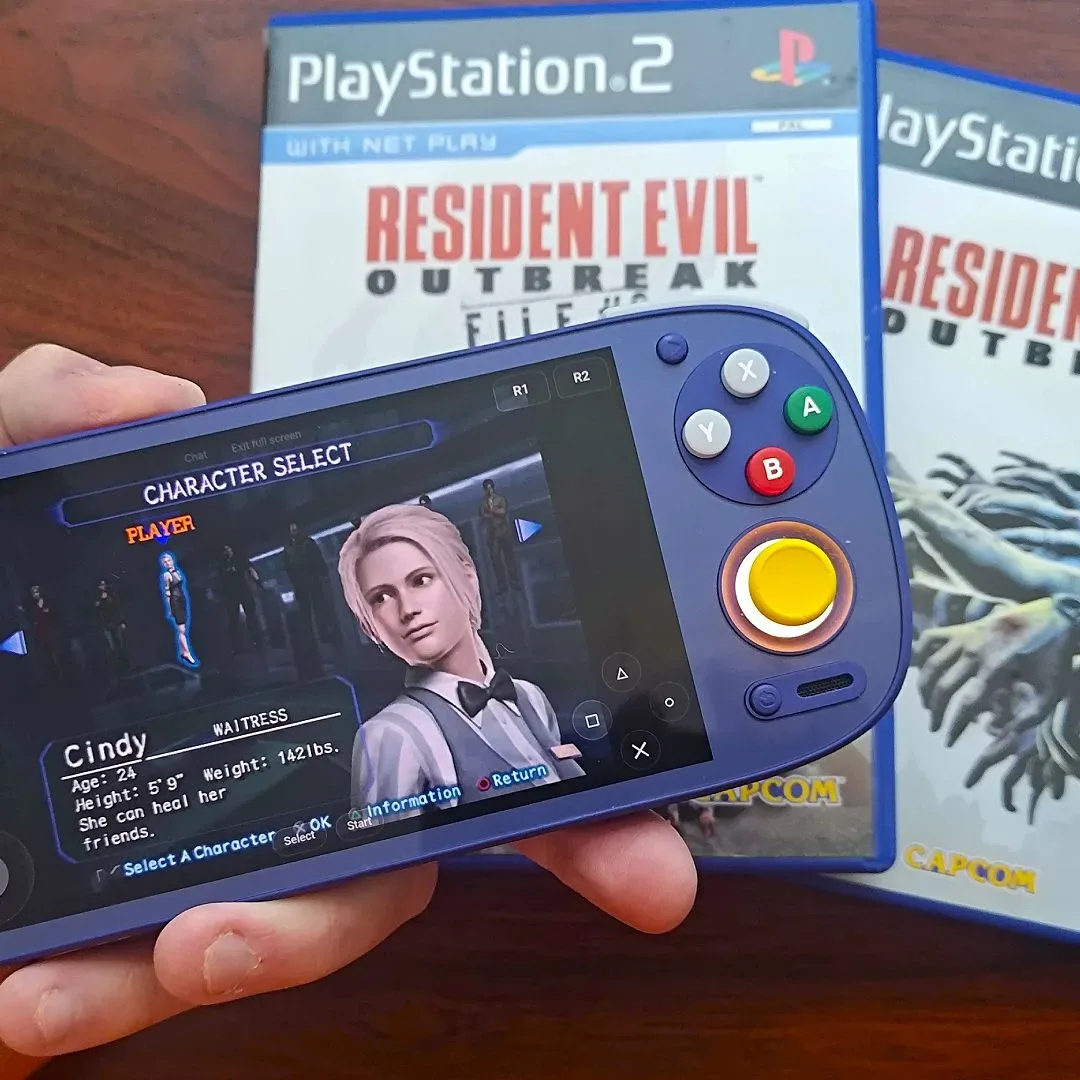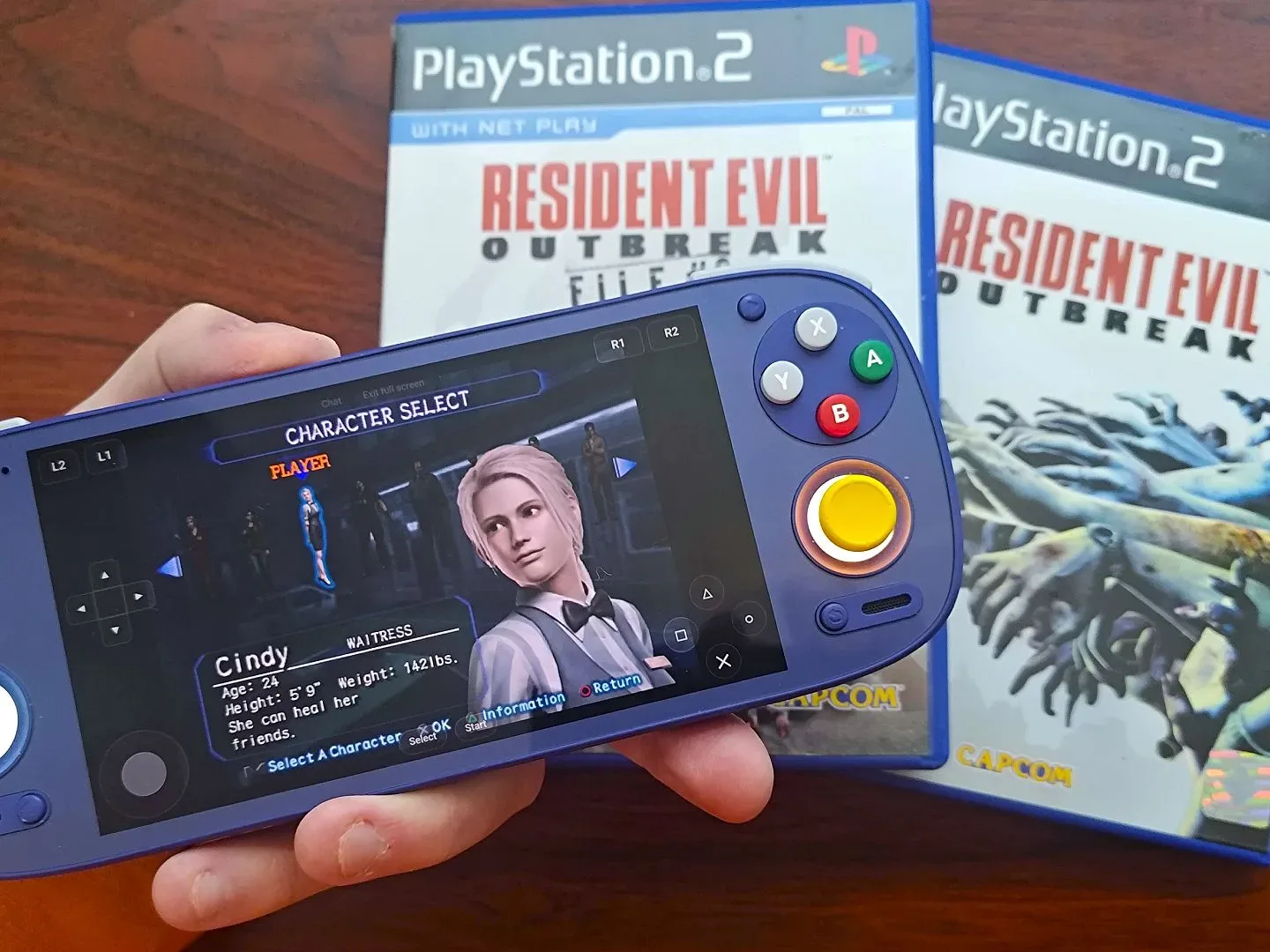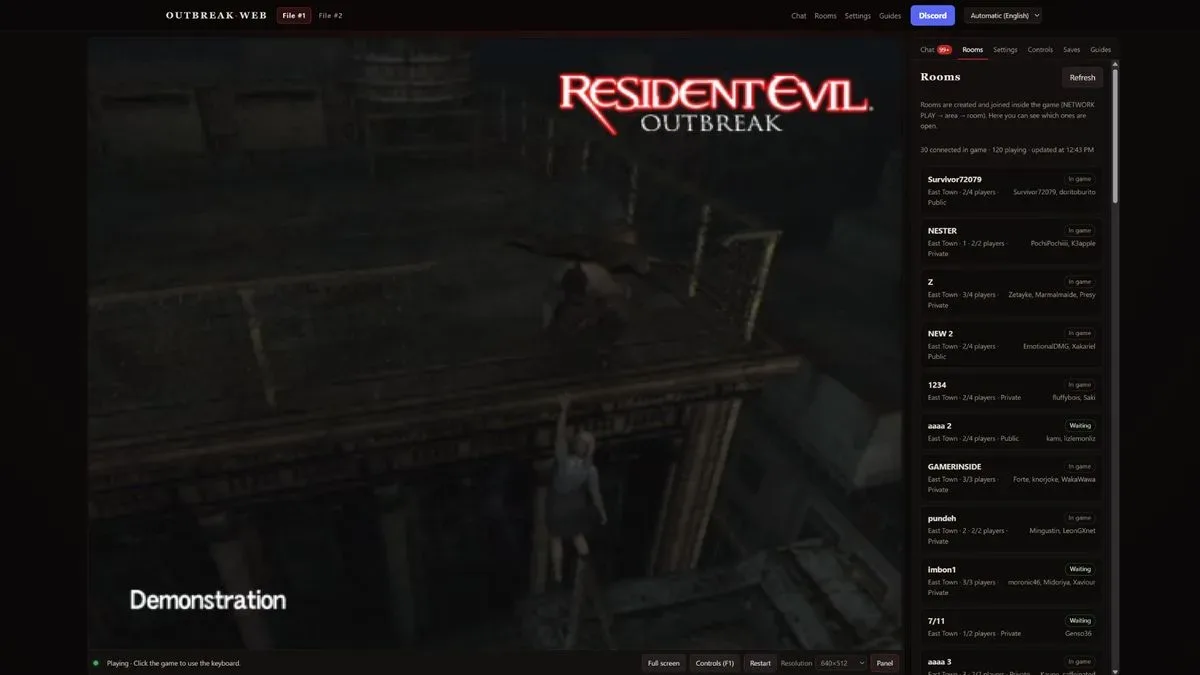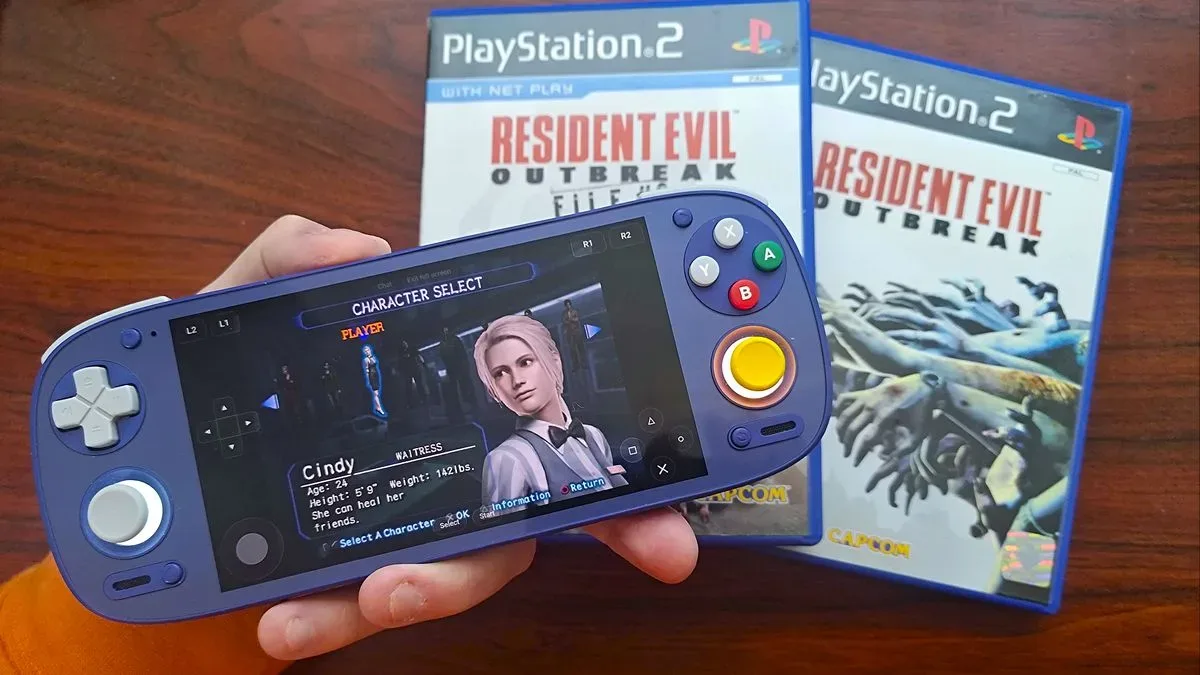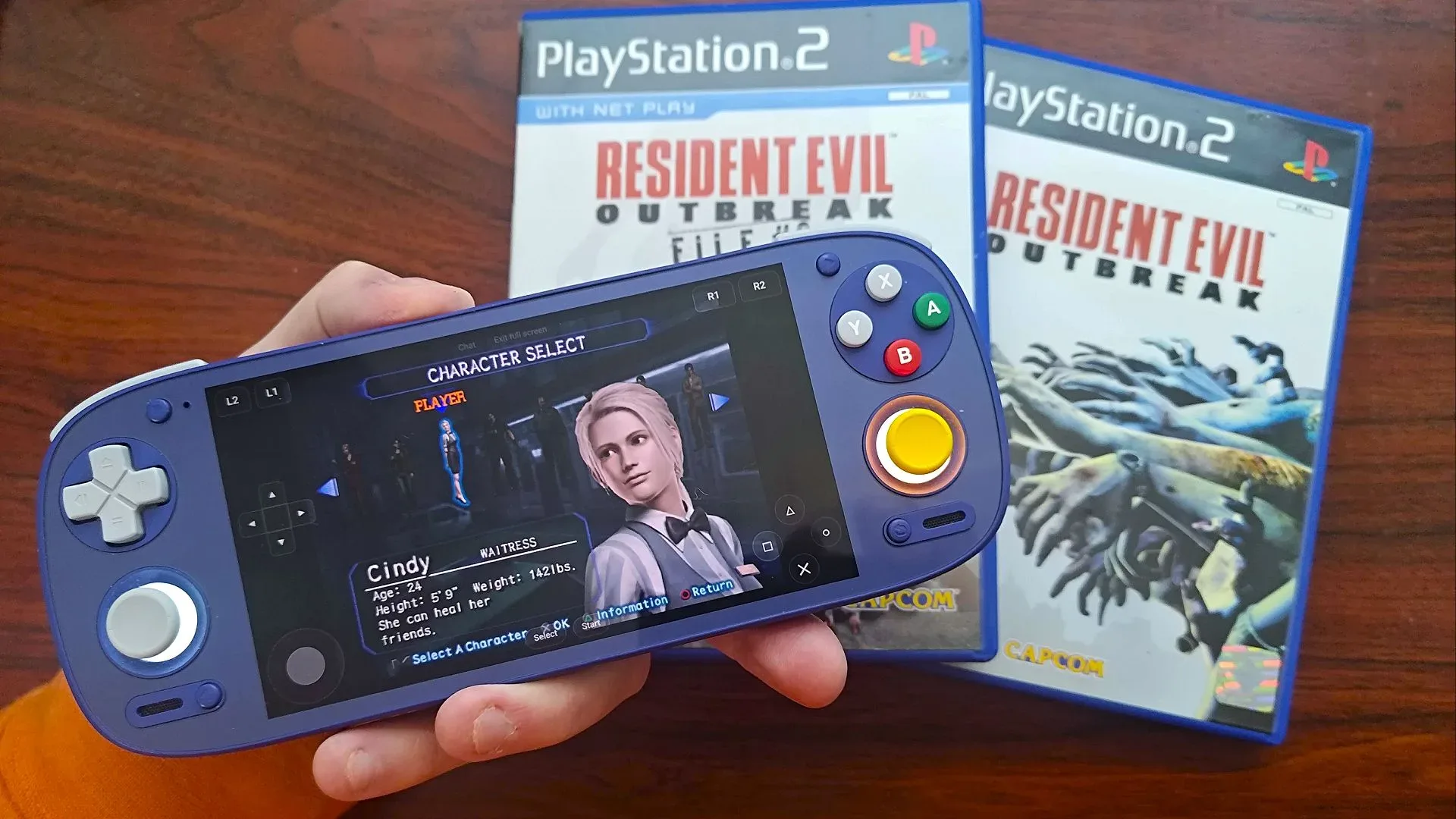
Resident Evil Outbreak, Capcom’s 2003 PlayStation 2 multiplayer spin-off, is reportedly being offered through a browser-based project that also lists its follow-up, Resident Evil Outbreak File #2. The appeal is obvious: no original console, Network Adapter, emulator setup or local game files are presented as necessary, while controller support, saved progress and multiplayer rooms are all said to be part of the experience.
That is an unusually frictionless proposition for two games closely associated with an era when taking a console online meant acquiring additional hardware and navigating far less seamless network infrastructure. Yet the project arrives with two sizable caveats. It appears to be an unofficial distribution of Capcom software, and community discussion has raised, but not verified, concerns that artificial-intelligence tools may have been involved in its development.
Those are separate questions, and it is worth keeping them separate. One concerns whether a browser version can remain accessible at all; the other concerns transparency around how it was made. Neither is answered simply by the fact that the games can reportedly be launched from a web page.
What the browser project says it offers
The project is presented as a way to play both Outbreak titles in a browser, including cooperative multiplayer. Its listed features include controller compatibility, game saves and multiplayer rooms. It is also described as usable on retro handheld hardware, although performance may vary relative to a more powerful handheld or a PC.
For players interested specifically in the co-op side of Outbreak, rooms matter. The original game was an online multiplayer spin-off built around escaping Raccoon City with other players. A browser interface that reduces the steps between opening a game and joining friends has understandable appeal, particularly for people who missed the PlayStation 2 online period entirely.
However, easy access should not be confused with an official re-release, preservation program or a guaranteed long-term service. Nothing in the available information establishes that Capcom has authorized the site or that the project has a durable basis for distributing the games. The distinction affects expectations: a fan-operated browser service can be convenient today without offering the certainty normally associated with a licensed storefront or publisher-run platform.
The AI question is a transparency issue, not a settled fact
Discussion around the project has centered on claims that it may be “vibe-coded.” The term is informal and generally describes a development approach where a person directs an AI coding tool through prompts and uses generated code, potentially with limited direct understanding or manual review of every part of the resulting program.
That label alone does not tell players what tools were used, how much code came from them, whether the code was reviewed, or whether AI was involved at all. In this case, the evidence available does not settle those points. There is reportedly no public code repository and no publicly available source code to inspect. Questions about AI use have also not received an answer through the project’s Discord community space.
As a result, it would be inaccurate to state as fact that the browser version was made with Claude or any other AI tool. The responsible description is narrower: players have raised the possibility, but the project’s development process is not publicly documented enough to confirm or dismiss it.
That lack of documentation creates a practical choice for players who want to avoid AI-assisted projects. They cannot make a fully informed decision based on verifiable technical information if the developer does not provide it. A clear statement of tools, contributors, code provenance and testing practices would not resolve every concern, but it would give users something more concrete than speculation.
Why open code is relevant here
A public repository does not automatically make a project safe, legal or high quality. It does, however, allow interested people to examine its code and development history. That can help technically minded users understand how a project works, identify contributors and evaluate claims made about its origins.
The absence of a repository proves nothing about AI use. Many projects are closed-source for a range of reasons. But it does mean independent verification is limited. For a project asking users to run a game through a browser and potentially connect to multiplayer rooms, that missing transparency will understandably be important to some prospective players.
Browser play does not erase the preservation work already available
Resident Evil Outbreak has been playable online through emulation for years. That context matters because browser access is not the only route for revisiting the series with other people. The browser project’s strongest apparent selling point is convenience rather than exclusive access to online co-op.
Emulation is the use of software to reproduce the behavior of one system on another device. In this setting, a PlayStation 2 emulator lets compatible hardware run PlayStation 2 software. It can involve setup work, configuration and responsibly obtaining the necessary game data, but it also gives users more control over the environment than a browser page operated by an unknown party.
For players whose priority is transparency, an established emulator setup may be easier to evaluate than a web service with undisclosed implementation details. For those whose priority is simply low-friction multiplayer, the browser approach may be attractive, provided they understand the uncertainty surrounding its longevity and origins.
There is also a hardware route. Original PlayStation 2 consoles remain an option for people who want to experience the games on period-appropriate equipment. A CRT, or cathode-ray tube television, is the display technology commonly paired with older consoles because it reflects the visual environment for which many games of that generation were designed. An upscaler can alternatively convert older console video output for a modern display. Neither approach is necessary for everyone, but each illustrates that browser delivery is only one option among several.
Portable hardware adds another layer. Retro handhelds can be appealing for consolidated libraries and travel-friendly play, but the available information specifically cautions that mileage may vary. In simple terms, a device that can technically run a game may not necessarily provide performance comparable to a stronger handheld or PC, particularly when networking and browser overhead enter the equation. Players considering that route should treat compatibility claims carefully rather than assuming equal results across devices.
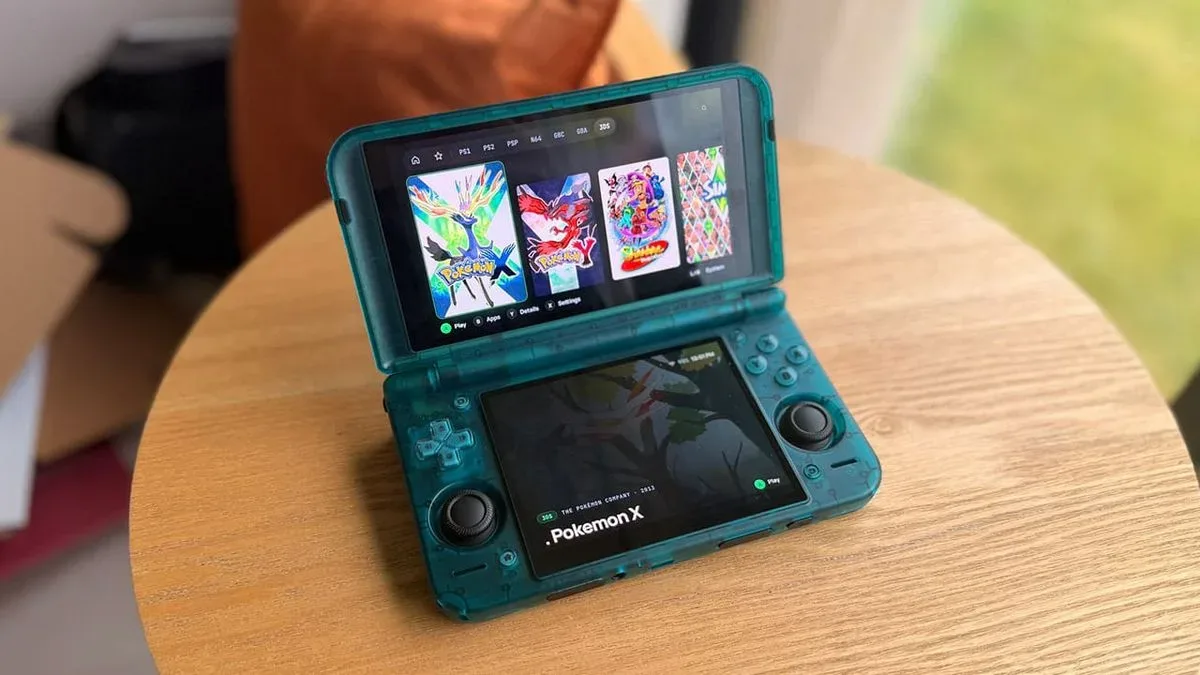
For a related look at how handheld-focused software can change the way older games are organized and accessed, see this report on a dual-screen frontend for Android gaming handhelds.
The larger risk is that the project may not last
The browser project may also face action from Capcom because it is apparently offering unofficial access to copyrighted games. That possibility is not unique to this project, nor does it establish what Capcom will do next. It does mean users should avoid treating the service as permanent.
This is the central practical limitation of browser-based access to older commercial games: convenience can be immediate, but control sits elsewhere. If a site changes, loses support or is taken down, users may lose the method they were relying on. Save support is useful while a service remains available; it is less reassuring if there is no clarity about exporting data, maintaining compatibility or preserving the service itself.
That does not diminish the enthusiasm behind making a difficult-to-access multiplayer game easier to reach. It does mean the project occupies an unstable space. The same feature that makes it attractive—being able to jump into a PlayStation 2 game with friends without a traditional setup—also depends on an operator, a website and a legal position that users do not control.
What prospective players can reasonably take from this
- The accessibility claim is significant: the project is presented as browser-based access to both Outbreak games with controllers, saves and multiplayer rooms.
- AI involvement is unconfirmed: concerns have been raised, but no public code or developer explanation is available to establish whether AI coding tools were used.
- It is not the only multiplayer path: online play through emulation has existed for years, even if it may require more setup.
- Handheld support is not a blanket performance guarantee: less powerful devices may provide a different experience from a PC or stronger portable system.
- Unofficial availability may be temporary: potential copyright enforcement makes long-term access uncertain.
For now, the browser version is best understood as an intriguing but opaque way to revisit a notably unusual chapter of PlayStation 2-era Resident Evil. It promises a low barrier to cooperative survival horror, but the unanswered development questions and the possibility of removal are not minor footnotes. Players who value transparent tooling, stable access or clear rights status have valid reasons to look at established emulation or original-hardware options instead.
Shop the products
Check current price, model and availability at the retailer.