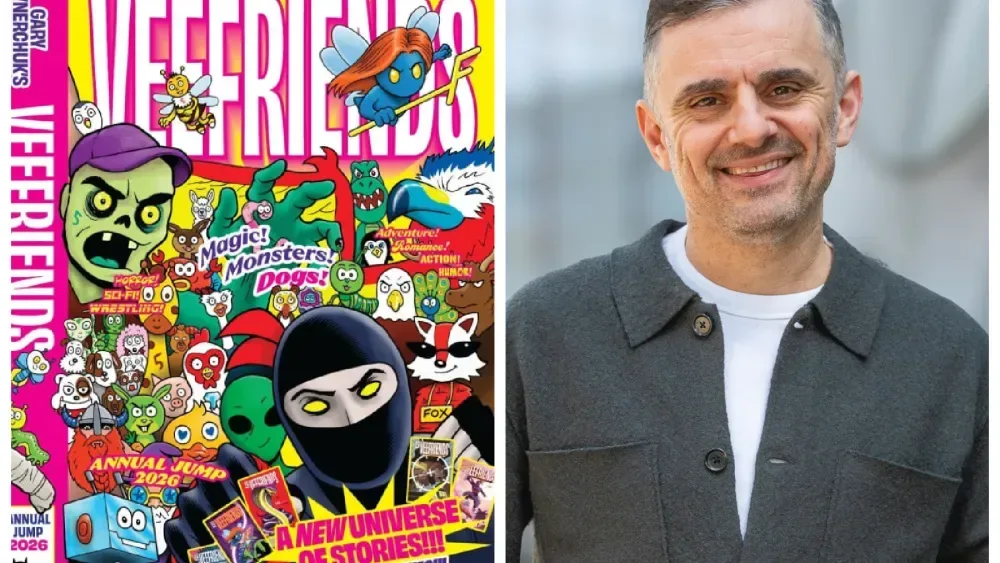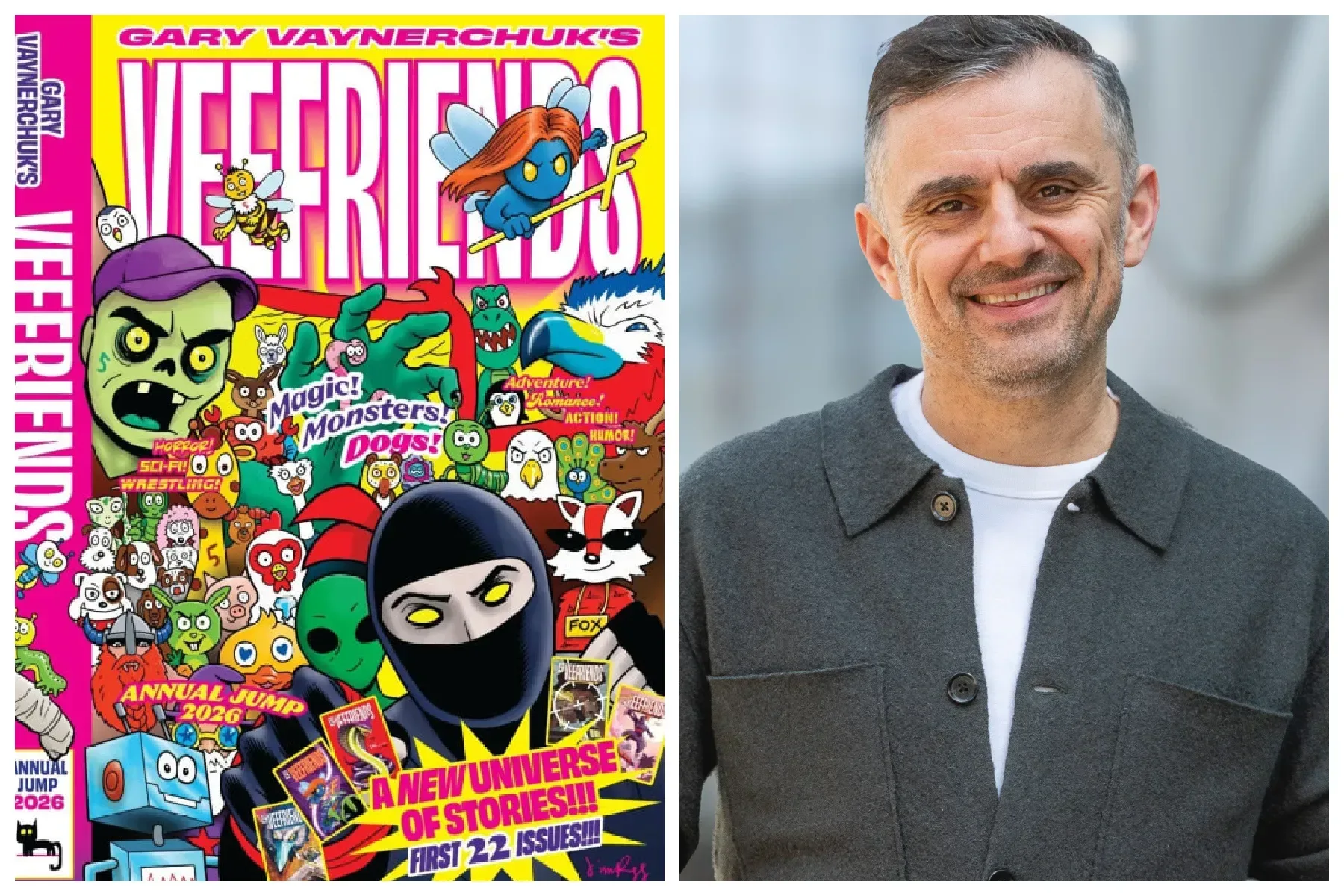
VeeFriends is pushing further into comics and collectibles with issue #22, “Gentle Giant,” positioned as part of the brand’s largest product expansion so far. The new issue brings a specific, older-skewing genre experiment to a character universe that already contains more than 280 hand-drawn personalities: a Cold War-set science-fiction tale about a supersoldier who does not want to be one.
That premise is important because VeeFriends is not treating its characters as a single all-purpose children’s property. Its stated model is broader: build a large roster around kindness and life lessons, then use different characters, formats and genres to reach different audiences. Comics, physical and digital collectibles, trading cards, and other content all sit within that plan.
For collectors, readers and comics fans, “Gentle Giant” is therefore more than a new cover or a new character beat. It is a useful illustration of how VeeFriends intends to turn a character library into a transmedia intellectual-property business—one where the individual story, rather than the brand name alone, determines the intended readership.
What “Gentle Giant” is about
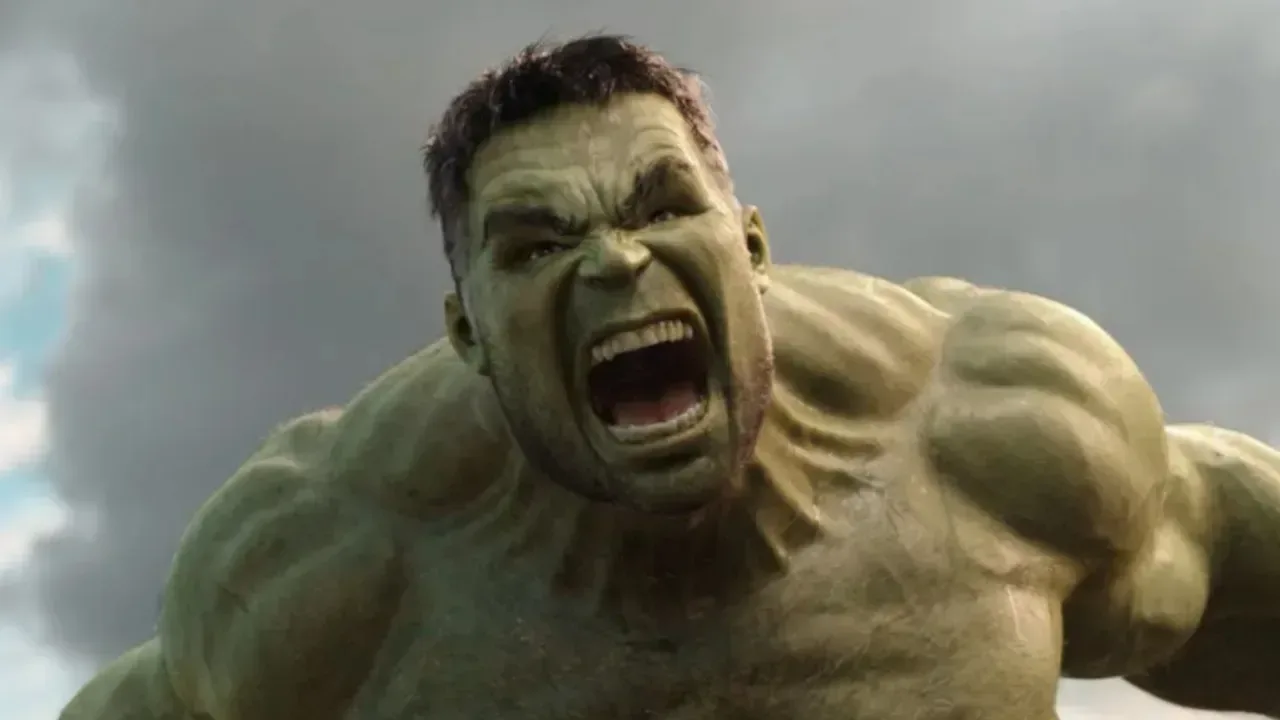
“Gentle Giant” features cover art by Rob Liefeld and centers on a secret government project during the Cold War. The project uses ancient giant DNA to make an ultimate supersoldier. Its result is a 20-foot-tall being created for violence, but whose own gentle disposition conflicts with the mission imposed upon him.
The issue’s core dramatic tension is simple and familiar in the most productive comic-book sense: the people in command see a weapon, while the weapon begins to demonstrate humanity. The story has been described as drawing from science-fiction thrillers and Frankenstein-style creation narratives, with Cold War paranoia providing the backdrop. Gentle Giant also faces Mindful Minakawa, an adversary introduced in earlier comic installments.
VeeFriends founder and CEO Gary Vaynerchuk has framed the story for adults roughly 35 to 65 who enjoy history-inflected character fiction. He points to the appeal of classic monster clashes, superhero comics and Cold War storytelling. In other words, the comic is not merely using a retro setting as decoration; it is deliberately leaning into a recognizable tradition of genre entertainment in which enormous creatures, geopolitical anxiety and moral questions collide.
That makes the issue distinct from a typical mascot-driven collectible release. A collectible character often needs an instantly readable silhouette and a memorable name. A comic character also needs a conflict that can sustain scenes, rivalries and changes over time. Gentle Giant’s contradiction—built to harm, inclined toward gentleness—gives the character a clear engine for that kind of storytelling.
A large roster is a creative strategy, not just a number
VeeFriends launched in 2021 and now has more than 280 characters. The scale is central to its pitch. Rather than relying on one or two universally recognizable leads, the company is building a deep bench of personalities meant to support a wide selection of genres and audiences.
Related coverage includes VeeFriends Expands With ‘Gentle Giant’ and a 280-Character Story World.
That can sound like a merchandising strategy first, but it also addresses a storytelling challenge. A large cast gives creators room to vary tone without forcing the same protagonist into every format. Vaynerchuk has pointed to the future example of Considerate Cowboy, which he says is planned as a romance novel aimed at women. “Gentle Giant,” by comparison, operates in a monster-and-superhero mode.
The contrast explains the broader VeeFriends approach. The brand may have a shared thematic foundation in encouragement, empathy and positive behavior, but it does not expect every individual character to mean the same thing to every person. Someone can connect with a towering Cold War experiment; someone else may respond to a cowboy romance character; another person may simply seek cards or other collectible items.
Transmedia is the technical term often applied to this kind of strategy. It means telling or extending a property across multiple media—here, comics, cards, collectible products and other content—rather than keeping its identity confined to one form. Done well, each medium gives fans a different way to engage: a comic supplies narrative, a trading card supplies a physical object and a collecting framework, and short-form content can introduce personalities quickly.
Done poorly, transmedia becomes a string of products connected only by a logo. The practical test for VeeFriends will be whether stories such as “Gentle Giant” make the characters feel substantial enough that the card and collectible sides gain meaning from the fiction, rather than being asked to carry the brand by themselves.
Why the comic format matters to collectible brands
Collectibles can establish familiarity, scarcity and a sense of participation, but they do not automatically create character attachment. A reader who knows why a character acts a certain way, who they oppose and what they fear has a different relationship to an item bearing that character’s image than a buyer seeing a design for the first time.
Comics are especially suited to that job because they can test a lot of ideas without requiring every character to fit one tone. A character can appear in a period thriller, a romance narrative, a comedy or an adventure while remaining part of one broader universe. That flexibility matters for VeeFriends, whose goal is to span an exceptionally wide age range rather than serve a narrowly defined fandom.
Vaynerchuk has compared that approach to the way an established superhero property can support kid-focused material in one case and darker adult-oriented work in another. The comparison should be understood as a statement of ambition and structure, not evidence that VeeFriends already has the cultural reach of those longstanding franchises. The relevant point is that age range is being handled at the project level. A brand can aim to be welcoming overall without making every comic or product identical in tone.
For a relevant example of how superhero presentation can become part of fan conversation, see the discussion around Superman’s Man of Tomorrow suit and its redesign for a fight. Visual identity, narrative framing and collectible appeal regularly overlap in this space; the costume or cover image may grab attention, but the story context helps determine whether that attention lasts.
Cards, coins and the business case for IP
Vaynerchuk calls VeeFriends an eight-figure revenue business and says trading cards and coins are among the products contributing to that figure. He also believes intellectual property—commonly shortened to IP—will be a major long-term driver of the company.
In entertainment, IP is the set of recognizable creative assets a company controls: its characters, names, designs, settings and stories. Its value is not solely in a single comic sale or a single trading-card release. A successful character can be adapted, licensed and revisited across many formats. That is why character universes are attractive business foundations: a strong concept may keep generating new opportunities without needing to start from zero each time.
Still, owning IP and turning it into durable fandom are different things. VeeFriends has a large starting catalog, clear ambitions and a product footprint across comics and collectibles. The harder work is making individual characters memorable enough that audiences choose to follow their next appearance. “Gentle Giant” appears designed to meet that challenge with an immediately understandable hook rather than an abstract lesson alone.
That approach also makes sense for collectors. People may collect broadly across a set, but many collections develop around favorites. A fan who is not interested in every VeeFriends character could still gravitate to Gentle Giant’s monster-fiction angle, another character’s genre, or a particular card design. The brand’s stated goal is not universal attachment to every mascot; it is to give each person a character with whom they can connect.
Hand-drawn characters remain the public-facing focus
VeeFriends says its characters to date have been created by Vaynerchuk and the VeeFriends team, and the company is presently limiting generative AI in its consumer-facing creative output. AI is being used more for internal project management and efficiency work than for the character work audiences see.
Generative AI refers to systems that produce new material, such as text or images, from prompts and learned patterns. In a character-driven comics and collectibles business, the question is not simply whether the technology can produce images quickly. It is whether audiences believe the output fits the identity, authorship and visual consistency they expect from the property.
Vaynerchuk has said he expects consumer resistance to ease over the next decade, and that VeeFriends wants to be ready to create content at scale when audiences are more receptive. For now, however, the stated balance is conventional creative production for the actual characters and AI-assisted efficiency behind the scenes.
That distinction may matter to a brand whose appeal depends on hand-drawn designs and personality-led storytelling. Scale can help a universe with 280-plus characters stay active, but it does not replace the need for editorial choices: which character gets a comic, which genre suits them, and what separates one release from another.
What comes next for VeeFriends
“Gentle Giant” signals a VeeFriends expansion built around more than one kind of fan. The immediate offering combines a new comic issue with digital and physical collectible material, while the longer plan calls for many more stories across a roster large enough to support sharply different genres.
The company is aiming for a wide cultural footprint across ages, genders, regions and interests, while acknowledging that no single character or release must appeal to everyone. That is a sensible framework for a growing story world: make the umbrella broad, but make the individual projects specific.
For now, Gentle Giant is the clearest example of that specificity. It is a giant-monster Cold War story with a compassionate central conflict, a known comics artist on the cover and an established enemy in Mindful Minakawa. Whether it becomes a lasting collector favorite will depend on the story’s ability to make its character feel like more than a product line. But the issue shows VeeFriends is trying to build its universe one genre-shaped door at a time.