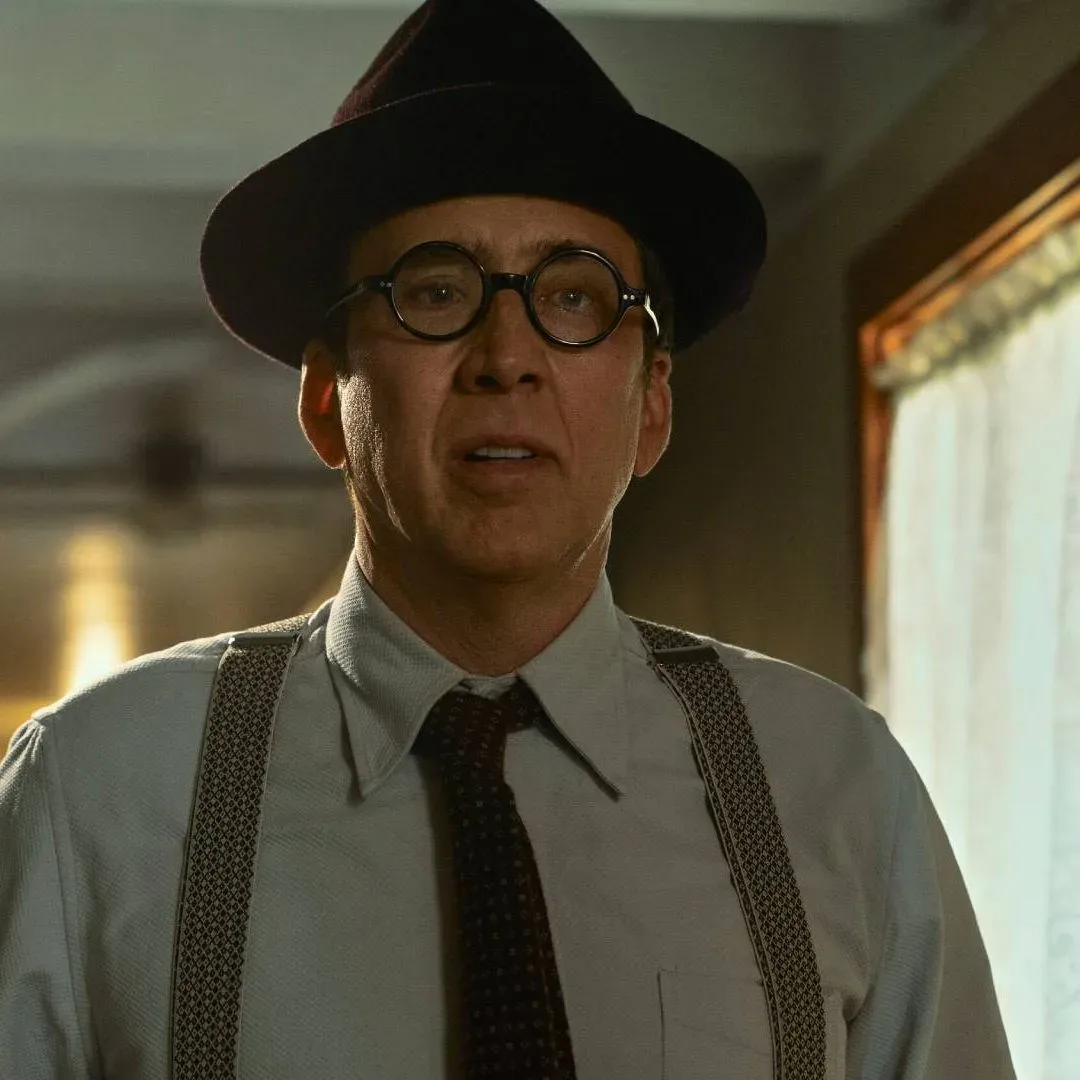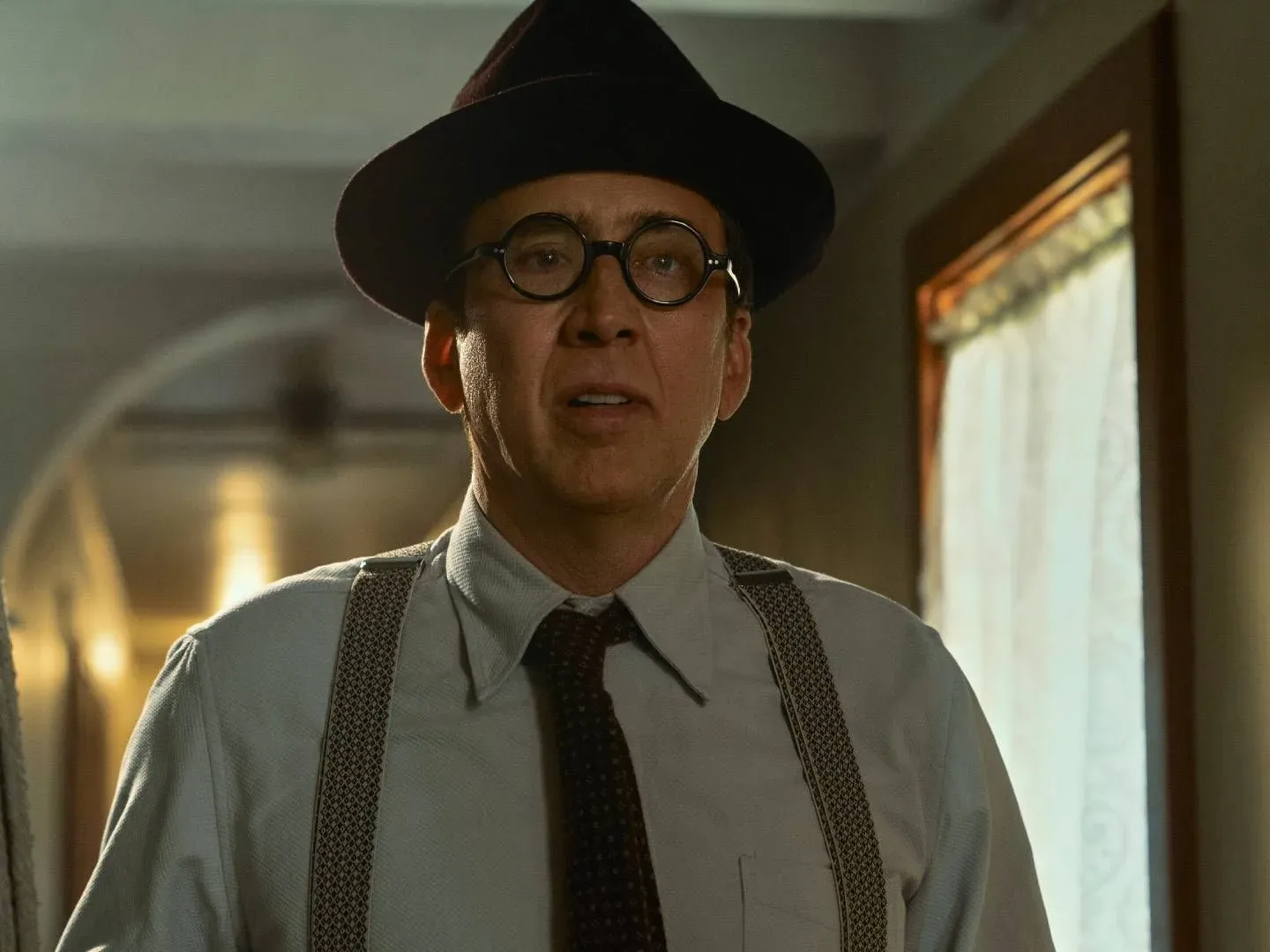
Nicolas Cage has offered a characteristically vivid assessment of the Marvel Cinematic Universe: he believes its recent superhero spectacle can resemble “a well-funded and glorified WWE.”
Speaking at Fan Expo Dallas, Cage made clear that the remark was not a wholesale dismissal of Marvel. He praised the franchise’s early work, particularly the way its stories connected separate characters, backstories and plot threads. His concern is about what the formula looks like when it keeps returning to the same visual and dramatic language: acclaimed, experienced actors in elaborate costumes preparing for another large-scale fight.
“It started out, in my view, terrific,” Cage said. “Some of the early stories were marvellous, the way that they wove all the threads together and told the different character stories and backstories.”
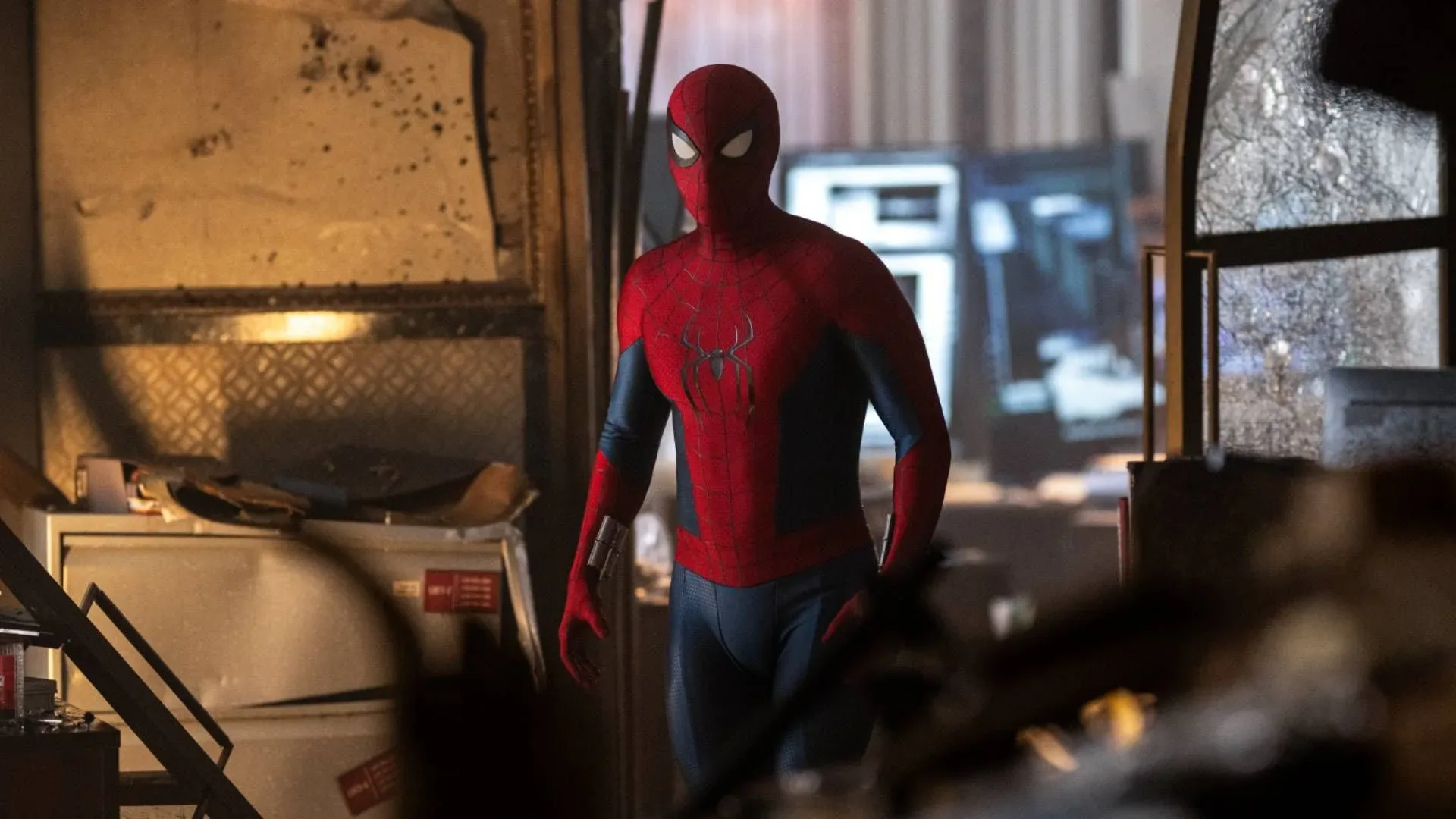
“But lately – I do say this with love – when I see these 50-plus, otherwise intelligent, remarkably gifted thespians putting on these ridiculous outfits and getting ready for the fight, it’s hard for me not to be reminded that the MCU is becoming a well-funded and glorified WWE.”
What Cage is actually criticizing
The WWE comparison is pointed, but it is also specific. Cage is not saying that performers lack talent; he explicitly calls them intelligent and gifted. Nor is he arguing that superhero stories cannot work. His praise for the early films recognizes the strength of a shared universe when it makes individual character stories feel connected rather than interchangeable.
Instead, the comment addresses the presentation of superhero cinema at blockbuster scale. Professional wrestling is built around outsized identities, recognizable entrances, heightened costumes, rivalries and a promise of a climactic confrontation. Those ingredients can be entertaining. They can also make a story feel more like a recurring event format than a drama whose conflicts arise uniquely from its characters.
That is the tension in Cage’s critique. A shared universe gains momentum by bringing familiar figures back together. Yet every additional crossover can put more pressure on the costume reveal, the team-up and the fight to carry the event. For viewers who came to Marvel for the personal stakes and careful connective tissue Cage remembers, the balance between character and spectacle may be the central issue.
A Marvel veteran speaking from adjacent corners of the franchise
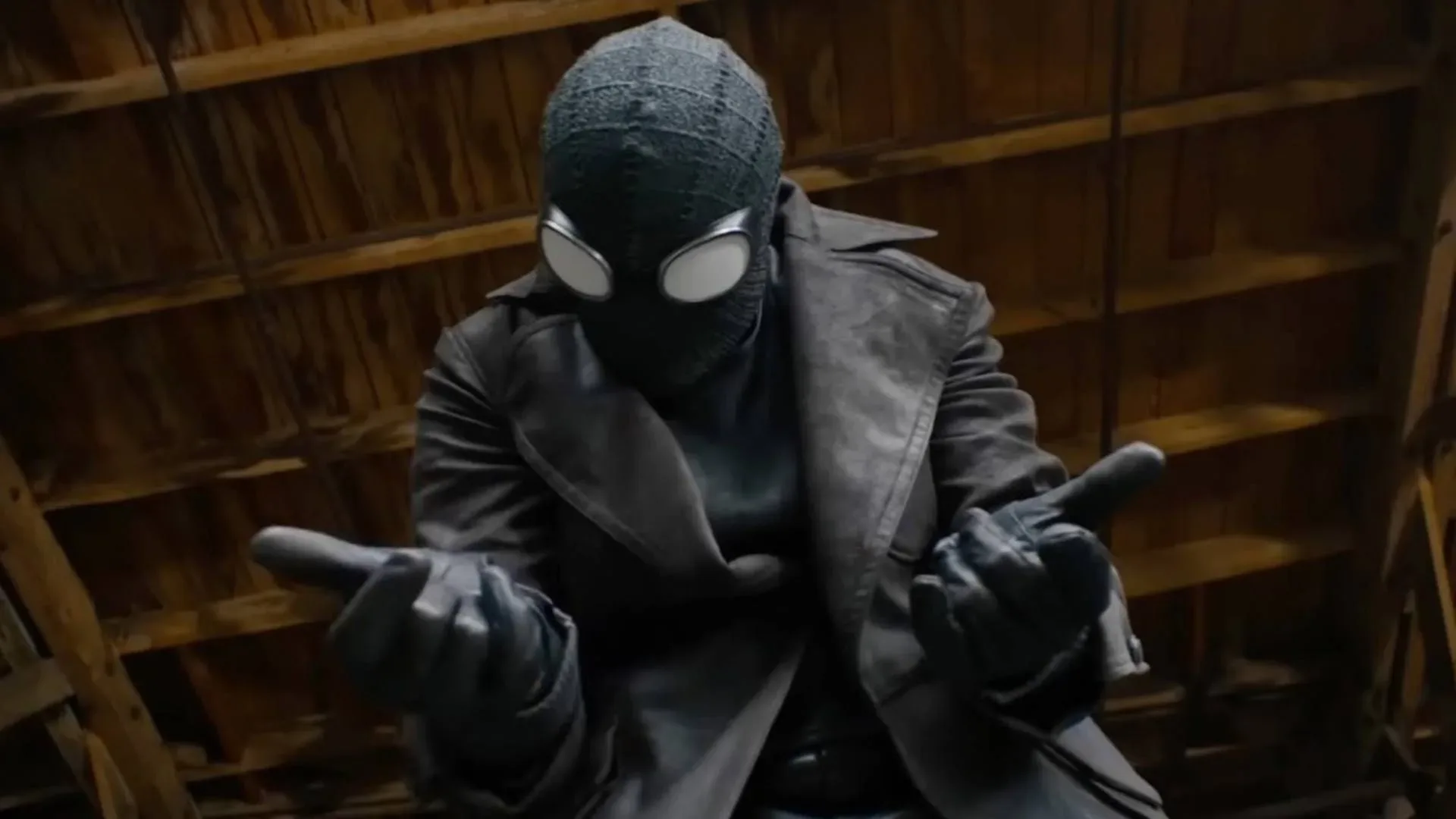
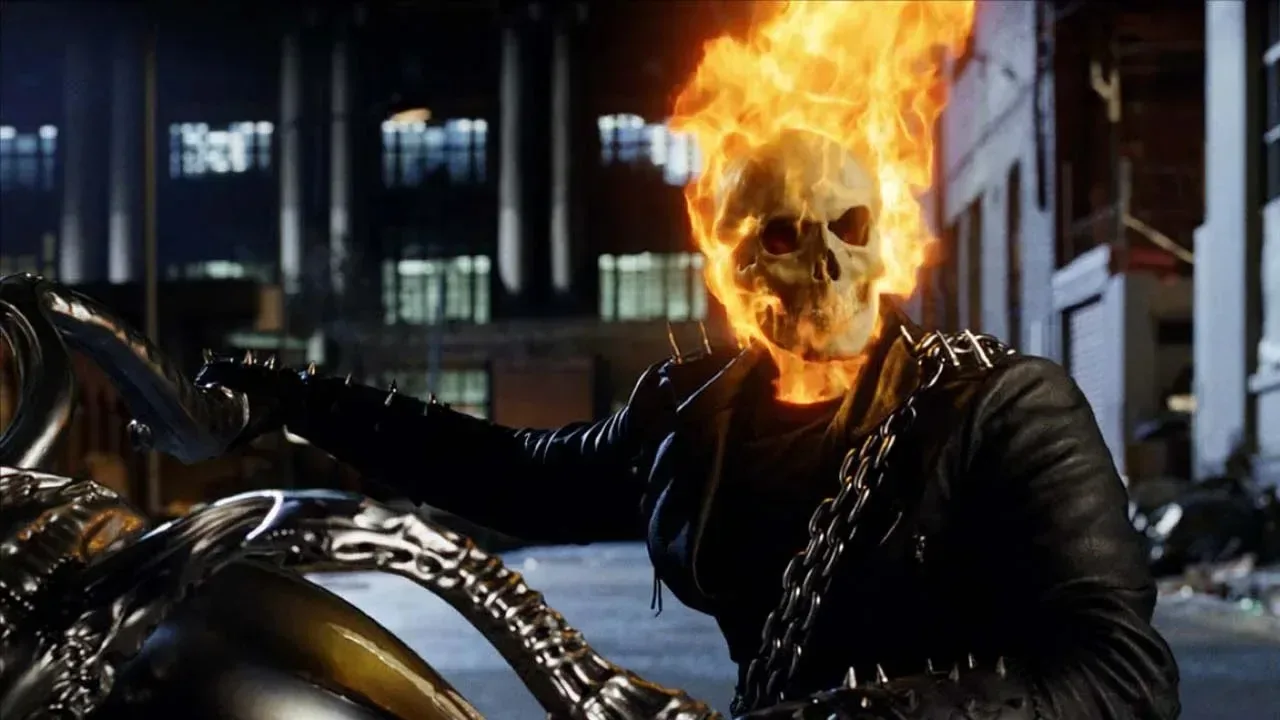
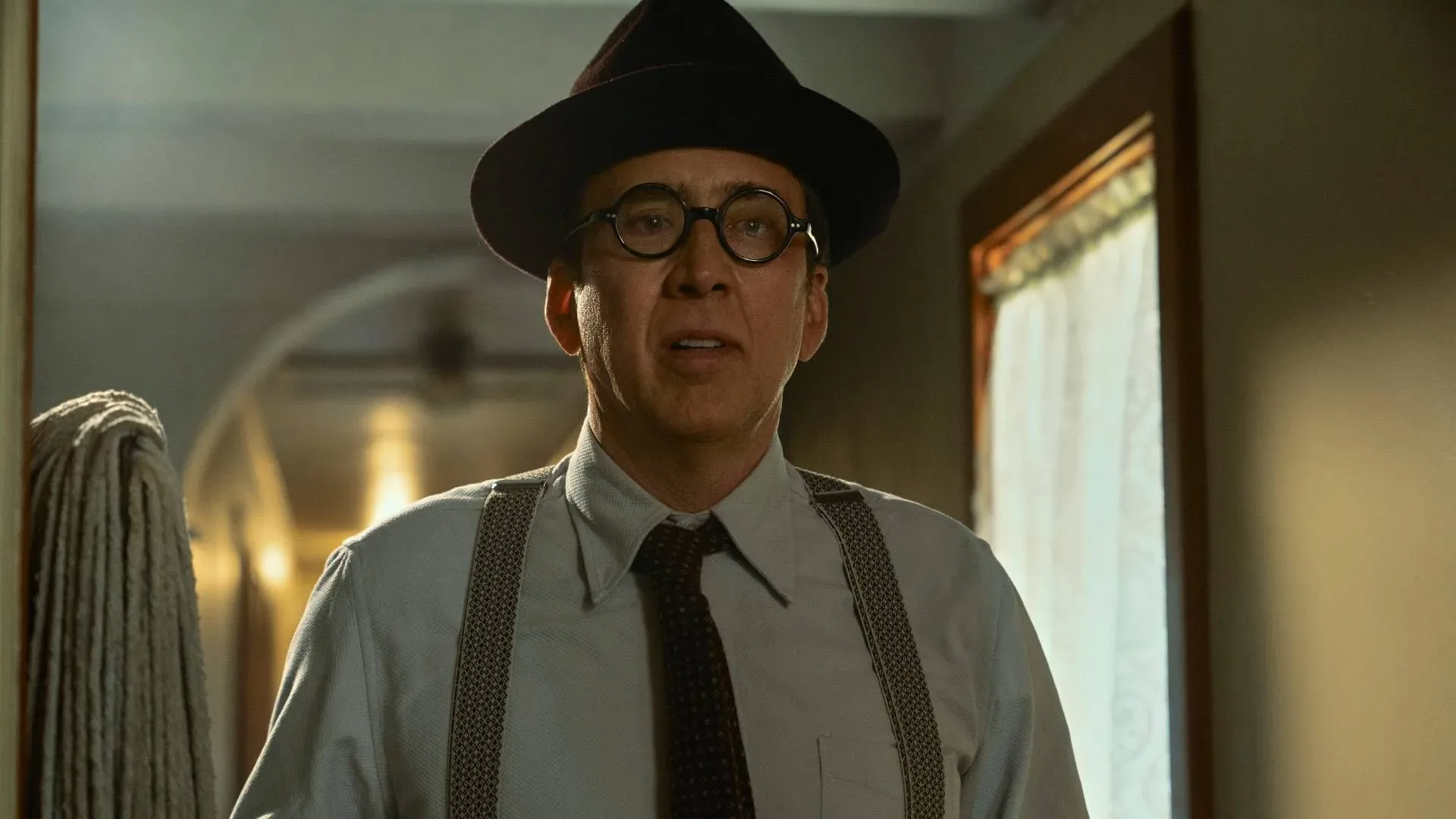
Cage’s comments carry added interest because he is not an outsider to comic-book adaptations. Before the MCU began, he played Ghost Rider for Marvel. More recently, he starred as Spider-Noir in the Prime Video Spider-Man spin-off. That production sits under Sony’s umbrella rather than Marvel Studios’ MCU.
Those roles matter because they illustrate how much broader the screen-comics landscape is than one continuity. “MCU” refers to the shared film-and-television continuity overseen by Marvel Studios. Spider-Noir, meanwhile, is a Spider-Man-related project outside that MCU framework. The distinction is useful: Cage can participate in comic-book storytelling while still questioning the particular industrial scale and storytelling habits of the MCU.
His view also avoids the easy claim that superhero fatigue simply means audiences no longer want superheroes. The supplied context instead points to a more focused problem: recent Marvel releases have struggled to win over audiences in the same way earlier installments did. That leaves room for many possible responses, including making stories feel more distinct, restoring emphasis on character perspective, or rethinking how often a crossover must function as the main attraction.
Why the early MCU model set such a high bar
Cage’s favorable view of Phase 1 is revealing. The earliest MCU films established individual heroes while gradually showing that their stories belonged to a larger design. In practical storytelling terms, that approach gave audiences two reasons to follow along: each entry had its own protagonist and backstory, while the wider connections suggested that future pairings would have narrative weight.
“Shared universe” can sound like a marketing term, but at its best it is a structural promise. Events in one story can change the meaning of another. A character introduced in one project can return with a history audiences understand. The pleasure is not merely recognizing a costume or a name; it is seeing relationships, consequences and earlier choices build over time.
Cage’s remarks suggest that recognition alone is not enough. When an audience sees familiar performers return in superhero gear, the moment must still serve something beyond recognition. Otherwise, the commercial machinery of an interconnected franchise becomes too visible. The viewer may begin to see the reunion, the costume and the coming battle as the product’s inevitable checkpoints rather than as choices made because this particular story needs them.
The Avengers test ahead
Marvel Studios head Kevin Feige is looking to Avengers: Doomsday to shift that momentum. The film is set to bring together heroes from several universes against Doctor Doom, making it exactly the kind of large crossover event that invites Cage’s observation.
That does not make Cage’s criticism a prediction that the film will fail. It does, however, identify the challenge facing a project built around multiple universes and a major villain. A crossover can provide scale and novelty, but scale does not automatically produce emotional clarity. The practical test will be whether the returning and converging heroes have reasons to be there that feel rooted in the story, rather than simply assembling because an Avengers film is expected to assemble them.
Doctor Doom’s role is significant in that respect. A central antagonist can give a giant ensemble a focal point, but an event movie still has to decide whose story it is and what changes for those characters. The more people, worlds and histories it includes, the harder it becomes to keep that focus legible. Cage’s compliment to the early MCU effectively sets the standard: weave the threads together, but do not let the weaving become the entire show.
There is also a broader entertainment-business backdrop. Major franchise films are increasingly asked to operate as big-screen occasions, at a time when theaters are investing heavily in premium screens, recliners and other upgrades designed to make a trip feel special. The push for upgraded theatrical experiences underscores why studios may favor films that advertise scale so directly. But an expensive presentation can amplify a story; it cannot supply the story’s stakes by itself.
There is affection inside the jab
It would be easy to reduce Cage’s statement to a celebrity taking a swing at capes, but his language is more nuanced than that. He says the criticism comes “with love,” and he begins by calling the franchise’s early stories terrific and marvellous. The sharpness comes from disappointment, not indifference.
That distinction matters. Cage is describing a familiar experience for long-term franchise audiences: admiration for the idea that first drew them in, followed by concern when the familiar parts begin to feel automatic. A costume can be iconic. A giant showdown can be satisfying. A crossover can reward years of investment. But none of those elements guarantees that a new installment will have the character-based pull of the stories that made viewers care about the shared world in the first place.
Whether Avengers: Doomsday persuades Cage otherwise remains unknown. What is clear is that his WWE line has put a concise name to a concern that follows any long-running superhero universe: once spectacle becomes the default language, it must work harder to feel like an event rather than simply another scheduled bout.