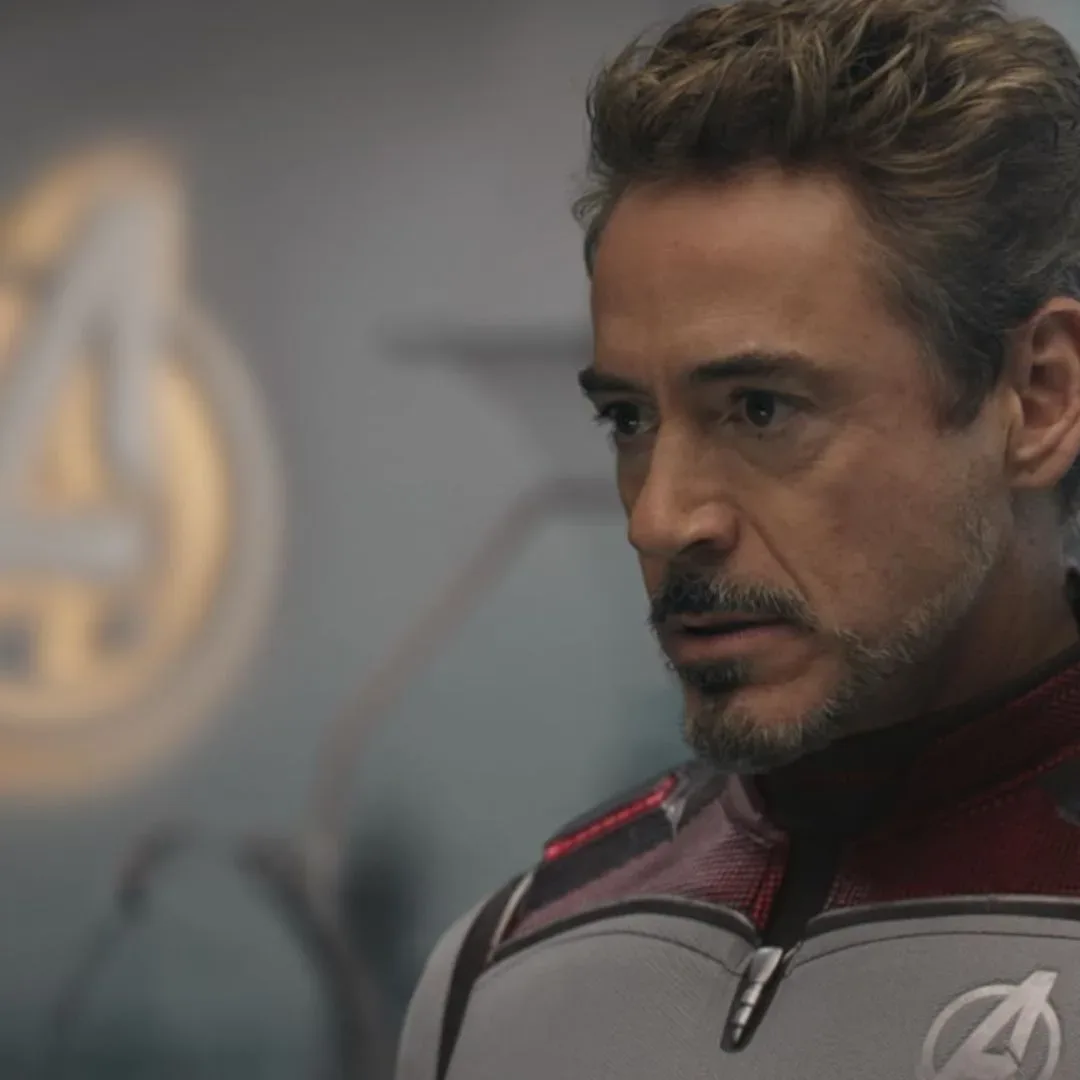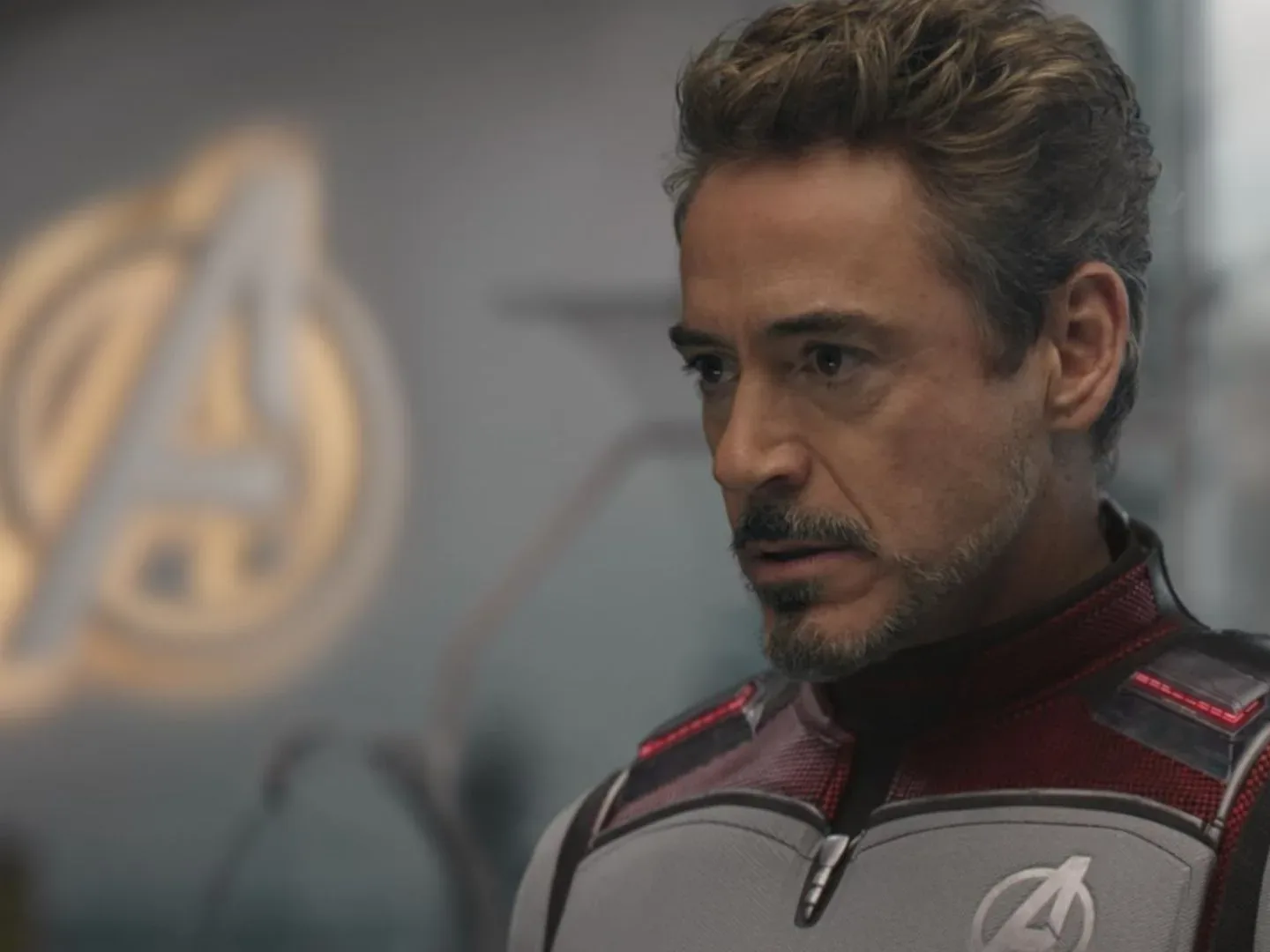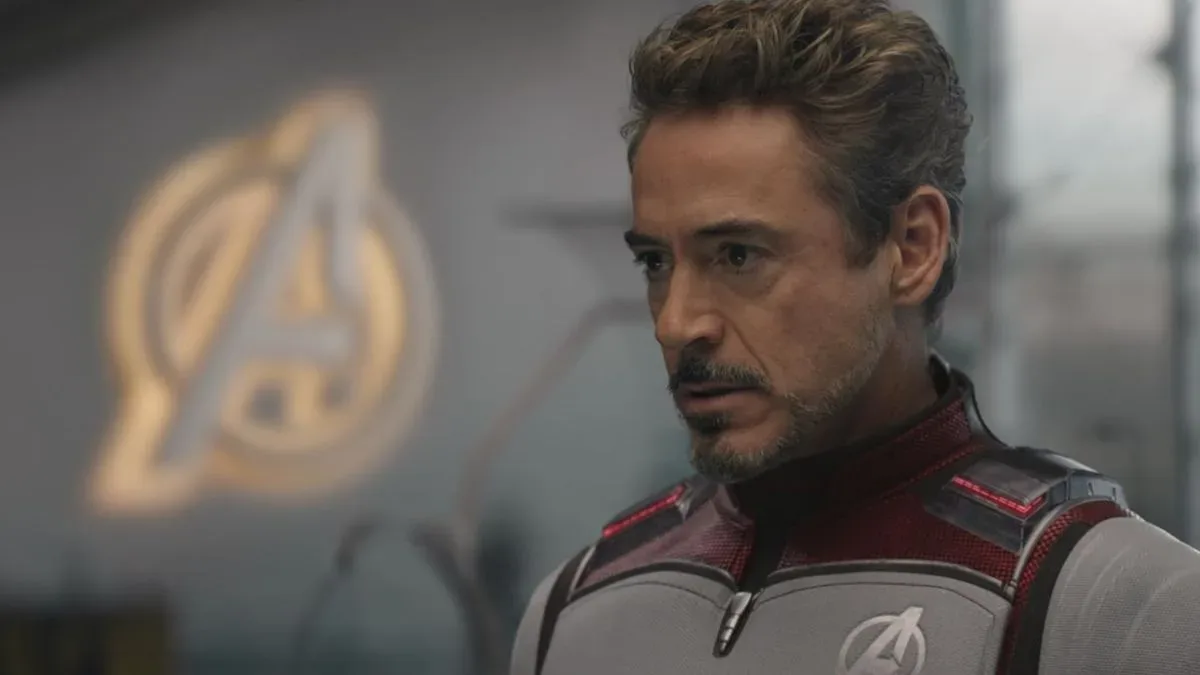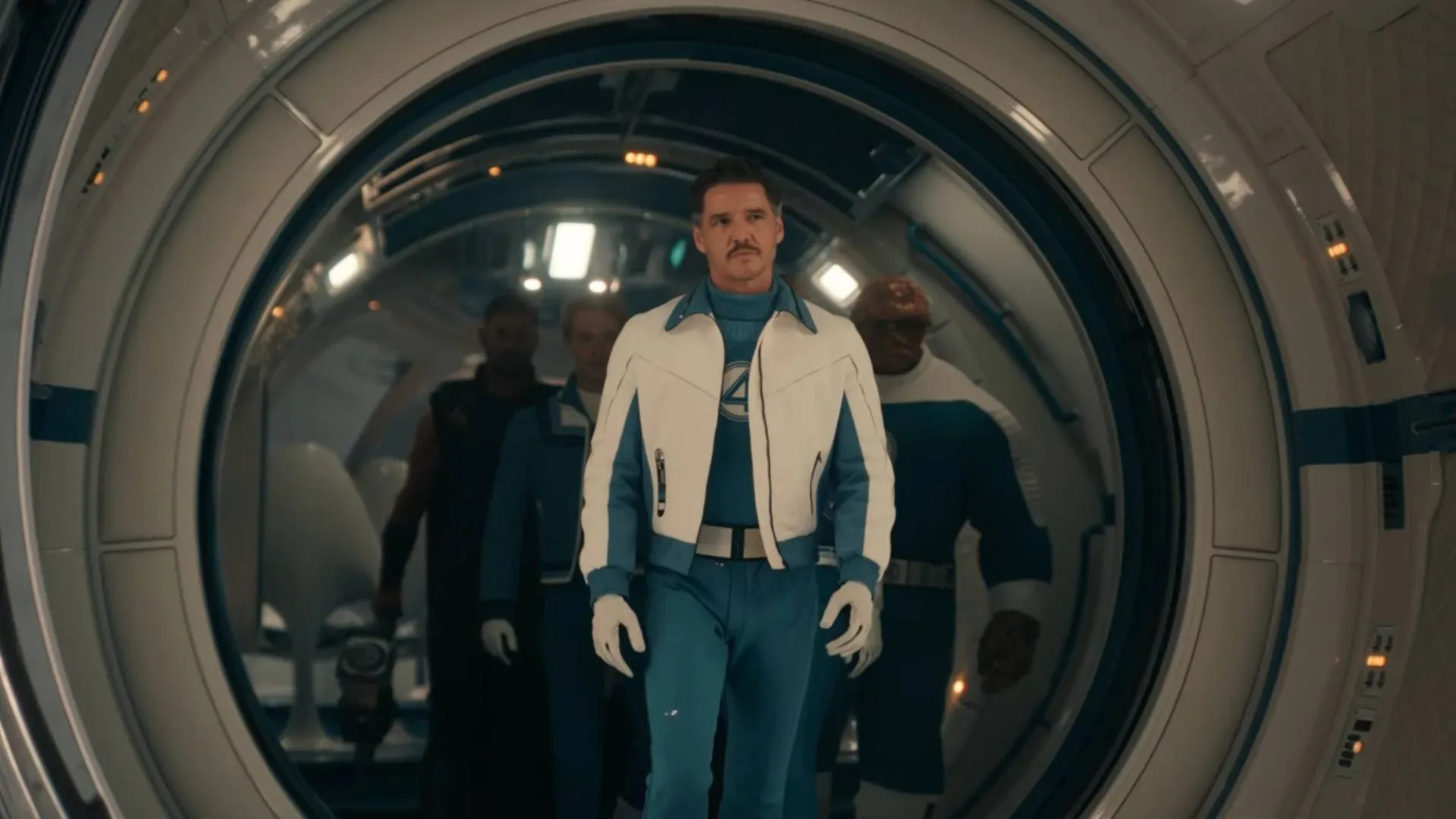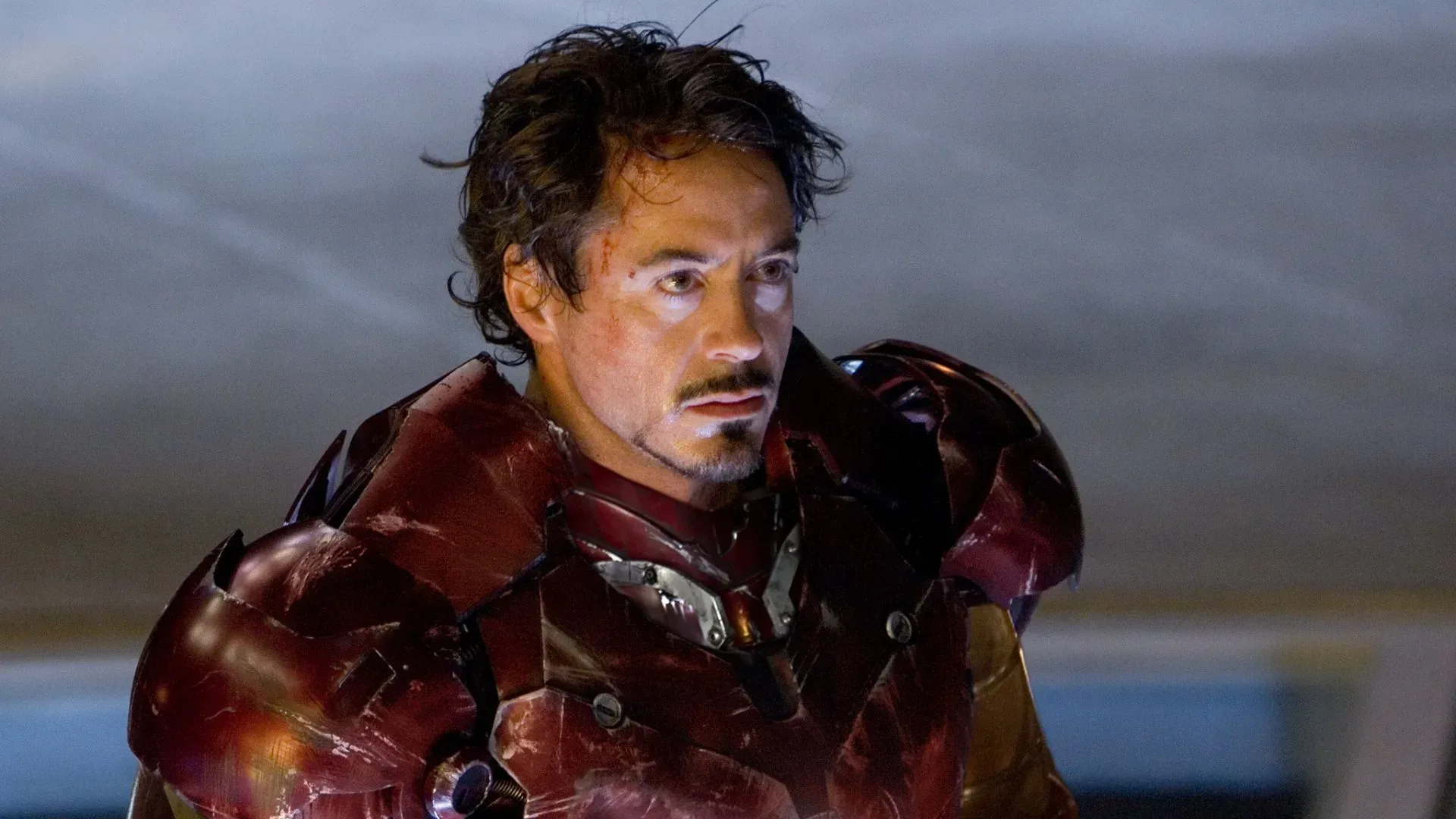
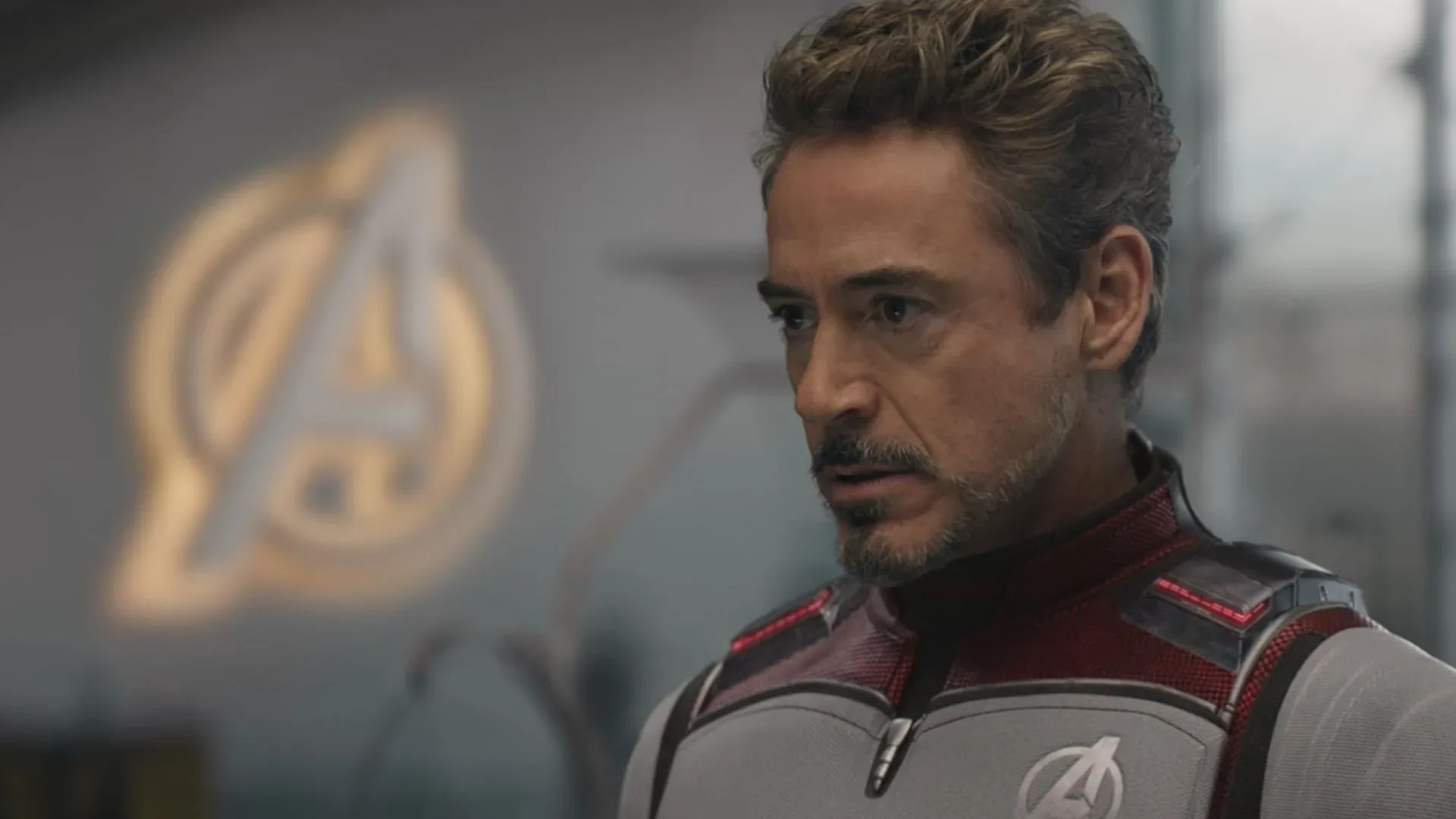
Marvel Studios president Kevin Feige has offered a direct answer to one of the largest questions surrounding Avengers: Doomsday: Doctor Doom is not a variant of Tony Stark. Feige identified the character as Victor Von Doom, rejecting the idea that the casting is simply a multiversal route to revive or repurpose Iron Man.
“People wondered, ‘Is Doom just a variant of another character? Is this just a shortcut to bringing back another character?’ The answer is no. He’s Victor Von Doom,” Feige said.
That statement establishes a major distinction for the film’s central villain. It also leaves Marvel with an unavoidable presentation question: how will the movie address Victor Von Doom and Tony Stark sharing the same face when Stark’s history has been such a defining part of the Marvel Cinematic Universe?
The question has intensified because the supplied details describe a post-credits scene in which Tony Stark appears to forge what looks like a Doctor Doom mask. There is some uncertainty in the provided account about exactly where that sequence belongs: it is initially described as part of an Avengers: Endgame Encore post-credits scene, while a later description calls it one of several scenes added to a re-release of Avengers: Doomsday. Either way, the image as described naturally encouraged viewers to connect Stark and Doom.
“Variant” has a specific implication in Marvel storytelling
In multiverse fiction, a variant generally means a version of an existing person from another reality. A Tony Stark variant, then, would still fundamentally be Tony Stark, however different that version’s life, morality, costume, world or choices might be.
Feige’s answer rejects that framing. Victor Von Doom is not another Tony who happened to take a darker road. He is an independent character. The distinction matters because it changes the expected dramatic foundation of Doomsday. The story is not being positioned as “Iron Man, but evil”; it is being positioned around Doom as Doom, with his own identity and role in the Marvel canon.
That does not automatically answer every issue created by the casting. A character can be separate from Tony Stark in-story while still being played by the same actor. But it does set a boundary around the most straightforward interpretation of the multiverse premise. The resemblance is not proof that the characters are literally the same individual.
Why the mask image created such a strong assumption
A figure resembling Tony Stark making what appears to be Doom’s mask is not subtle iconography. The mask is one of Doctor Doom’s most recognizable visual elements, so pairing it with Stark supplies an immediate symbolic bridge between the two characters. It can be read as an origin clue, an alternate-history clue, a deliberate misdirection, or simply an image whose fuller meaning depends on context not yet revealed.
Feige’s statement sharply narrows one reading: it is not confirmation that Doom is secretly Stark from another universe. Still, it does not explain what the scene means, whether the reported sequence is being characterized precisely, or why Stark would be connected to Doom imagery at all. The result is a clarification that resolves one theory while preserving the wider mystery.
This is also where Marvel’s long-running habit of using post-credits material becomes relevant. Such scenes often function as teasers: they can introduce a character, plant an image, point toward a future conflict or reframe an event that viewers thought they understood. A teaser need not provide its own complete explanation. In this case, the mask’s apparent connection to Stark seems designed to be provocative, but Feige has made clear that it should not be treated as a simple identity reveal.
Comics provide a clear baseline: Stark and Doom are separate people
Outside the film continuity, Tony Stark and Victor Von Doom are distinct Marvel characters who can collide without being alternate versions of one another. The supplied material specifically points to the 2008 comic Iron Man: Legacy of Doom, in which Iron Man and Doom face each other. That basic comic-book relationship is important context for the movie speculation: the characters do not require a shared identity to have a meaningful rivalry.
The same details note that Robert Downey Jr. was seen reading Iron Man: Legacy of Doom while preparing for Avengers: Doomsday. That is an intriguing preparation detail, but it should not be treated as confirmation that the film adapts that comic or follows its plot. Actors can draw on source material for tone, character dynamics or broad familiarity without a screen story becoming a direct adaptation.
What it does support is a more grounded way to look at the casting. If Doomsday is drawing from the dramatic tension of Iron Man and Doom, it may be interested in the contrast between figures associated with technological power, ego, invention and authority. That is analysis rather than a revealed plot point, but it fits more comfortably with Feige’s insistence that Doom is Victor Von Doom than the claim that he is merely a remixed Stark.
The face question remains, and that may be the point
Feige answered the identity question, not the appearance question. If audiences are meant to accept that Doom is not Tony Stark, the film still has to decide how much attention the resemblance receives within the story.
One possible factor is Doom’s traditional visual presentation. The character is frequently masked in comics, meaning the audience can recognize Doom through silhouette, armor, voice, posture and the mask itself rather than through an exposed face. That established iconography gives the filmmakers a way to make the character visually distinct even with a familiar actor underneath.
Yet the mask cannot entirely make the issue disappear. Stark’s image carries substantial emotional weight in the MCU, and the supplied material explicitly recognizes the apparent contradiction between a Stark-linked mask moment and the declaration that Doom is someone else. If the movie treats that resemblance as irrelevant, some viewers may see the connection as a casting-level nod rather than a narrative clue. If it treats the resemblance as meaningful, then the eventual explanation will need to maintain the distinction Feige has already stated: significant connection does not equal identical character.
There is a useful difference between those two ideas. Identity answers who a person is. Connection covers everything else: visual echoes, thematic parallels, unexplained history, audience expectations or story mechanics. Feige has firmly addressed identity. The film has not yet supplied enough confirmed information to define the connection.
What viewers can safely take from the clarification
- Doctor Doom is Victor Von Doom, not a Tony Stark variant.
- The similarity in appearance is still an open storytelling question rather than evidence that the two are the same person.
- The reported mask-forging image remains difficult to interpret from the available details alone.
- Iron Man: Legacy of Doom confirms a comic-book precedent for Stark and Doom as separate characters in conflict, but it does not confirm the film’s story.
- Any theory that depends on “Doom is secretly an alternate Tony” is now at odds with Feige’s explicit description.
That last point is the clearest practical takeaway. Multiverse stories invite audiences to look for hidden identity swaps, especially when familiar faces return in unexpected roles. Here, Marvel’s own leadership is telling viewers not to use the variant explanation as the default key to Doctor Doom.
It is a notable choice because it asks the audience to separate casting from character continuity. The performer’s MCU legacy may be part of the tension surrounding the role, but the character on screen is being defined as Victor Von Doom. Whether that choice lands will depend on the eventual script, performance and explanation—not simply on how much of Doom’s face remains behind the mask.
Release dates for Avengers: Doomsday
Avengers: Doomsday is scheduled to arrive in UK theaters on December 16 and in US theaters on December 18. Until then, Feige’s comment supplies the firmest available answer: Doctor Doom is not an alternate Tony Stark. The remaining questions concern the meaning of the visual parallels, the reported post-credits imagery, and how the film intends to introduce Victor Von Doom as a distinct force in the MCU.
For readers tracking other comic-book projects and publishing news, Stardate’s Thought Bubble 2026 plans offer a separate look at the range of new work circulating in comics culture.