Jonathan Hickman’s connection to Marvel’s next Avengers event is more involved than his bibliography alone might suggest. The comics writer says he consults for studios and reads movies while they are in development, a process that has included Avengers: Doomsday. His comments provide a rare, carefully limited glimpse at a production that has apparently changed substantially during its lengthy development.
Most importantly, Hickman did not claim to have watched the completed film. He said he has seen work in progress rather than a final cut. That distinction matters. A work-in-progress screening can include unfinished edits, temporary sound, incomplete scenes and, in this case, shots that have not yet received their computer-generated imagery. It is valuable evidence of how a blockbuster is assembled, but not a reliable preview of the exact experience audiences will see in cinemas.
A major shift during development
Hickman said he had been reading Doomsday scripts for roughly two and a half years, and characterized the evolution over that period as fascinating. He specifically pointed to a significant change when directors Joe and Anthony Russo returned, writer Steven McFeely returned, and Robert Downey Jr.’s participation was announced.
“There was a big shift when the Russos came back on, and [Steven] McFeely came back on, and they announced that Robert Downey Jr. was going to be joining the cast again,” Hickman said.
The comments do not establish what, precisely, changed in the screenplay, which characters gained or lost prominence, or how the story’s final structure will work. They do establish that the version Hickman first encountered is not simply the version that continued unchanged into the Russo-led production. For a film built around characters from multiple corners of Marvel storytelling, that is a meaningful piece of context—but it is not a license to treat every rumoured plot point as confirmed.
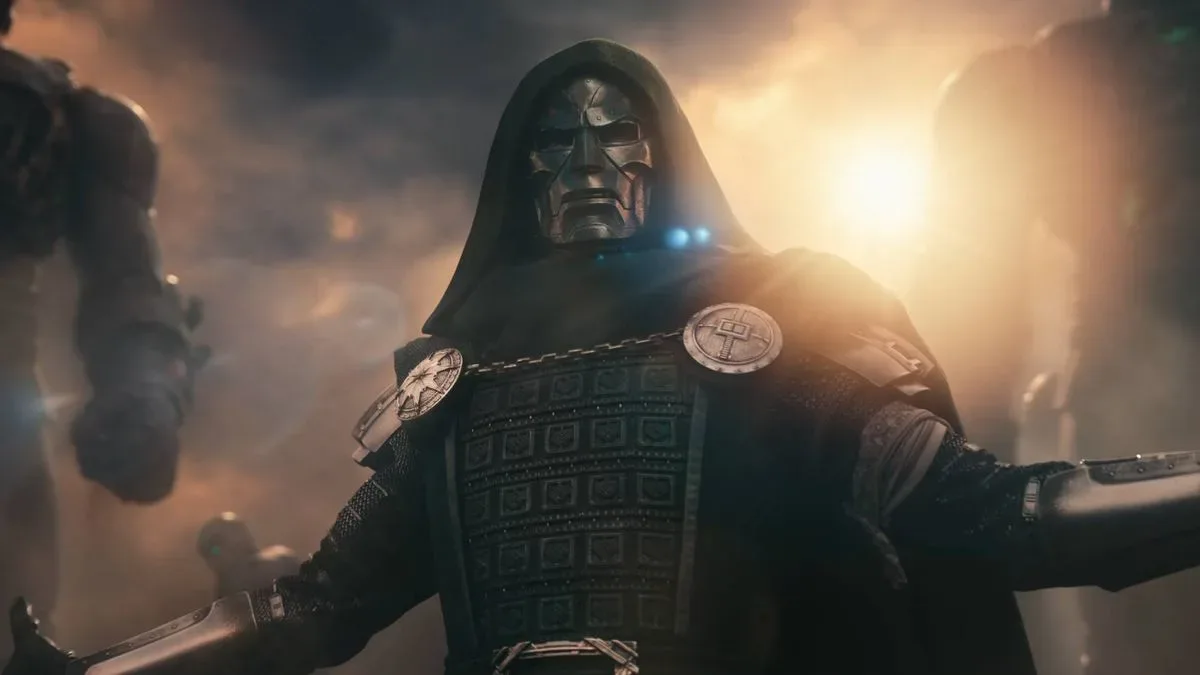
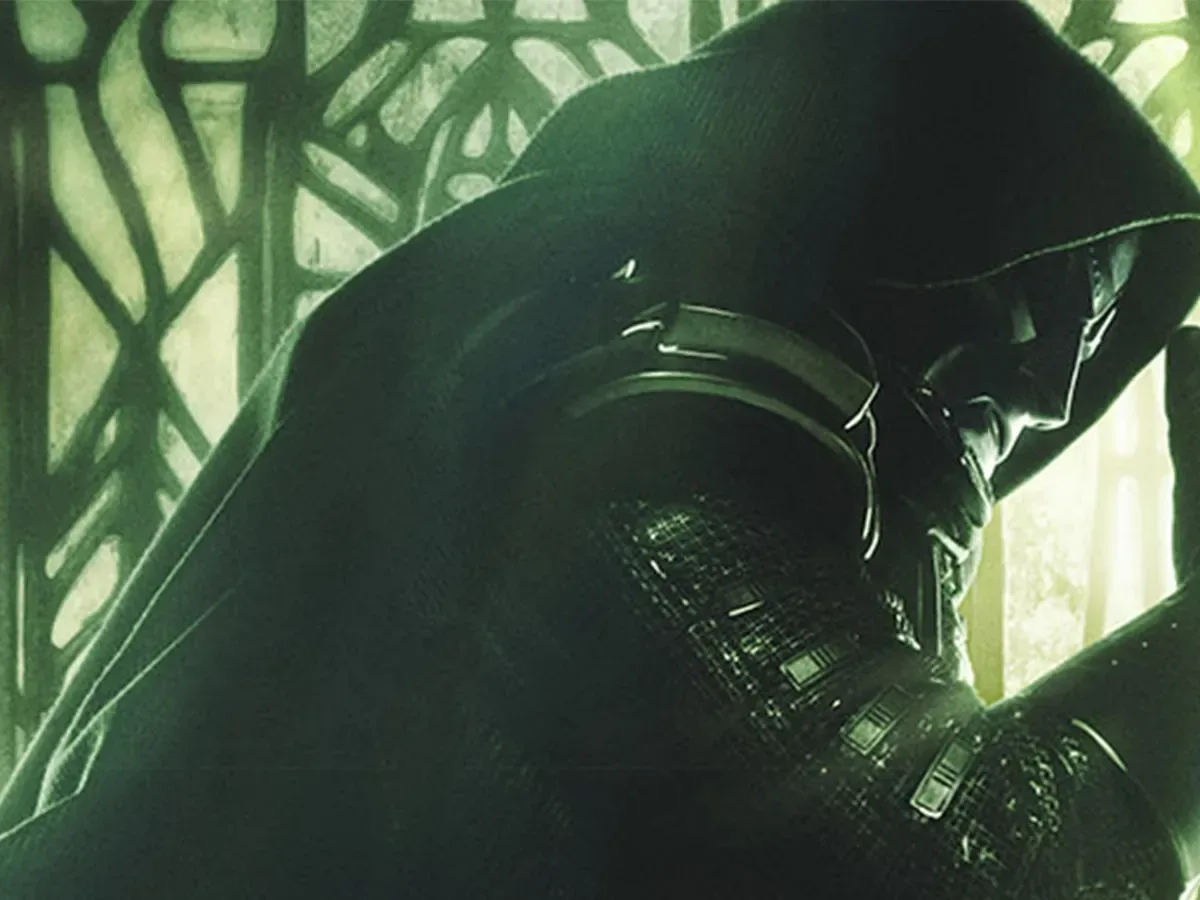
Downey Jr. is set to play the villain Doctor Doom, not Tony Stark. That casting is one of the clearest signals that the film is working with a different set of dramatic expectations than an ordinary reunion piece. Hickman’s remarks suggest the creative transition was consequential, while remaining far too broad to tell fans whether it altered Doom’s role, the multiverse setup, or the balance among the huge ensemble.
What Hickman actually saw—and what he did not
Hickman described a part of production few viewers ever see: scenes before CGI has been added, followed later by versions that incorporate the finished visual effects. He called the transformation “wizardry,” reflecting on the unusual experience of watching a film take shape while its most effects-heavy images were still incomplete.
CGI, or computer-generated imagery, is digital visual work added or combined with filmed footage. In a superhero film, that can mean anything from environments and energy effects to digitally enhanced costumes, creatures, destruction and characters. Its absence in a work-in-progress version does not indicate that those elements will be absent from the completed scene. It indicates the opposite: the production is still moving through the post-production pipeline that turns raw footage and partial assemblies into finished effects shots.
That clarification is especially useful for interpreting comments from people with early access. Seeing an unfinished version gives a consultant a sense of the film’s direction and filmmaking process. It does not mean they have approved, reviewed, or even seen the final movie. Hickman was direct on this point: he has not seen a final cut. Fans should therefore treat his enthusiasm as an informed personal response to material in development, not as a verdict on the finished release.
Why Hickman is a notable voice in this particular project
Hickman’s perspective carries obvious relevance because several strands associated with his Marvel comics work sit close to the territory that Avengers: Doomsday and its follow-up appear poised to explore. His runs on Fantastic Four and Avengers led into Secret Wars, while the next Avengers film after Doomsday is titled Avengers: Secret Wars. He has also written Doctor Doom and reshaped the X-Men line with House of X and Powers of X.
That does not mean the films are confirmed as direct, panel-by-panel adaptations. Comic-book films frequently borrow titles, themes, character dynamics, or broad narrative architecture while telling a substantially different story. The safer reading is that Hickman understands the creative traditions around the film’s most conspicuous pieces: the Fantastic Four, Avengers-scale storytelling, Doctor Doom, and the X-Men.
His consulting role also should not be confused with authorship or sole creative control. A consultant offers input; a director, screenwriter, studio, producers, cast and many department leads contribute to the finished motion picture. Hickman said the filmmakers have been kind to him and that he is excited about their work, but he did not describe the scope of his notes or claim responsibility for any specific element of Doomsday.
An ensemble spanning several Marvel lineages
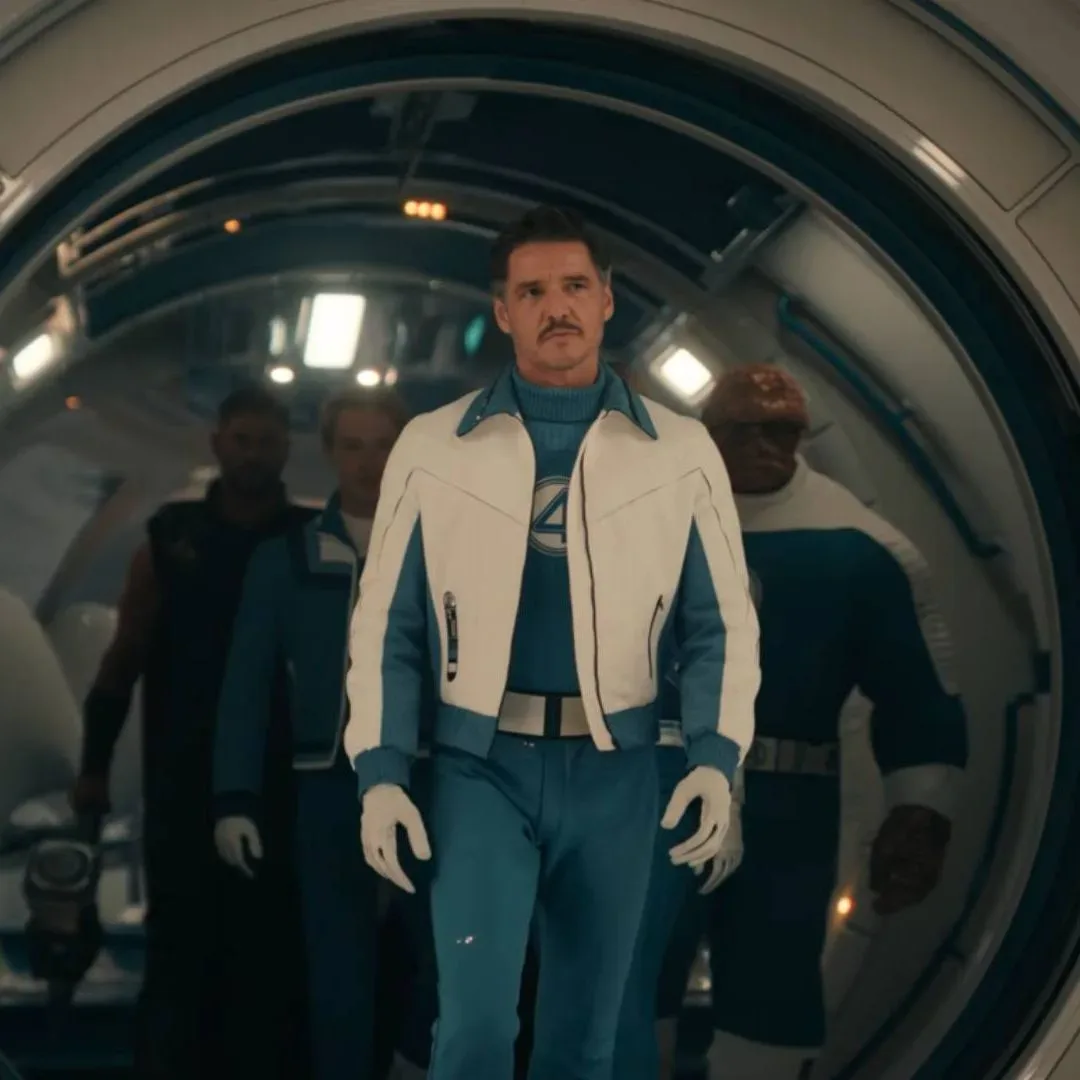
Avengers: Doomsday is directed by Joe and Anthony Russo and is described as bringing heroes from three distinct universes onto a collision course against an existential threat. The announced lineup is expansive: Downey Jr. as Doctor Doom, Chris Evans as Steve Rogers, Chris Hemsworth as Thor, Anthony Mackie as Captain America and Paul Rudd as Ant-Man are among the named performers and characters.
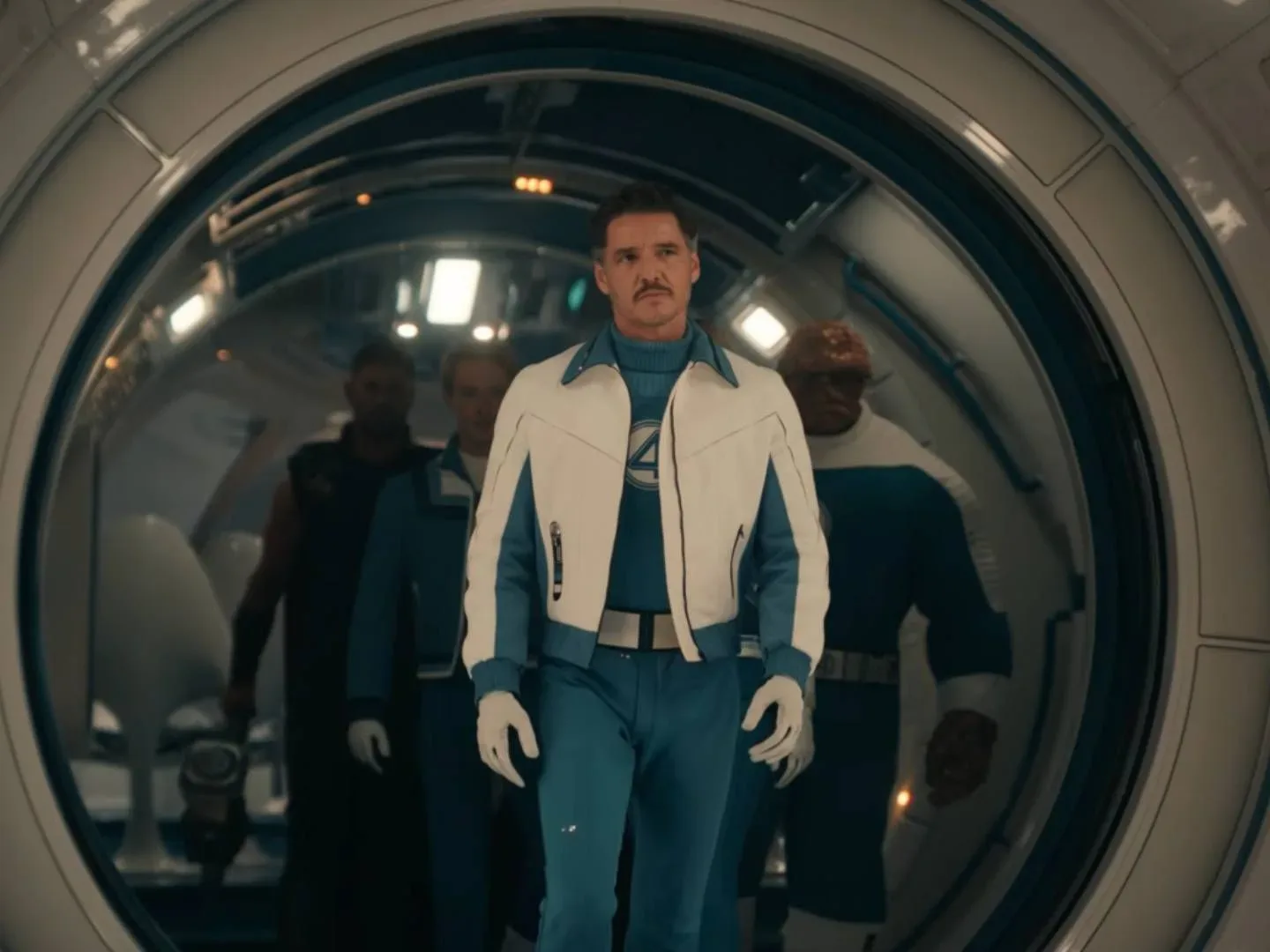
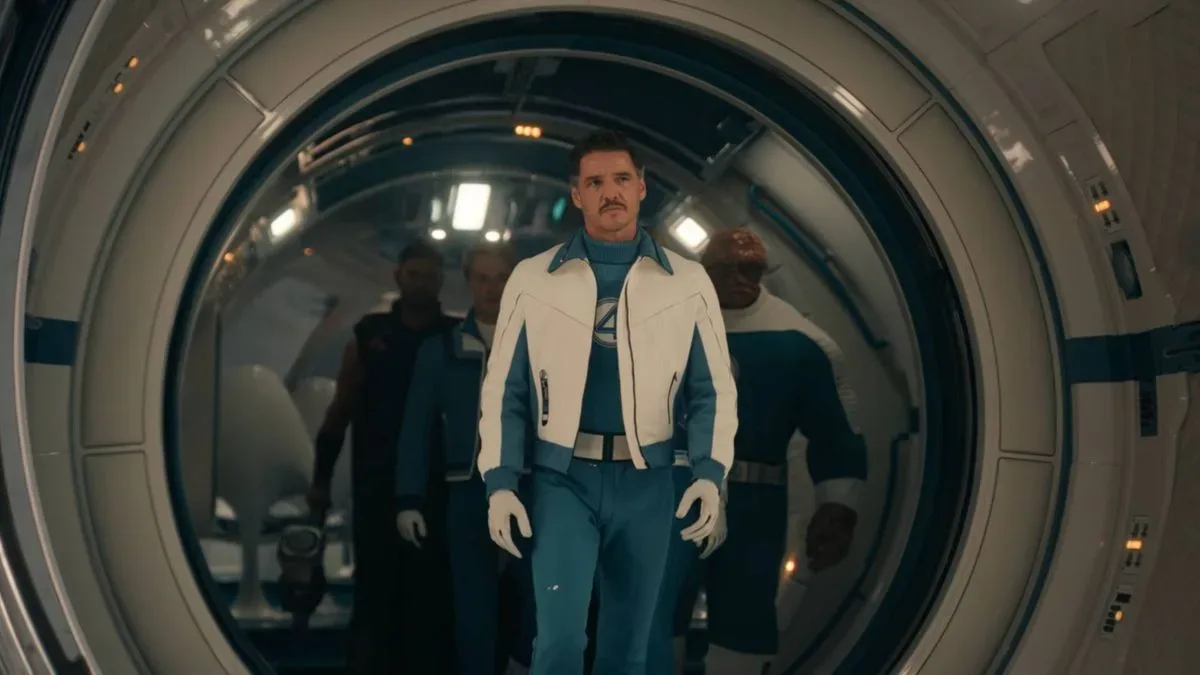
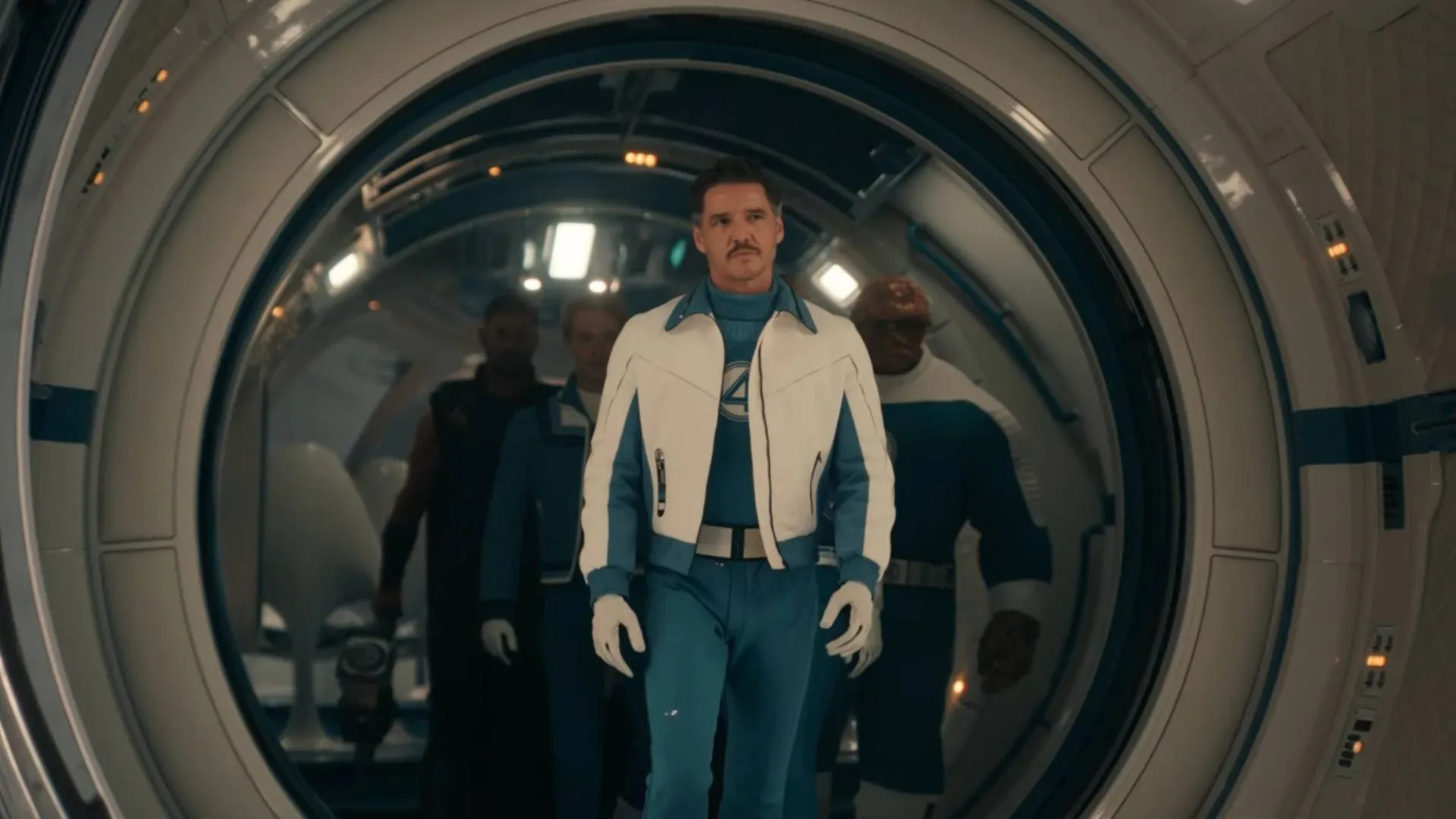
The film also includes the bulk of the original Fox-era X-Men, the new Fantastic Four, the Thunderbolts and Wakandan characters. The scale of that roster helps explain why the creative process may be particularly fluid. A crossover does not merely need individual character arcs; it must decide which groups meet, what information viewers need, where the emotional focus lies, and how the threat connects the different worlds.
For X-Men followers, the return of the Fox-era group creates a particularly unusual bridge between Marvel screen eras. It also means that casting and continuity discussions are likely to continue well before the film arrives. Readers tracking the broader mutant side of Marvel can also see how casting conversation has already generated its own speculation in this report on Mystique-related comments ahead of an X-Men casting reveal.
What fans can reasonably take from the update
There are three grounded takeaways from Hickman’s account. First, Doomsday has been developing in an iterative way, with a notable creative shift tied to the return of the Russo brothers and McFeely and to Downey Jr.’s casting as Doom. Second, Hickman has observed the movie at script and unfinished-footage stages, which gives his remarks more production proximity than ordinary fan speculation. Third, that access still stops short of a final cut.
Everything beyond those points remains uncertain. Hickman did not reveal story details, identify the three universes, explain the existential threat, or say how closely the movie follows any particular comic run. Nor did he promise that every character or concept associated with his work will appear. His comments are exciting because they describe a process in motion, not because they settle the many questions surrounding the plot.
That restraint is worth preserving. Major franchise filmmaking is often discussed as though a screenplay becomes fixed the moment a title or cast member is announced. Hickman’s experience offers a more accurate picture: scripts develop, leadership changes can reshape a project, footage can exist long before visual effects are completed, and the version viewed during production can be quite different from the finished movie.
Release date and the road to Secret Wars
Avengers: Doomsday is scheduled to reach US cinemas on December 18, with some other regions receiving it earlier on December 16. Its position ahead of Avengers: Secret Wars gives added weight to Hickman’s association with the project, given the significance of his comics work leading into a story with that title.
For now, Hickman’s account is best understood as a behind-the-scenes observation rather than a plot reveal. He is enthusiastic about what the Russo brothers and McFeely are making, has watched the production’s visual-effects transformation firsthand, and has seen how the project evolved over more than two years. The completed version, however, remains for audiences to judge when it reaches cinemas.