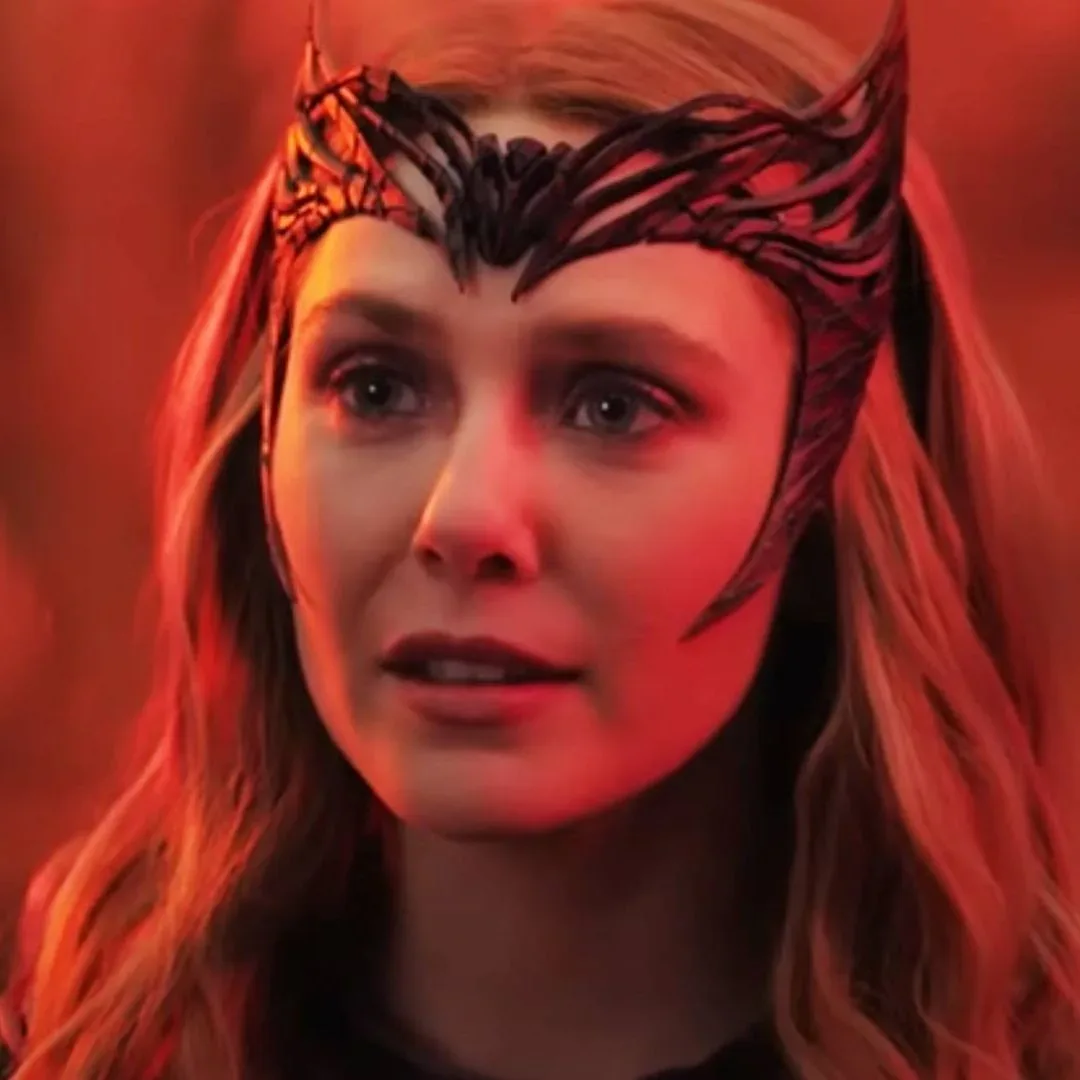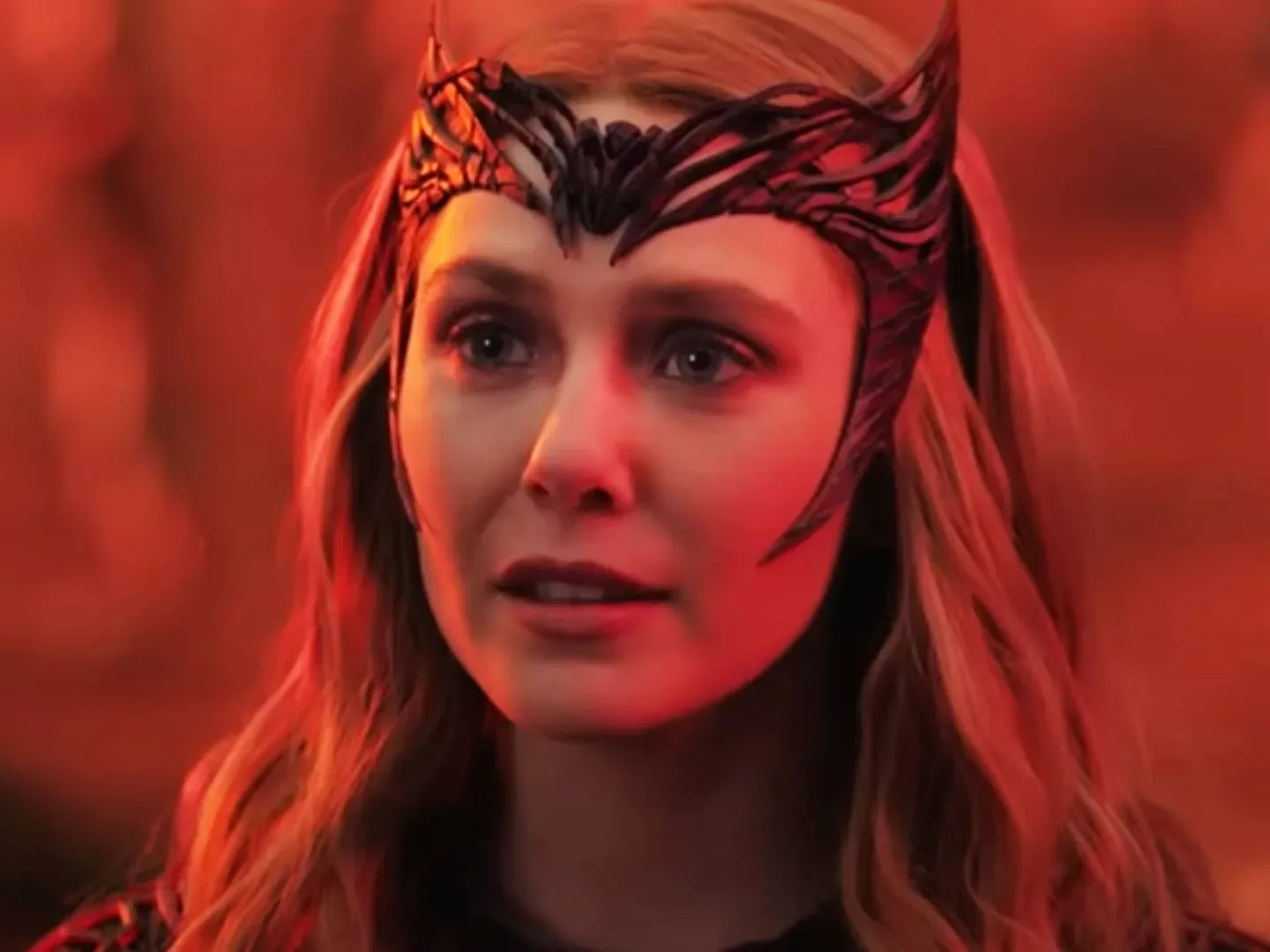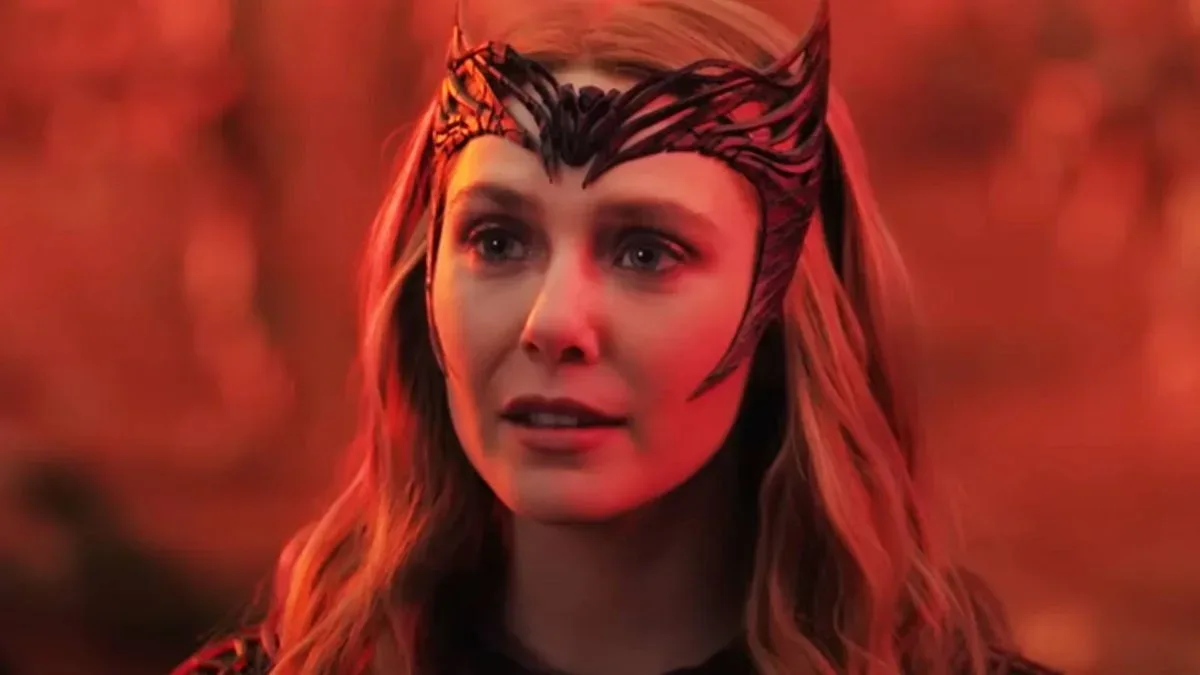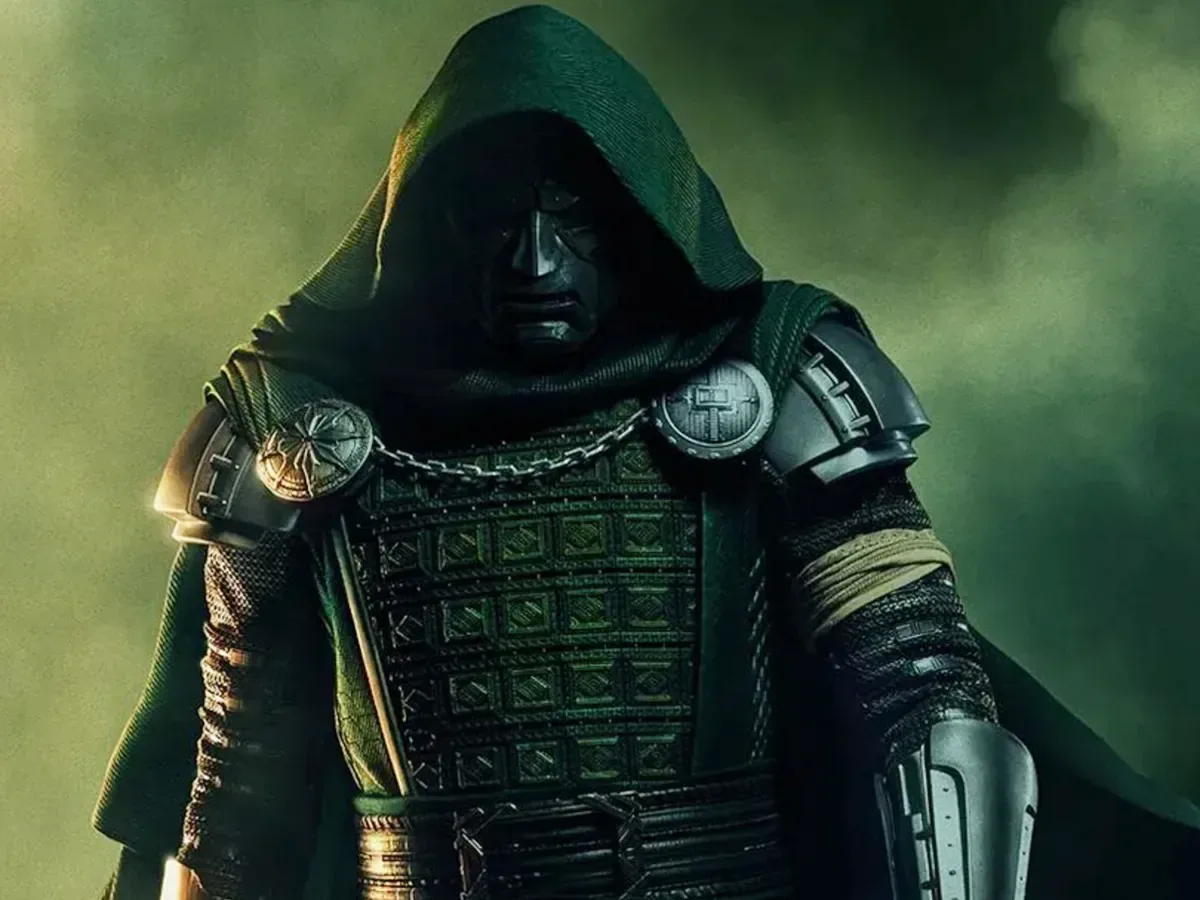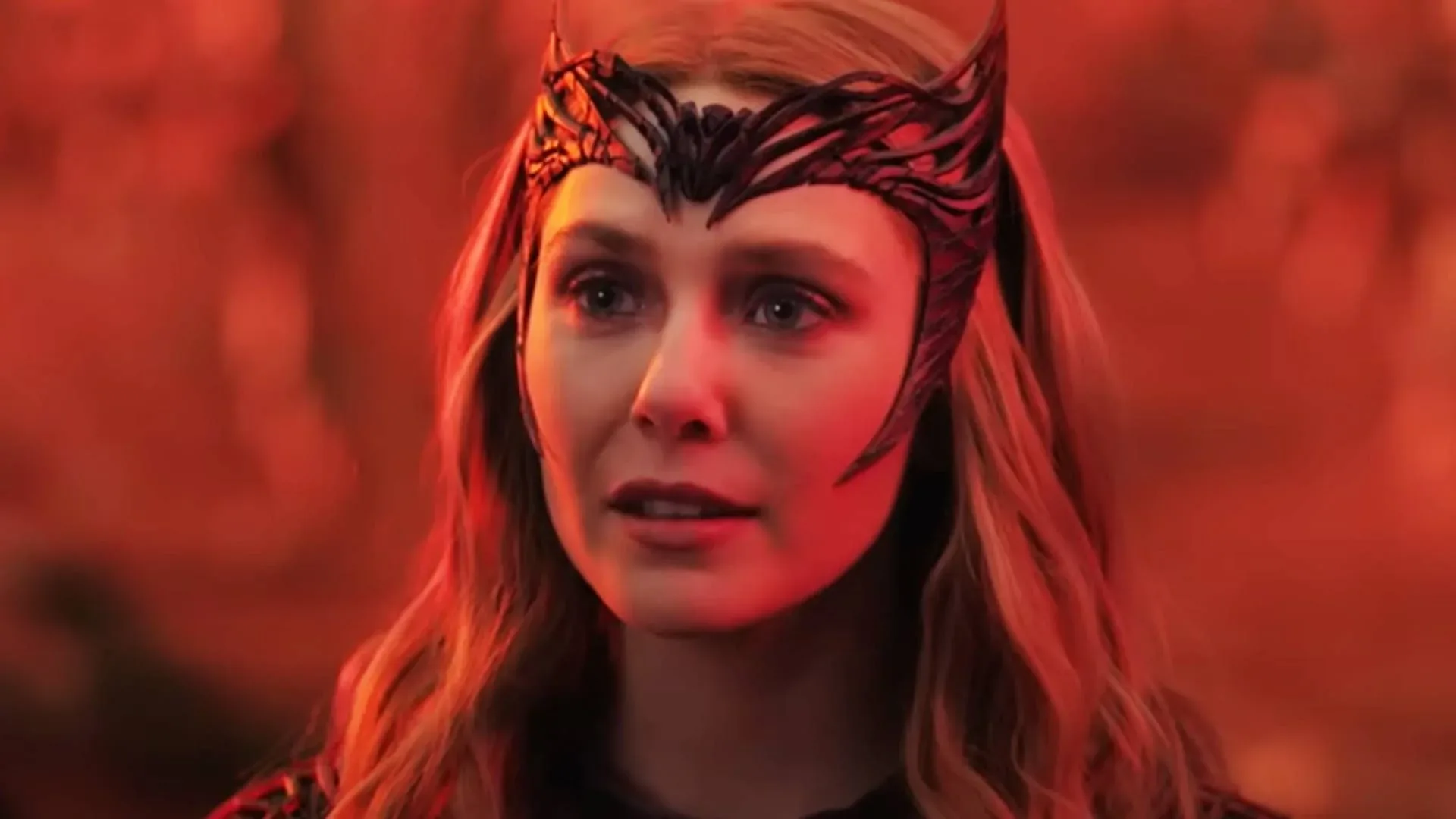
Wanda Maximoff is back in the MCU’s orbit, and the immediate question is not simply what she can do with chaos magic. It is who gets to define her next. Her return in VisionQuest places Scarlet Witch within Doctor Doom’s multiverse-altering plans, framing her as a pawn rather than the unquestioned author of events. That setup carries a potentially major comic-book echo for Avengers: Doomsday: Avengers: The Children’s Crusade.
The connection is not a guarantee that the film will adapt that comic directly. In fact, it would be surprising if it did. Superhero films routinely reshape, combine, or discard major pieces of their source material. But the central dramatic shape is suddenly much easier to see: Wanda is separated from a family that wants her back, Doctor Doom stands close to the center of the conflict, and the story has room to turn a vast multiverse threat into something more personal.
What Children’s Crusade brings to the table
Published across multiple years in the early 2010s, Avengers: The Children’s Crusade follows Billy Kaplan, also known as Wiccan, as he searches for Wanda. In that comic storyline, Wanda has lost her memories and is on the verge of marrying Doctor Doom. Billy’s attempt to reach her does not unfold as a straightforward rescue mission. It puts him in conflict with the Avengers and the X-Men, and eventually leads to him joining forces with his brother Tommy against Doom.
The stakes escalate dramatically, with heroes dying during the confrontation. Yet the most enduring part of the premise is not its scale. It is the family reunion and Wanda’s search for forgiveness after the chaos. That is exactly why the arc is such fertile material for an Avengers film. Doom can remain a formidable architect of catastrophe, while Wanda, Billy, Tommy, Vision, and the Avengers have motives that are more intimate than merely stopping another reality from collapsing.
“Multiverse-altering” describes stakes that reach across alternate realities rather than a threat contained to one world. It can create spectacle, but it can also make a story feel abstract if the audience has no clear emotional anchor. Wanda’s position offers one. A character being manipulated by Doom would give the conflict a human cost that is understandable even if the mechanics of the multiverse are complicated.
The MCU pieces line up, but not perfectly
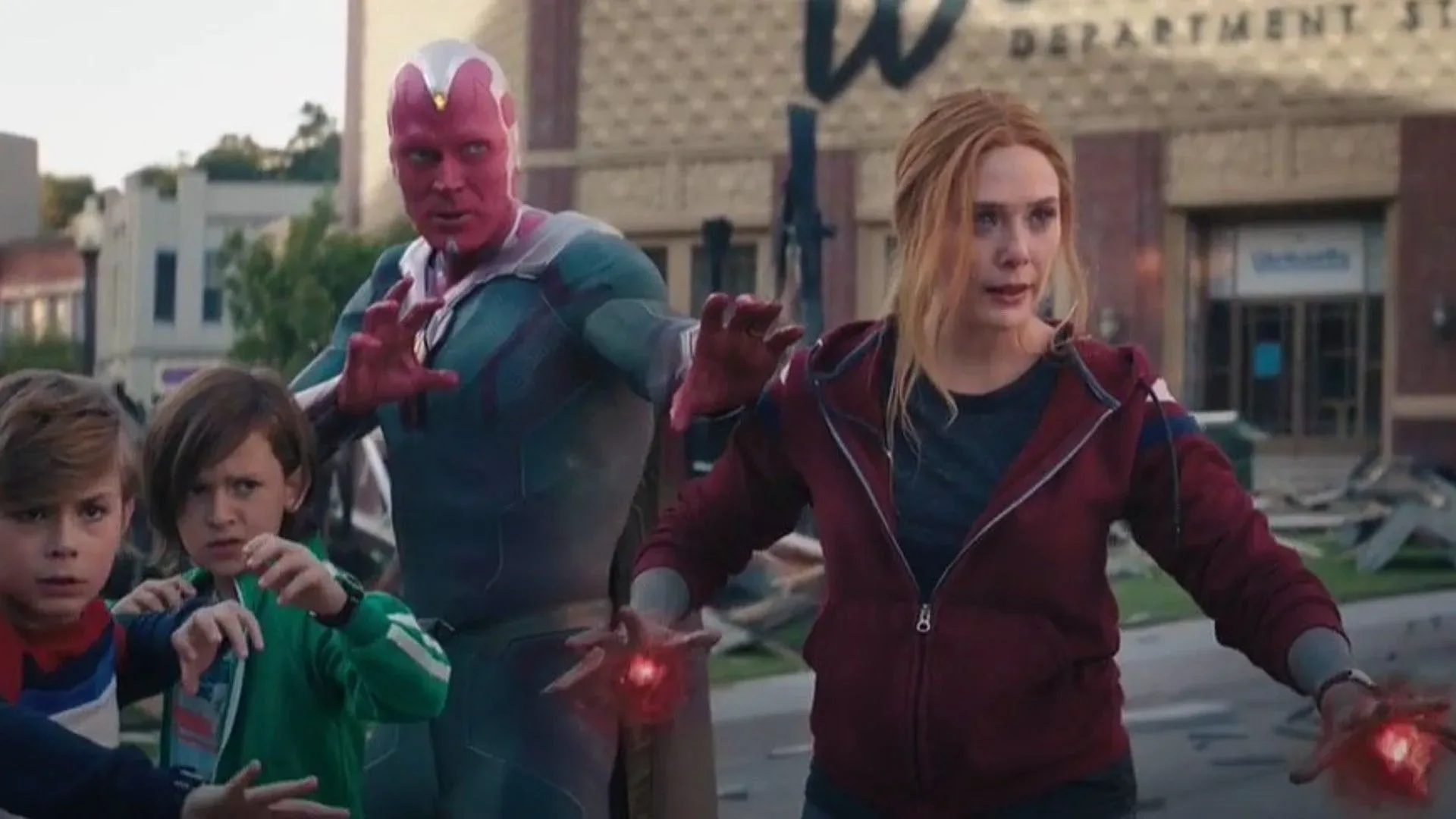
The screen version of Wanda’s story already carries the emotional foundation that a loose Children’s Crusade adaptation would need. WandaVision introduced the idea of Wanda’s family—particularly Billy and Tommy—as the core of her longing and grief. A future story that brings those threads together could complete an arc that began there: not simply whether Wanda can regain power or escape Doom’s influence, but whether she can face the consequences of what has happened and reconnect with the people most bound up in her identity.
That does not mean the comic’s events can be lifted wholesale. Magneto has a substantial role in The Children’s Crusade, an especially obvious example of why a beat-for-beat translation is unlikely. The comic also moves through a large network of Avengers and X-Men relationships, whereas the MCU can choose a different roster and a different path to the same emotional destination.
Adaptation, in this sense, is not duplication. A film can borrow a story’s core conflict—Billy and Tommy seeking Wanda, Doom’s connection to her altered circumstances, and a final reckoning around family—without copying its exact alliances, deaths, or sequence of events. The current setup supports that possibility; it does not establish it as confirmed plot information.
Why Billy and Tommy matter more than a cameo
If the story does move in this direction, Billy and Tommy should matter because they change the terms of Wanda’s return. A simple comeback could make Scarlet Witch another powerful piece on an Avengers board. A family-driven plot instead makes her a person being sought, challenged, and possibly forgiven. It transforms Doom’s leverage from a purely strategic advantage into an intrusion on a relationship viewers have already seen Wanda desperately try to preserve.
That distinction matters for Billy in particular. Wiccan’s comic role is active: he begins the search for his mother and continues it despite the resistance around him. Tommy’s eventual involvement also keeps the arc from becoming solely a one-child quest. The twins together create the prospect of a reunion that is not just sentimental decoration, but a challenge to the idea that Doom—or anyone else—can decide what Wanda’s family means.
There is also an important narrative complication in the concept of forgiveness. A reunion does not automatically erase damage, and the comic’s premise does not reduce Wanda’s past to a misunderstanding. A strong adaptation would have room for both realities: Wanda may be manipulated in the present, while still needing to reckon with the choices and harm associated with her wider story. That makes a possible return more dramatically meaningful than a surprise entrance followed by a quick team-up.
Doctor Doom becomes more than the multiverse’s administrator
Doom’s association with Wanda is the most significant overlap between the two stories. If Wanda is functioning as a pawn in his plans, he is not merely a villain operating at the far end of a cosmic map. He is directly connected to the character’s vulnerability and to the potential reunion with her sons.
That is a useful direction for an Avengers-scale antagonist. Large crossover stories often require a villain whose ambitions can reach many heroes at once. But broad ambition alone does not create drama. Tying Doom to Wanda gives the heroes a reason to care beyond the general obligation to prevent disaster. For Billy and Tommy, the conflict would be about their mother. For Wanda, it could be about autonomy. For the Avengers, it could concern both the danger Doom represents and the difficult question of whether they see Wanda as someone to save, someone to stop, or both.
It also offers a contrast between power and agency. Wanda’s abilities may make her a pivotal figure in multiversal events, yet being used as a pawn means she lacks control over how that power is deployed. The tension between those ideas is more compelling than treating magical strength as a simple escalation tool. The key issue would be whether Wanda can reclaim authorship of her own decisions before Doom’s plans reach their endpoint.
Vision’s presence keeps the family theme alive
Vision has appeared in Avengers concept art alongside Star-Lord, another piece of imagery that has fueled speculation around the shape of the coming crossover. Concept art is not the same thing as a locked narrative promise, but Vision’s inclusion is meaningful in the context of Wanda’s reappearance. He is inseparable from the family story established in WandaVision, even if the family’s circumstances are unusual and complicated.
That does not require a conventional reconciliation plot. Rather, Vision’s potential involvement would make it harder for a Wanda-and-children storyline to feel isolated from the series that established its emotional stakes. If Billy and Tommy represent the future Wanda hoped for, Vision represents the relationship at the center of that hope. A Doomsday storyline that includes all of them would have material far more resonant than another assembly of costumed characters sharing a battlefield.
The concept art’s Star-Lord pairing also underlines how expansive the film’s character mix may be. The practical challenge for any ensemble is focus. A comic-inspired Wanda storyline could provide it, offering a clean emotional spine through an event plot that may otherwise have to juggle many worlds, teams, and returning faces.
A crossover needs emotional continuity, not only returning characters
There is obvious appeal in a film built around long-delayed reunions. The possibility of Thor and Loki sharing a scene, for example, would carry emotional weight because their history is already known to audiences. Wanda’s return could operate in the same way: it matters less as a checklist item and more as an opportunity to revisit unresolved bonds.
That approach is especially valuable when multiverse storytelling risks becoming a parade of recognisable appearances. Familiar faces can be exciting, but emotional continuity is what makes a return land. The relevant question is not simply who can show up; it is what unfinished relationship their appearance forces the story to confront.
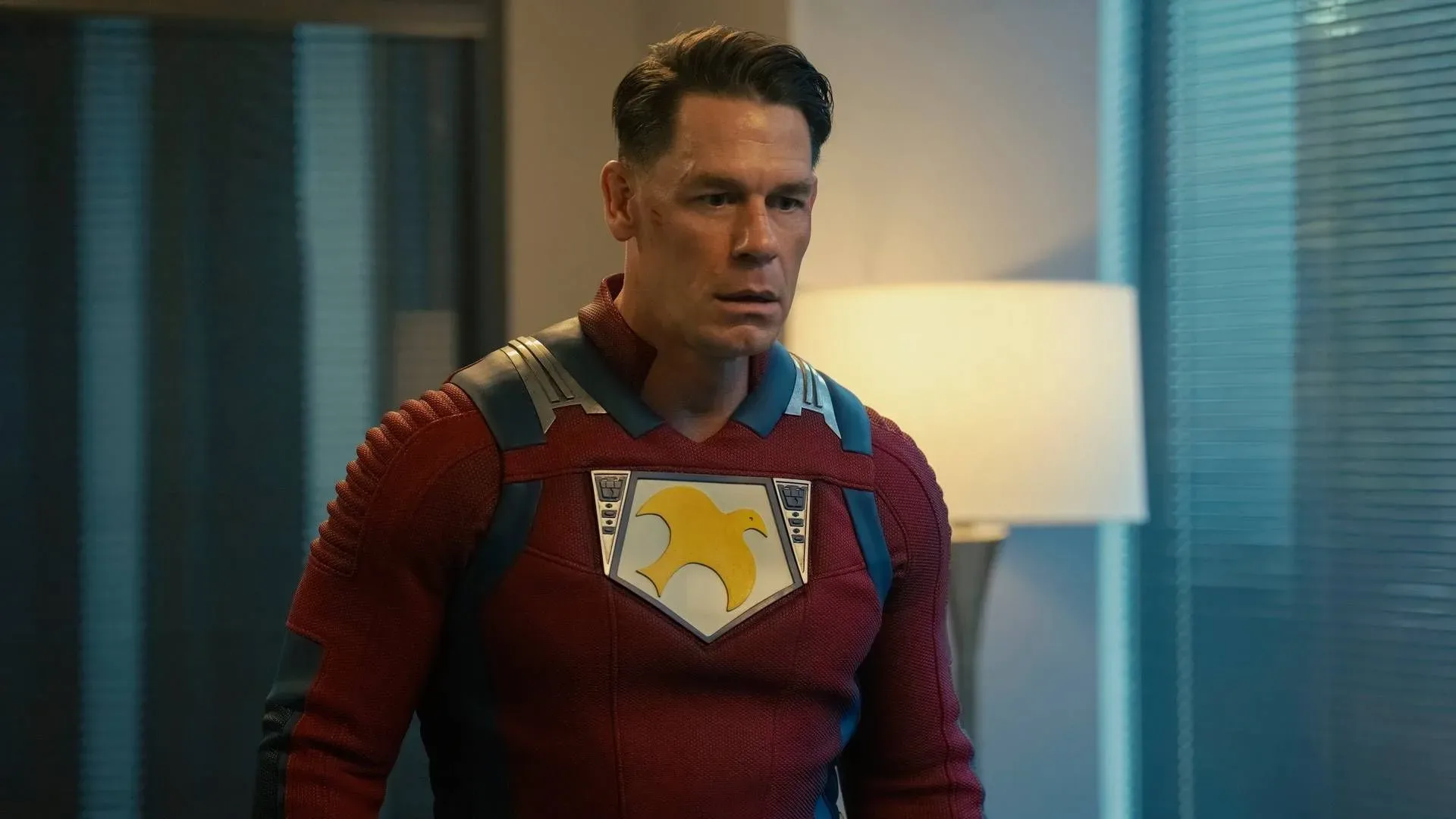
It is a question facing superhero storytelling broadly, including projects outside the MCU. The uncertainty around shared-universe character futures has also been a live subject in discussion of Peacemaker’s place in the DCU. In both cases, the larger franchise map is less interesting than the character stakes behind it.
What remains speculation—and what is firmly on the table
The available evidence supports a compelling possibility, not a confirmed adaptation announcement. Wanda has returned as part of Doom’s plans. The Children’s Crusade contains a storyline involving a memory-impaired Wanda, Billy and Tommy, and Doom. Vision’s appearance in Avengers concept art adds another connection to the family themes established previously. Together, those elements make the comic a logical reference point.
They do not establish that Magneto will appear, that every comic conflict will be used, that specific characters will die, or that the film will reproduce the comic’s events in order. Those are precisely the details an adaptation is most likely to alter. The safer reading is that Avengers: Doomsday has the ingredients to draw from the arc’s emotional center rather than its entire plot.
That may be the best outcome. Wanda, Billy, Tommy, Vision, and Doom form a story engine powerful enough to give an enormous crossover a sense of purpose. If the film uses that engine, its biggest multiverse moments could feel like consequences of character choices—not just the next visual effect on the schedule.
Avengers: Doomsday is set to arrive in UK cinemas on December 16 and in US cinemas on December 18.