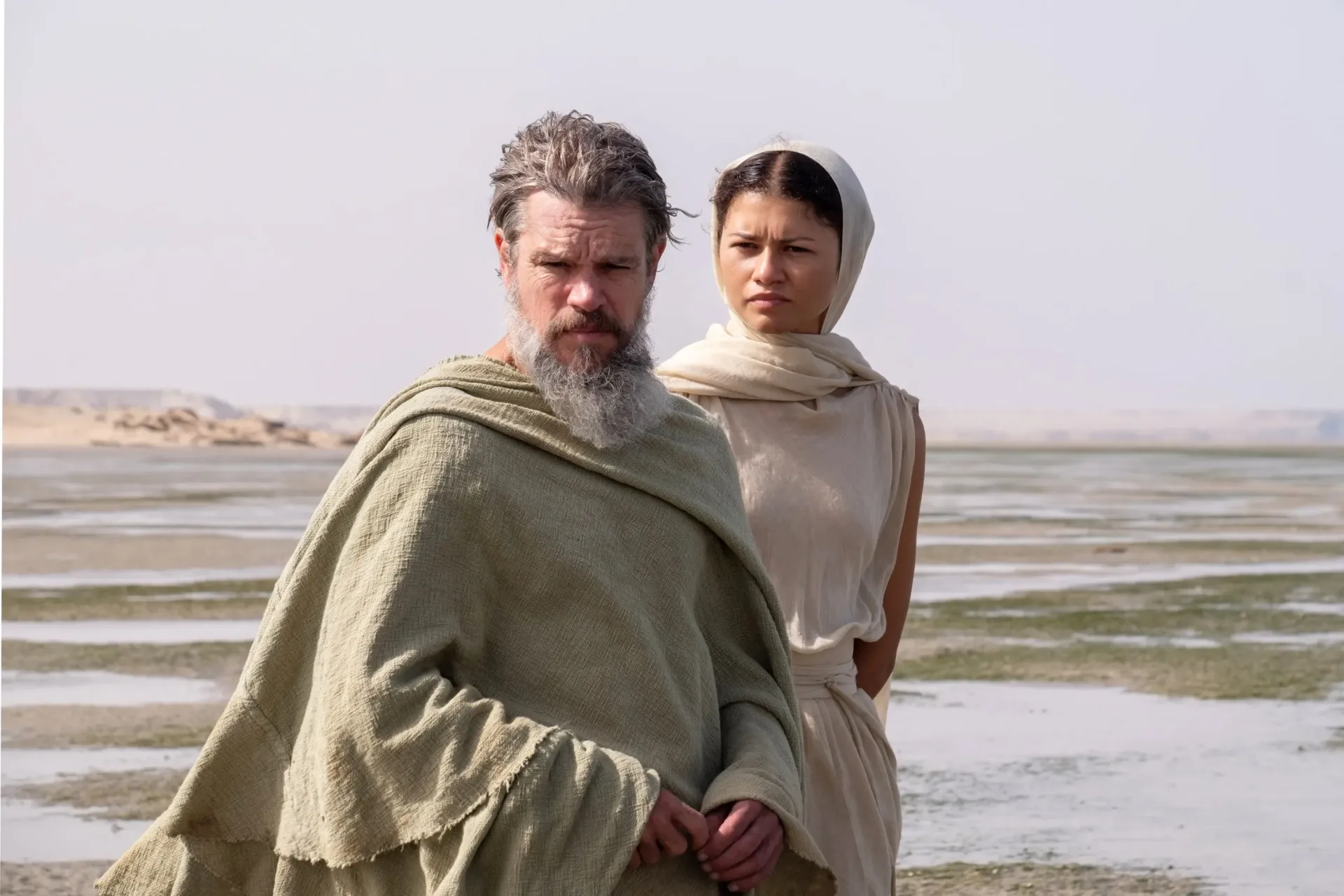
Christopher Nolan has made the status of The Odyssey’s unused material unusually clear: it exists, but audiences should not expect to see it. Discussing the film’s home-video release, the writer-director said there are deleted scenes from the record-breaking epic, yet he has no interest in turning them into a bonus-feature treasure hunt or a later alternate edition.
His reasoning is straightforward. Nolan does not regard a director’s cut as a future correction to the theatrical release. He regards the cut that reaches theaters as the version for which the director must take responsibility.
“I don’t really believe in director’s cuts. I want to stand by the film that goes out.”
That position means the distinction matters: a deleted scene is material filmed during production and excluded from the final edit, while a director’s cut is a separately released version that changes, restores, restructures, or expands the movie. A film can have deleted scenes without treating them as missing pieces of the finished story. In Nolan’s view, the existence of discarded footage does not make it an unfinished obligation to viewers.
The theatrical cut is the final statement
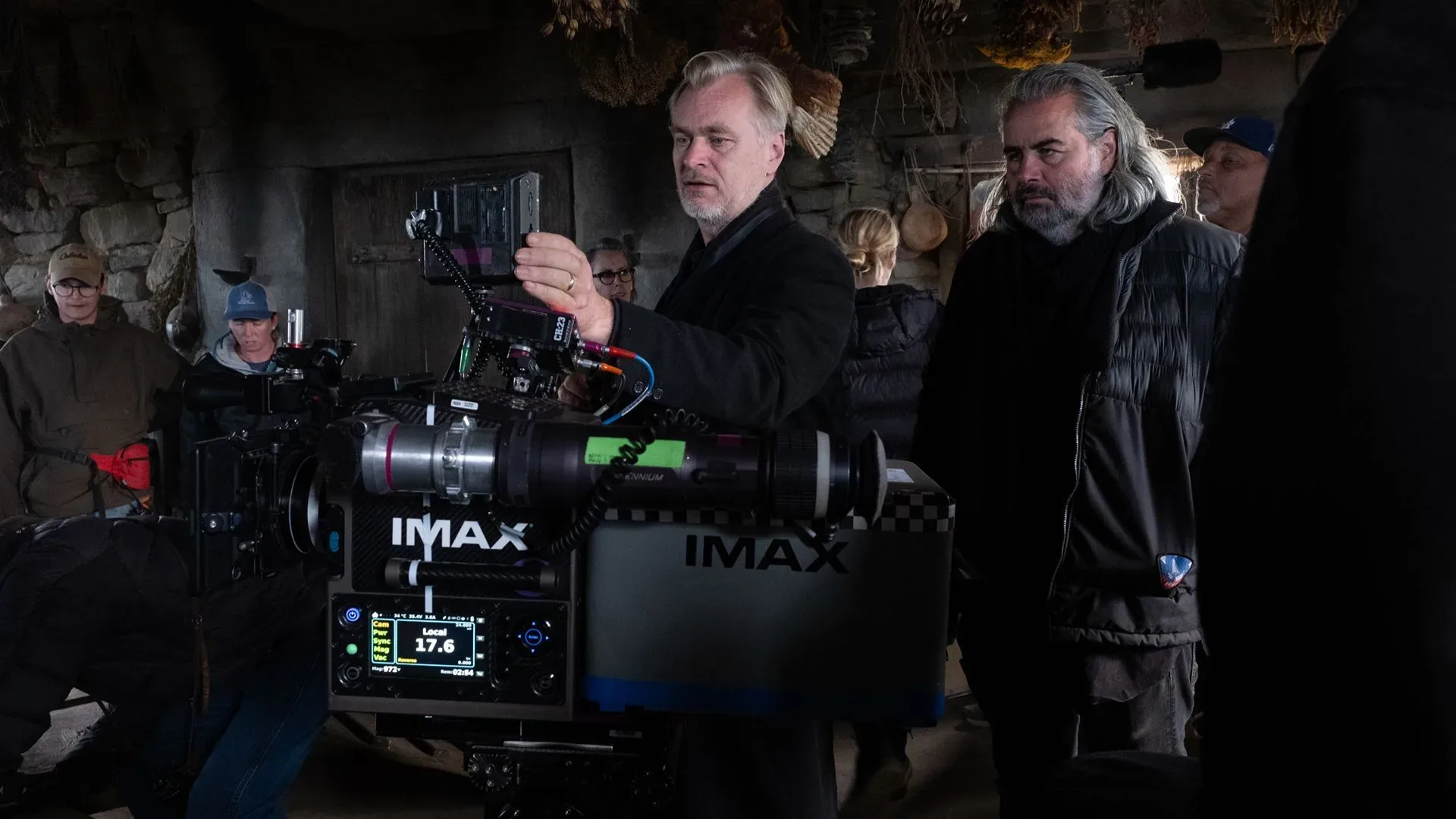
Nolan said he works to remove material before cameras roll whenever possible. He described the practical waste involved in filming a sequence in demanding environments—on a mountain, in rain, or on a boat—only to decide later that it has no place in the finished movie. The aim is not to create a vault full of curiosities; it is to arrive on set with a disciplined plan for what belongs in the film.
That is also why the language around a “director’s cut” can be misleading in this case. The label is sometimes used to imply that a filmmaker’s preferred version was held back, compromised, or rescued years later. Nolan instead says it is his job to fight for the movie’s cut all the way up to its theatrical release. The version audiences saw is therefore the version he intends to stand behind.
For fans, the practical implication is blunt: the home-video release of The Odyssey should not be read as the first stage of an expanded-edition cycle. Nolan has said the removed scenes will not be released. That shuts down a familiar form of speculation around major films, where viewers search for a later “complete” cut that adds character beats, plot explanations, or spectacle removed for runtime.
It also reframes deleted scenes as evidence of editorial decision-making rather than evidence of a missing version. A scene can be costly, difficult to shoot, and perfectly competent on its own while still slowing a film, repeating an idea, or pulling the story away from its intended shape. Nolan’s comments do not identify which sequences were removed from The Odyssey, why each was cut, or how much footage is involved. What they do establish is that he does not consider their omission a reason to revise the publicly released film.
Related coverage includes Christopher Nolan Says The Odyssey Deleted Scenes Will Stay Unreleased.
Why Nolan’s process produces fewer extras
The director’s approach is tied to planning as much as post-production. Nolan has previously said that he tries to do the “weeding out” on paper because shooting unused material costs substantial time and money. A script is not merely a loose menu of possibilities in that model; it is the working blueprint for production.
Cillian Murphy described the mindset during the release of Oppenheimer, saying Nolan knows what will make the finished film and is not repeatedly changing the story while editing. Murphy’s point was not that no scene is ever removed. Nolan’s new comments about The Odyssey make clear that material can indeed be cut. Rather, the process seeks to avoid generating large quantities of footage with no expected role in the final narrative.
Celluloid is part of the calculation. Nolan’s preference for shooting on film adds expense to every unnecessary take or sequence, strengthening the incentive to make decisions before production. That does not make the shoot inflexible; the fact that The Odyssey has deleted scenes shows that editorial choices remain necessary. But it helps explain why Nolan’s films are not generally accompanied by an extensive menu of excised scenes on disc.
For collectors of physical media, that may be a slightly counterintuitive proposition. Home releases often sell the promise of access: commentary tracks, alternate takes, unfinished effects, isolated music, and scenes that did not survive the edit. Nolan’s philosophy places greater value on the completed feature than on converting every remainder into a collectible extra. The absence of a deleted-scenes package is deliberate, not an indication that the material has been forgotten.
A firm answer to the “release it” instinct
Modern movie conversation often treats unreleased footage as an invitation. If a scene was filmed, the assumption goes, it should eventually be restored, uploaded, or folded into a special edition. That instinct is understandable: viewers are curious about the paths a story did not take, and additional footage can feel like a more complete artifact.
Nolan’s comments argue for a different definition of completeness. A finished film is complete because its filmmaker chose its structure, rhythm, and content—not because it includes every usable image captured during production. In that framework, cutting material is not a loss of authorship. It is authorship.
That does not require dismissing audience curiosity. Deleted scenes can be valuable records of how a production developed, and a great scene can be wrong for the movie around it. But Nolan is drawing a boundary between archival interest and the film itself. The former may be real; the latter is the version released to the public.
It is a useful distinction in an era when “more” is regularly confused with “better.” An extended cut can be meaningful when a filmmaker believes it represents the work more faithfully. Nolan has said he does not hold that belief about his own releases. Adding material after the fact would not reveal a concealed preferred version of The Odyssey; it would replace the finality he intends the theatrical cut to have.
The Odyssey’s scale makes the decision more notable
The stance arrives after an enormous commercial run. The Odyssey opened in theaters over the summer and has reached $1.8 billion, making it Nolan’s highest-grossing film and the highest-grossing R-rated release in history. It is also positioned as a contender for major awards, including best picture and best director.
Those milestones may make the prospect of a deluxe expansion especially tempting from the outside. A film of that size has a built-in audience eager for more, while a large-scale production naturally invites questions about scenes, settings, and performances left on the cutting-room floor. Nolan’s answer is nevertheless that the cut already released is the one that matters.
That does not lessen the film’s cultural footprint or stop conversations about its production. It simply sets expectations for what the home-video edition represents: not an alternate canon and not a preview of a future director’s edition, but the same final film Nolan fought to put into theaters.
There is a broader pop-culture contrast here as well. Promotional material and connected artifacts can encourage audiences to treat every image as a clue to a larger product ecosystem, much like the attention around a recent run of connected superhero posters. Nolan’s stated approach goes in the opposite direction: not every piece of material associated with a film is meant to become part of the audience-facing text.
What viewers should and should not infer
- There are deleted scenes: Nolan explicitly said that The Odyssey has them.
- They are not promised as bonus features: he said they will not be seen publicly.
- No director’s cut is planned: Nolan does not believe in releasing one and stands behind the version that went out.
- The deleted material is not automatically essential: its removal reflects the director’s judgment about the finished movie.
- Details remain unknown: no specific deleted sequences, runtimes, or plot information were identified.
For anyone awaiting an expanded Odyssey, that is the decisive answer. Nolan acknowledges that the unused footage exists, but he sees its place as outside the work he chose to release. The final cut is not a temporary edit awaiting correction. It is the movie.