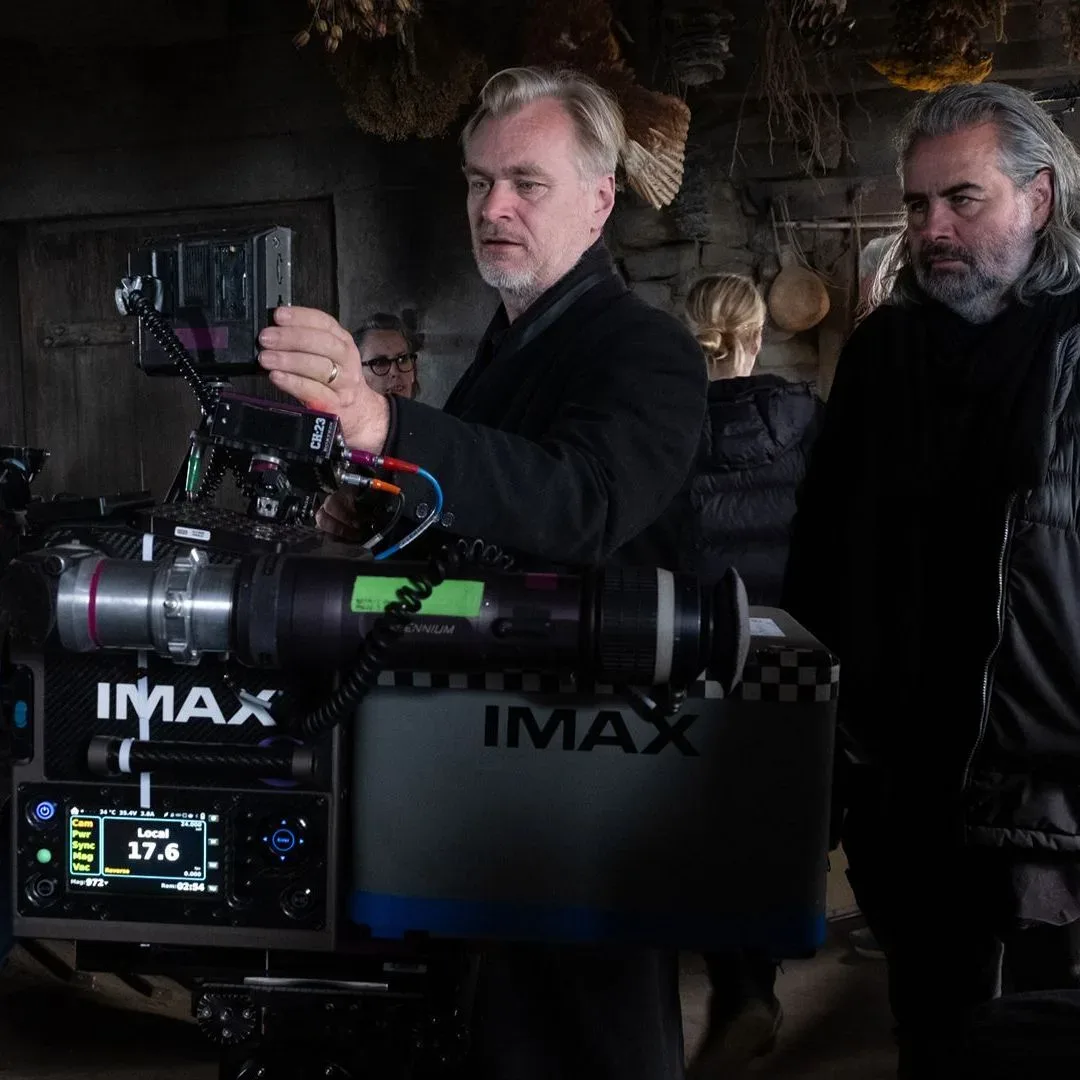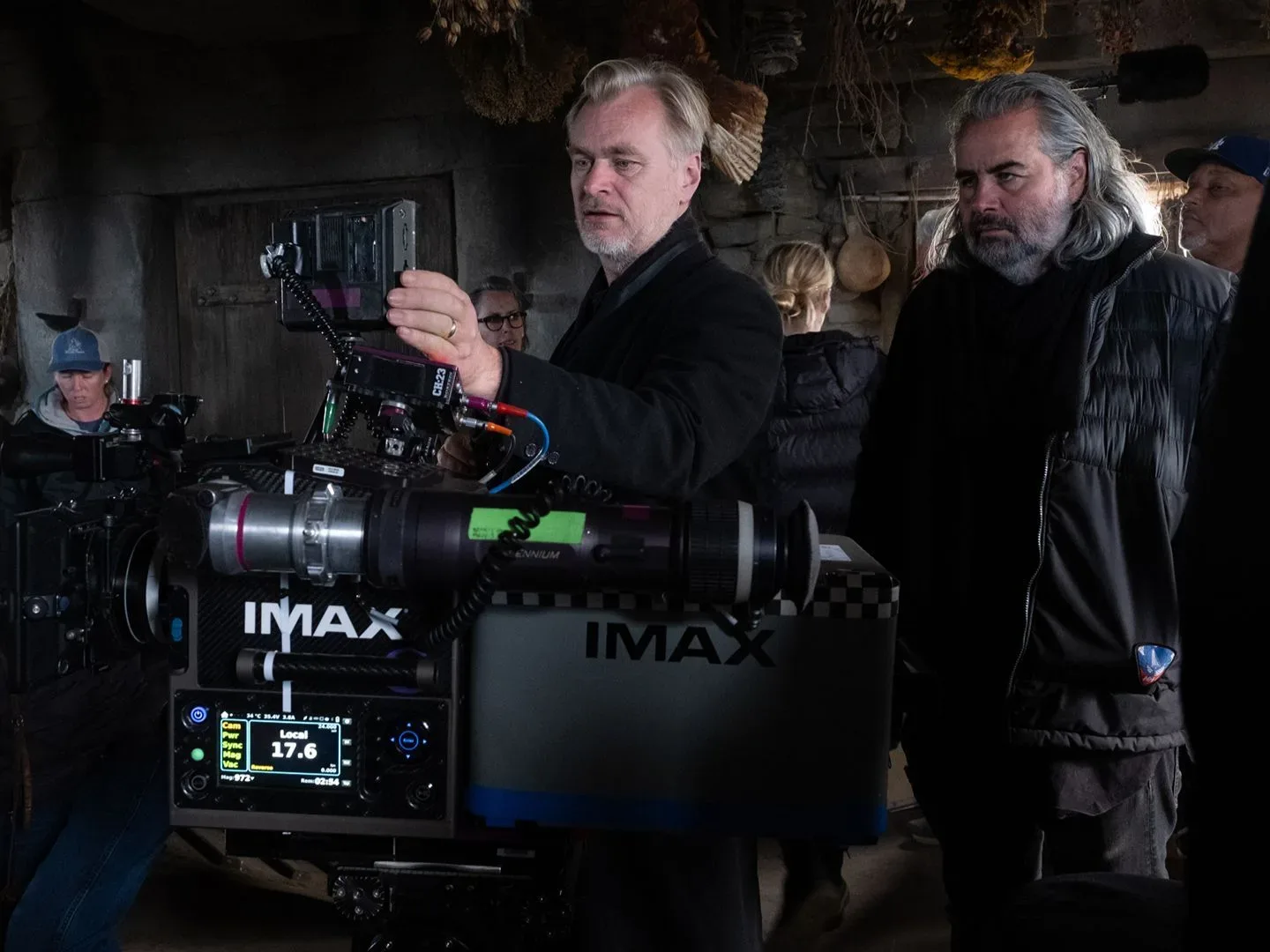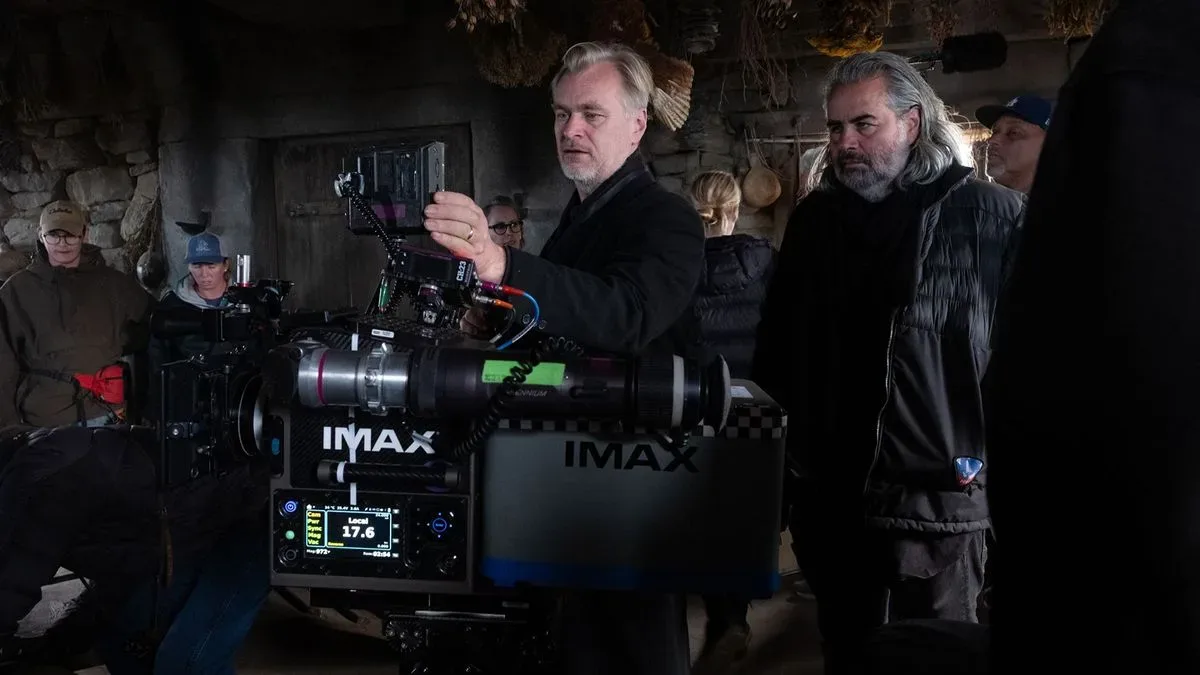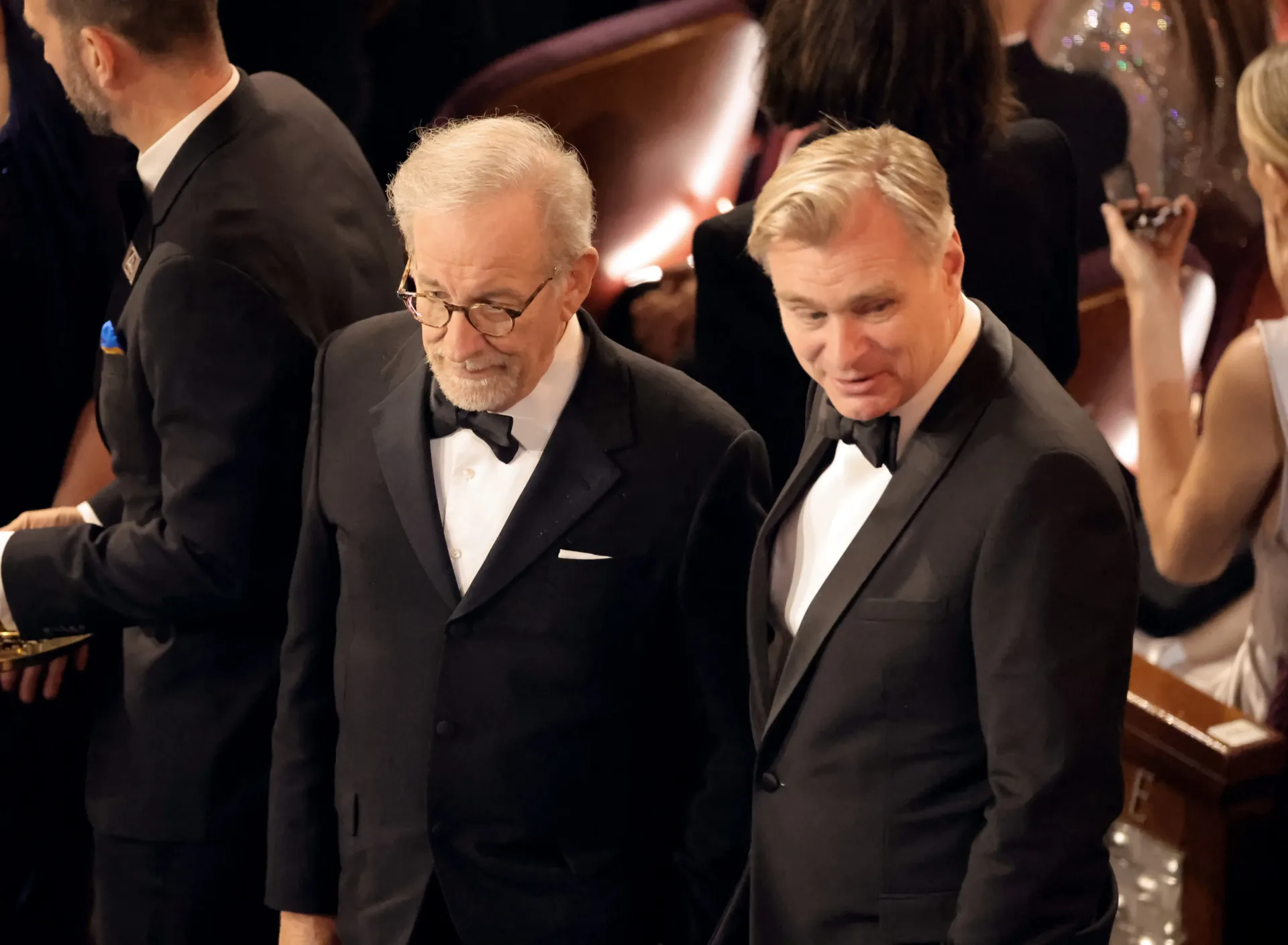
Christopher Nolan is already considering the film that could follow The Odyssey, but there is no title, subject, release plan, or confirmed production timetable to share. Emma Thomas, Nolan’s longtime producing partner and life partner, says he is “mulling some stuff” following the summer release of The Odyssey.
The important word is considering. Thomas did not identify a next project, and she made clear that the pair do not yet know exactly what Nolan’s next movie will be. That leaves plenty of room for speculation from audiences, but very little that can responsibly be treated as a concrete announcement.
What is known is that Nolan is not someone Thomas expects to remain idle for long. “He’s thinking,” she said, characterizing him as someone who is not especially suited to doing nothing. For a filmmaker whose work is typically built around large-scale planning and exacting execution, the period between releases may still be creatively active even when a new film has not entered public view.
A possible longer pause is still only a possibility
Nolan’s prior feature, Oppenheimer, arrived in 2023, while The Odyssey followed in 2026. That three-year interval is an obvious reference point, but Thomas would not commit to another three-year wait. Asked whether the same gap could apply again, she said it might be longer, before returning to the point that Nolan is unlikely to simply put his feet up.
That answer establishes two things at once. First, no release window has been announced. Second, even Thomas’s suggestion of a longer break is not a firm schedule; it is an assessment of what may happen, balanced against Nolan’s tendency to keep thinking and working.
For moviegoers, this is the sensible takeaway: there is no reason yet to count down to a specific year or assume a particular genre, franchise, adaptation, or original story. A filmmaker weighing possibilities is at an earlier stage than a film with a disclosed concept, cast, production start, or release date. Those distinctions matter, especially when online discussion can turn a broad creative intention into an imagined slate of “confirmed” projects.
What “mulling” a film can mean
In this context, mulling ideas over should not be confused with a production green light. A green light is the point at which a film formally moves ahead with the backing and resources needed for production. Thomas’s comments do not establish that milestone for another Nolan movie.
Likewise, thinking about a project does not reveal whether Nolan has settled on a script, begun filming, or selected a location. None of those details were provided. The most accurate description is simply that he is considering his next move.
That may sound cautious, but it is more useful than treating uncertainty as empty space that must be filled with guesses. Nolan’s next film will become a story in a much more concrete sense when its basic identity and schedule are actually disclosed. Until then, Thomas’s remarks offer a glimpse of a working rhythm rather than a preview of a finished plan.
The Odyssey was described as Thomas’s most complicated project
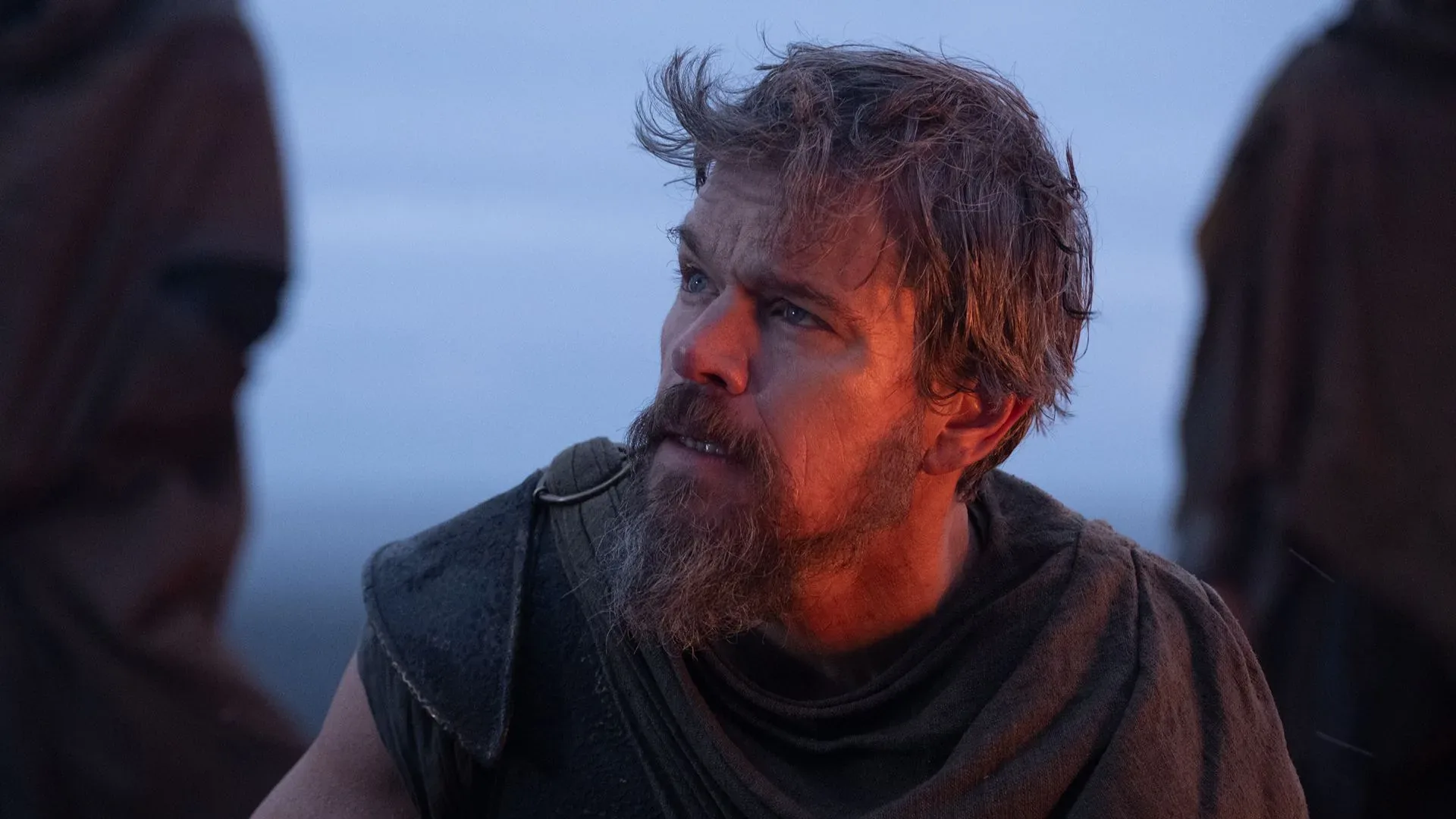
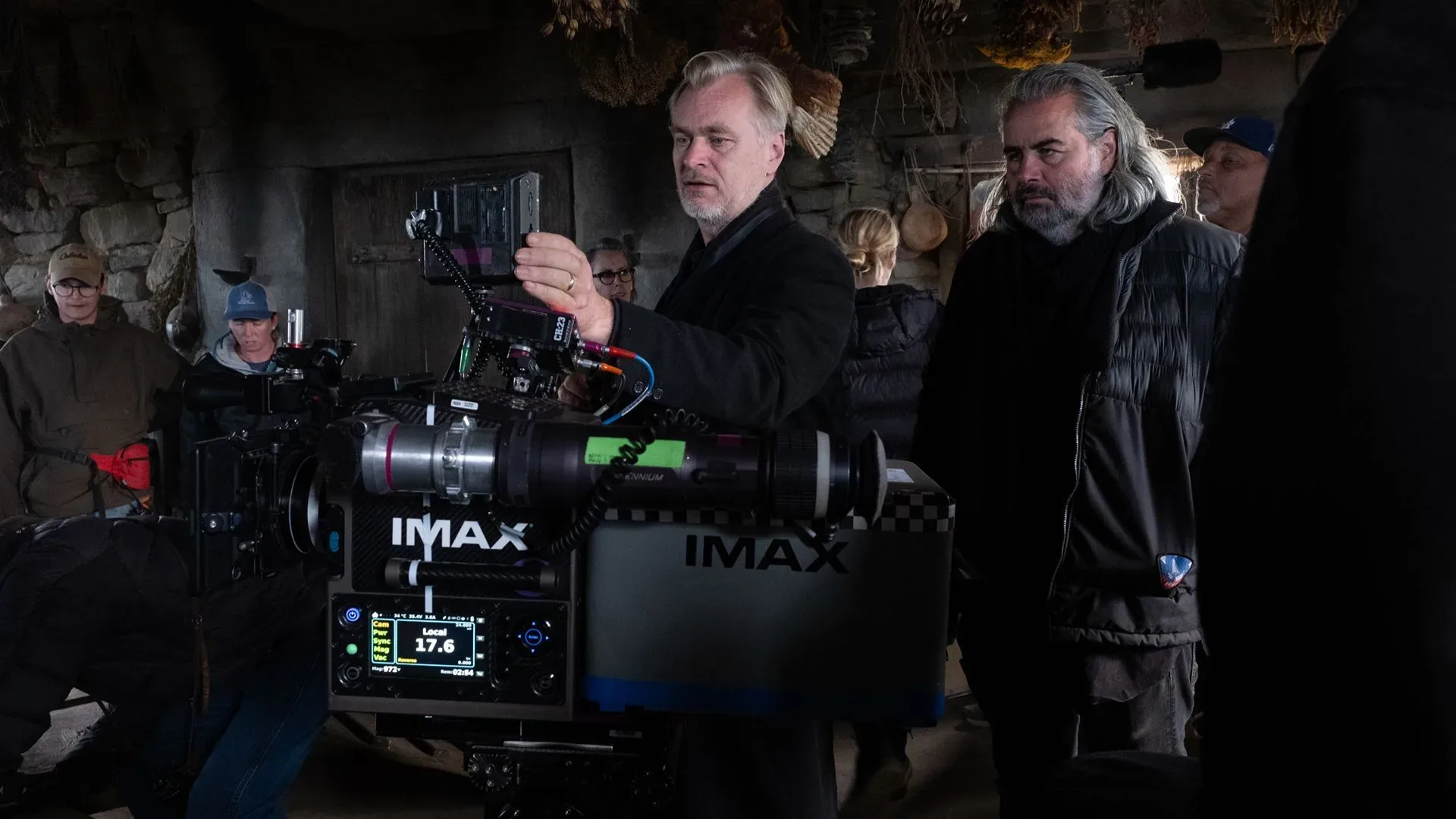
A longer recovery period would be understandable given the scale of The Odyssey. Thomas described it as the most complicated project she has worked on. Production took place across multiple countries and remote environments, including caves in Greece and work on the open sea. Nolan also went through 400 miles of film during the shoot.
That last figure is a useful reminder of the movie’s physical production demands. Here, film refers to the photographic stock used to capture images, not to the finished movie in the broad everyday sense. A figure measured in miles speaks to the quantity of material shot, but it does not by itself tell viewers a runtime, a budget, or how much of that material ultimately appears in the released feature. It is a production-scale detail, not a substitute for those other facts.
The locations matter too. Remote caves and open-water work introduce practical complications that do not exist to the same degree on a controlled indoor set. Thomas did not provide a full list of obstacles, and it would be wrong to invent one. Still, her description of the work as exceptionally complicated is grounded in a production that moved through difficult settings and multiple countries.
Thomas was not a distant administrative presence on the film. Although she served as a producer, she took a hands-on role and was on set in harsh conditions. That perspective gives particular weight to her assessment of the project’s complexity: it comes from someone who was directly involved in making it happen rather than merely observing the finished result.
The Odyssey also became the highest-grossing R-rated movie ever after reaching screens during the summer. That result is significant, but it should not be read as evidence that Nolan’s next film must attempt to duplicate its subject, scale, rating, or production approach. Thomas has offered no such indication. Commercial success can expand interest in a filmmaker’s future work without dictating what that work will be.
Thomas and Nolan’s partnership remains central
The comments also underline the durability of the Nolan-Thomas creative partnership. Thomas has worked on Nolan’s films from Memento through The Dark Knight trilogy and on to The Odyssey. She says she enjoys hearing about the challenges faced by other people, but expects to continue working with Nolan rather than pursuing a separate slate of projects.
Her explanation is less about a lack of curiosity than about the depth of an established partnership. Thomas praised Nolan as demanding of himself and those around him, while also calling him pragmatic and inventive. In production terms, pragmatic suggests an emphasis on workable decisions and execution rather than ideas left detached from the realities of making a film. That description sits naturally beside her account of a physically and logistically difficult shoot.
Thomas also said Nolan is less likely to work on many projects at once. This is a key qualification for anyone trying to read his comments as a promise of rapid output. Being constantly engaged with ideas does not necessarily mean juggling several films simultaneously. It may instead mean sustained attention on the next decision, with the eventual project taking shape one step at a time.
Her own position appears equally focused. Thomas said there is “a lot to do” within the partnership and “not really room for anything else.” It is a candid picture of a producing relationship built around shared focus, high expectations, and a practical approach to unusually ambitious work.
What audiences can and cannot take from this update
Confirmed:
- Nolan is thinking about a film after The Odyssey.
- Neither he nor Thomas has identified exactly what that movie will be.
- Thomas believes the gap before the next project could be longer than the three years between Oppenheimer and The Odyssey.
- The Odyssey involved production in multiple countries, including remote caves in Greece and the open sea, and Nolan used 400 miles of film.
- Thomas considers it the most complicated project she has worked on.
Not confirmed:
- The next film’s title, premise, genre, cast, rating, production start, or release date.
- Whether the next interval will actually be longer than three years.
- Whether the next project will resemble The Odyssey in any creative or technical respect.
That divide is the real news. Nolan is not announcing retirement, nor is he unveiling the next major production. He is in the in-between phase: still engaged, still developing thoughts, and not ready to define the result publicly. For viewers tracking major screen storytelling, it is also a useful time to remember that patient development can be part of the work itself. Other large fantasy stories continue to develop their own long arcs, as seen in this look at how The Rings of Power frames the One Ring and Galadriel’s conflict.
For now, Thomas’s account offers the clearest available picture: the demanding run of The Odyssey is over, Nolan is already turning over potential ideas, and the identity of whatever comes next remains deliberately unresolved.