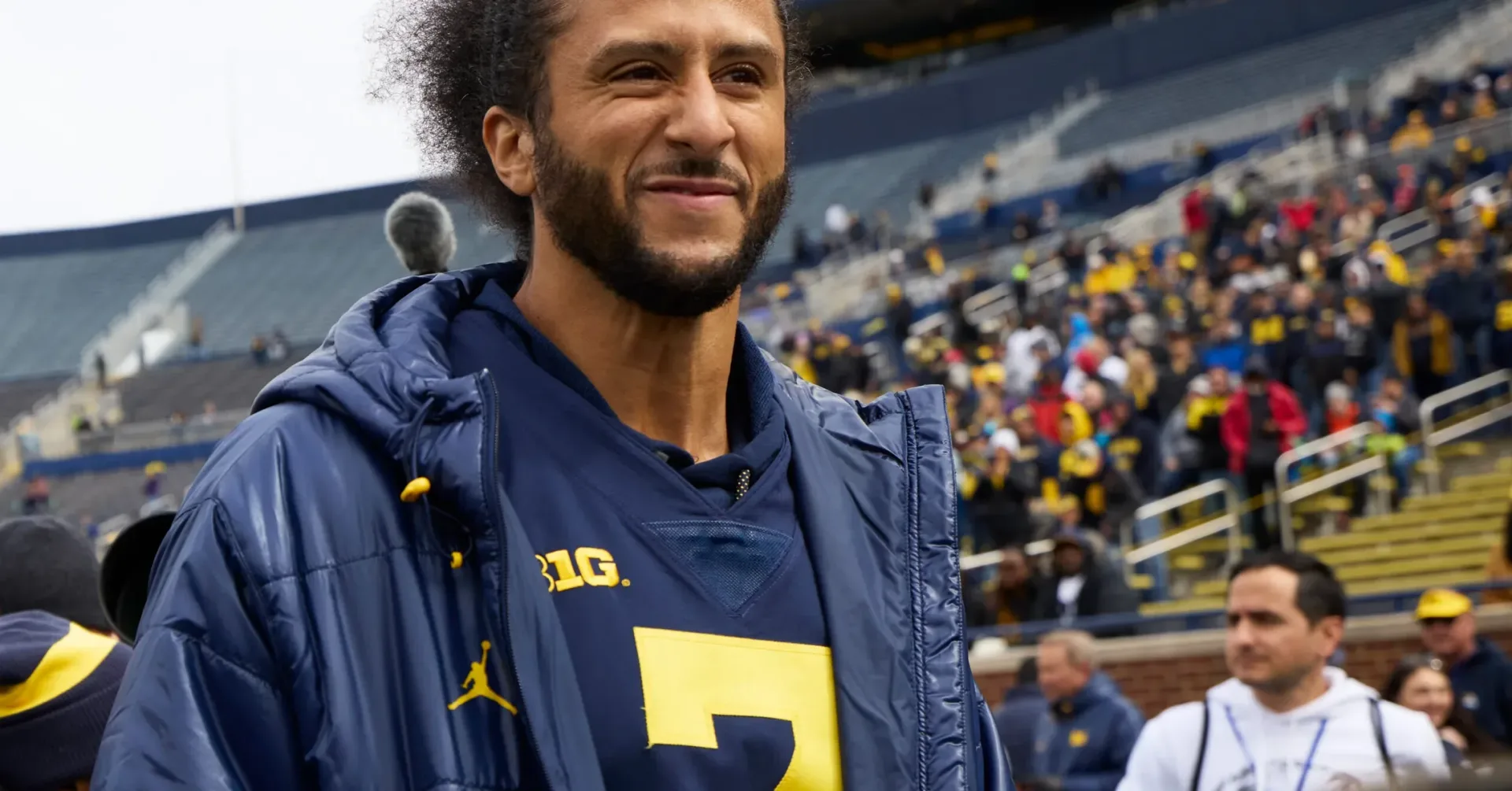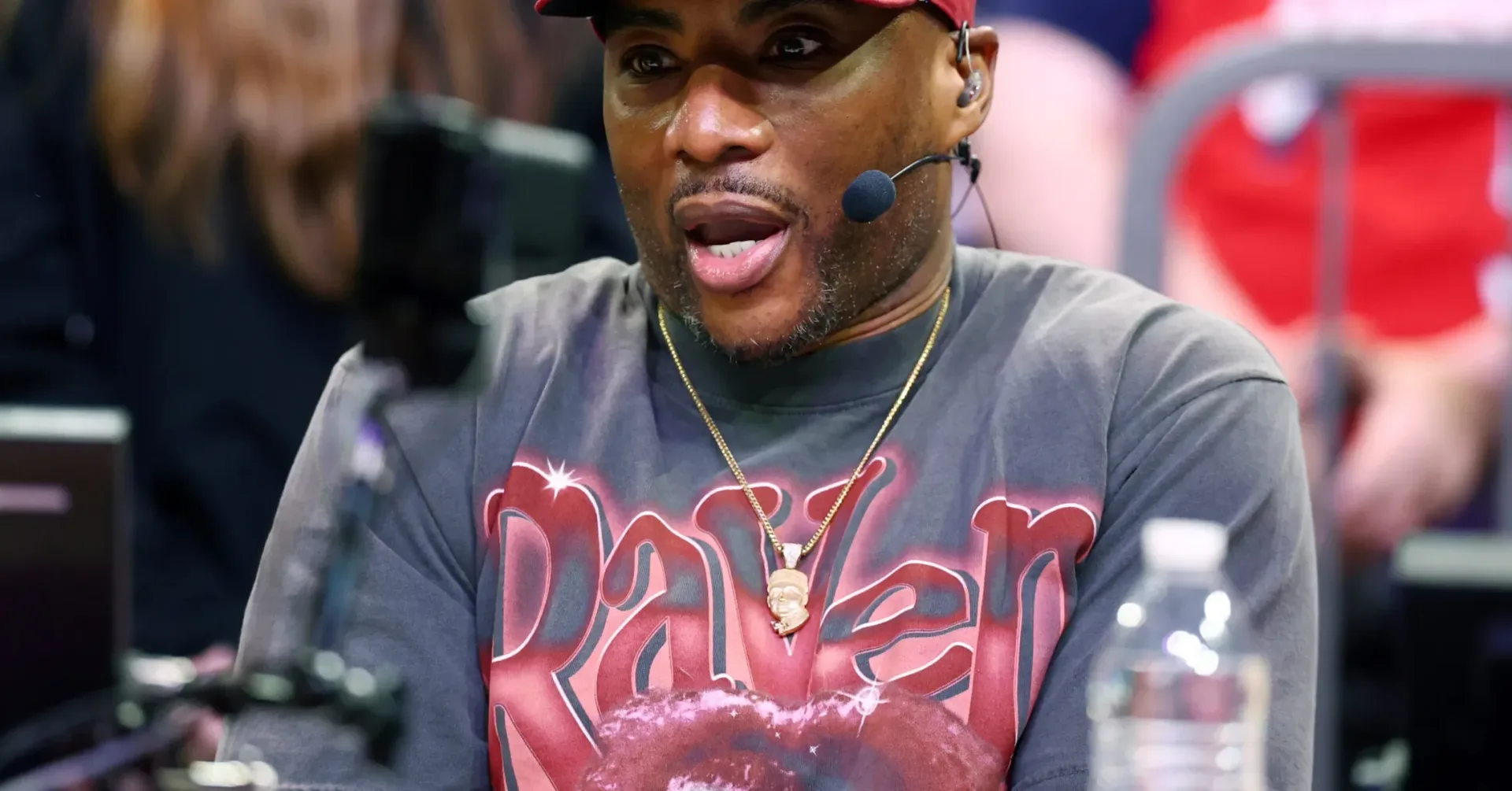
Charlamagne Tha God has added a measured but pointed perspective to the public tension between Colin Kaepernick and Jay-Z. Speaking on The Pivot, the radio host said he would prefer to see the two figures get on the same page, but indicated that he has reservations about the way Kaepernick has discussed the dispute in public.
His central criticism was not that there is no disagreement to discuss. Rather, Charlamagne suggested that Kaepernick may be presenting the fallout in a way he considers “disingenuous.” That is an important distinction in a conflict where the basic facts are tied to a much larger argument: whether working within the NFL can create meaningful change, or whether partnership with the league compromises the protest that placed Kaepernick at the center of a national debate.
Charlamagne’s comments do not settle that question, and they do not establish a new account of the private conversations between Kaepernick and Jay-Z. They do, however, highlight the uneasy territory between disagreement, public storytelling and reconciliation. He made clear that a prolonged public feud is not what he wants for either man.
Why the disagreement remains so charged
The rift is rooted in Jay-Z’s 2019 partnership with the NFL through Roc Nation. The partnership placed Roc Nation in the league’s entertainment programming, including Super Bowl-related work, while also involving social-justice initiatives.
For many observers, the arrangement was inseparable from Kaepernick’s situation. Kaepernick had become a defining figure in athlete activism after protesting police brutality and racial injustice by kneeling during the national anthem. His continued absence from the league gave additional weight to criticism of Jay-Z’s decision to work with the NFL.
Jay-Z’s remark that “we’ve moved past kneeling” became one of the most contentious elements of the response. To supporters of the partnership, the sentiment could be read as an argument for moving from symbolic protest toward a different form of action. To critics, it risked diminishing the significance of the protest itself—and the professional consequences Kaepernick faced after it.
That unresolved split explains why this is not simply a celebrity disagreement. The two men are associated with different positions in an ongoing discussion about visibility, institutional access and accountability. A partnership may offer a route to resources and influence. But for critics, the question is whether those benefits can be pursued without weakening the force of a protest directed at the institution involved.
A conflict revived by music and memoir
The disagreement returned to public view this summer after Jay-Z performed a freestyle that appeared to reference Kaepernick’s settlement with the NFL. The wording was interpreted as a possible allusion rather than a direct, fully explained statement, which left room for competing readings.
Kaepernick then addressed his relationship with Jay-Z while promoting his memoir, The Perilous Fight. He criticized Jay-Z’s NFL partnership and described having told Jay-Z directly that he strongly disagreed with the decision to work with the league.
Those comments gave the issue a clearer personal dimension. Public arguments about the NFL deal often concern symbolism and strategy; Kaepernick’s description of a direct conversation suggests that the disagreement was also communicated privately. Yet the available account still leaves major details unresolved, including whether the two have had a more recent substantive conversation and whether either sees a path toward repairing the relationship.
Charlamagne’s response fits in that gap. He appears open to the possibility of a conversation and eventual understanding, while also challenging the reliability or completeness of Kaepernick’s current public framing. That is not the same as proving Kaepernick wrong, nor is it an endorsement of Jay-Z’s choices. It is a call for more scrutiny around how a complicated conflict is being characterized.
What “disingenuous” means in this context
In ordinary use, calling someone disingenuous suggests that their public presentation does not fully align with what they know, believe or have done. It is a serious critique because it questions the framing of an argument rather than merely disagreeing with its conclusion.
Charlamagne did not, in the available comments, lay out a detailed factual case that resolves every disputed point between Kaepernick and Jay-Z. His use of the term should therefore be understood as his assessment of Kaepernick’s approach to the matter, not as a verified finding about their private history.
That distinction matters particularly in conflicts involving public figures. Audiences may be tempted to reduce the dispute to a simple choice of sides, but the disagreement contains several separate questions:
- Was partnering with the NFL a productive way to pursue social-justice work?
- Did the partnership conflict with the principles represented by Kaepernick’s protest?
- How directly did Kaepernick and Jay-Z address their differences with one another?
- Do later public remarks fairly capture those prior discussions?
People can reach different conclusions on each question without necessarily sharing the same view on every other one. Charlamagne’s comments are focused most closely on the last two: how the dispute is described and whether that description accurately conveys the relationship between the men.
The practical stakes of a public disagreement
Public disputes involving activism carry a special burden because language can reshape the meaning of the underlying cause. Kaepernick’s protest was centered on police brutality and racial injustice, while Jay-Z’s NFL work was presented in part through social-justice initiatives. The debate over their relationship therefore has implications beyond personal friction.
For Kaepernick, criticism of the partnership is connected to whether institutions should be trusted to lead or support reform after being the focus of protest. For Jay-Z, the partnership raises the counterargument that access to a powerful institution can be used to influence outcomes from within. Neither position becomes uncomplicated merely because it is stated forcefully.
Charlamagne’s preference for the men to find common ground recognizes that both paths are bound to the same broader concerns. Reconciliation would not require either person to pretend the original disagreement never existed. It could instead mean acknowledging that the argument involved real differences over tactics, priorities and trust.
That possibility remains speculative. There is no indication here of a new meeting, a shared statement or an agreement between Kaepernick and Jay-Z. The open question is whether direct communication could reduce the public cycle of references, responses and interpretations that has kept the tension alive.
Why the story continues to draw attention
The Jay-Z and Kaepernick dispute has persisted because it touches several worlds at once: sports, music, business and political expression. Jay-Z’s role in entertainment makes his relationship with the NFL culturally visible, while Kaepernick’s protest remains a major reference point in conversations about athletes using their platforms.
It also sits within a wider history of public debate in hip-hop, where art, influence and personal relationships frequently overlap. That long-running intersection is part of why stories such as Jasmine Guy’s relationship with Tupac can be discussed not only as personal history, but through the larger cultural contexts surrounding the people involved.
For now, Charlamagne’s remarks add a third-party challenge rather than a resolution. He has expressed a desire to see Kaepernick and Jay-Z get past the conflict, but he also believes Kaepernick’s public treatment of it deserves questioning. Until either Kaepernick or Jay-Z offers further clarity—or engages the other directly—the disagreement will continue to be defined by competing interpretations of the same pivotal decision.