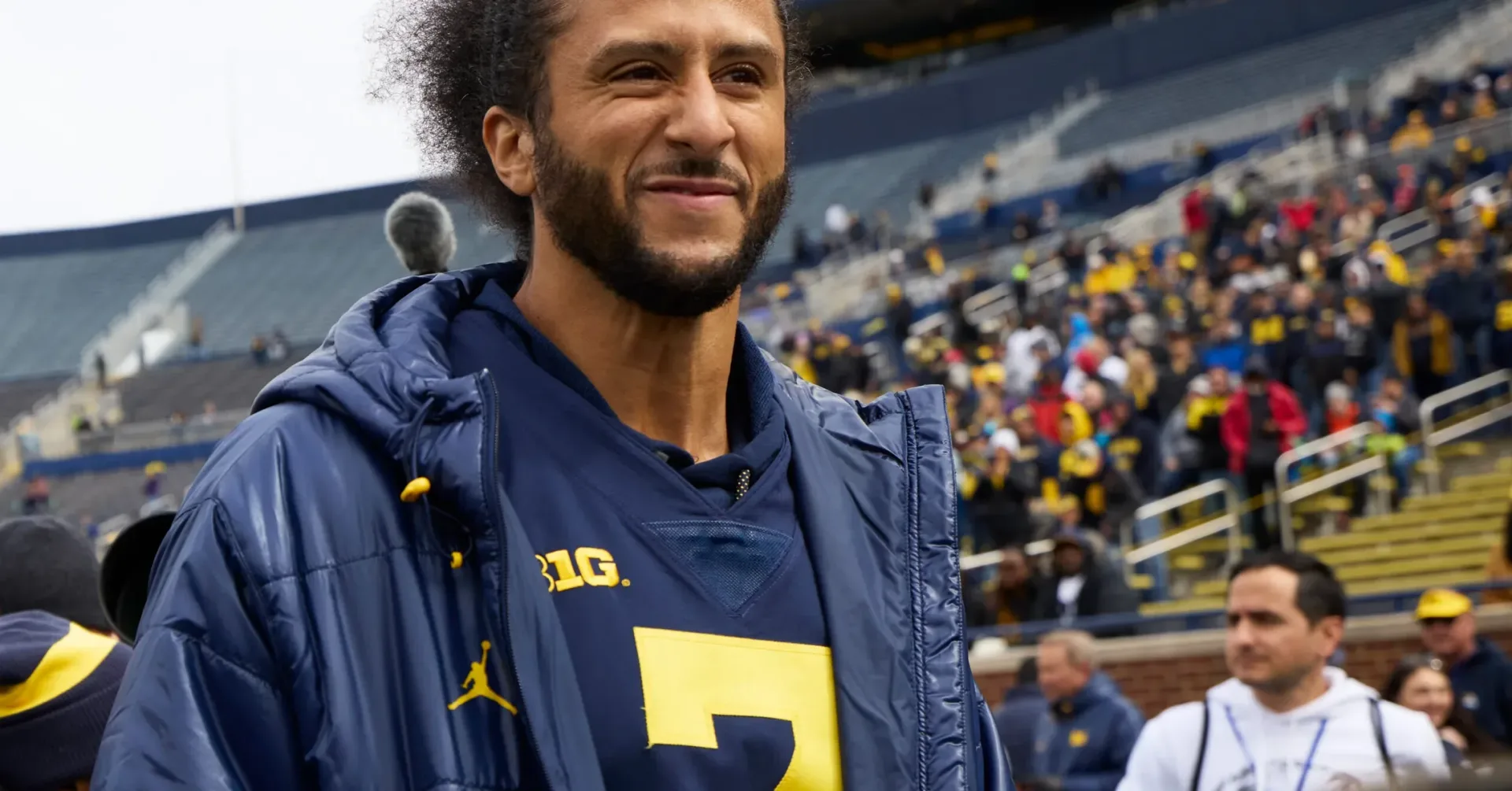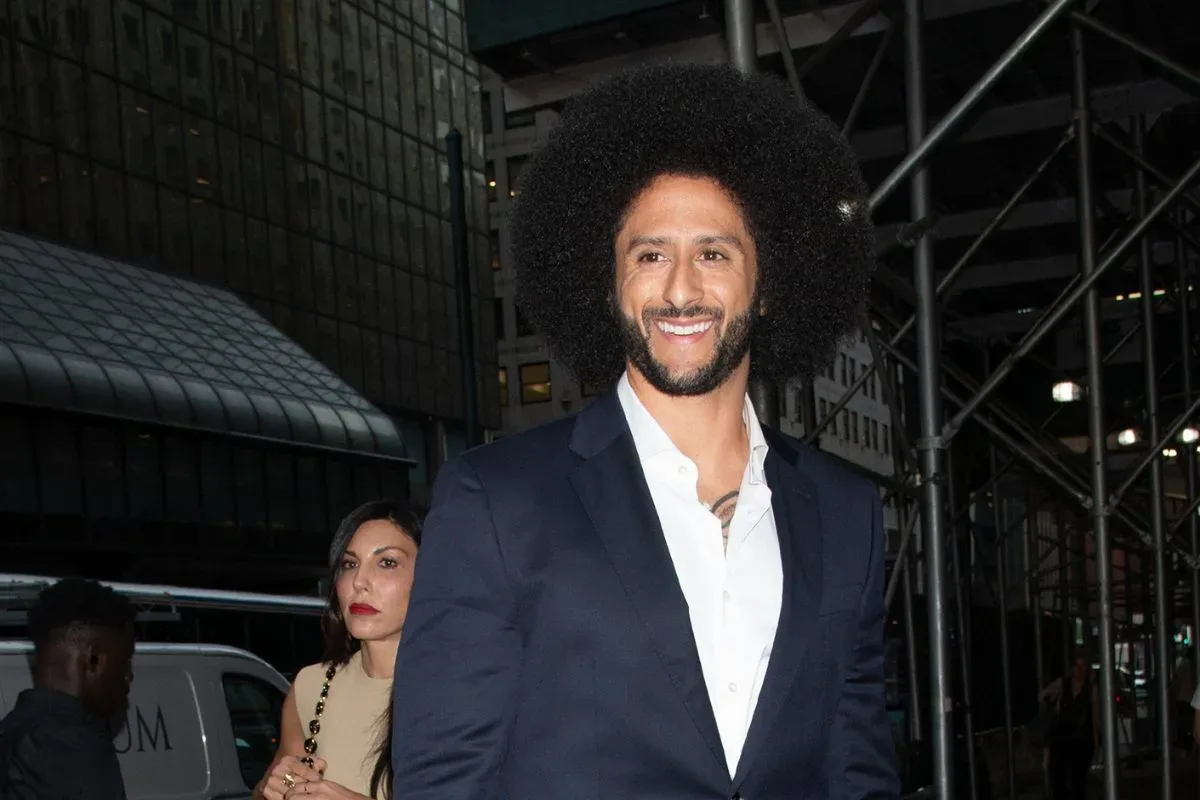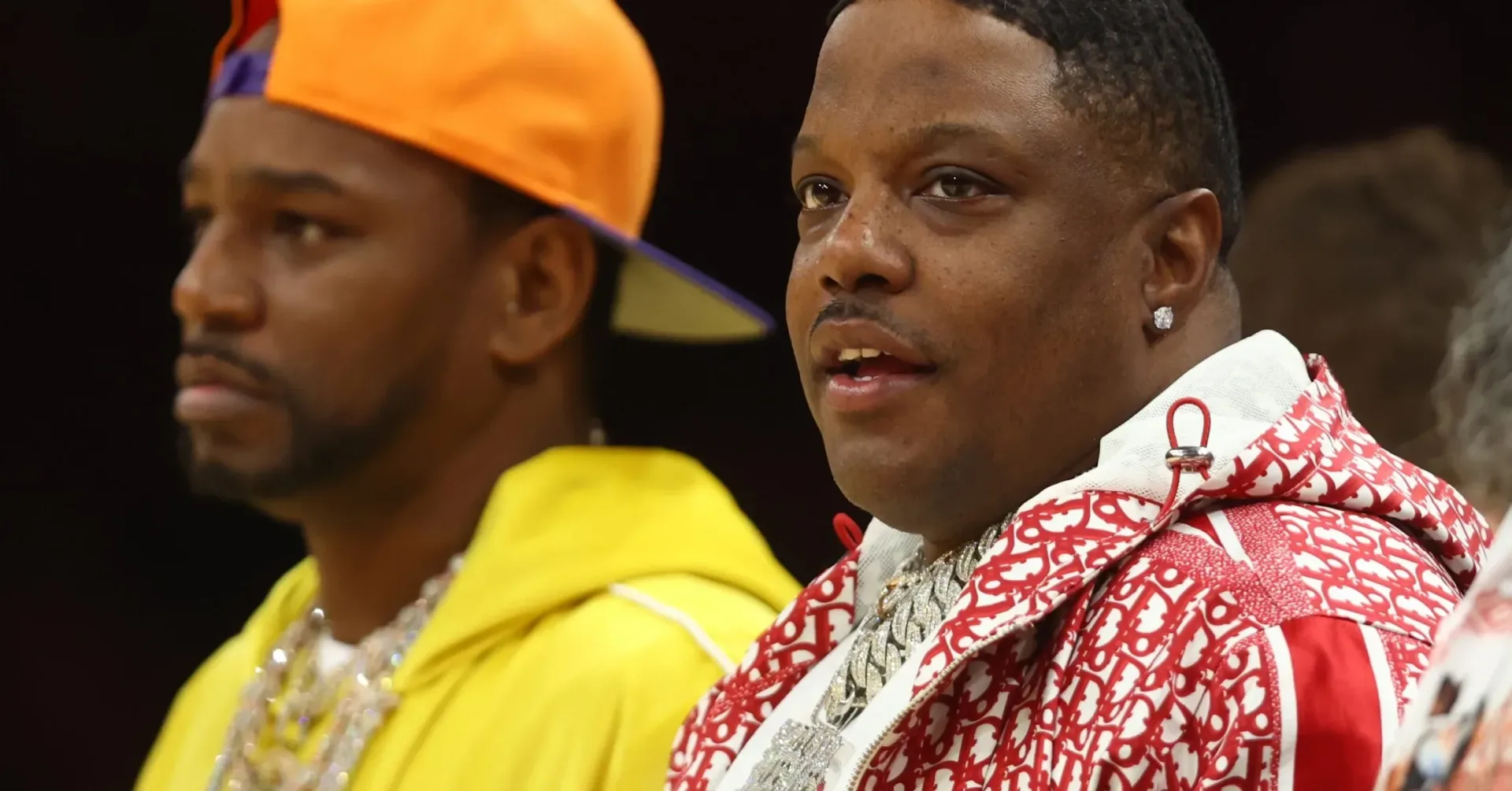
Colin Kaepernick’s renewed public discussion of a possible NFL return has prompted a blunt response from Cam’ron and Mase. On It Is What It Is, the rappers-turned-sports commentators considered the former quarterback’s continued training and reported desire to join a team in the context of his protest against racial injustice, his subsequent departure from the league, and the larger debate that has followed him for years.
The conversation arrives during Kaepernick’s tour for The Perilous Fight, a memoir in which he reflects on protesting racial injustice and the consequences that followed. The key point is not simply whether he still wants to play football. It is that a potential return carries the weight of everything that preceded it: a public stand, a damaged relationship with an employer, and a cultural argument that never stayed within the bounds of sport.
Mase’s argument: activism can carry irreversible costs
Mase approached the subject as a workplace and advocacy question. His position was that Kaepernick made a principled stand larger than football, but that such a stand can come with consequences that cannot later be undone. In Mase’s telling, the seriousness of activism includes accepting the possibility that an institution may never restore the relationship that existed before.
That is a harsh formulation, but it identifies the central conflict in this story. Advocacy is not the same thing as a routine contract dispute. Kaepernick’s protest was public and politically resonant; it concerned racial injustice rather than a narrow football matter. Mase’s view is that this type of action changes the terms permanently, particularly when the employer involved is a powerful professional sports league.
It is important to separate that interpretation from an established fact about Kaepernick’s ability to play or any team’s decision-making. Mase was offering an opinion about the likely business consequences of activism, not reporting that Kaepernick is barred from joining a team or that every NFL club holds the same view.
Cam’ron focuses on process, while acknowledging uncertainty
Cam’ron took a somewhat different route. He said he had not kept up with the latest dispute involving Kaepernick and Jay-Z, then discussed an earlier opportunity connected to an NFL workout. His larger point was procedural: when an organization establishes a format for an opportunity, he believes a player must work within that format if the goal is to maximize the chance of returning.
Cam’ron also suggested that the league’s motives in extending an opportunity may have been partly defensive—an attempt to avoid criticism that it had not given Kaepernick a shot. That is analysis and speculation, not a confirmed account of the NFL’s intent. The distinction matters because motives are much harder to establish than events.
In the same discussion, Cam’ron spoke uncertainly about a legal settlement and floated a dollar range from memory. That figure should not be treated as verified information. His own comments made clear that he did not recall the details. A responsible reading of the segment is therefore that Cam’ron was relaying his personal understanding of a complicated episode, not supplying settled legal or financial facts.
The Jay-Z and Roc Nation dispute remains part of the backdrop
The conversation also touched on Kaepernick’s conflict with Jay-Z and Roc Nation. Kaepernick has criticized Jay-Z in connection with Roc Nation’s NFL deal and has alleged that Roc Nation attempted to place negative coverage about him. Those are Kaepernick’s allegations, not claims established by the discussion itself.
Jay-Z’s place in this conversation is significant because it demonstrates how the Kaepernick story extends beyond the league, teams, and fans. Hip-hop figures, athletes, media personalities, businesses, and advocacy-minded audiences can all see the same facts through different lenses. One side may emphasize opportunity, negotiation, and institutional realities. Another may emphasize accountability, solidarity, and whether public support for social justice is meaningful when it comes with commercial partnerships.
That tension is why the debate resurfaces so readily. Kaepernick’s wish to return to football cannot be discussed as a simple roster question in this context. For supporters, continuing to train can be read as proof that he has not abandoned the career he worked for, even after the controversy. For critics such as Mase and Cam’ron, wanting the job back can appear to sit uneasily beside a protest that challenged the institution employing him.
What “returning to the NFL” would actually mean
An NFL return is not one decision made by a single gatekeeper. In practical terms, it would mean a team choosing to sign a player, then integrating him into its football operations. That requires an organization to assess football fit, timing, staff preferences, roster needs, public attention, and whatever internal considerations shape its decision.
Cam’ron and Mase’s comments focus heavily on the relationship and optics side of that equation. Their perspective is that Kaepernick’s public history with the league makes a conventional return difficult, even if he wants one. But that reading should not erase the underlying issue that Kaepernick has continued to raise: the consequences he believes followed his protest against racial injustice.
The disagreement ultimately turns on what people think Kaepernick’s earlier action demanded of him. Mase argues that the cost of the stand must be accepted in full. A different view is that speaking out against injustice should not require someone to surrender their profession forever. Neither position can be reduced to a scouting report or a single workout arrangement.
Why the remarks matter beyond one debate segment
Cam’ron and Mase are not merely outside observers commenting on a sports headline. Their show brings hip-hop commentary into sports discourse, and their exchange reflects an ongoing public argument about protest, employment, leverage, and compromise. The bluntness of their criticism is part of what has drawn attention, but its substance is familiar: when does a public act of conscience become inseparable from a person’s professional identity?
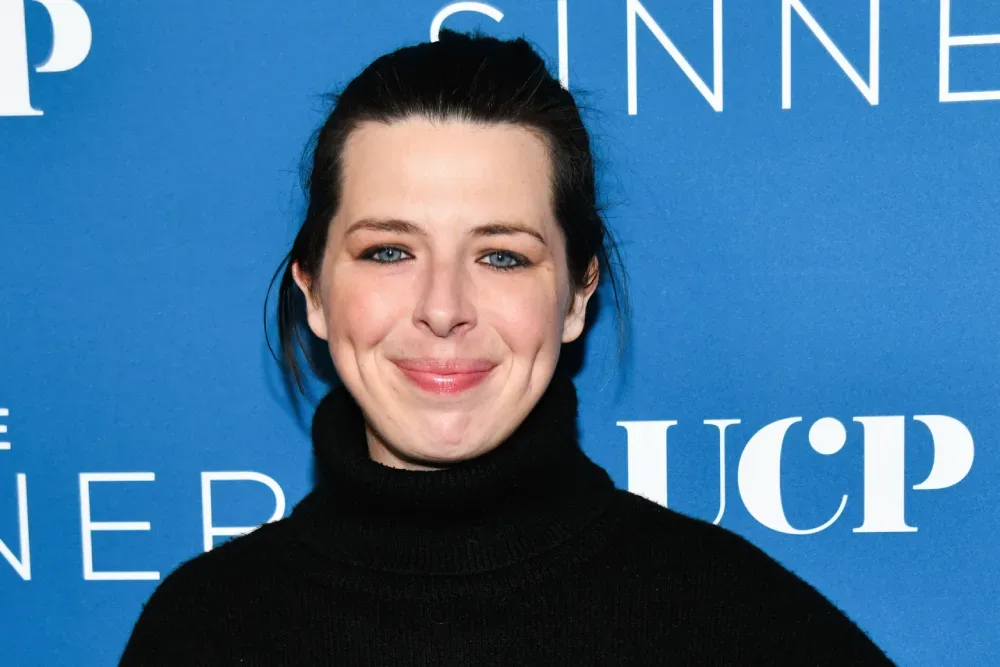
It is a question with relevance far beyond the NFL. Public-facing workers in entertainment and media also confront pressure around access to work, security, and speaking openly; a separate discussion of employment stakes in the screen industry can be seen in Heather Matarazzo’s comments about SAG-AFTRA health-insurance eligibility. The circumstances are different, but both cases illustrate how work can be tied to institutions, eligibility rules, and public visibility.
For Kaepernick, the immediate public record presented here is straightforward: he remains associated with a major protest against racial injustice, he has said he still trains and wants to be on a team, and his ambitions continue to generate disagreement. Cam’ron and Mase see a contradiction or an impractical expectation. Kaepernick’s position, as described through his memoir-tour discussions, is that the desire to keep playing remains alive despite what his activism cost.
That unresolved divide—not an announced signing, not a confirmed negotiation, and not a verified settlement figure—is the actual story. The football question remains open, while the argument over the meaning and price of his protest is still very much active.