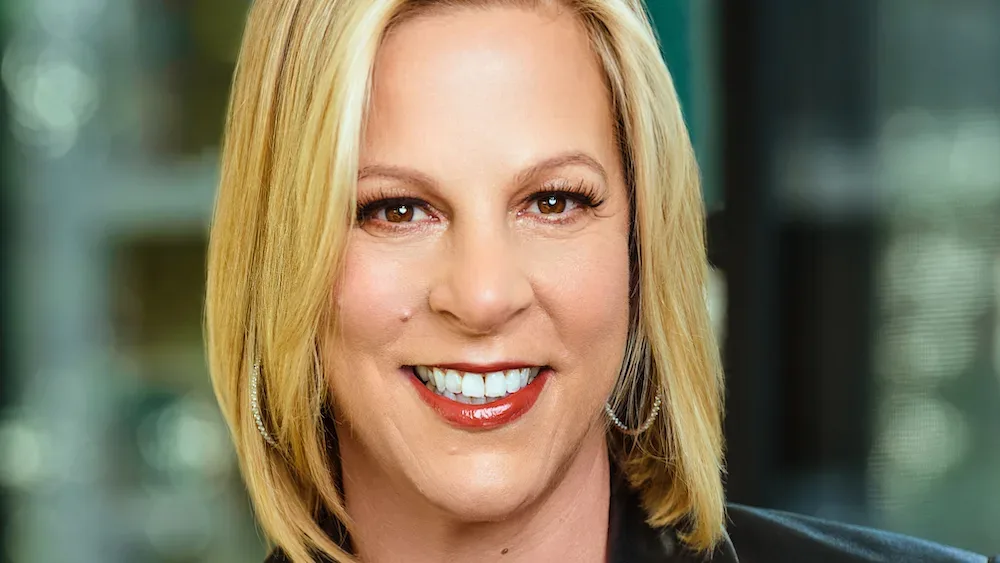
Heather Matarazzo has drawn attention to a difficult reality of freelance acting: recognizable credits do not necessarily translate into the steady, qualifying income needed to keep health insurance.
The actor, known to many viewers as Lilly Moscovitz in The Princess Diaries films, said she could lose eligibility for SAG-AFTRA health coverage if she does not find work soon. Matarazzo made the comment while responding to actor Jack Haven, who had publicly sought employment after saying they needed to reach a specific earnings target by the end of the month to qualify for coverage beginning in January.
“I am literally in the same boat right now,” Matarazzo wrote, adding that many other actors are confronting the same problem. Her message was both personal and broader: a reminder that employment in film and television can be intermittent even for performers whose work remains familiar to audiences.
What the earnings threshold means
SAG-AFTRA’s health plan uses a minimum-earnings requirement for eligibility. In simple terms, members must earn enough qualifying income during the relevant period to receive coverage. That is distinct from merely being a union member, having an agent, or having credits on major productions.
The reported threshold for this year was $28,933. The plan’s eligibility information also indicates that the threshold is expected to increase by roughly $900 annually through 2030. Rising thresholds matter especially in an industry where work is commonly project-based. An actor may complete a short film, a handful of television episodes, voice work, or an independent feature, but still have significant periods between jobs.
That irregularity is central to Matarazzo’s concern. A performer’s career cannot be measured only by whether they are working at all; for health-plan eligibility, the timing and qualifying value of that work can become decisive. A role can be creatively meaningful and visible to an audience without necessarily resolving an individual’s insurance situation.
Jack Haven’s public appeal underscores the deadline pressure
Haven described their circumstances as an emergency in a YouTube video, saying they needed to earn $4,000 by the end of the month to qualify for SAG health insurance starting in January. They said they were willing to take on nearly any job and encouraged people who could hire them for SAG-covered production work to get in touch.
Matarazzo said Haven later received an offer that would allow them to qualify for 2027. Her response, however, made clear that the underlying pressure has not disappeared for other performers. A successful offer for one actor is welcome news; it does not alter the wider challenge of earning enough in a volatile hiring environment.
The exchange also illustrates why actors may make employment requests publicly. When a deadline is tied to eligibility, the search is not simply about landing the next screen credit. It can be about meeting a particular income requirement before a particular cutoff. For workers whose schedules are shaped by auditions, casting decisions, production calendars and gaps between projects, that can make a financial threshold feel especially unforgiving.
A familiar face, and an unstable work pattern
Matarazzo’s screen career includes Welcome to the Dollhouse, The Devil’s Advocate, Scream 3 and multiple episodes of Netflix’s Wednesday. Her most recent listed project was the 2025 short film Paper Tiger.
Those credits demonstrate a long-running body of work across film and television. They also help explain why her statement has resonated: public familiarity with an actor does not reveal the mechanics of their pay, the gaps between bookings, or whether specific jobs contribute enough toward a union plan’s eligibility requirements.
That distinction is useful for audiences accustomed to seeing entertainment careers through premieres, casting announcements and streaming credits. The visible part of acting is the finished performance. The employment reality behind it can involve long stretches of uncertainty, with insurance eligibility tied to a numerical benchmark rather than name recognition.
The broader practical stakes
Health coverage is not a peripheral issue for workers navigating uncertain employment. The consequences of missing an earnings requirement can affect personal budgets, medical planning and the ability to take on future work with some stability. Matarazzo did not provide details about her private coverage arrangements or a specific deadline, so it would be wrong to speculate beyond what she said. Her public message was limited but direct: she is currently facing the same basic eligibility pressure Haven described.
The reported annual increase in the minimum requirement adds another layer. An earnings target that is hard to reach in one year can become harder in later years if comparable work does not increase at the same pace. The issue is therefore not just a single busy month or a single missed role; it is the relationship between fluctuating employment and a threshold designed to determine access to a benefit.
For people outside the industry, the story is a useful correction to the idea that any actor seen in an established franchise or prominent series is financially secure. Screen careers are often composed of separate jobs rather than one continuous employer relationship. That structure can make a health-plan threshold an urgent concern even for performers with substantial credits.
Entertainment-industry changes are often discussed in terms of major companies, high-profile releases and executive moves, such as the recent restructuring news involving Endemol Shine North America. Matarazzo’s comments point to a different but equally important part of the business: the individual workers whose income depends on whether the next production arrives in time and pays enough to count.
What remains unknown
SAG-AFTRA did not immediately respond to a request for comment. There is no additional information here about Matarazzo’s exact earnings, her eligibility period, whether she has received potential job offers, or what work she may pursue next. Nor is there a basis to assume that every union member faces identical thresholds or circumstances.
What is clear is narrower, and significant. Matarazzo says she may not qualify for SAG-AFTRA health insurance without more work. Haven’s public request showed how quickly an approaching earnings cutoff can become urgent. Together, their statements put a human face on an employment issue that can remain hidden behind familiar roles and finished productions.