Drake’s reported decision not to submit Iceman, Maid of Honour, or Habibti for the 2027 Grammy Awards has reopened a familiar question around the artist and the Recording Academy: is he rejecting the institution, or simply choosing a different arena in which recognition matters more?
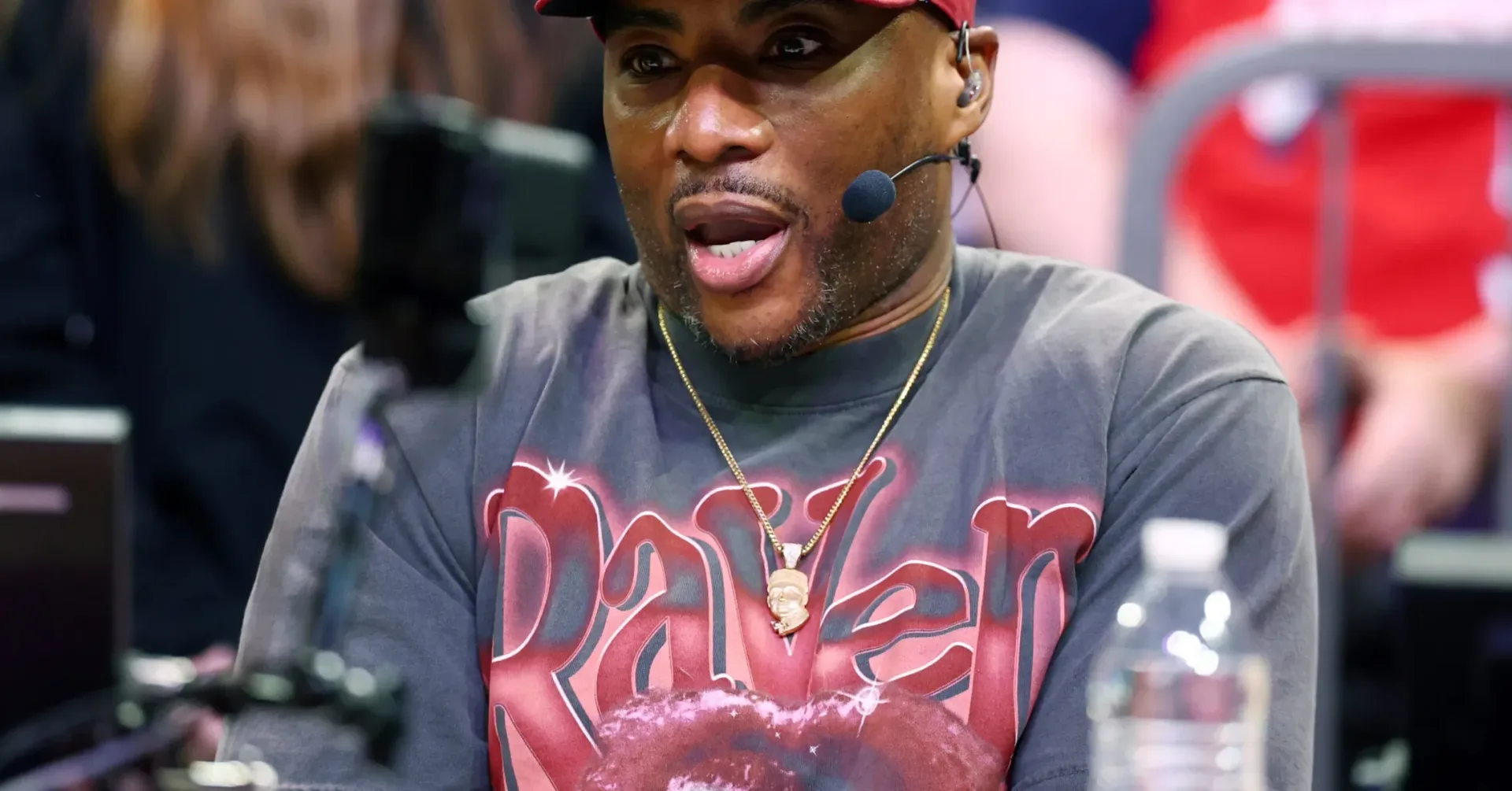
Charlamagne Tha God offered a pointed answer during a Wednesday discussion on The Breakfast Club. He said he did not object to Drake opting out of the Grammy process, but challenged the idea that doing so necessarily means Drake is unconcerned with outside approval. In Charlamagne’s view, the more revealing issue is the value of online response and the ability to influence the narrative around it.
“He actually cares more about internet validation than he does the Grammys,” Charlamagne said.
When Loren LoRosa and Jess Hilarious suggested that Drake’s greater concern was simply what listeners think, Charlamagne made a related but sharper distinction: “He cares about what he can control.” He argued that Drake has substantial influence over the internet conversation surrounding him.
That is an interpretation, not a stated explanation from Drake. Drake has not publicly addressed Charlamagne’s remarks, and no public response cited here confirms that control over online sentiment motivated the reported non-submissions. Still, the comments identify the tension at the center of the moment: declining an award campaign can be a rejection of a system, but it does not automatically settle whether an artist values public approval.
What the reported non-submissions mean
A Grammy submission is part of the awards process that places eligible work into consideration. It is not itself a nomination, and the absence of a submission means the relevant albums and songs are not in the running through that route. Reports indicate that none of the tracks from Iceman, Maid of Honour, and Habibti were submitted either.
The practical effect is straightforward. As first-round Grammy voting is set to begin October 12, Drake would have no entries in the field. Nominees for the 69th annual ceremony are scheduled to be announced November 16, with this three-album run outside the race by choice.
That makes the story more than a question of whether Drake wins, loses, or is snubbed. If the work is not entered, the usual nomination discourse cannot operate in the same way. There can be no case for a Drake nomination from these releases within this awards cycle, because the work was reportedly kept out before voting began.
For fans, critics, and industry observers, that distinction is important. A lack of nominations can result from many things, including voters’ choices. A deliberate decision not to participate is different: it removes the artist from the competition rather than testing their standing within it.
A long-running strain with the Recording Academy
The reported move fits a history of public friction between Drake and the Grammys. On “Make Them Know,” the closer to Iceman, Drake said he would never submit the album. The apparent follow-through gives the current awards-season absence a direct artistic and public context.
His criticism of the Academy has also surfaced on the Grammy stage. While accepting Best Rap Song for “God’s Plan” in 2019, Drake used his speech to tell artists that a Grammy was not required to define success. The broadcast cut away before he finished that thought.
Two years later, Drake withdrew Certified Lover Boy and “Way 2 Sexy” after they had already been nominated. That earlier choice matters because it demonstrates that his disputes with the awards framework have not been limited to one project or one eligibility cycle.
Taken together, the 2019 speech, the 2021 withdrawal, the lyric on “Make Them Know,” and the reported 2027 non-submissions form a consistent record of distance from the Grammys. They do not, however, establish a single all-purpose reason for every decision. An artist can object to an institution’s role in defining success while still caring deeply about fans, critics, reputation, commercial response, or internet conversation. Those forms of recognition overlap, but they are not interchangeable.
Internet validation is not the same as audience appreciation
The disagreement within the discussion is useful because “internet validation” can mean several things. At its broadest, it can describe praise, attention, support, criticism, memes, debate, or perceived momentum online. “What listeners think,” by contrast, points more directly to listeners’ reception of the music.
Charlamagne’s emphasis on control adds another layer. The claim was not merely that Drake notices online reaction. It was that the online environment offers more room to shape a conversation around oneself than an institutional awards vote does.
That is the core contrast in his argument. A Grammy process is governed by the Recording Academy and its voting structure; it is not a process an individual artist can direct. The public conversation surrounding an artist is also never fully controllable, but Charlamagne contended that Drake possesses major influence over it. In that framing, opting out of Grammy consideration does not equal opting out of validation. It means prioritizing a venue in which the artist is believed to have more influence.
There is also room for the simpler interpretation raised by LoRosa and Hilarious: that Drake may place greater weight on listener response. The available facts do not resolve which motivation is closest to Drake’s own thinking. What they do show is that he has repeatedly declined to let Grammy participation serve as the measure of his work’s success.
Why an awards opt-out still becomes a public event
Awards abstention can look private on paper: an artist chooses not to enter, and the competition moves on. But for a musician with Drake’s profile, the decision inevitably becomes part of the cultural conversation. It creates questions about legitimacy, prestige, fan support, and the meaning of success in public-facing music careers.
That is why Charlamagne’s comments have traction even without a reply from Drake. They are not only about three releases missing from a ballot. They address a larger modern argument over who gets to define accomplishment. Is it an awards body? Is it the audience? Is it the artist? Or is it the constantly shifting public consensus visible online?
Drake’s past Grammy comments already suggest he does not accept the Academy as the final authority. His reported decision for the 2027 ceremony turns that position into a concrete outcome: no submitted projects, no submitted songs, and no Drake entries as voting starts.
Whether that absence represents principled distance from the Grammys, a preference for fan response, an effort to control perception, or some combination of those ideas remains unsettled. Charlamagne has supplied one reading. Drake, at least publicly, has not endorsed or disputed it.
The result is a Grammy season in which Drake’s presence may still loom over the conversation, even while his recent releases are not part of the contest. That separation—between being culturally central and formally absent—is precisely what makes the decision notable. For more music-and-celebrity discussion, see our coverage of questions surrounding Kanye West’s canceled St. Petersburg shows.