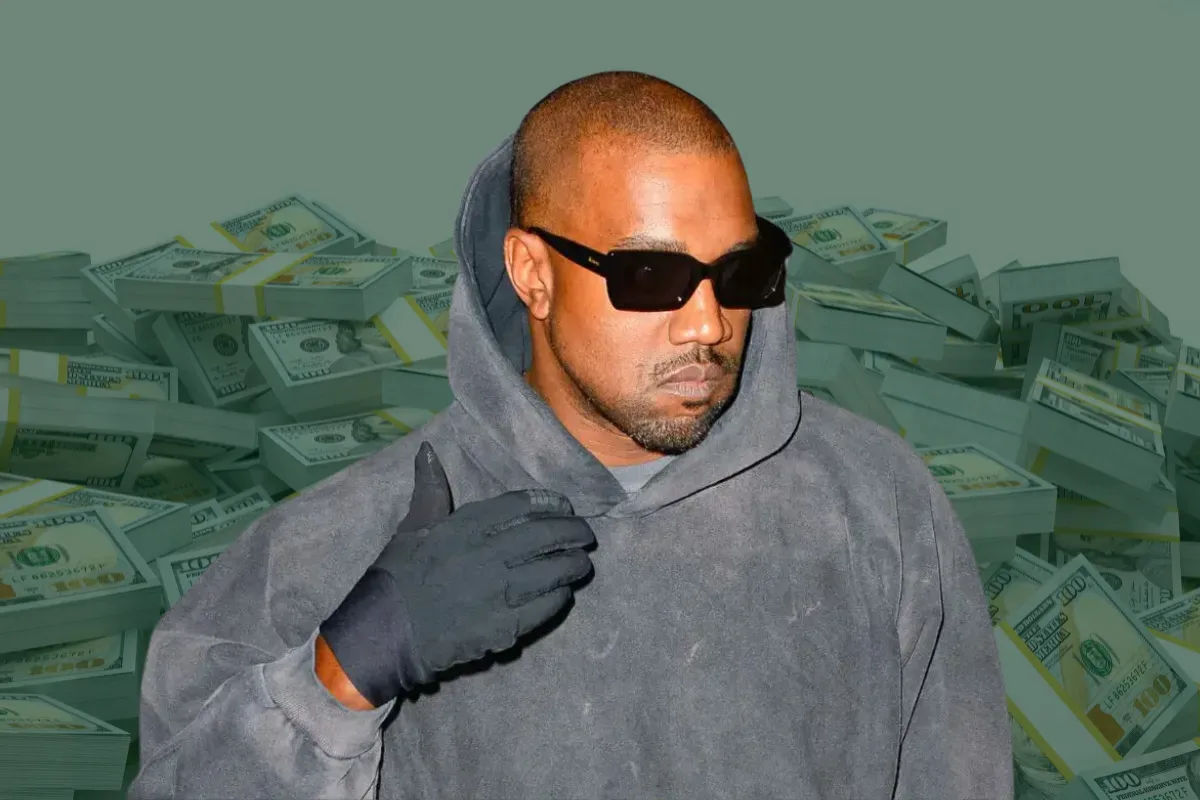
Kanye West’s planned October 10 and 11 concerts at Gazprom Arena in St. Petersburg have turned into a dispute over bookings, refunds and a reported payment of roughly $20 million. The two shows never took place, yet reporting indicates that West’s side may be entitled to retain the payment under the terms of its agreement.
The central complication is that several financial questions are being discussed at once. A reported $20 million figure is not necessarily the same thing as West’s personal artist fee. One account of the arrangement says the amount also covered services for his staff. Meanwhile, fans who bought tickets are pursuing refunds from the companies that sold and promoted the events. Those are related issues, but they do not automatically have the same answer or the same responsible party.
The episode matters beyond celebrity-contract headlines because it illustrates the gap between an artist-promoter agreement and a ticket buyer’s purchase. A promoter may make a guaranteed payment to secure a performance, while ticket holders generally deal with the promoter and ticketing operator that accepted their money. When an event collapses, those separate agreements can leave audiences waiting for reimbursement even as a dispute over the artist payment plays out elsewhere.
What happened with the two St. Petersburg dates
Say Agency announced the two St. Petersburg dates on August 17. Tickets were offered at prices from 9,000 to 160,000 rubles, and the promoter said it sold more than 100,000 tickets in two days. The scale of that claim helps explain why the cancellation has become a major consumer issue rather than merely a failed concert booking.
One week later, on August 24, Gazprom Arena said it had not signed venue-rental contracts and could not host the scheduled performances. That statement was significant: an arena is not simply a backdrop for a stadium concert. The venue agreement is a core practical element of producing a show, affecting access, scheduling, staffing and the use of the building itself.
Despite the venue’s position, Say Agency initially maintained that preparations were continuing and said the concerts had not been canceled. The status did not become definitive until later. Access Opera confirmed the cancellations on September 29, and Say Agency acknowledged the following day that the events could not go forward on the advertised dates.
The underlying public controversy was also substantial. Russian political opposition to the booking cited West’s past praise of Hitler, antisemitic remarks and use of Nazi imagery. Those objections formed part of the broader context around an already uncertain pair of stadium events, though the available account does not establish that political criticism alone caused the cancellation.
The reported $20 million: what is known and what remains unverified
Reports put the payment connected to the two shows at about $20 million. People described as familiar with the arrangement said the figure included staff-related costs, and another account said West’s contract did not require repayment. Neither point, on its own, settles the ultimate outcome: the reported terms have not been presented publicly in full, and no complete contract is available in the information at hand.
That distinction is important. A guarantee in a live-performance deal is an amount promised to an artist or artist team, often in exchange for reserving dates and committing the performer’s organization to the engagement. It is different from ticket-sale revenue, which comes from customers. A guarantee can also include costs associated with the touring or production operation rather than functioning as a single personal payday.
An upfront payment is money delivered before a show occurs. Prior reporting on West’s arrangements described his team as securing half of a fee in advance, with that portion protected even when a concert does not happen. That reporting cited $7.5 million related to a canceled Wireless Festival booking, plus $4 million apiece from canceled dates in France and Italy.
Still, a protected advance is not a universal rule that applies identically to every cancellation. The result depends on the particular agreement: its cancellation clauses, the reason the show failed, the allocation of risk among the parties and any applicable legal process. The available reporting supports the possibility that West’s team can keep the St. Petersburg money; it does not provide enough contractual detail to establish every financial obligation connected to the canceled shows.
Why fans’ refunds are a separate issue
Ticket buyers did not contract directly with the artist’s team when they purchased entry to the concerts. Their claims are directed at Say Agency and ticket operator Intickets. Say Agency has said refunds will begin October 12, one day after the second canceled performance had been scheduled to occur.
By October 8, there were reports of a preliminary fraud inquiry involving the promoter and nine registered lawsuits related to the failed events. Say Agency chief Anna Subcheva denied that the agency had broken any laws. A preliminary inquiry is not a finding of wrongdoing, and registered lawsuits are claims that still need to be resolved through the relevant process.
For affected buyers, the practical issue is less about the reported artist guarantee than about documentation and the refund channel. Customers should retain order confirmations, ticket records, correspondence and any refund notices they receive from the seller or promoter. Those records can help show the purchase details and support a claim if the stated refund process does not proceed as promised.
- Keep the purchase trail: Save digital tickets, receipts, confirmation emails and transaction references.
- Watch official refund communications: Verify the company named in any refund message and the method it says it will use.
- Separate reports from confirmed outcomes: The reported $20 million payment and the ticket-refund process involve different parties and different agreements.
- Track legal developments carefully: An inquiry or lawsuit signals a dispute, not a final determination of liability.
A booking story years in the making
Speculation around West performances in Russia predates the St. Petersburg announcement. In January 2022, adviser Ameer Sudan discussed potential Moscow shows and a possible meeting with Vladimir Putin. Publicist Pierre Rougier disputed that account, calling it fabricated.
West visited Moscow in June 2024 for designer Gosha Rubchinskiy’s birthday, which renewed talk of a possible concert at Luzhniki Stadium. The stadium said it had no information about a planned performance, leaving that earlier rumor without a confirmed event behind it.
The St. Petersburg dates appeared to offer a clearer answer when they were formally announced in August. Instead, the lack of a signed rental agreement, the later cancellations and the mounting refund dispute have made the proposal another unresolved chapter rather than a completed return to the Russian concert market.
What to watch next
The most immediate date is October 12, when Say Agency says refunds will begin. The key questions are whether that process begins on time, how broadly it reaches purchasers and whether disputes involving the promoter, the ticket operator or the reported performance payment produce further legal action.
There is also a reputational lesson for major-event promoters. Announcing high-demand stadium dates before the venue arrangement is securely in place creates an obvious risk: tickets can enter the market and public expectations can build long before the event’s most basic logistical requirement is confirmed. The reported sale of more than 100,000 tickets in two days makes that risk especially consequential here.
For readers following entertainment-business disputes beyond this case, Joking Joystick’s coverage of T.I.’s courtside appearance during the Dream-Liberty playoff game offers another look at how high-profile music figures continue to intersect with major public events.
For now, the clearest facts are limited: the two concerts were canceled, the promoter says refunds are due to start October 12, customers have filed claims, and a reported $20 million payment may remain with West’s side under the alleged contract terms. Whether those terms withstand scrutiny, and whether buyers receive their money without further delay, remains unsettled.