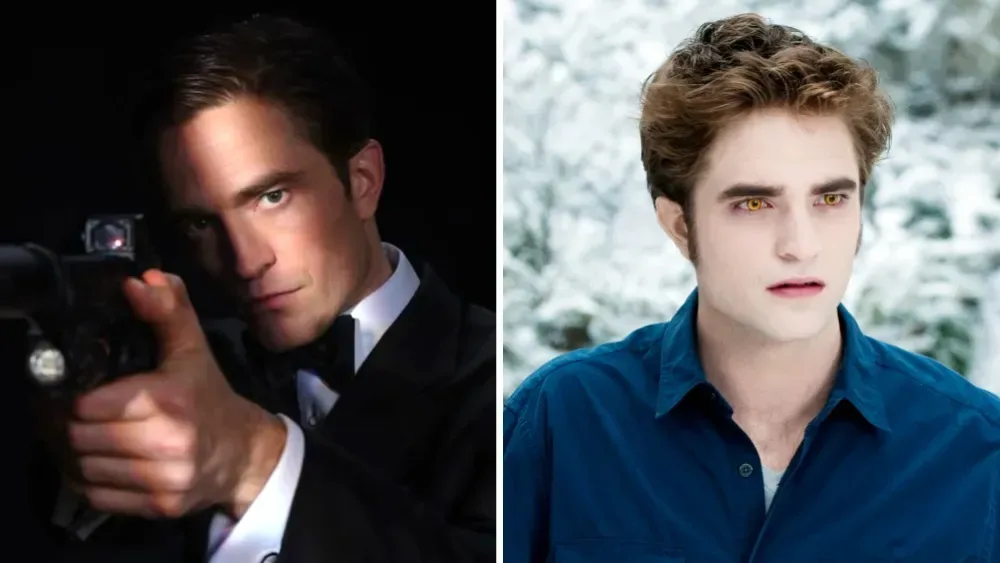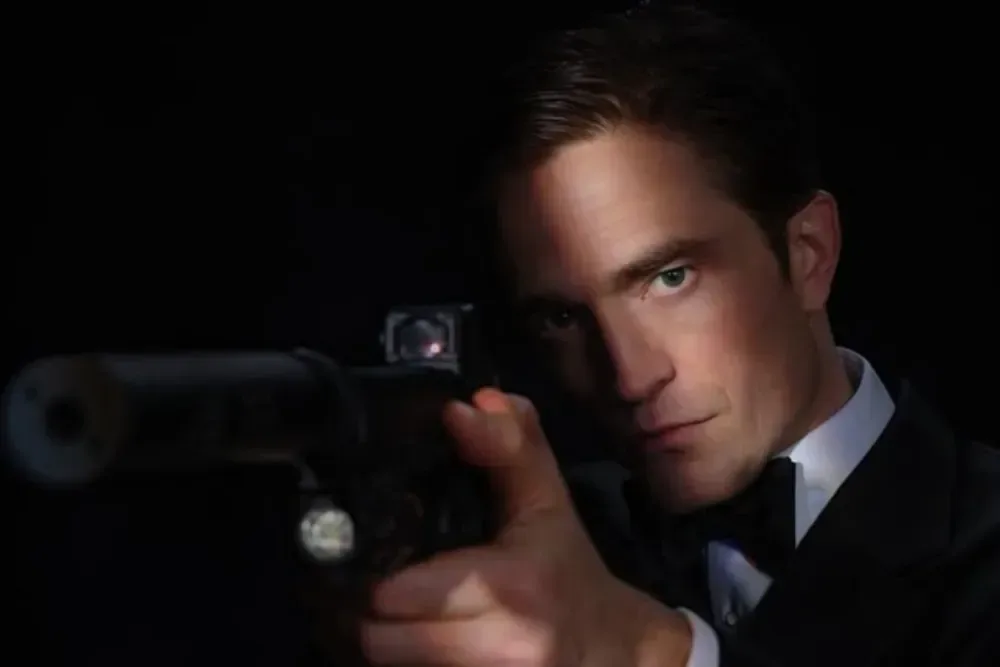
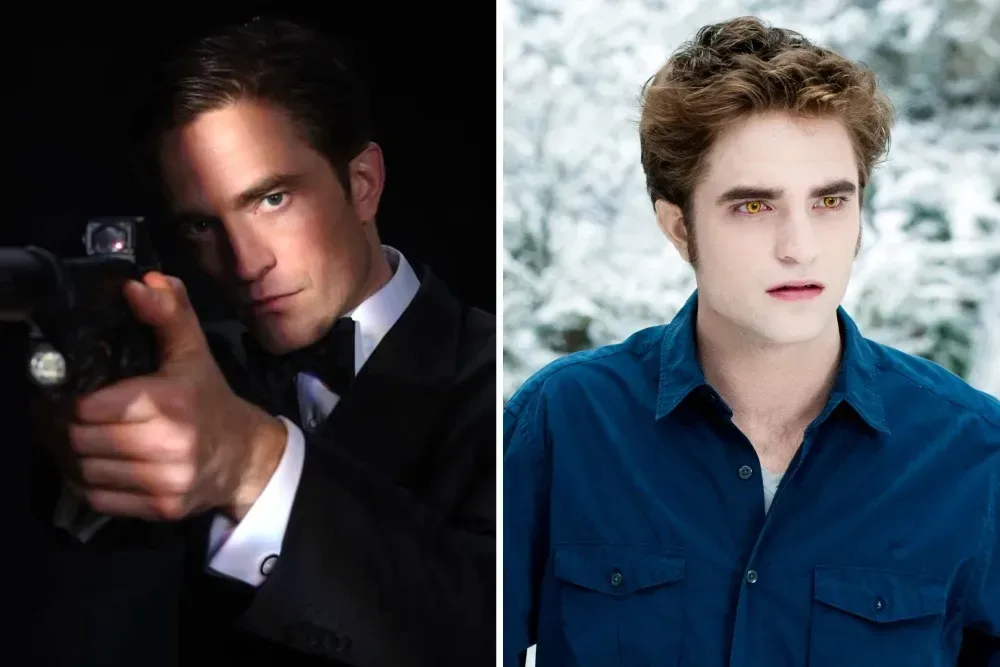
Catherine Hardwicke has responded to Robert Pattinson’s reported casting as James Bond with the kind of reaction that makes the long route from teen vampire to tuxedoed spy feel especially surreal. The director, who cast Pattinson as Edward Cullen opposite Kristen Stewart’s Bella Swan in Twilight, said she was so startled by the news that she nearly fell out of bed.
There is a particularly personal detail behind that response. Hardwicke explained that the bed was the same one used when Pattinson and Stewart first auditioned together at her home. She recalled Pattinson falling off it during that early tryout, turning the new reaction into an accidental echo of a formative moment in his screen career.
Hardwicke’s comments do more than provide a fun casting anecdote. They also frame what she sees as Pattinson’s defining appeal: he is intense, idiosyncratic and resistant to an obvious mold. Those traits matter because James Bond is one of cinema’s most recognisable roles. The next actor is always measured not only by whether he can wear the suit, handle the action and carry a major franchise, but by whether he can make a globally familiar character feel newly his own.
Why the casting surprised Hardwicke
Hardwicke said she did not expect Pattinson to be chosen in part because he is already strongly associated with The Batman and is such a prominent name. Her impression was that the Bond producers often favour a less established actor for the part.
That observation is useful context for understanding her surprise, but it should not be treated as a statement of any fixed Bond rule. It is Hardwicke’s reading of the franchise’s casting tendencies, not a confirmed selection criterion. What is clear from her remarks is that Pattinson’s profile made the outcome feel less predictable to someone who knew him before he became internationally famous.
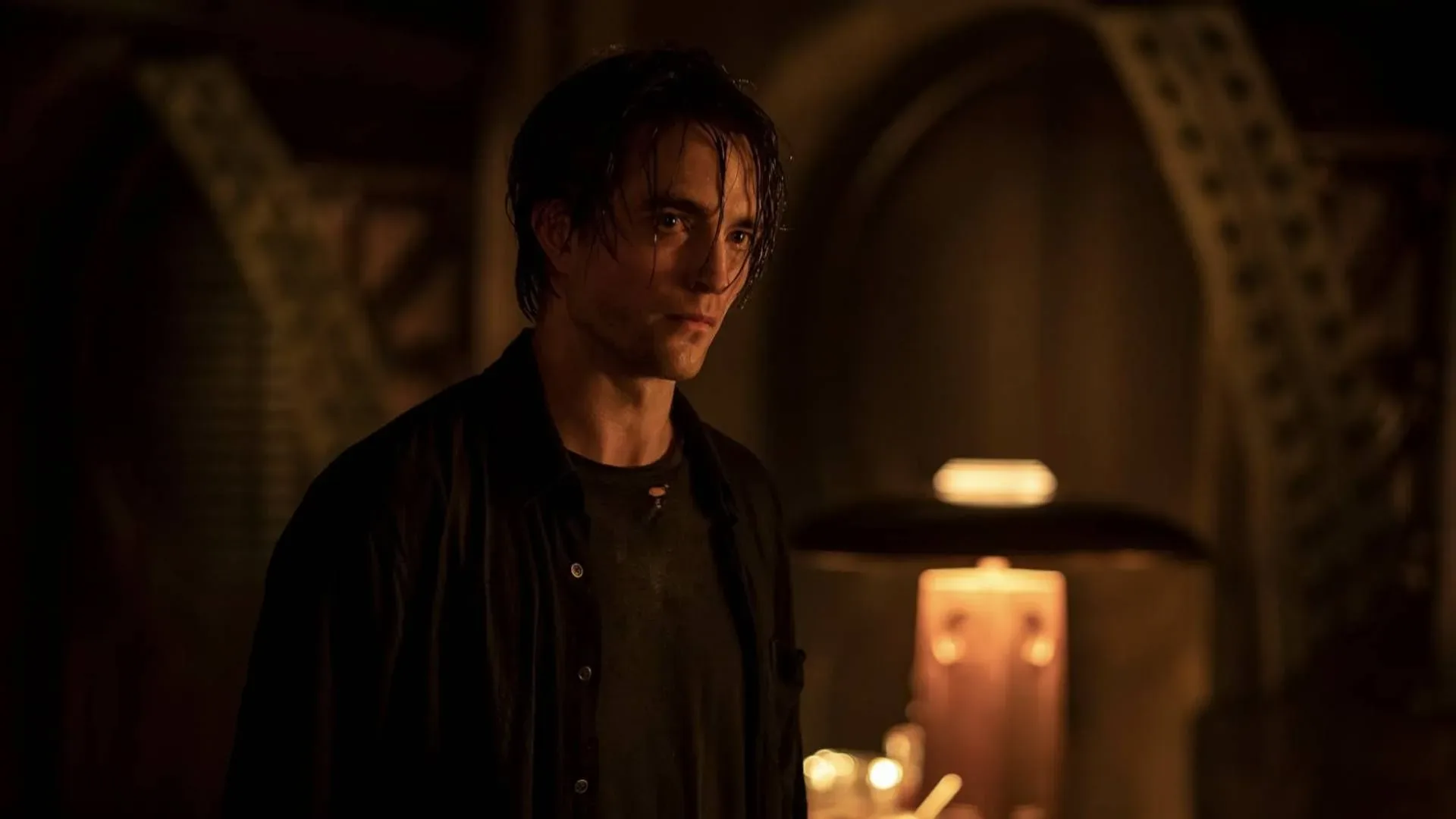
Pattinson’s potential Bond turn would also create a notable overlap in public perception. He has already played Bruce Wayne and Batman, a character whose public persona, wealth and nocturnal crime-fighting mythology naturally invite broad comparisons with a secret agent. Yet the roles ask for different things. Batman is a masked vigilante whose identity is central to the drama; Bond is a state operative defined by espionage, cover stories, travel, seduction, survival and mission-based storytelling. A performer being famous for one does not automatically tell audiences what the other will look like.
Hardwicke’s reaction instead points to the qualities she believes could distinguish Pattinson in the role. She described him as “intense and interesting,” adding that he is original and does not neatly fit expectations. In practical casting terms, that suggests an actor capable of bringing unpredictability to material that arrives with enormous built-in expectations.
The Twilight audition that still follows the story
The Bond news has sent attention back to the audition process that led to Pattinson becoming Edward Cullen in 2008’s Twilight. Hardwicke had Pattinson and Stewart read together at her home because the relationship between Edward and Bella required immediate credibility. Screen chemistry is not simply a vague marketing phrase in this context: it is the audience’s sense that two performers create a compelling emotional connection when sharing a scene.
Hardwicke’s recollections of that session are candid. Pattinson arrived with black-dyed hair for a stage production, unconventional bangs and a messy look. The point is not that he entered as a pre-packaged leading man; it is that the audition revealed something in the interaction with Stewart that outweighed a rough first impression.
Stewart later described his approach as simultaneously intellectual and irreverent, saying both actors felt the parts needed that energy. Her recollection supports the same larger picture Hardwicke offers: Pattinson’s early strength was not conventional polish so much as commitment and a willingness to push at the edges of a scene.
That distinction is worth making because “chemistry” can often be reduced to a headline-friendly shorthand. Here, the supplied accounts describe a specific casting need. Hardwicke wanted to know whether the performers could make the central pairing work. Stewart’s view that “it has to be Rob,” along with Hardwicke’s assessment of their connection, indicates that the test succeeded decisively enough to shape the film’s foundational casting.
The personal nature of the audition also explains why the reported Bond decision landed so forcefully for Hardwicke. She is not reacting only to a former collaborator receiving a famous job. She is connecting it to an unusually intimate and consequential audition that preceded a franchise-defining role for both actors.
The “Bond, James Bond” Twilight callback
Fans have also revived a small moment from Hardwicke’s first Twilight film that now reads like a pop-culture coincidence. In the movie, Justin Chon’s Eric Yorkie promotes Forks High School’s Monte Carlo-themed prom with the phrase “Bond, James Bond.” The camera then cuts to Pattinson’s Edward Cullen.
Hardwicke said the shot was informed by Pattinson’s look when he got out of a car wearing sunglasses. To her, he appeared especially suave, which helped inspire the Bond reference. In retrospect, it has become an easy-to-share piece of apparent foreshadowing: a cinematic cue aimed at selling a stylish prom theme that audiences can now read as a wink toward a possible future role.
It is important not to overstate the moment. The scene did not predict a casting decision, and Hardwicke herself presents it as an amusing coincidence rather than evidence of some hidden plan. Still, these incidental links often endure because they compress a long career arc into a single memorable image. A teenager’s prom announcement, a close-up of Pattinson and the most famous introduction in spy fiction now sit together in a way that feels uncannily tidy.
For fans, that kind of rediscovery is part of the fun of major franchise casting. It gives older work a new lens without changing what it originally was. The 2008 scene remains a Twilight gag tied to Monte Carlo, gambling, tuxedos and movie-star glamour. Its new resonance exists because Pattinson’s career has moved far beyond the frame in which it was shot.
What Hardwicke’s perspective adds
Hardwicke’s comments are not a blueprint for how Pattinson will play Bond, nor do they reveal details about a film, its story or its production. No such information is established here. What they offer is a firsthand account of the actor at an early turning point and a director’s explanation of what she found compelling before the world knew him as Edward Cullen, Batman or, now, Bond.
Her emphasis on being unusual is the most revealing part. Established roles tend to create a tension between familiarity and reinvention. Viewers want the traits that make a character recognisable, but they also want a lead actor with enough individuality to avoid impersonating prior interpretations. Hardwicke’s praise implies that Pattinson’s lack of neat fit may be an asset rather than an obstacle.
That is also why the conversation has quickly become bigger than an old Twilight clip. The clip is entertaining, but Hardwicke’s story traces a genuine throughline: an actor arrived at an audition looking unconventional, generated decisive chemistry with his co-star, became inseparable from a major franchise and continued building a screen identity that a former director characterises as fearless and singular.
Whether audiences ultimately embrace Pattinson’s Bond will depend on work not described in these accounts: the eventual film, the writing, the direction and the performance itself. But Hardwicke’s response explains why this particular casting announcement feels full-circle. From a home audition and a sunglasses shot in Twilight to the prospect of cinema’s best-known secret agent, the thread is not that anyone foresaw every stop. It is that the qualities Hardwicke saw early on remain the ones she believes make him a striking choice now.
For more entertainment-world developments beyond this franchise conversation, see our coverage of Dave Chappelle’s Washington concert appearance with Stevie Wonder.