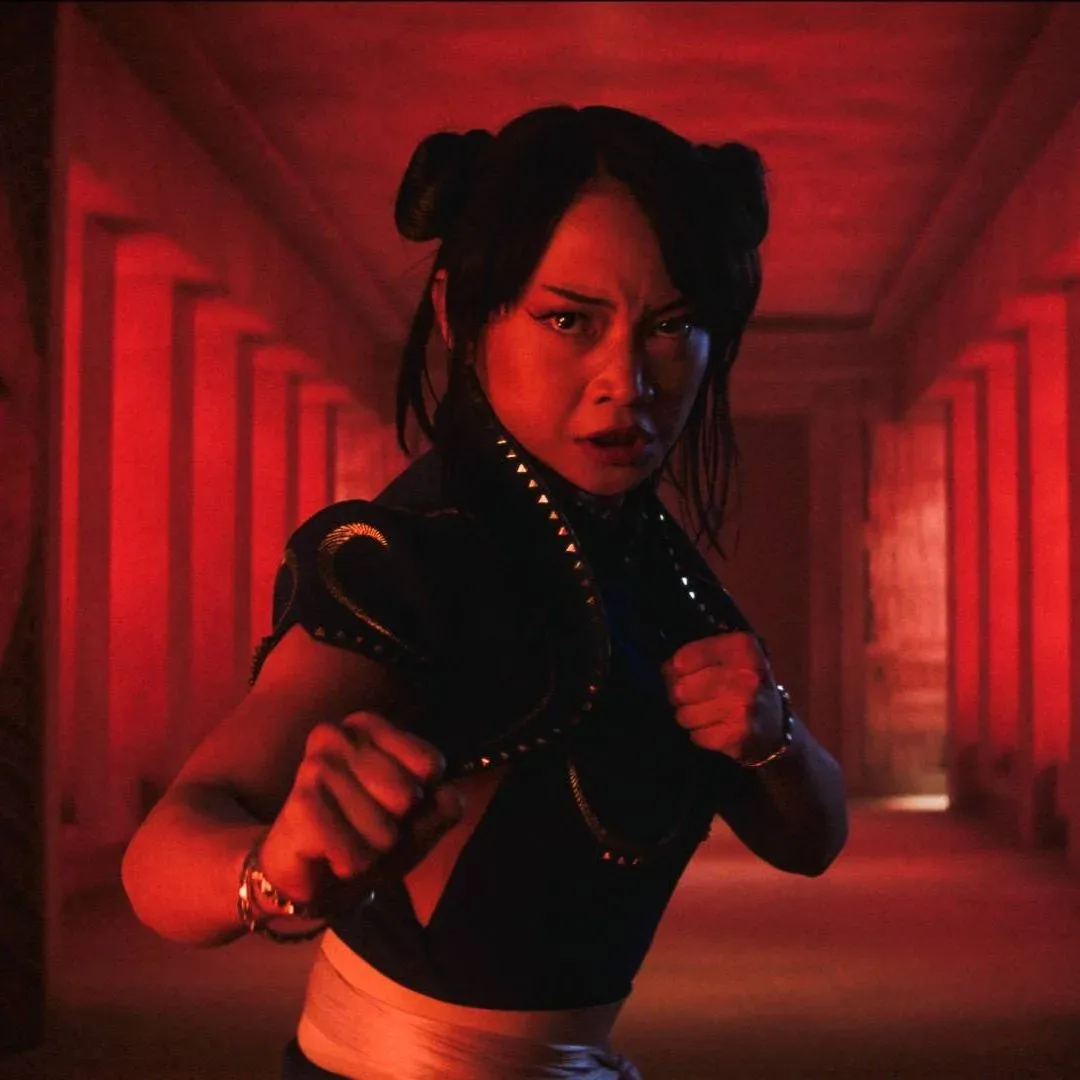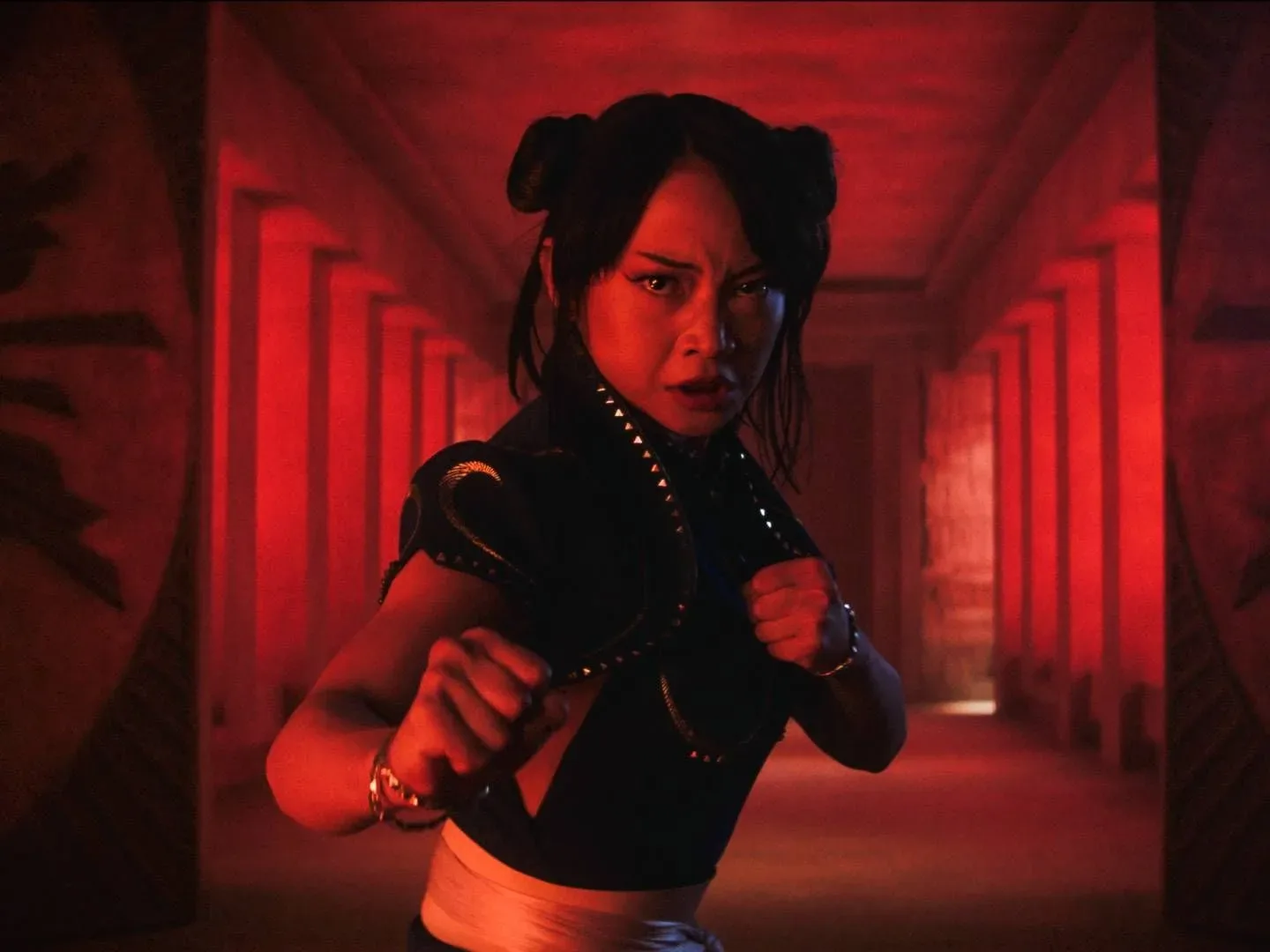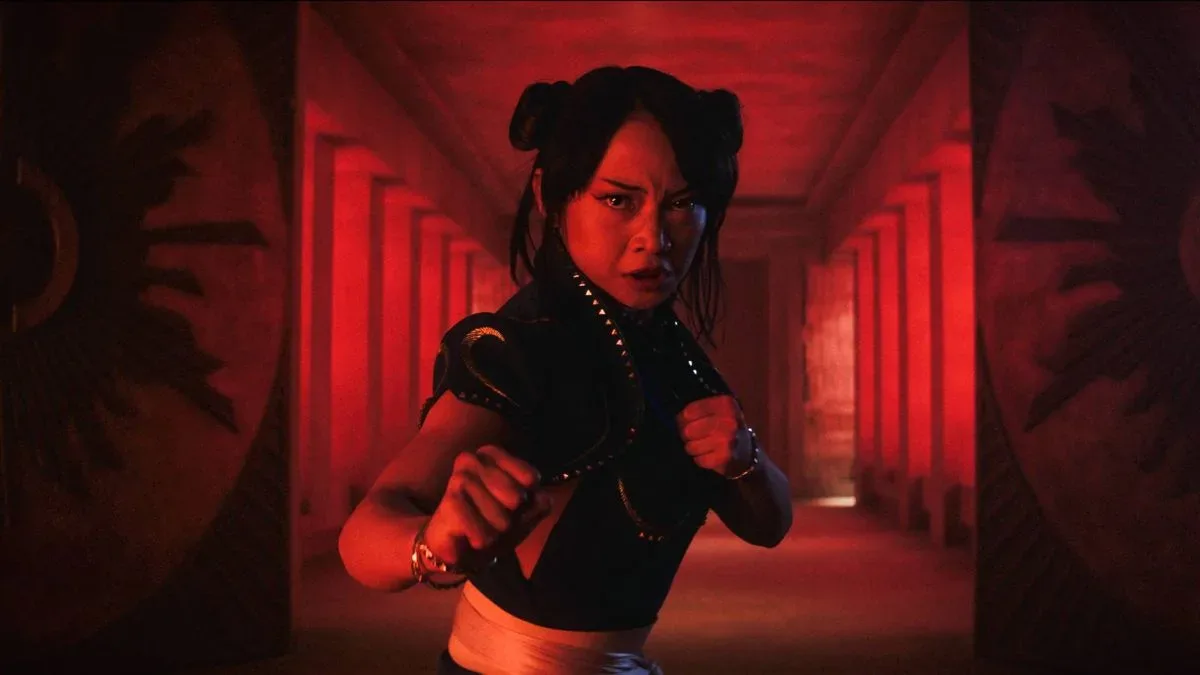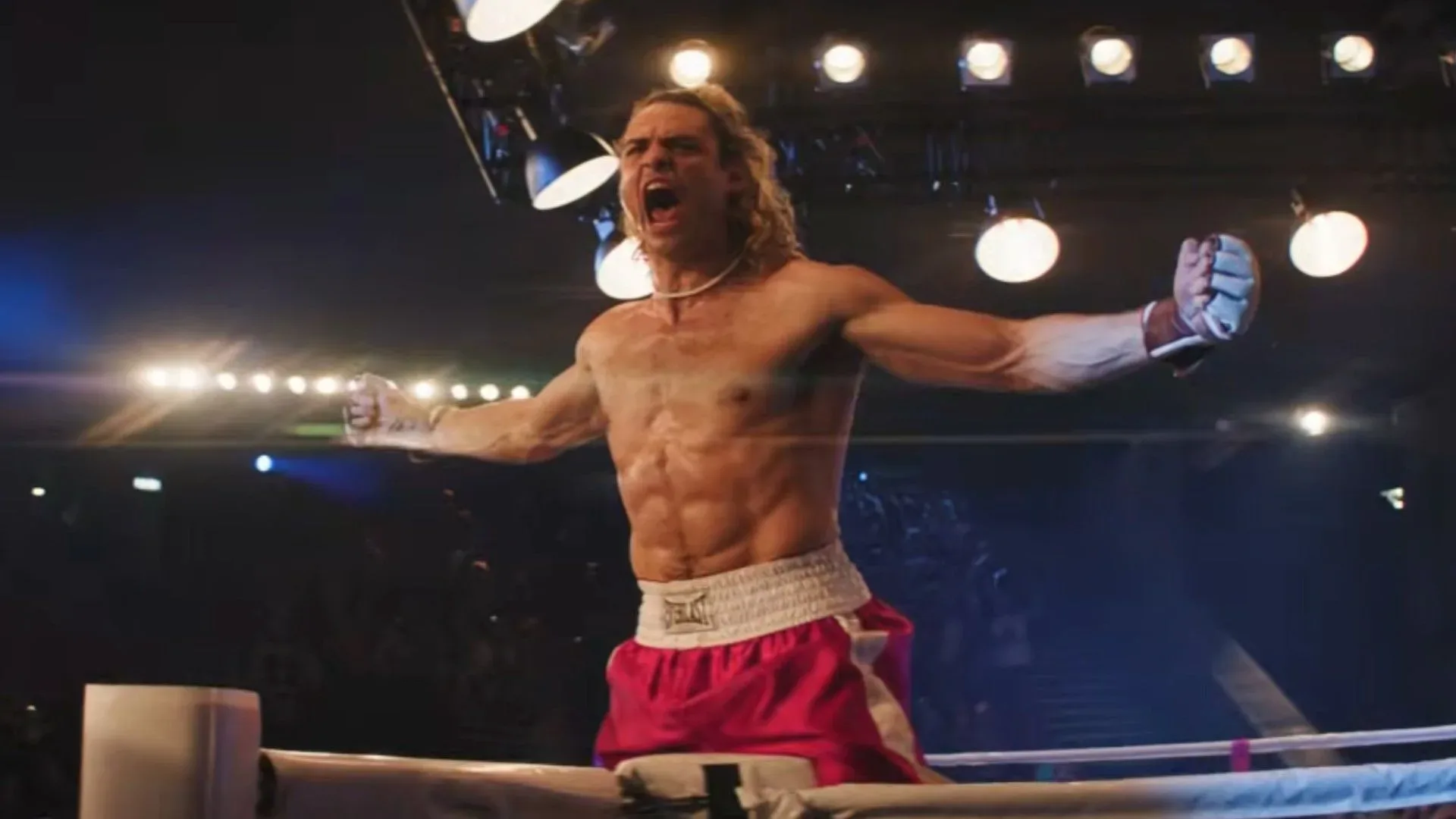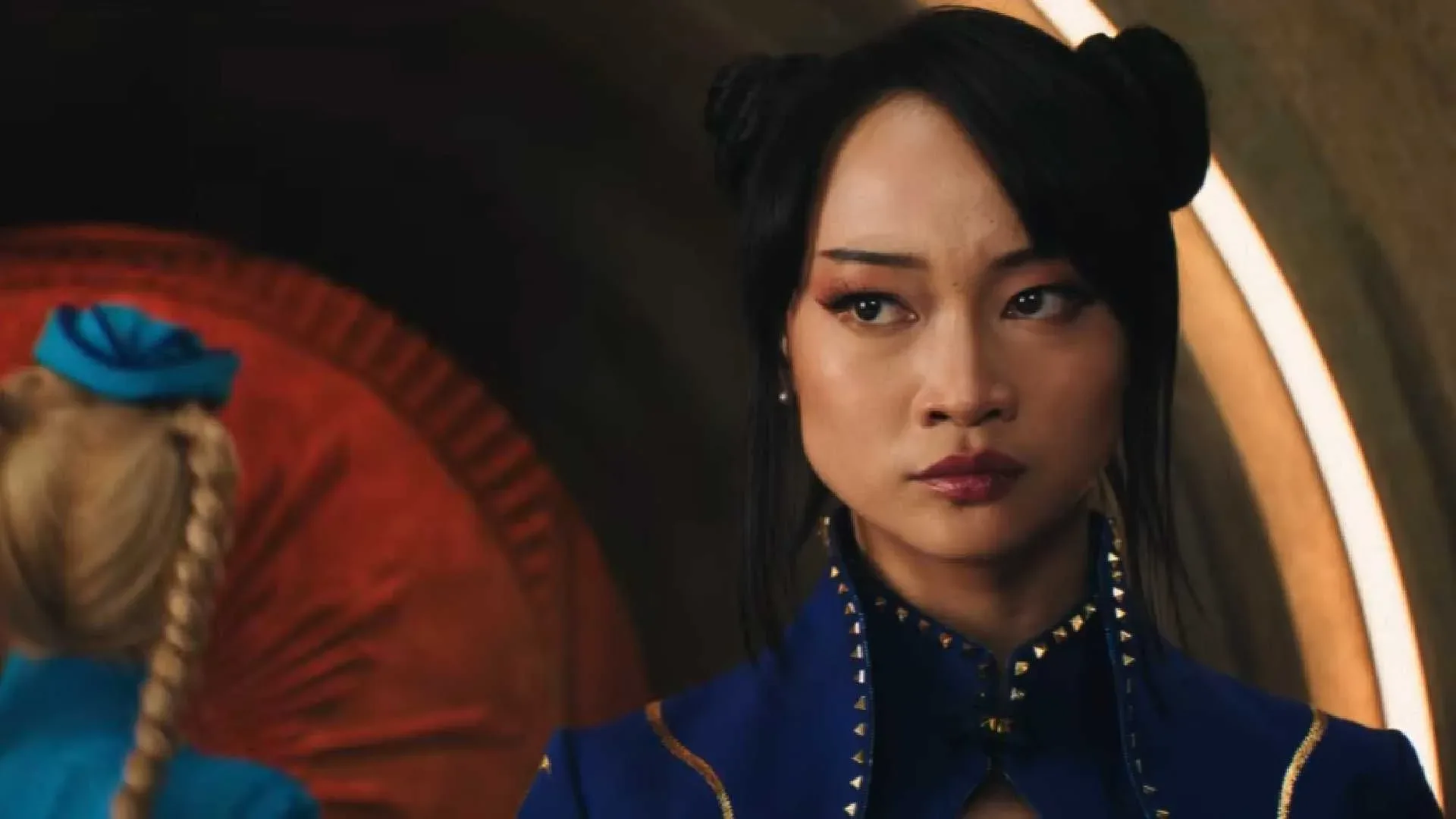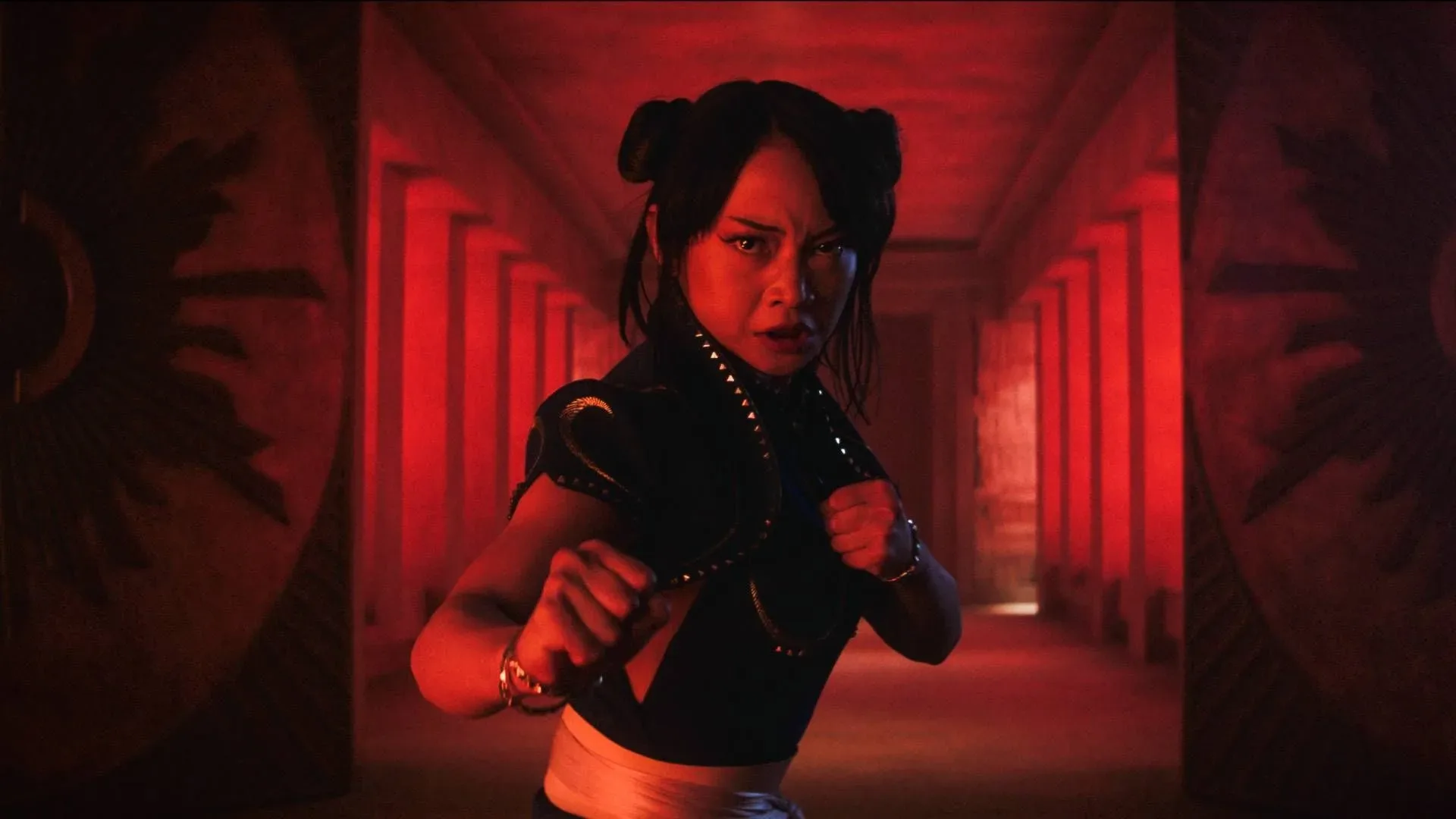
Callina Liang has made her interest in the planned Dead by Daylight film extremely clear: she wants to be in it, and she believes her recent time with the game could make her a useful addition to the production.
The Street Fighter actor said she is a regular PC player and has been focused heavily on Behaviour Interactive’s asymmetrical horror game. Liang said she put roughly 100 hours into Dead by Daylight across the last two months. When she learned that Blumhouse and Atomic Monster were developing a film adaptation, she said her reaction was to scream and slide off the couch.
“Guys, just call me. I can tell you everything you need to know about this game. You don't have to play it to find out.”
That is not a casting announcement, and no role for Liang has been confirmed. It is, however, a very direct public audition from someone who says she knows the game as a player rather than solely as an actor approaching a possible adaptation. Liang also recalled being contacted by somebody on the creative team, who showed her the team playing the game in the office as research.
For a property built around repetition, tension, distinct character abilities and the uneasy relationship between hunter and hunted, that kind of player perspective may be more relevant than it initially sounds. Dead by Daylight is not a conventional story game with one lead character, one fixed route and a single ending to reproduce. Its core identity comes from a ruleset and the moment-to-moment drama it creates. Turning that into a movie requires choices about viewpoint, stakes and atmosphere that the game can leave in the hands of players.
What makes Dead by Daylight a different kind of adaptation
Dead by Daylight, released in 2016, is a four-versus-one horror game. Four Survivors work against one Killer. That structure is often described as asymmetrical multiplayer: the two sides do not have the same objectives, powers or play style. The Killer is the active threat, while the Survivors must endure and cooperate under pressure.
The term matters because it explains why the game’s appeal is more complicated than simply placing familiar horror imagery in a dark setting. A match is a contest of unequal roles. The Survivor side has strength in numbers and coordination; the Killer is a singular force built to pursue, pressure and disrupt. The tension changes depending on who is in control, who is being chased, and whether cooperation holds together when a bad situation gets worse.
In film terms, that presents a productive challenge. A screenplay cannot recreate a multiplayer match exactly, nor should it try to make an audience watch a literal session of people completing game objectives. Instead, an adaptation needs to identify the human horror inside the format: a group facing a relentless pursuer, divided information, shifting trust and the knowledge that escape depends on more than one person making the right decision.
Related coverage includes Street Fighter Star Callina Liang Wants a Role in the Dead by Daylight Movie.
Liang’s comments suggest she understands the game as something played and felt, rather than merely recognized. Her line about being able to explain it to the filmmakers is playful, but it points toward an important distinction. Researching a game can establish its visual language and mechanics. Spending substantial time in its matches can also reveal why its pressure works—how rapidly a plan can break apart, why the Killer’s presence changes the mood of a space, and why a group dynamic is central to the experience.
A large horror universe, not a single plotline
The film has a substantial game universe to draw from, but the supplied details do not establish which characters, locations or specific game material the movie will use. That remains an important uncertainty. The game has expanded far beyond its original release through four video-game spin-offs, including a horror dating sim, as well as a pinball machine, board game and comic-book series.
That range shows that Dead by Daylight has already proven flexible enough to take different forms. A board game shifts its competitive tension to a physical table. Pinball translates themes and imagery into arcade spectacle. Comics can establish scenes and momentum panel by panel. A horror dating sim takes the premise in a notably unexpected direction. None of those formats automatically provides a template for a feature film, but together they demonstrate that the property is not restricted to one medium or one tone.
For the movie, flexibility can be both an opportunity and a risk. The opportunity is that the filmmakers are not bound to a single campaign that fans expect to see recreated beat for beat. The risk is that a broad franchise identity can become too abstract if the film does not settle on a compelling set of characters and a clear emotional throughline. Horror works most effectively when the audience understands what a character might lose, even when the larger mythology remains strange.
Liang’s potential involvement would not solve those adaptation questions by itself, of course. Acting enthusiasm and franchise knowledge are not a substitute for casting, script development or direction. But a performer familiar with the source can potentially bring useful instincts to a role, particularly in a story that must communicate a game’s unusual balance of terror, strategy and ensemble survival without stopping to explain every rule.
The project’s confirmed creative names
A Dead by Daylight movie was announced in 2023. Meaningful movement on the project became public in 2026, when it was revealed in June that Icelandic filmmaker Thordur Palsson would direct. The script is credited to Alexandre Aja, whose writing work includes Crawl, and David Leslie Johnston-McGoldrick, a co-writer on The Conjuring 2.
Those details establish a director and credited writers, but they do not establish a cast, story premise, production timetable or release date. Fans should therefore treat Liang’s remarks as interest in joining the project, not evidence that negotiations are complete or that a character has been selected for her.
It is also worth separating a movie adaptation’s development process from the game itself. A creative team playing for research is a promising sign of engagement, but it does not reveal the final approach. Research can inform tone, character behavior, set design, pacing and the depiction of a match-like situation; it does not necessarily mean the finished film will reproduce every recognizable element of the game. Adaptations routinely have to decide which mechanics should become story and which should remain background texture.
Why a committed player’s perspective could matter
Liang’s comments land because they are specific. Saying she is a gamer is one thing. Saying she has a home PC setup, naming the game currently occupying her time and quantifying 100 hours over two months makes the enthusiasm easier to understand. She is not presenting herself as someone who has only encountered the title through the prospect of a film role.
That kind of familiarity can be especially valuable for a game whose dramatic vocabulary is tied to player behavior. In asymmetrical horror, fear is not only about seeing a monster. It is also about anticipation: the possibility of being found, the decision to help someone else at personal risk, the pressure of a chase and the uncertainty of whether a team can complete what it needs to do before the opposing side closes in.
A film can dramatize those ideas without mechanically copying the game. A character who understands the genre’s stakes can play fear as calculation rather than helplessness. An ensemble can make cooperation feel fragile rather than automatic. And a pursuer can feel threatening because their arrival alters every decision, not merely because they appear in a jump scare.
That is the real value in Liang’s pitch. It is less about claiming that a player can replace the work of a production, and more about asserting that she has lived with the game’s particular rhythm. If the film eventually calls her, that perspective could be an asset. If it does not, her response still captures what fans will likely want from the adaptation: a movie that understands the difference between borrowing a recognizable horror brand and translating the dread, imbalance and unstable teamwork that made the game endure.
For now, the concrete status is straightforward. Palsson is attached to direct, Aja and Johnston-McGoldrick are credited on the script, and Liang has enthusiastically volunteered to join the cast. The rest—especially the film’s characters and plot—has not been detailed publicly. As game adaptations continue to draw attention across film and television, the pressure will be on this one to find the cinematic heart of a multiplayer nightmare rather than simply dress a conventional horror movie in familiar iconography. For more on how developers think about preserving the emotional core of a game during adaptation and remaking, see this look at the importance of emotional landmarks in Tomb Raider: Legacy of Atlantis.