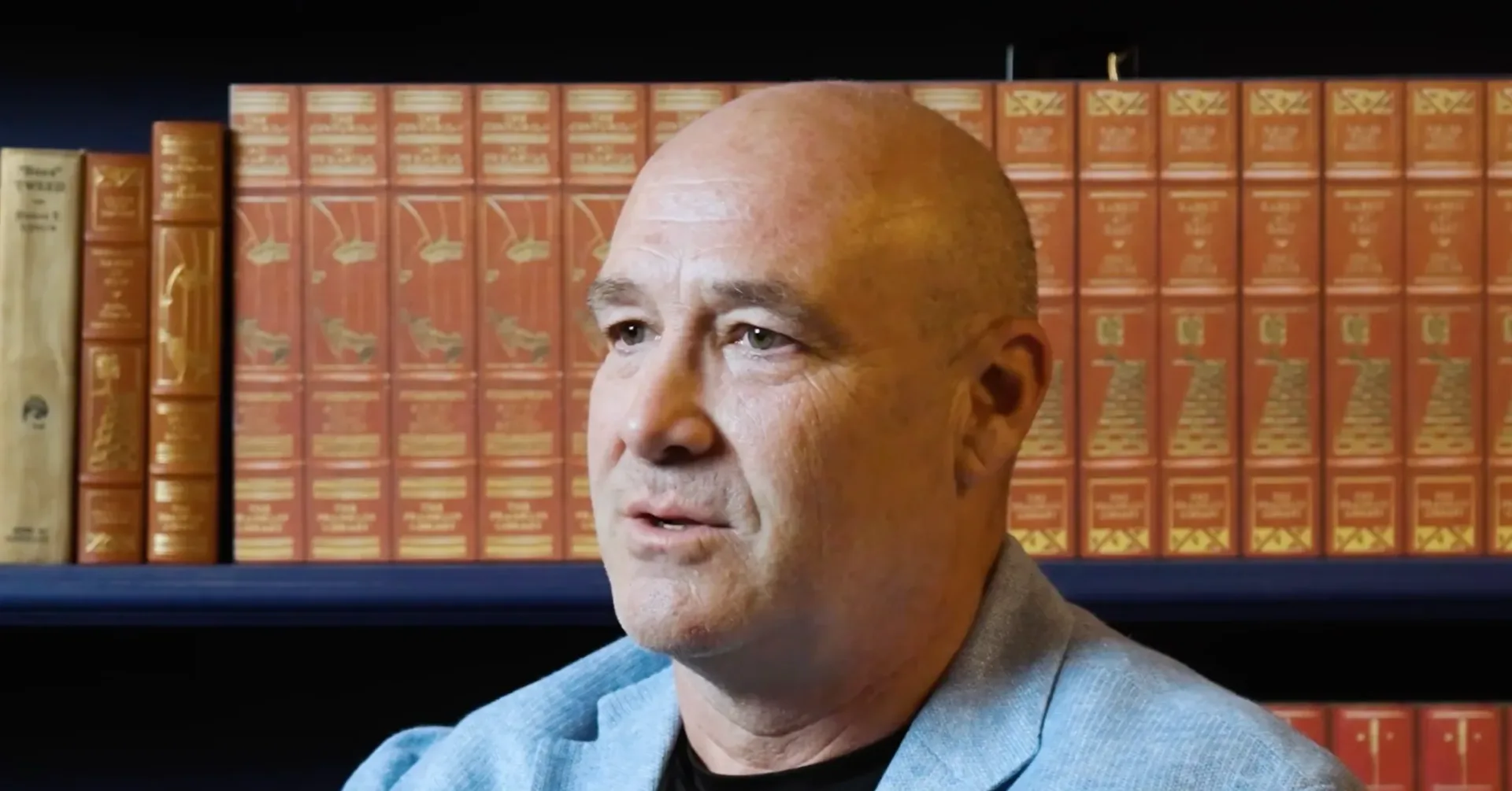
Attorney Bradford Cohen has revisited the unsuccessful attempts to subpoena Drake in the lead-up to the murder trial connected to XXXTentacion’s death, describing the episode as an effort built around attention rather than evidence.
The remarks concern a long-running online conspiracy theory that tried to link Drake to XXXTentacion’s killing. The supplied account is clear on a crucial point: it presents no evidence supporting that theory. A defendant’s lawyer nevertheless sought to bring Drake into the legal process through a deposition, filing subpoenas twice. Both subpoena attempts were rejected because they were filed incorrectly, and the judge told the defense to stop wasting the court’s time.
Cohen represented Drake during that dispute. In a recent interview, Cohen said he knew the lawyer responsible for the subpoenas and considered him a good person, while also characterizing the attempt to involve Drake as a desperate defense tactic. That is Cohen’s interpretation of the strategy, not a finding that establishes why the filings were made.
What the dispute was actually about
The basic distinction matters. The story is not that Drake was found to have a role in the killing, nor that a court accepted the online speculation as credible. It is that a defense attorney attempted to compel Drake’s participation through subpoenas and did not succeed.
A subpoena is a formal legal demand requiring a person to appear, provide testimony, or produce specified material. A deposition is testimony taken under oath outside the courtroom, usually before trial, with attorneys able to ask questions and create a record. In practice, those tools can be important ways to test a witness’s information. But they are not proof that the person being subpoenaed committed wrongdoing or has relevant knowledge.
That distinction is especially important when a famous name is involved. Celebrity status can turn a procedural dispute into a much larger public narrative, even when the underlying filing never clears basic procedural requirements. Here, the attempted subpoenas were thrown out as improperly filed. The supplied material does not describe the precise technical defects, so it would be wrong to infer more than that.
Rumor, relevance and courtroom procedure
Cohen’s account points to the collision between internet rumor and the narrower question courts must address: whether a requested witness or piece of evidence is properly and lawfully relevant to the case. Online discussion can be widespread without becoming evidence. Repetition, viral posts, and the presence of a well-known artist in a theory do not independently validate the theory.
The judge’s reaction, as described in the supplied account, reinforces the procedural outcome. The court rejected the filings twice and directed the defense to stop consuming its time. That does not turn the surrounding circumstances into a broader legal ruling on every claim that circulated online. It does establish that these particular attempts to subpoena Drake did not proceed.
For readers encountering the episode through clipped social posts or headlines, the most responsible shorthand is also the most accurate: Drake was the subject of unsupported conspiracy theories, a defense lawyer tried twice to subpoena him for a deposition, and the attempts were denied over incorrect filing. The material provided offers no basis to go further.
Why celebrity mentions can reshape a case’s public conversation
Cohen argued that invoking Drake functioned as a last-ditch attempt to help the defendant and to generate publicity. Again, that is Cohen’s stated view. But it identifies a practical dynamic that extends beyond this case: naming a major celebrity can redirect public attention away from the established record and toward speculation about a person who is not alleged here to have been tied to the crime by evidence.
The stakes are not merely reputational. Once a high-profile figure is attached to a case through online theories, misleading summaries can make procedural events sound like substantive developments. A subpoena request can be described as though it were an accusation; a denied filing can be omitted; and the absence of evidentiary support can get lost altogether. Careful reporting needs to preserve the difference.
This is also why legal process should not be confused with a promotional contest. Lawyers can pursue aggressive strategies for their clients, while judges retain authority to require proper filings and maintain orderly proceedings. In Cohen’s retelling, the court did exactly that by rejecting the defective requests.
Cohen’s wider discussion of celebrity representation
During the same interview, Cohen also discussed his representation of Ice Spice in relation to the McDonald’s fight incident. He said he advised her to sue the other person involved, framing the proposed action as a way to send a message rather than a route to a payout. The supplied account does not provide further legal details, outcomes, or dates concerning that matter, so no broader conclusion about it is warranted.
Taken together, the two topics show the particular pressures of representing public figures: legal disputes can become entertainment-adjacent narratives before basic facts are settled, and public attention can magnify every filing, allegation, and interview remark. That reality makes precision more valuable, not less.
There is a related lesson for audiences following disputes online. Legal complaints and court filings can be meaningful, but their existence alone does not prove the claims made within them. Similarly, a requested subpoena is not proof of a witness’s involvement in an event. For another look at how public-facing legal action is framed in the entertainment and games space, see Focus Entertainment’s statement on legal complaints over threats toward staff.
What is established — and what is not
- Drake was connected to unsupported online theories following XXXTentacion’s death.
- A lawyer for one of the defendants tried twice to subpoena Drake for a deposition before the murder trial.
- The attempts were rejected because they were incorrectly filed.
- The judge told the defense to stop wasting the court’s time.
- Cohen represented Drake and later criticized the strategy in an interview.
What is not established by the supplied material is equally important: it does not identify evidence linking Drake to the killing, explain the exact filing errors, or provide a legal finding supporting the conspiracy theory. Cohen’s assessment that the tactic was a publicity-minded or desperate move remains his perspective on the defense strategy.
That balance is the real takeaway from Cohen’s comments. A celebrity’s name can dominate the discussion around a criminal case, but the court’s handling of the subpoena efforts was procedural and specific. The filings failed; the unsupported speculation did not become evidence simply because it was repeated.