Criminal defense attorney Bradford Cohen says he does not expect to become part of D4vd’s legal team in the singer’s pending murder case. His comments make a relatively narrow point amid an intensely watched criminal proceeding: an attorney can believe a defendant is entitled to a defense without choosing to personally take that defendant’s case.
D4vd, whose legal name is David Anthony Burke, has been charged in the killing of 14-year-old Celeste Rivas Hernandez. Prosecutors allege that Burke killed Rivas Hernandez in 2025, and that her remains were discovered months later inside a Tesla registered to him. Burke has pleaded not guilty.
That plea is central to how the case should be discussed. A charge is an accusation brought by prosecutors, not a finding of guilt. Burke’s not-guilty plea means the allegations must be proven through the legal process, and Cohen said he has not reviewed the evidence closely enough to offer a judgment on the prosecution’s case.
Cohen draws a line between the right to counsel and taking a case
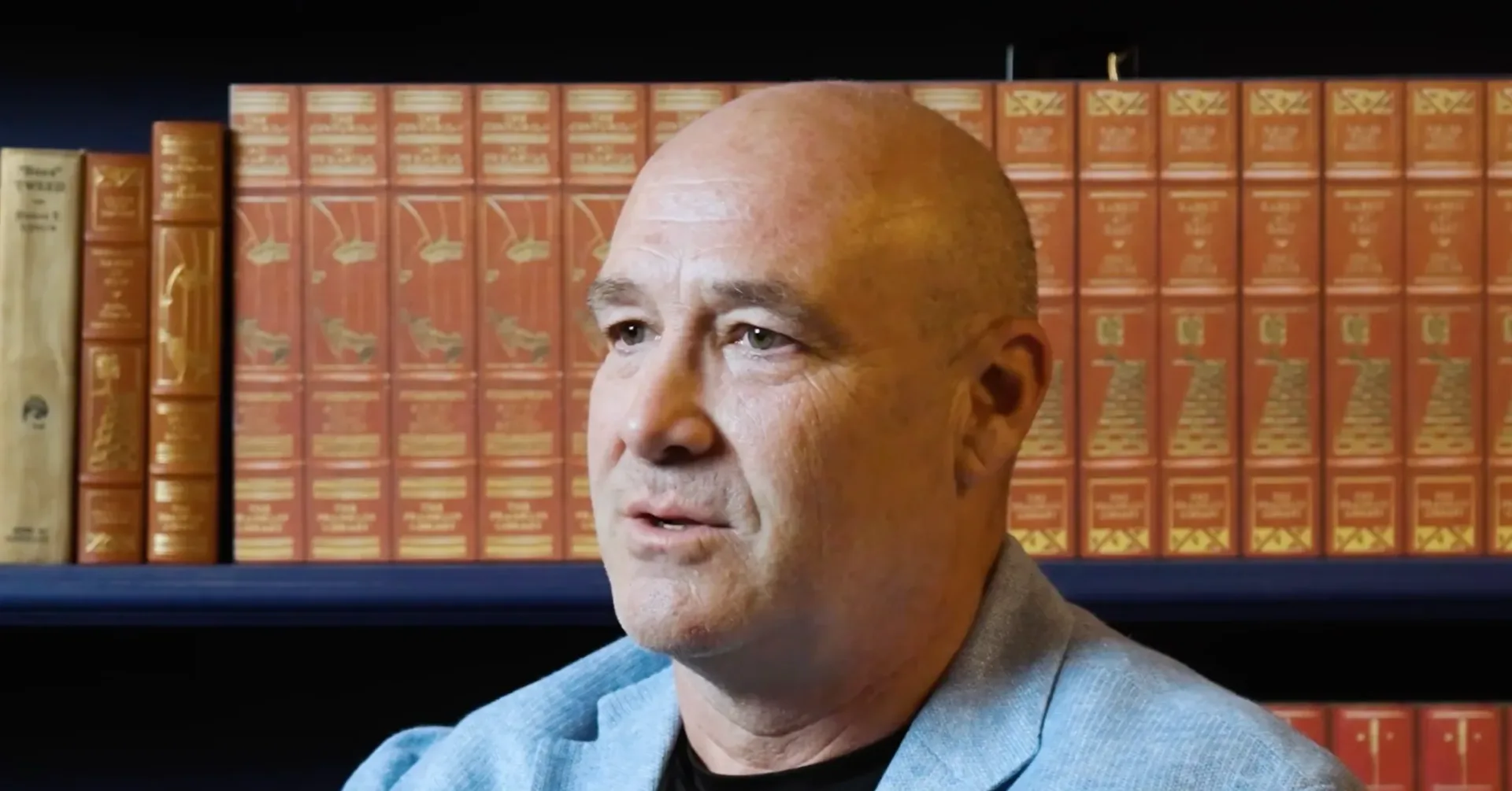
During a recent interview, Cohen framed his position with a memorable distinction:
“I believe everybody deserves a defense. I don’t believe everybody deserves a Brad Cohen defense.”
The remark should not be read as an assessment of Burke’s guilt or innocence. Cohen explicitly cautioned against treating the allegations as the full account of what a case will ultimately show. In criminal cases, the public may first encounter only charging claims and short descriptions of an investigation. The evidence that matters in court can be broader, more contested, and subject to legal challenges.
“The allegations are what the allegations are. I don’t know what the evidence is yet,” Cohen said, adding that he has encountered matters where initial descriptions did not line up with what he later learned after becoming involved.
That is an important difference in a high-profile case. Allegations describe what prosecutors contend happened. Evidence is the material offered to support or dispute those claims, potentially including physical records, testimony, forensic findings, communications, or other information. Whether material may be admitted, how reliable it is, and what weight it should receive are questions dealt with during the proceedings—not settled by online attention or a headline.
The defense-team question has changed
The issue of Burke’s representation has drawn added attention because his private attorneys withdrew from the matter on August 31. The Los Angeles County public defender’s office subsequently took over his representation.
A public defender is a lawyer appointed through a public defense office to represent people in criminal cases. Public representation is not a lesser version of the constitutional right to counsel; it is part of the legal system’s mechanism for ensuring a defendant has an advocate. The attorney’s job is to represent the client’s legal interests, challenge the prosecution where appropriate, and require the state to meet its burden of proof.
Cohen’s answer, then, does not leave Burke without representation. It addresses whether Cohen himself will enter a defense team now being handled by the county public defender’s office. His answer was direct:
“I don’t predict myself taking on the D4vd case.”
That conclusion arrived after the interviewer personally urged Cohen not to take the case, a request that drew laughter in the conversation. But the more substantive part of Cohen’s answer was his refusal to offer a verdict from a distance. He said both that he did not anticipate joining the defense and that he did not know enough about the evidence to reach conclusions about the accusation itself.
What Cohen’s comments do—and do not—mean
Cohen has represented high-profile music clients, including Kodak Black, and has discussed work involving Lil Wayne, Drake, and other celebrity clients. He also previously worked on YNW Melly’s murder case before leaving that defense team after several months. That background helps explain why his view has attracted attention, but it does not give his comments special access to the evidence in Burke’s case.
In practical terms, Cohen’s statement establishes only his own expectation about professional involvement. It does not indicate a court ruling, a change to the charge, the strength of either side’s legal arguments, or a prediction of the eventual outcome.
It also does not alter the role of the public defender’s office. The representation question is separate from the factual dispute prosecutors will need to litigate. The state has made allegations; Burke has entered a not-guilty plea; and his appointed defense counsel will represent him as the case proceeds.
Why the distinction matters in celebrity cases
Cases connected to well-known performers can turn legal representation into a public storyline of its own. Familiar attorneys, private counsel withdrawals, and interview clips can quickly become talking points. Yet those developments can obscure the more consequential legal basics: what has been charged, what prosecutors must establish, what evidence is available, and how the defense responds.
Cohen’s comments are a reminder that a lawyer’s willingness to accept a case and the merits of the case are not the same question. Lawyers can weigh many considerations before joining a matter, including workload, strategy, client relationships, professional fit, and whether they want the public demands of a highly scrutinized case. A decision not to participate does not itself establish anything about the accused person or the allegations.
Likewise, a celebrity connection does not change the underlying standard. The public can follow developments closely, but the pending charge remains an allegation that prosecutors must prove. Burke’s not-guilty plea places the accusation in dispute.
For another recent music-world update on the site, see DaBaby and DaniLeigh’s separate appearances at a New York runway event.
What to watch next
The clearest verified development is that the Los Angeles County public defender’s office is now representing Burke after his private attorneys withdrew. Cohen, despite his experience representing prominent artists, says he does not expect to take the case.
Beyond that, caution is warranted. The supplied information does not establish what evidence prosecutors intend to present, what legal positions Burke’s defense will take, or when specific court developments may occur. Those unanswered questions are precisely why Cohen said he would not treat the allegations as a complete account of the case.
As the matter moves forward, the meaningful updates will be formal court actions and substantiated details about the arguments and evidence—not speculation about which recognizable attorney might be attached to the defense.