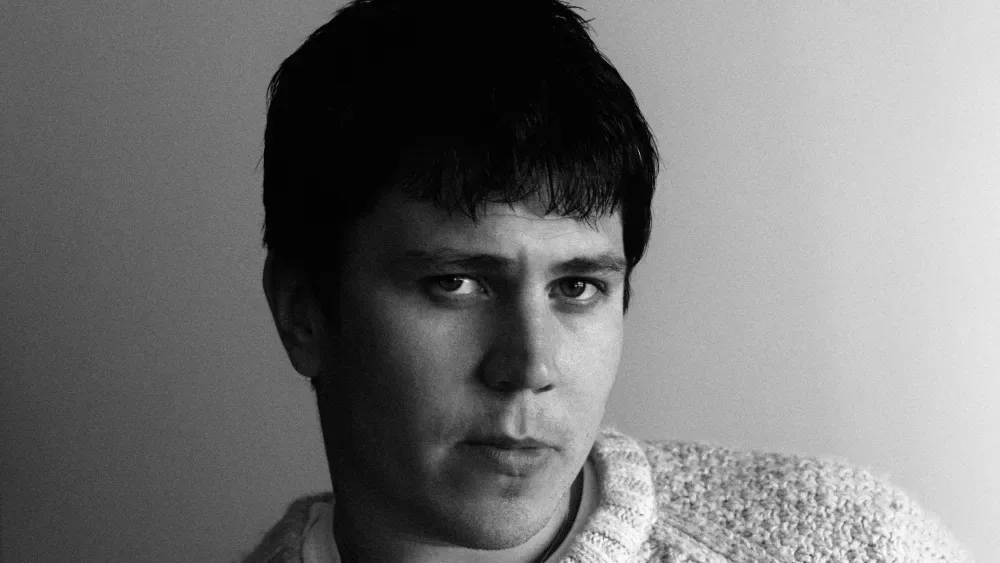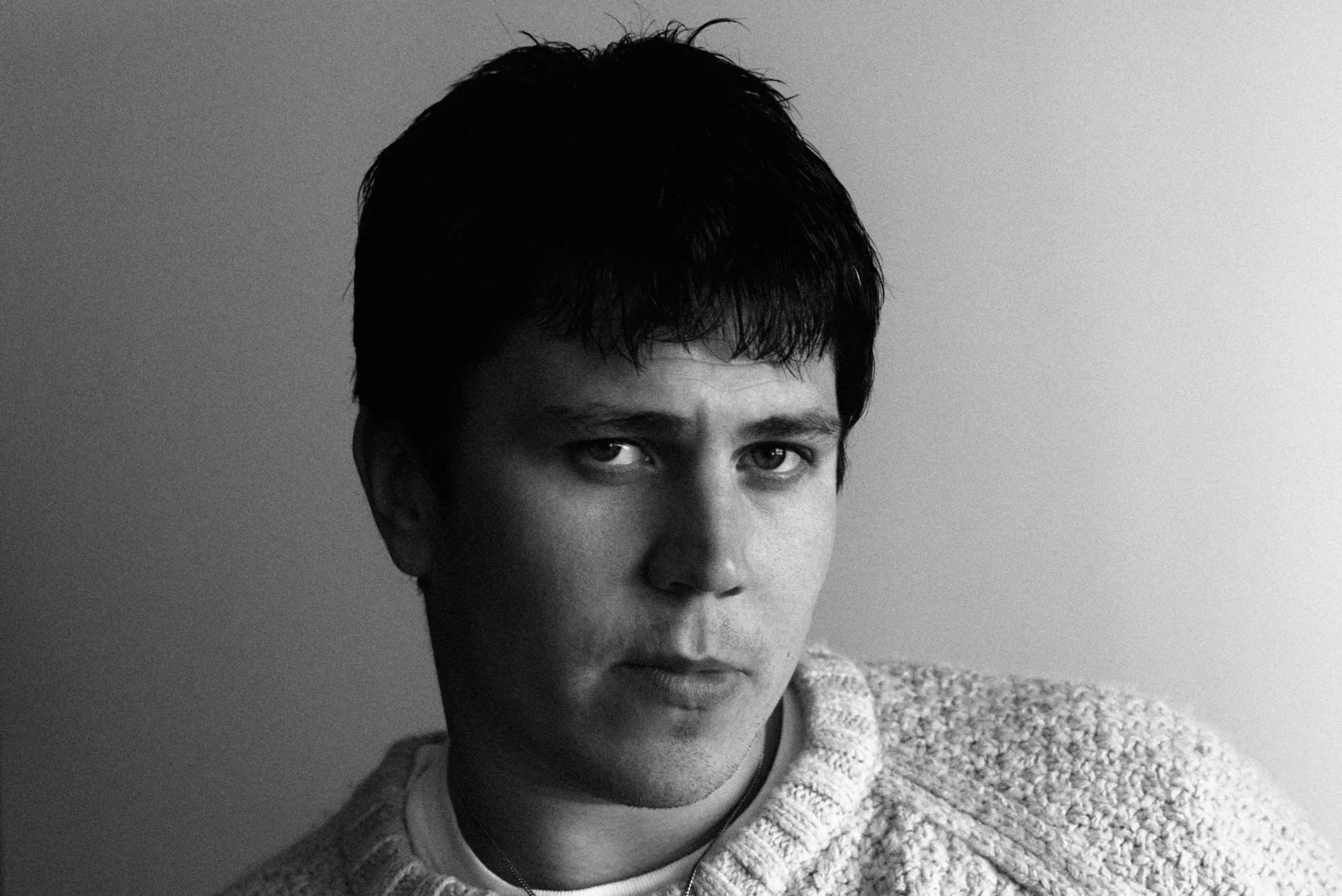
Aaron Rowe has withdrawn from the North American leg of Ed Sheeran’s Loop tour, a decision the Irish singer-songwriter tied directly to Macklemore’s removal from the support lineup following the rapper’s onstage pro-Palestine remarks.
Rowe said he did not make the decision lightly, describing Sheeran as a friend who had changed his life. But he said he could not continue on the tour after what he characterized as an effort by powerful figures to silence voices speaking in support of Palestine. In his statement, Rowe connected that position to Ireland’s history of colonialism, famine and resistance, ending with “Free Palestine.”
The departure is significant not simply because it removes an opener from a major stadium-scale itinerary, but because Rowe had already appeared on the Australian run of the Loop tour earlier in the year and had returned for North American dates in June. His exit was then followed by withdrawals from Lukas Graham, Finneas and Beoga, turning an individual decision into a broader disruption for the bill’s supporting roster.
What led to Rowe’s decision
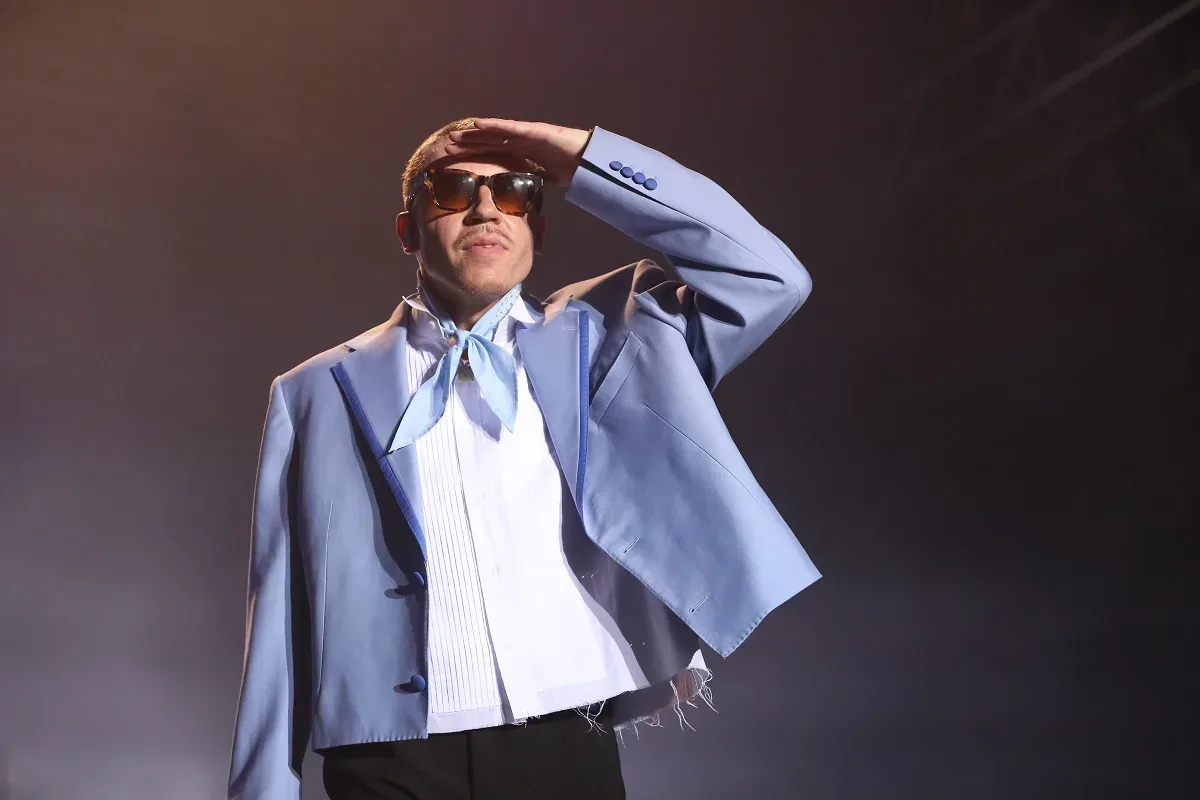
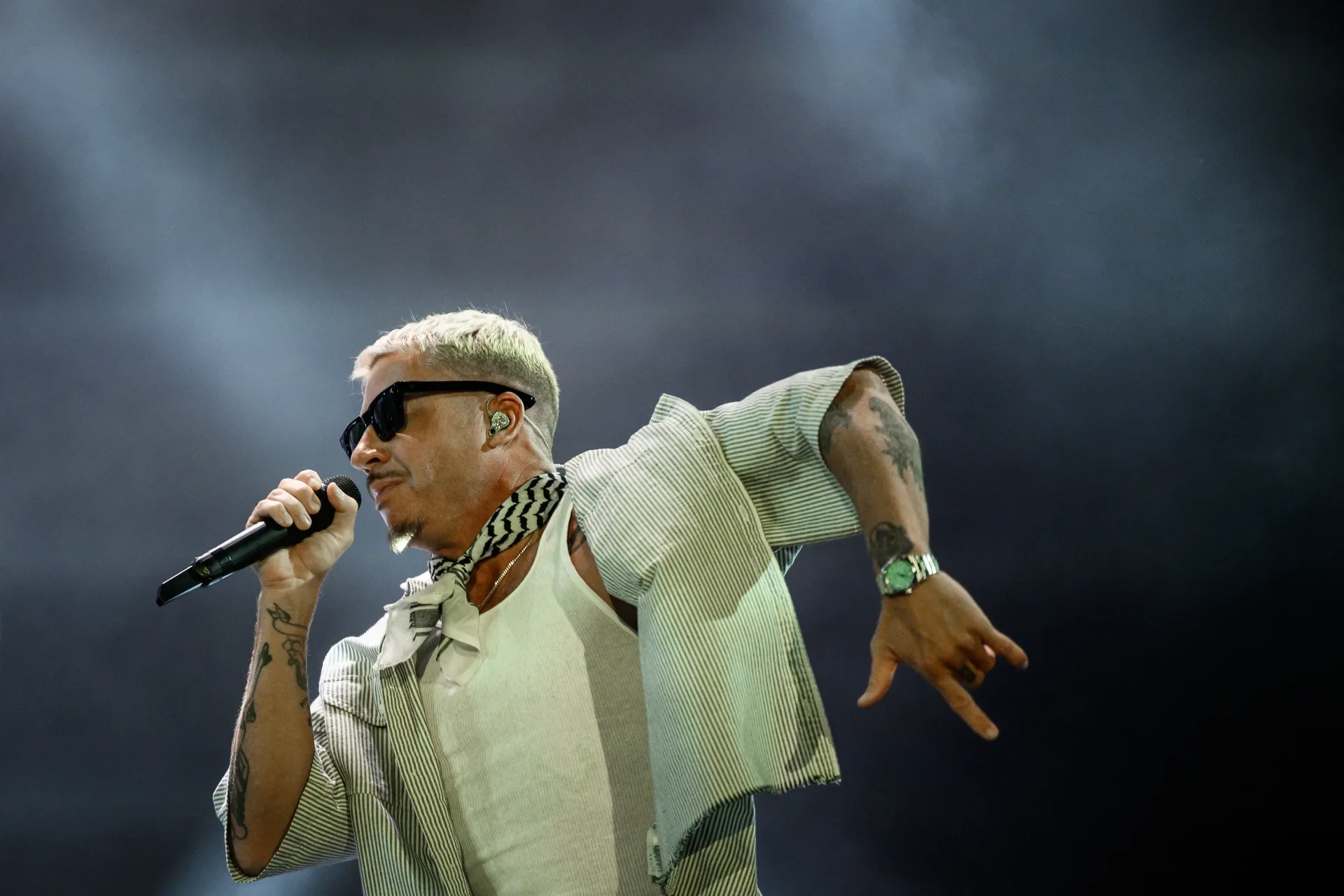
The immediate backdrop is Macklemore’s dismissal from the tour after he made forceful “free Palestine” comments while opening at MetLife Stadium in New Jersey on September 4 and 5. Macklemore subsequently alleged that Robert Kraft, the billionaire owner of the New England Patriots, rallied other stadium owners to bar him from the tour because of those statements.
That allegation is Macklemore’s account of the situation; the available information does not establish the involvement of Kraft or other venue owners as fact. What is clear is that the removal created a visible disagreement around who made the decision and how responsibility should be assigned.
Sheeran addressed that point on Tuesday morning, saying the choice to remove Macklemore was made by promoters and venues, not by him. He also said that he prefers to remain publicly neutral on political issues and that this neutrality does not make him complicit.
Those are two separate positions that can be easy to blur together in the churn of a tour controversy. Sheeran’s statement concerns authority: he says he did not have the power, or did not exercise the power, to dismiss Macklemore. Rowe’s statement concerns participation: he concluded that remaining on the same tour after Macklemore’s removal would conflict with his own political and personal convictions. Neither position erases the other, and the dispute now sits at the intersection of artist expression, venue operations and the practical mechanics of a large touring production.
A support slot is a job—and a public association
Opening a concert tour is often discussed as though it is merely an early slot on a lineup. In practice, it is both work and endorsement by association. An opening artist reaches audiences they may not otherwise play for, benefits from the production and promotional structure around the headliner, and becomes part of the public identity of the night’s event. That makes a decision to leave materially consequential even when an artist explains it in moral terms.
Related coverage includes Aaron Rowe Exits Ed Sheeran’s Loop Tour After Macklemore Removal.
Rowe’s message acknowledged the cost. He explicitly said Sheeran had helped transform his life and that their relationship mattered to him. The statement was therefore not framed as a casual rejection of an opportunity. It was framed as an unwillingness to carry on normally when he believed the circumstances demanded a response.
For artists who followed him out of the lineup, the practical implication is equally plain: North American concertgoers may encounter a support bill that differs from what was previously promoted. The supplied information identifies Lukas Graham, Finneas and Beoga as acts that withdrew after Rowe’s announcement, but it does not identify replacements, revised schedules or how each remaining date will be structured. Until promoters or venues provide that information, those details should not be assumed.
Why the distinction between venues, promoters and artists matters
Touring involves several parties whose roles overlap in public perception but are not identical. A venue is the physical site hosting the event. A promoter is generally responsible for presenting and organizing the show commercially, including arrangements that can involve ticketing, local operations and contracts. A headliner is the featured performer audiences are primarily coming to see. Supporting artists appear on the same bill but may have separate agreements and their own choices about whether to continue.
Sheeran’s response places the Macklemore decision with promoters and venues. Rowe, meanwhile, directed his criticism more broadly toward “billionaires” using their power to silence people speaking out. These statements describe different levels of the conflict: one is a claim about the operational decision-maker, while the other is a criticism of the power structures Rowe believes shaped the outcome.
That distinction does not settle the underlying political disagreement. It does, however, matter for readers trying to understand the sequence without converting every public statement into a confirmed account of private business decisions. The confirmed developments are the withdrawals and the public explanations offered by the artists involved. The alleged role of specific individuals beyond that remains an allegation.
Neutrality is now part of the story, not an absence from it
Sheeran’s choice to say he is publicly neutral is also central to why this story has expanded beyond a single opening act. In an entertainment setting, neutrality can be presented as a way to avoid speaking beyond one’s expertise or becoming a partisan voice. Critics can see the same stance as inadequate when the issue involves humanitarian catastrophe and artists are being removed or choosing to leave over speech. Sheeran directly rejected the idea that his neutral posture makes him complicit.
Rowe plainly reached a different conclusion for himself. His statement did not ask Sheeran to adopt his language, but it made clear that Rowe could not separate his own participation in the tour from the decision involving Macklemore. This is why the support-act departures are more than booking changes: they are public choices about affiliation.
There is no evidence here that Sheeran ordered Macklemore’s removal, that the other departing artists acted at Sheeran’s request, or that any replacement acts have been chosen. Keeping those limits in view is especially important with a fast-moving dispute, where the available public record can be dominated by brief social posts and competing descriptions of behind-the-scenes events.
What fans should watch for next
The most immediate question is logistical. A multi-act tour’s opening portion can change at short notice, and the exits of Rowe, Lukas Graham, Finneas and Beoga leave uncertainty around the North American support schedule. Fans attending upcoming dates should rely on event-specific communications from the relevant venue or tour team rather than older promotional material. A performer’s original presence on an announced poster does not necessarily reflect the current bill after multiple withdrawals.
The larger question is whether any parties involved offer further clarity on the removal decision and the revised lineup. Macklemore’s account names a prominent sports owner and describes an effort among stadium owners; Sheeran says the decision was made by promoters and venues. Those claims do not presently provide a full, independently established account of how the decision was reached.
For the artists who left, the public record is less ambiguous about motive. Rowe described his withdrawal as a matter of conscience and solidarity with Palestine, while the subsequent departures by Lukas Graham, Finneas and Beoga came after his announcement. Their exits ensure that the dispute will remain attached to the Loop tour’s North American run rather than ending with Macklemore’s removal alone.
The episode also arrives in a broader entertainment environment where live events are not insulated from political speech. Touring may run on contracts, venue agreements and carefully timed logistics, but performers still decide whether the platform, the audience and the association are ones they can accept. Rowe’s decision shows the personal stakes of that choice: a musician can express gratitude for a career-making opportunity while deciding that the circumstances around it make continued participation impossible.
For more entertainment coverage on major releases and events, see our report on Casino Royale’s return to theaters for its 20th anniversary.