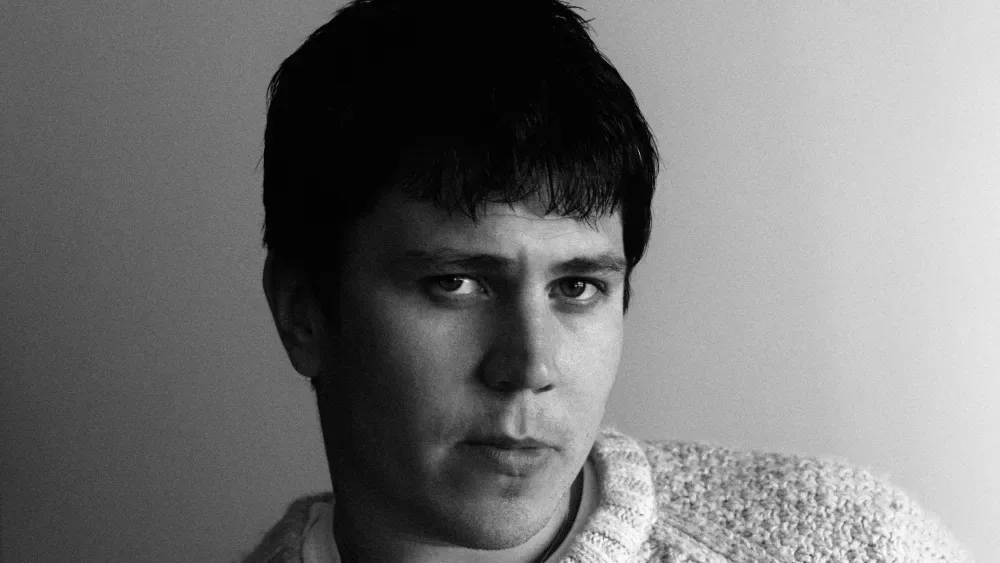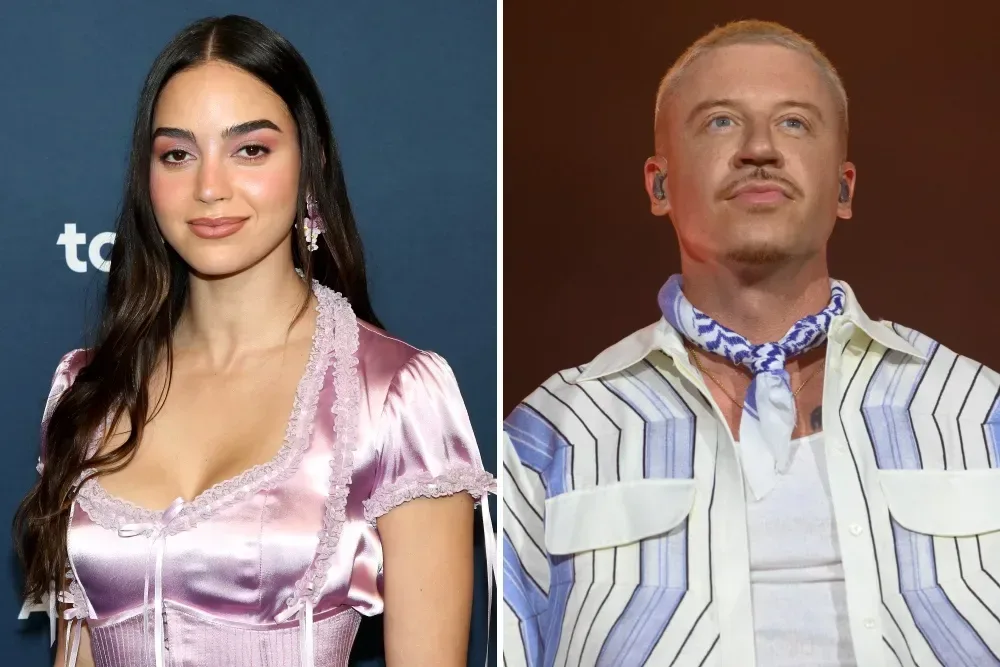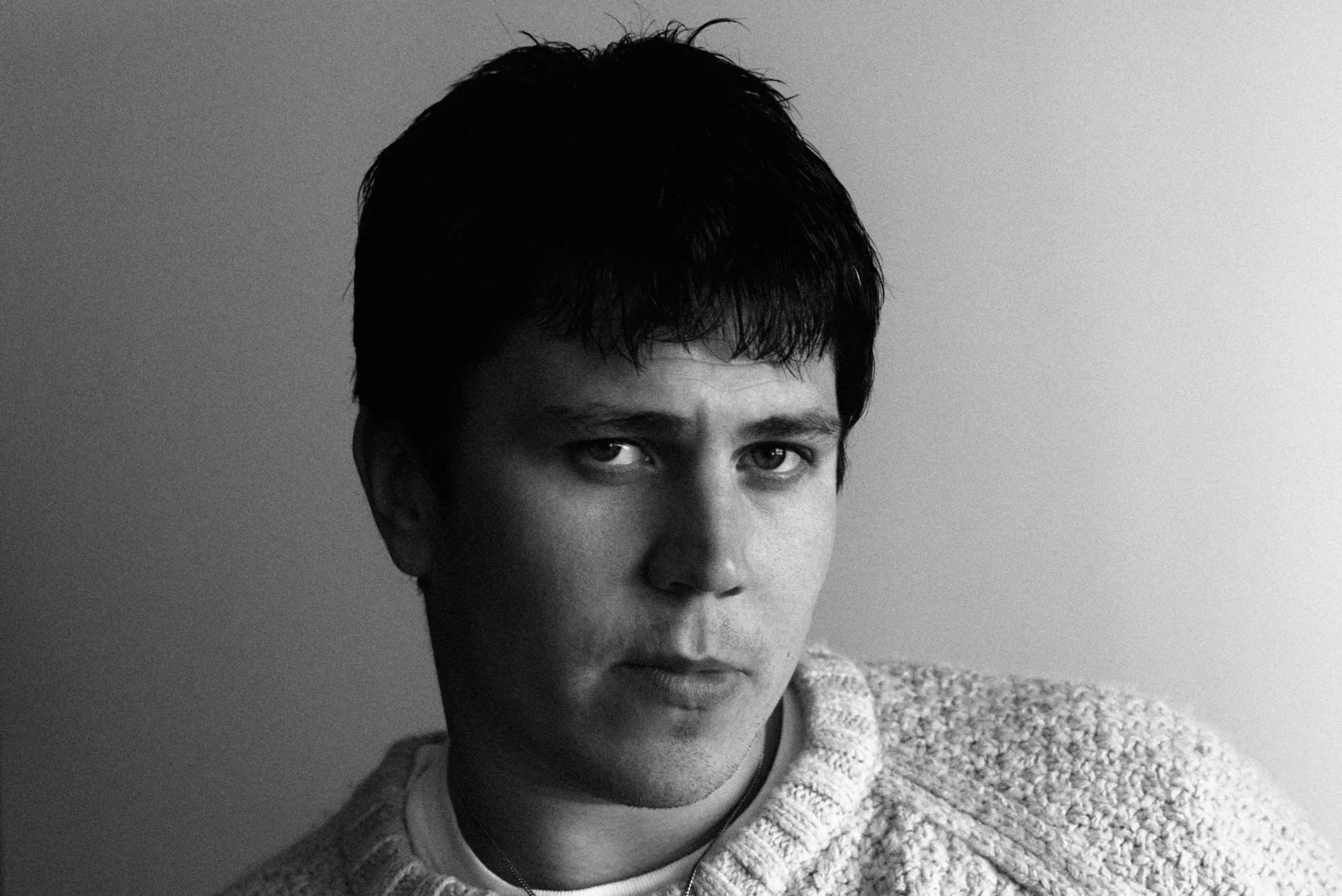
Aaron Rowe has publicly defended Ed Sheeran amid continuing criticism surrounding Macklemore’s removal from Sheeran’s tour, framing the decision as a mistake rather than evidence that the headliner opposes the political positions held by several artists on the bill.
In an Instagram video, Rowe said attention was being placed on the wrong person. He argued that critics should direct more scrutiny toward Robert Kraft and what Rowe described as Zionist lobbying efforts, rather than Sheeran. Rowe’s remarks are his own characterization of the dispute and of the wider political context; they do not settle the broader arguments around it.
Crucially, Rowe did not defend every part of the situation. He said Sheeran’s response could have been better and said he believed Macklemore should not have been taken off the tour. But he also described the decision as a rushed reaction made under intense pressure, calling it a “human” mistake.
That distinction is the heart of Rowe’s intervention. He is asking audiences to separate criticism of a tour decision from a sweeping judgment of Sheeran’s personal politics or character. Whether people agree with that separation is another matter, but Rowe’s position is not that the removal was justified. It is that an unjustified decision can still be a failure made in panic, rather than proof of a fundamentally hostile worldview.
Rowe’s defense comes after his own departure
Rowe had been scheduled as one of the tour’s opening acts before withdrawing following Macklemore’s dismissal. Finneas, another opener, also dropped out. That makes Rowe’s new statement more notable than a simple statement of support from someone unaffected by the fallout: he has already taken action that signaled his disagreement with the situation.
At the same time, Rowe has continued to emphasize the positive impact Sheeran has had on his career. In the new video, the Irish singer-songwriter said Sheeran had changed his life and portrayed him as someone motivated by kindness who is nonetheless capable of making mistakes.
The two positions are compatible, even if they are uncomfortable to hold in a fast-moving public controversy. Rowe can believe that Macklemore’s removal was wrong, decide he cannot remain on the lineup, and still resist turning Sheeran into the sole target of anger. His message is fundamentally about responsibility: who made a decision, who influenced it, and how much weight the public should place on one individual in a larger network of industry, financial and political pressure.
Why the rest of the opening lineup matters to his argument
Rowe pointed to the political views of other performers connected to the tour, including Beoga, Macklemore and himself. His reasoning was straightforward: if Sheeran were ideologically opposed to pro-Palestinian artists, why would those artists have been included on the bill in the first place?
Related coverage includes Aaron Rowe Defends Ed Sheeran Amid Macklemore Tour Fallout.
That is an argument from the composition of the lineup, not definitive proof of anyone’s private beliefs. Touring bills can result from numerous decisions, and artists may not share every perspective with the person headlining the show. Still, Rowe sees the lineup as meaningful context. To him, it indicates that the removal of Macklemore should be understood as a discrete and badly handled decision rather than as a complete statement of Sheeran’s stance.
This matters because opening slots are not merely promotional decoration. They can be professionally significant opportunities for developing musicians, bringing an artist before an audience they may not otherwise reach. Rowe’s comments about Sheeran changing artists’ lives speak directly to that reality. A headliner’s support can materially affect visibility and career momentum, while a sudden withdrawal or removal can become a highly public statement with repercussions well beyond one night’s set list.
What “panic” means in a tour controversy
Rowe repeatedly described the decision-making as panicked. In practical terms, that suggests a response made quickly amid competing demands, public criticism and uncertainty about consequences. It does not excuse the outcome in Rowe’s telling; he explicitly said Macklemore should not have been removed. Instead, it is his explanation for why a decision could be both damaging and inconsistent with the values he believes Sheeran usually demonstrates.
That distinction is relevant to public-facing entertainment disputes generally. Social-media reactions often reduce a conflict to a binary: an artist either fully endorses an action or fully rejects it. Real-world production decisions can involve management, promoters, business partners, security concerns, contractual obligations and outside pressure. None of those possibilities is established here beyond Rowe’s own view that people were “getting it from all angles,” and none removes accountability. But they help explain why Rowe is pushing back against an interpretation centered entirely on Sheeran.
It also explains why public statements can have outsized importance. When artists, teams or promoters do not clearly explain a sensitive decision, audiences will often fill the information gap with assumptions. Rowe said Sheeran’s statement should have been stronger, an assessment that recognizes the communication problem as separate from — but connected to — the decision itself.
A dispute shaped by social media and artist solidarity
Rowe delivered his defense through Instagram, the same kind of immediate, direct channel that has become central to celebrity disputes. Such posts can allow artists to speak in their own voice without a formal press cycle, but they also compress complicated political and professional questions into short, emotional messages designed to travel quickly.
That has become a familiar feature of entertainment news, where livestreams and personal posts can become the main record of a disagreement. A recent report on a livestream involving Blueface and Nevaeh Akira similarly illustrates how public-facing online appearances can shape perceptions even when underlying tensions remain unresolved.
For Rowe, the point of speaking now appears to be preventing a flattening of the story. He has not reversed his apparent view that Macklemore should have stayed on the tour. He has not suggested that public concern over the decision is baseless. Rather, he has asked people to preserve a more complicated picture: an opener can protest a choice strongly enough to withdraw while also arguing that the headliner should not be treated as the only person who deserves scrutiny.
What remains unclear
Rowe said he had not had much opportunity to speak with Sheeran directly. As a result, his belief that Sheeran recognizes the removal as a mistake is an expression of confidence in the singer, not a reported confirmation of Sheeran’s present view.
The available details also do not establish the full decision-making process behind Macklemore’s removal, the specific roles of any parties involved, or whether there will be further changes to the tour. Those gaps are important. They mean Rowe’s video should be read as a participant’s personal account and defense, rather than a complete explanation of what occurred behind the scenes.
What is clear is that the controversy has expanded beyond one removed performer. It now raises questions about artistic association, free expression, accountability and the pressures surrounding major tours. Rowe’s intervention adds a complicated voice to that discussion: one that criticizes the outcome, stands with Palestine, acknowledges the impact on Macklemore, and still urges the public not to treat Ed Sheeran as the story’s only responsible figure.