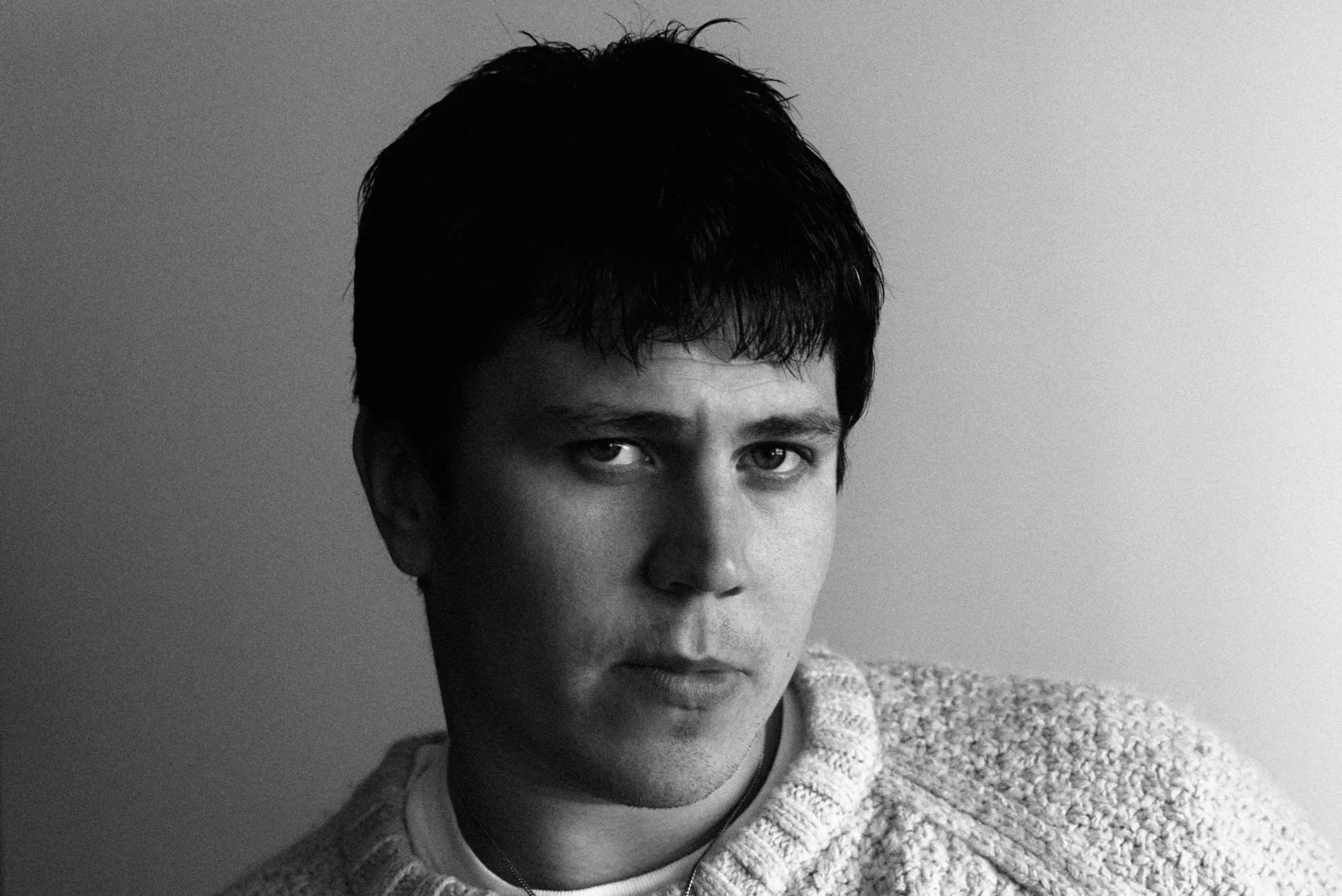
Aaron Rowe has defended Ed Sheeran while criticizing the decision to remove Macklemore from Sheeran’s tour, framing the dispute as a wider argument about political expression, powerful venue operators and who ultimately controls a major stadium bill.
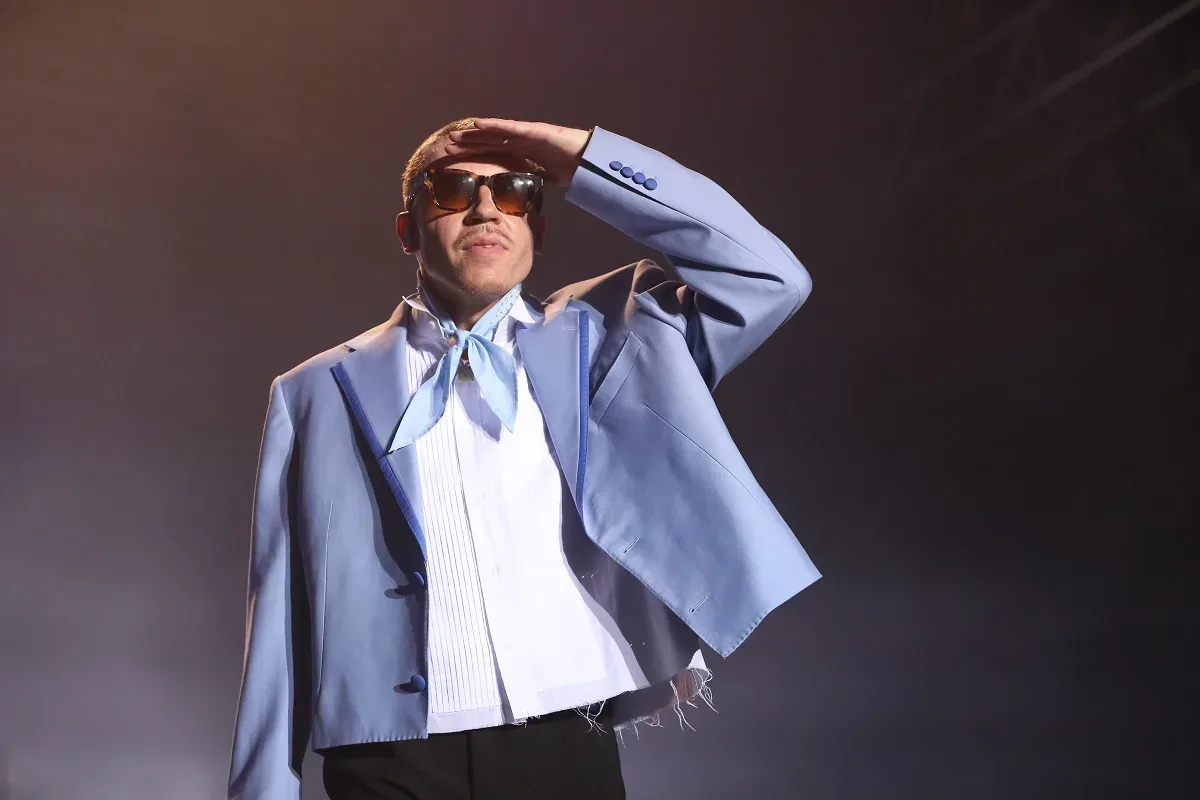
Rowe’s intervention follows a period of upheaval around the tour after Macklemore performed at MetLife Stadium in New Jersey on September 4 and 5. During those appearances, he wore a keffiyeh, performed his pro-Palestinian song Hind’s Hall, and told the audience that advocacy for a free Palestine was one reason he had joined the tour.
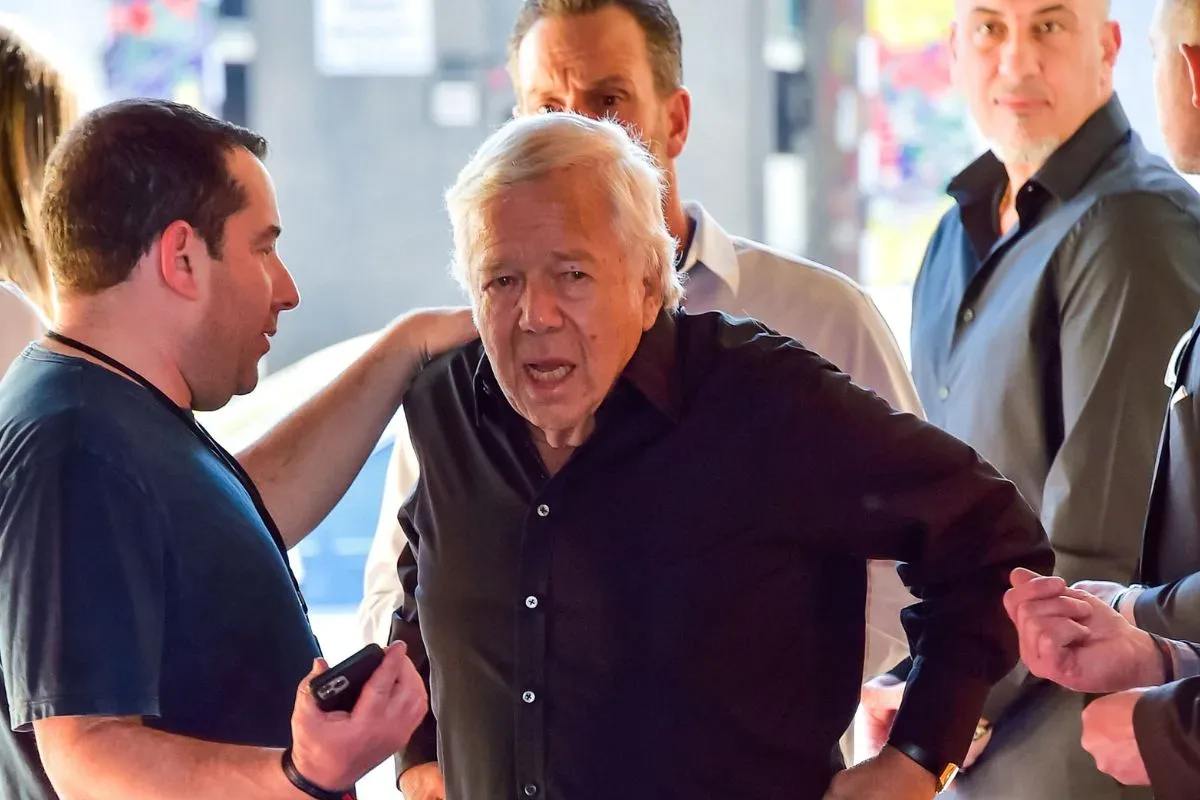
The account surrounding Macklemore’s subsequent removal is sharply contested. The material provided says Robert Kraft, identified as the owner of Gillette Stadium, contacted Sheeran and made continued use of the venue conditional on dropping Macklemore. It also claims Kraft encouraged other stadium owners to take a similar stance. Those are serious allegations, but the supplied material does not provide independent documentation of the reported call, ultimatum, or outreach to other venues.
That lack of corroboration matters. It means the central question—who made the final decision and under what contractual or operational pressure—remains unresolved in the information available. What is clear from Rowe’s public position is that he does not think the controversy should be treated simply as a story about one pop star’s political views.
Rowe separates Sheeran from the decision’s impact
Rowe said Sheeran’s response could have been stronger and maintained that Macklemore should not have been taken off the tour. At the same time, he characterized the decision as a rushed mistake made amid pressure and confusion rather than proof that Sheeran shares the political position Rowe attributes to those pushing for Macklemore’s removal.
His argument rests partly on the broader touring lineup. Rowe pointed to Beoga and Finneas as artists he describes as pro-Palestinian, asking why such performers would be included if Sheeran held the ideology Rowe was rejecting. That is an argument about intent and association, not definitive evidence of what happened behind the scenes. Still, it explains why Rowe’s defense is qualified: he can object to the outcome while declining to assign primary responsibility to Sheeran.
Rowe has also used inflammatory political language in discussing the issue, referring to “Zionist lobbies.” That phrasing represents Rowe’s own allegation and framing; the available material does not substantiate a coordinated lobbying campaign. It is important to distinguish criticism of a government, a venue decision, or an individual executive from broad claims about Jewish people or organizations. Those are not interchangeable categories, and collapsing them can obscure rather than clarify the dispute.
The same distinction is at the center of the competing narratives. Kraft’s statement, as described in the supplied material, said Macklemore had made antisemitic remarks. Rowe’s position is that the matter concerns the suppression of pro-Palestinian advocacy rather than protection of Jewish communities. The available account does not include Kraft’s full statement, the specific remarks at issue, or Macklemore’s detailed response to that characterization, so it cannot settle that disagreement.
Why stadium leverage is at the heart of the story
A stadium tour is not merely an artist and a list of opening acts. It is a web of venue agreements, promoters, production schedules, staffing, security, local regulations and ticket-holder expectations. A venue owner may be a highly influential participant, but the precise legal and operational authority that person holds over a particular booking can vary. The material here alleges that venue access was used as leverage; it does not provide the contracts needed to show exactly how that leverage operated.
That distinction is more than legal fine print. If an artist is removed because a venue refuses to host them, the practical effect for audiences and performers can look much the same as a tour-level removal. But responsibility could be distributed among the headline act’s team, promoters, venue management and other stakeholders. Rowe’s comments seek to redirect public scrutiny toward that wider power structure.
The story also shows why public arguments about “censorship” can become imprecise. In a strict sense, censorship often refers to government suppression of speech. Here, Rowe is using the term more broadly to describe a private-sector decision that he believes punished political advocacy. A private venue’s ability to control its programming does not erase the debate over whether exercising that power is justified. It does mean that the exact mechanism should be described carefully rather than assumed.
For fans, the consequences of that distinction are tangible. Opening acts can be a meaningful reason to attend a show, and a lineup change can affect the cultural character of an event even when the headliner and date remain in place. In this case, political expression was not separate from the performance: Macklemore’s protest song and onstage comments were central to the controversy itself.
Artists respond through withdrawal and donation
Rowe and Finneas have left the tour in solidarity with Macklemore, according to the supplied account. Their departures add a second layer to the dispute: artists are not only debating the original removal but also deciding whether continued participation signals acceptance of it.
Macklemore, meanwhile, pledged to give his entire reported $1 million tour earnings to Palestinian relief organizations. The supplied material does not identify the organizations or spell out the donation’s timing or structure. The pledge nevertheless changes the meaning of his tour compensation in the public conversation, tying his participation directly to humanitarian support as well as onstage advocacy.
The tour resumed on September 19. Resuming does not resolve the underlying conflict, particularly when participants have left and public explanations remain incomplete. It instead establishes a new status quo: the shows continue, but without the full lineup that existed before the dispute.
What remains unknown
Several key points need more evidence before they can be treated as established fact:
- Whether Kraft personally issued an ultimatum to Sheeran over Macklemore’s role.
- Whether other stadium owners were contacted or acted in concert.
- What specific remarks were described as antisemitic in Kraft’s account.
- Who held final contractual authority over Macklemore’s removal.
- Whether the removal applied to the entire run under a single written condition or involved separate venue-by-venue decisions.
Those gaps do not make the reaction from Rowe, Finneas or Macklemore insignificant. They do mean that the most responsible reading is to separate confirmed developments—Macklemore’s performances and activism, Rowe and Finneas leaving, Macklemore’s donation pledge, and the tour’s September 19 resumption—from disputed explanations of how the change came about.
The controversy has also drawn attention to the overlap between music, stadium business and sports ownership. Kraft is identified here as the owner of the New England Patriots, an NFL connection that illustrates how prominent venue stakeholders can sit at the intersection of entertainment and sports culture. That crossover remains a major part of fan interest well beyond concerts, including in football-card collecting.
Rowe’s core plea is therefore not simply that Sheeran be excused. It is that the public ask who possesses decision-making power when political speech becomes commercially inconvenient, and whether the people wielding that power should be more transparent about it. Until fuller documentation emerges, that broader question may be more answerable than the chain of events Rowe alleges.