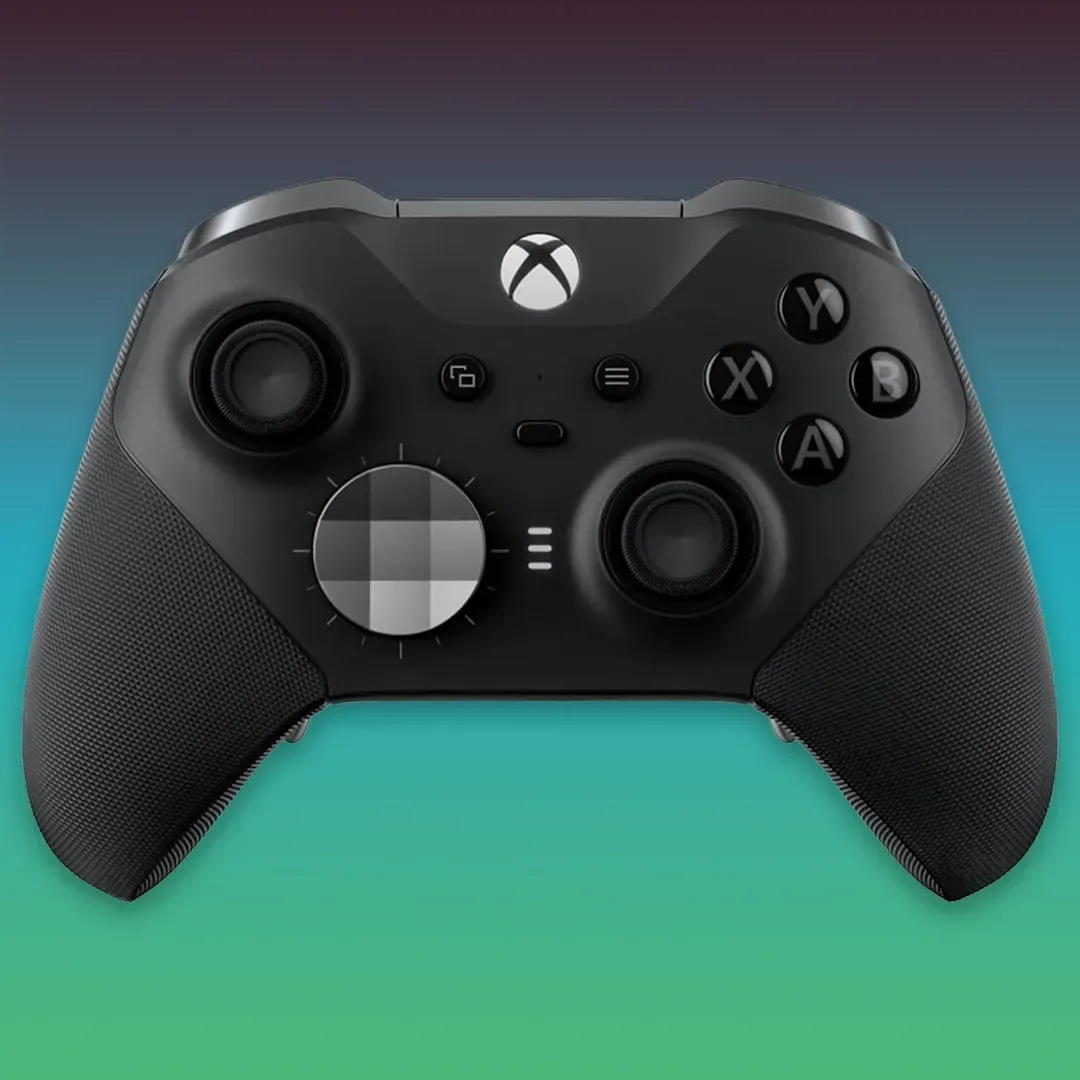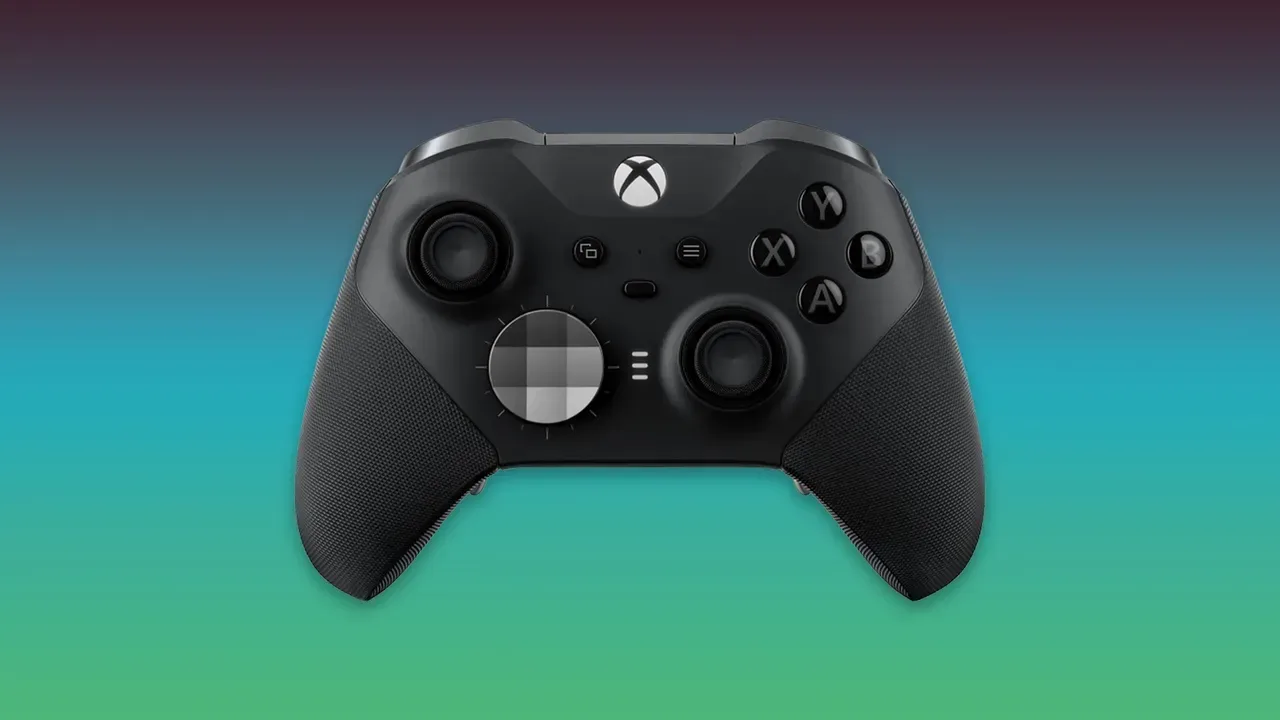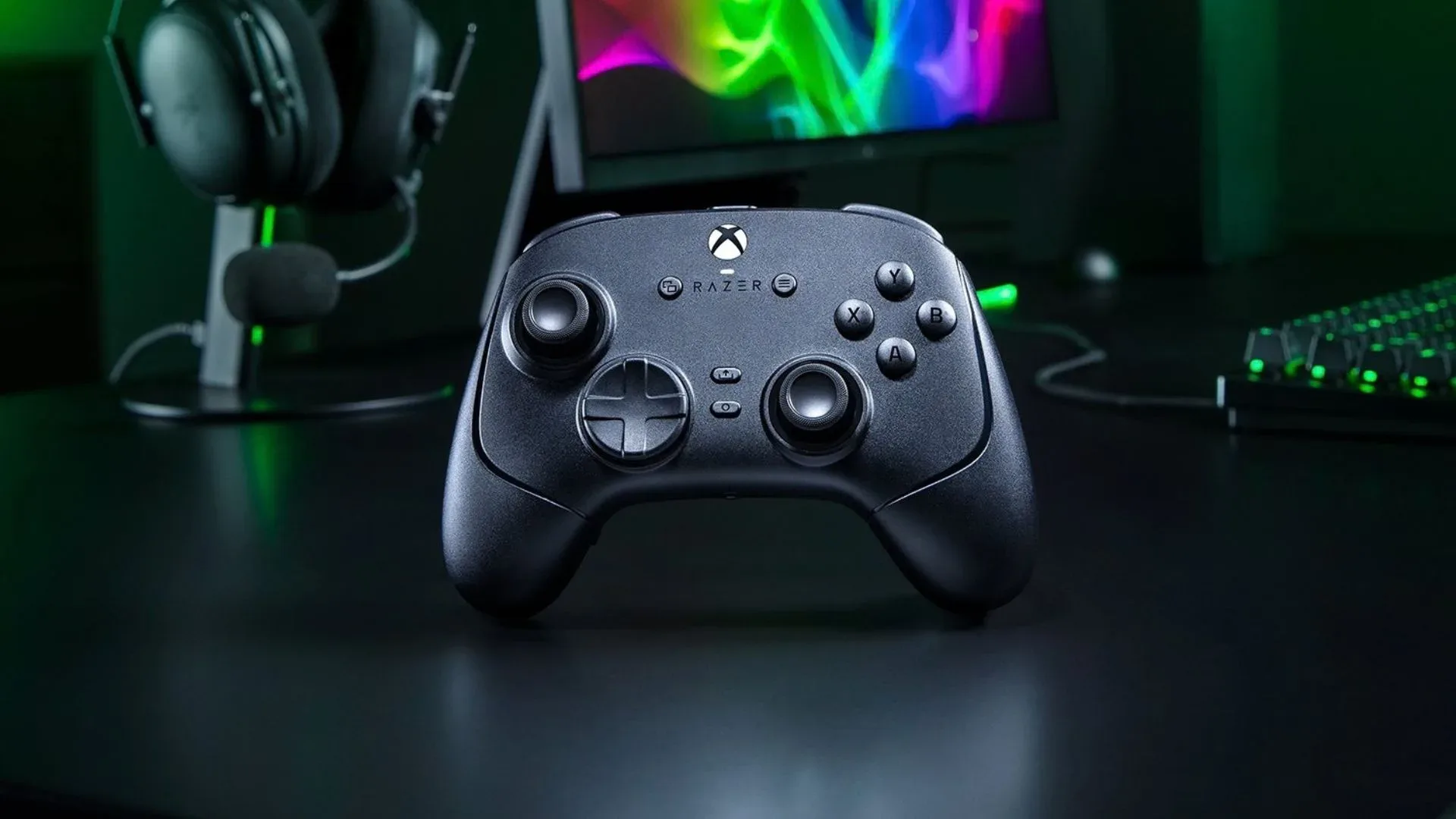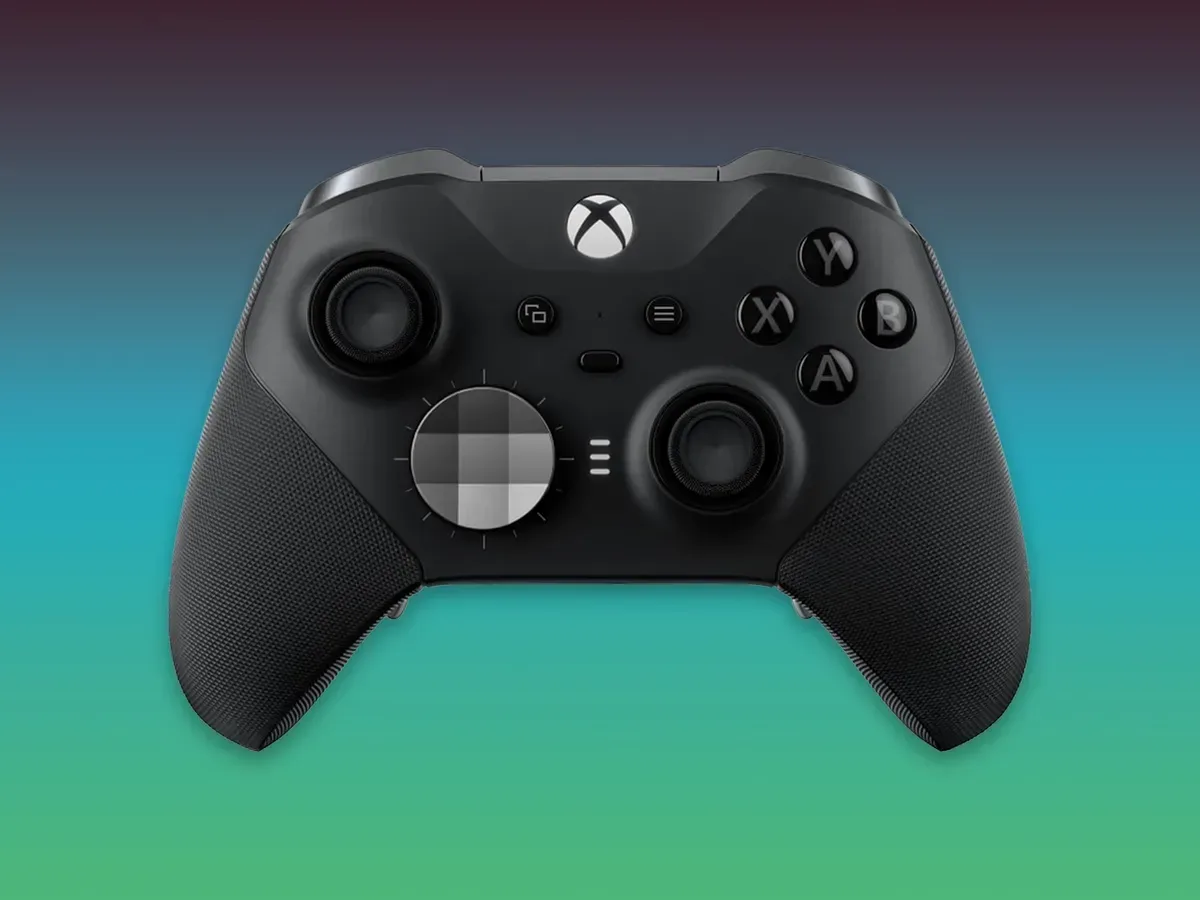
A rumored Xbox Elite Wireless Controller Series 3 may be taking aim at two of the biggest requests in premium gamepads: more advanced stick technology and more ways to tailor the controls to a player’s preferences.
Configuration files reportedly discovered on Spectrum, the platform associated with Xbox Design Lab, referenced a controller with selectable Hall Effect or TMR (tunneling magnetoresistance) sticks, an audio scroll wheel, and more paddle designs. The files were subsequently removed. Microsoft has not confirmed the controller, its features, a release date, or whether any of the reported specifications will make it into a retail product.
That distinction matters. Configuration files can suggest that an accessory is being explored or prepared for, but they are not a guarantee of a final product. Names, options and hardware plans can change before an announcement—if an announcement happens at all. Still, the details attributed to this leak are unusually specific, and they sketch out what a more competitive Elite controller could look like.
What the reported Elite Series 3 options would mean
The headline feature is the claimed choice between Hall Effect and TMR sticks. Both names refer to sensing approaches intended to detect thumbstick movement without relying on the same kind of physical contact associated with conventional stick assemblies.
In simple terms, a traditional controller stick translates physical movement into an electrical reading. Over time, wear, contamination or changes inside that mechanism can affect the center position it reports. Players commonly call an unwanted input from a resting stick stick drift: a character or menu cursor moves even though the player is not touching the stick.
Hall Effect and TMR designs use magnetic sensing. That does not make any individual controller indestructible, and it does not automatically settle questions about feel, calibration, tension or overall build quality. It does, however, explain why these terms have become important in the premium-controller conversation. Buyers spending more than the standard-controller price increasingly expect both customization and a convincing durability story.
The reported ability to choose between the two technologies would be particularly notable. Most controller shoppers encounter a fixed list of features: one model uses a particular stick design, another uses something else. A configuration-level selection, if accurately described and eventually offered, would suggest that Microsoft could be considering different hardware preferences rather than a single all-purpose setup.
There is no supplied technical detail about how that choice would work. It is not known whether it would be a purchase-time option, a Design Lab customization selection, a modular part, or simply an internal configuration reference that never reaches consumers. Until Microsoft provides an official explanation, it is best read as a promising but unverified possibility.
Related coverage includes Xbox Elite Controller Series 3 Leak Points to Hall Effect and TMR Stick Options.
An audio wheel and more paddle designs could target everyday usability
The leak also points to an audio scroll wheel. On a controller, such a control could potentially offer fast volume adjustment without sending players through console menus or asking them to find headset buttons. The specific behavior is unknown: it could be intended for master volume, chat balance, another audio setting, or a combination of functions. No final control layout has been verified.
Even so, the idea fits the Elite line’s broader purpose. Premium controllers are not only about adding inputs. Their appeal also rests on reducing friction—putting useful functions close at hand and making a controller adaptable to different games and player habits.
Additional paddle designs would speak to that same goal. Rear paddles can let players assign face-button or other inputs to fingers that remain on the back of the controller. In practice, that can help players avoid moving a thumb away from a stick during an action-heavy moment. The value is personal rather than universal: some players swear by paddles, while others prefer a simpler grip and fewer accidental presses.
More shapes or designs could matter because comfort is not cosmetic. A paddle that is easy to distinguish by touch, reaches the right finger naturally, and does not interfere with a player’s grip may be more useful than a greater number of inputs. The leak does not identify the precise paddle shapes, attachment method, remapping options or included accessories, so those questions remain open.
Why the Elite line has room to improve
The current Elite Series 2 has qualities that still make the brand recognizable in the high-end controller space, including a long battery life and a substantial weighted feel. But it also faces a market where premium buyers now have more alternatives and more demanding expectations.
The reported Series 3 features land directly on that pressure point. The Series 2’s premium identity was built around customization, but magnetic stick technologies have become an increasingly prominent consideration for shoppers deciding whether a controller’s higher price is justified. If the new model combines a familiar Elite-style feel with revised sticks, expanded paddle options and a practical audio control, it could better address the reasons some players have started looking elsewhere.
Build quality will be just as important as the specification list. A feature-rich controller is not especially persuasive if owners worry about a dropped unit shedding removable components or about inputs failing over time. The supplied reporting raises durability concerns around the existing Series 2, including thumbstick-click problems and detachable elements coming loose after drops. Those are individual experiences, not proof that every unit fails in the same way, but they highlight why any successor will be judged on more than its marketing bullets.
For Microsoft, the challenge is straightforward: preserve what players already like about the Elite format while demonstrating that the expensive controller can keep pace with newer rivals in both technology and resilience.
Price could decide whether the rumored upgrade lands
The other major question is cost. The Series 2 was still listed at roughly $167 at the time described in the reporting. That is a substantial purchase for an accessory, especially when other high-end PC and Xbox controller options were cited at $99 for the Steam Controller and $129 for the Asus ROG Raikiri II.
Those figures do not establish what a Series 3 would cost, and they should not be treated as a prediction. They do show the pricing environment a new Elite controller would enter. Every added component, alternate stick option and customization route may strengthen the product pitch, but it also invites buyers to ask a basic question: what do they receive that a less expensive controller does not provide?
Microsoft’s strongest answer would likely require a balanced package rather than one flashy addition. Buyers may want stick technology that addresses long-term concerns, rear controls that feel genuinely useful, audio adjustments that are quick and intuitive, sturdy construction, and the battery performance and hand feel that helped define the existing Elite. A price increase would make that complete package even more important.
What has leaked before—and what remains unconfirmed
This is not the first alleged appearance of an Elite Series 3. Images said to show a prototype surfaced in August, though they reportedly revealed little about its functions. The newer configuration-file claim is more meaningful because it names potential features rather than merely presenting hardware imagery.
But neither reported prototype pictures nor removed configuration references equal an official product reveal. The following details remain unconfirmed:
- Whether Xbox Elite Wireless Controller Series 3 is the final name.
- Whether Microsoft will release the controller at all.
- Whether Hall Effect and TMR will both be offered, and how users would choose between them.
- What the audio scroll wheel will control.
- How many paddle designs may be available and whether they will be sold separately.
- Its compatibility, battery specifications, materials, price and launch timing.
That uncertainty is worth keeping in view, particularly for anyone considering a controller purchase now. A leak can be useful as an early signal of where a product category is headed, but it is not a buying guide or a promise. No one should delay a needed purchase solely on the assumption that a rumored device will arrive with every feature listed.
For Xbox hardware watchers, though, the report is still interesting because it identifies the areas where a next-generation Elite controller would need to compete: stick design, customization, convenience and confidence in long-term use. It also arrives while broader Xbox strategy remains under scrutiny; Xbox’s claimed growth amid continuing uncertainty has put added attention on how the company positions its products and services.
For now, the alleged Elite Series 3 is exactly that: alleged. Hall Effect and TMR choices, an audio wheel and expanded paddles would be meaningful improvements if they are real and if they arrive in a durable, sensibly priced package. Until an official unveiling provides the missing details, the most sensible reading is cautious optimism—not a completed controller reveal.