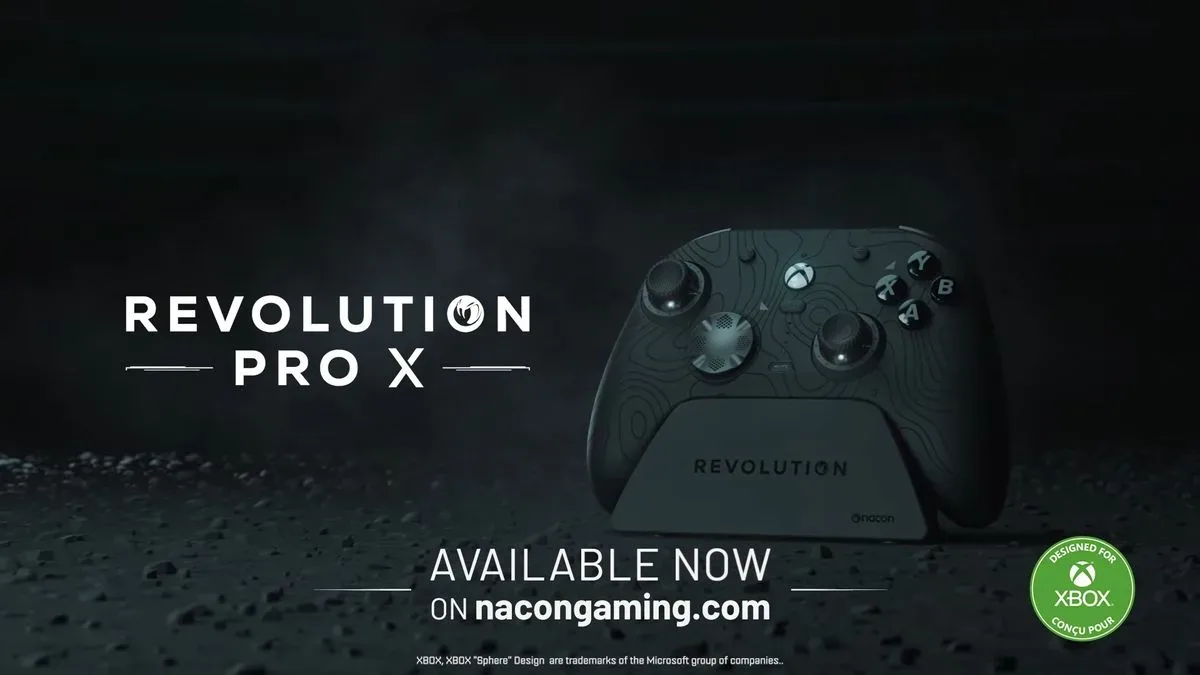
Nacon is positioning the Revolution Pro X Special Edition as a less punishing route into its higher-end controller design. The wireless gamepad is listed at $109.99/£109.99, well below the $199.99/£199.99 Revolution X Unlimited, while retaining several enthusiast-minded features: Xbox and PC compatibility, a charging stand, two rear buttons, Hall Effect thumbsticks, adjustable stick tension and micro-switch face controls.
It also arrives wearing the visual language of Hell is Us, the third-person action-adventure published by Nacon in 2025. Rather than covering the shell in a large logo, the Special Edition uses patterning associated with the game’s world of Hadea. It is a relatively restrained crossover design: recognisable to players familiar with the game, but still a controller first rather than a billboard that happens to have thumbsticks.
That makes the product notable for two reasons. It is a branded peripheral built around one of Nacon’s own games, and it is aimed squarely at the crowded middle ground between standard console controllers and far more expensive competitive models. The important question is not whether a controller can wear game art—plenty can—but whether its feature set makes practical sense at this price.
A name shoppers should double-check
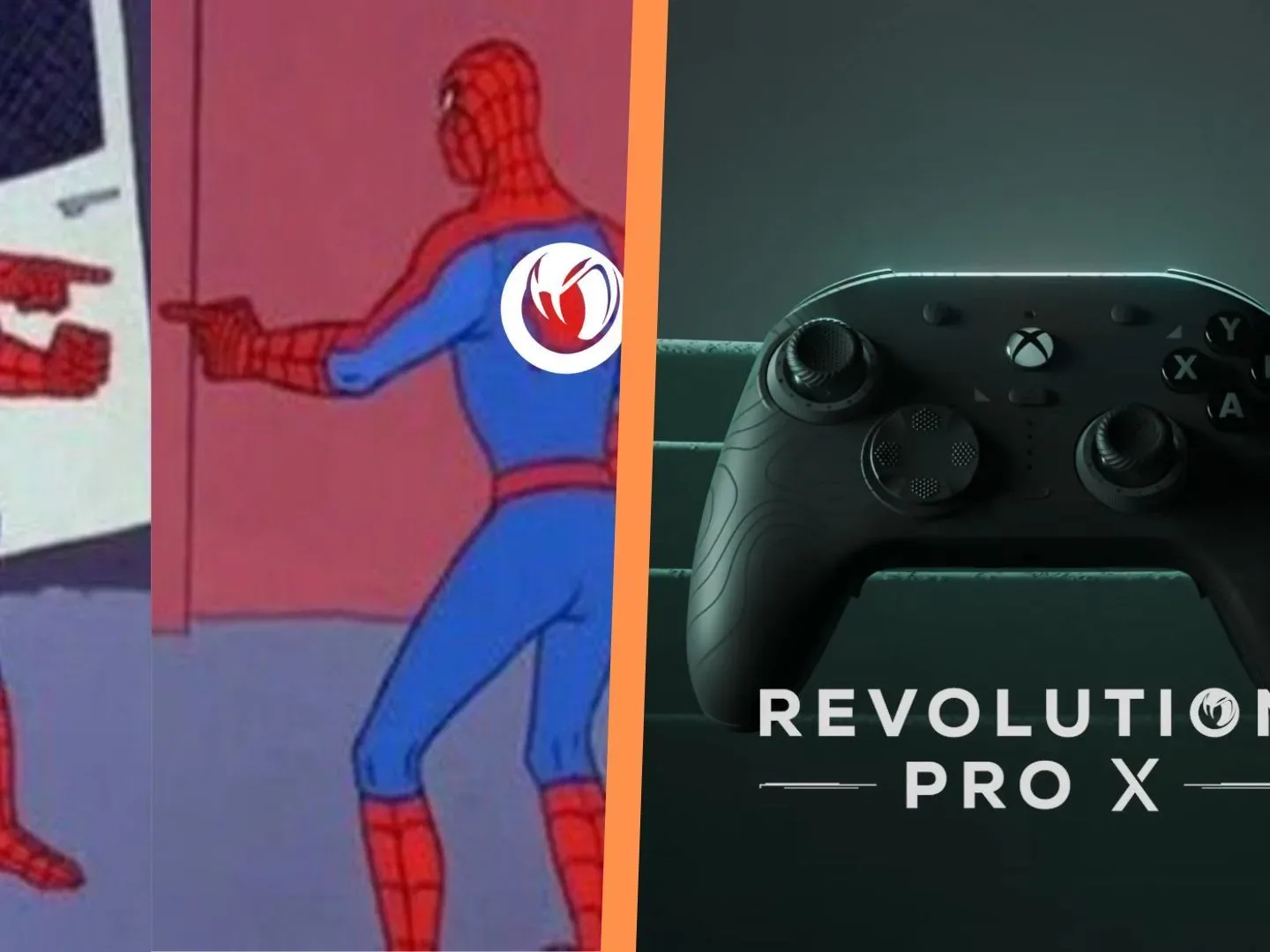
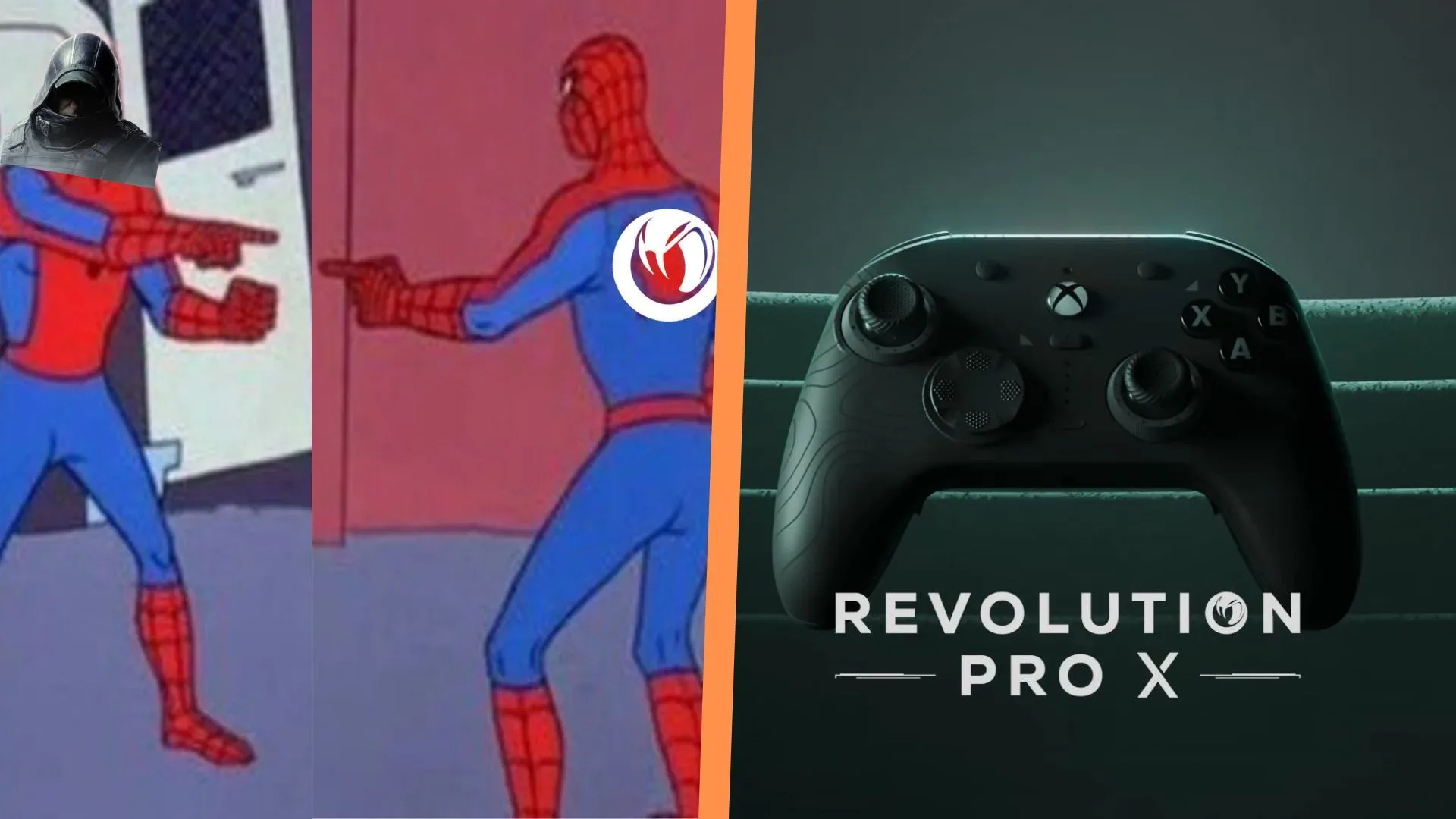
The naming is unfortunately easy to muddle. This is the Revolution Pro X, sometimes styled as the Revolution Pro X – SE, and it replaces an older Xbox controller called the Revolution X Pro. Those words contain exactly the same ingredients in a slightly different order, which is the sort of situation that turns a casual controller search into an accidental archaeology dig.
Anyone comparing listings should therefore confirm the full product name and Special Edition branding, rather than relying on “Revolution,” “Pro,” and “X” alone. At the time described, it appeared to be available only through Nacon’s own storefront. A future non-Hell is Us finish has not been confirmed, despite the Special Edition label.
The feature list: what it means in use
On paper, the Revolution Pro X’s main pitch is not a single headline component. It is the combination of several control technologies normally used to justify pricier gamepads.
Hall Effect thumbsticks
Hall Effect describes a sensing approach that uses magnetic fields to detect stick movement. In broad terms, the stick’s position is measured without the same style of physical contact used by conventional potentiometer-based designs. For buyers, the appeal is durability and stable input over long-term use, though the presence of Hall Effect sensors alone cannot guarantee how any individual controller will feel or age. Stick shape, centering, firmware, dead-zone settings and mechanical assembly still matter.
Nacon has chosen Hall Effect sticks here rather than TMR sticks. TMR, short for tunneling magnetoresistance, is another magnetic sensing technology that is increasingly appearing in controller marketing. The omission does not negate the value of Hall Effect; it simply means shoppers specifically seeking TMR should recognise that the Revolution Pro X is not offering that particular component.
Related coverage includes Nacon's Revolution Pro X Special Edition Brings Hell is Us Style to Xbox and PC.
Adjustable stick tension
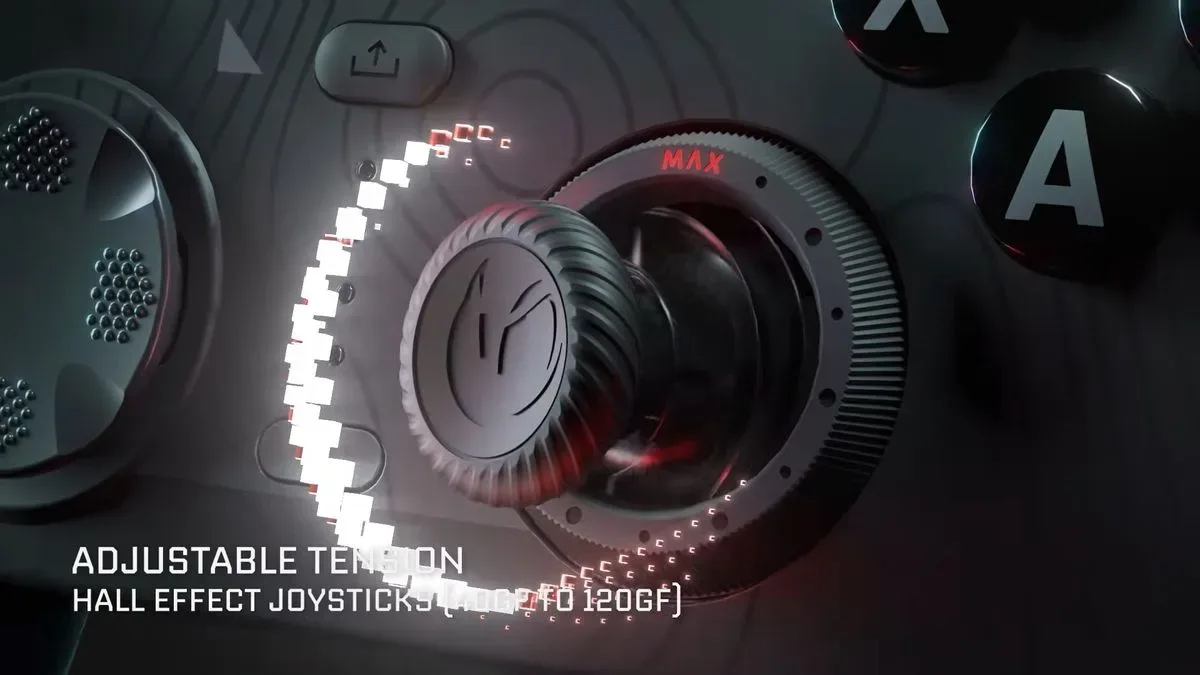
The more distinctive feature is the ability to alter mechanical joystick tension by turning the stick gates. Tension is the resistance a player feels while pushing a thumbstick away from centre. Higher tension can make the stick feel firmer and may suit players who want more deliberate resistance. Lower tension can make movement feel lighter and faster.
This is a mechanical adjustment, not merely a sensitivity setting in software. That distinction matters. Software sensitivity changes how the game interprets the movement; tension changes the physical effort required to make the movement in the first place. Players moving between genres may have different preferences: a firmer feel may appeal for careful aiming, while a looser feel may better suit rapid directional inputs. There is no universal “best” setting, which is precisely why user-adjustable tension is useful.
Nacon describes the Revolution Pro X as the first wireless Xbox controller to bring this adjustment to the market. That claim needs a little caution: 8BitDo’s Ultimate 3 Lavender Dusk is also identified as having an adjustable-tension feature. The safer takeaway is that adjustable tension is still uncommon enough to be a meaningful differentiator, rather than treating it as an uncontested first.
Micro-switch buttons
The controller also uses micro-switch buttons. A micro-switch is a compact switching mechanism designed to actuate with a short, crisp press. In controller terms, the expected character is a light, clicky response rather than a softer, more muted button feel. That tactile feedback is subjective—some players love hearing and feeling exactly when a press registers, while others prefer quieter controls—but it can make a pad feel more immediate.
Nacon says the technology is intended to let players tailor controls to their own style. That claim is most convincing as a combination of physical options: adjustable tension changes stick resistance, Hall Effect sensing concerns stick detection, and micro-switches alter button actuation feel. They solve different parts of the input experience.
“With the REVOLUTION PRO X – SE, we wanted to offer a full-featured precision controller at a competitive price,” said Yannick Allaert, Nacon’s Director of the Accessories Division.
Wireless play and a stand matter at this price
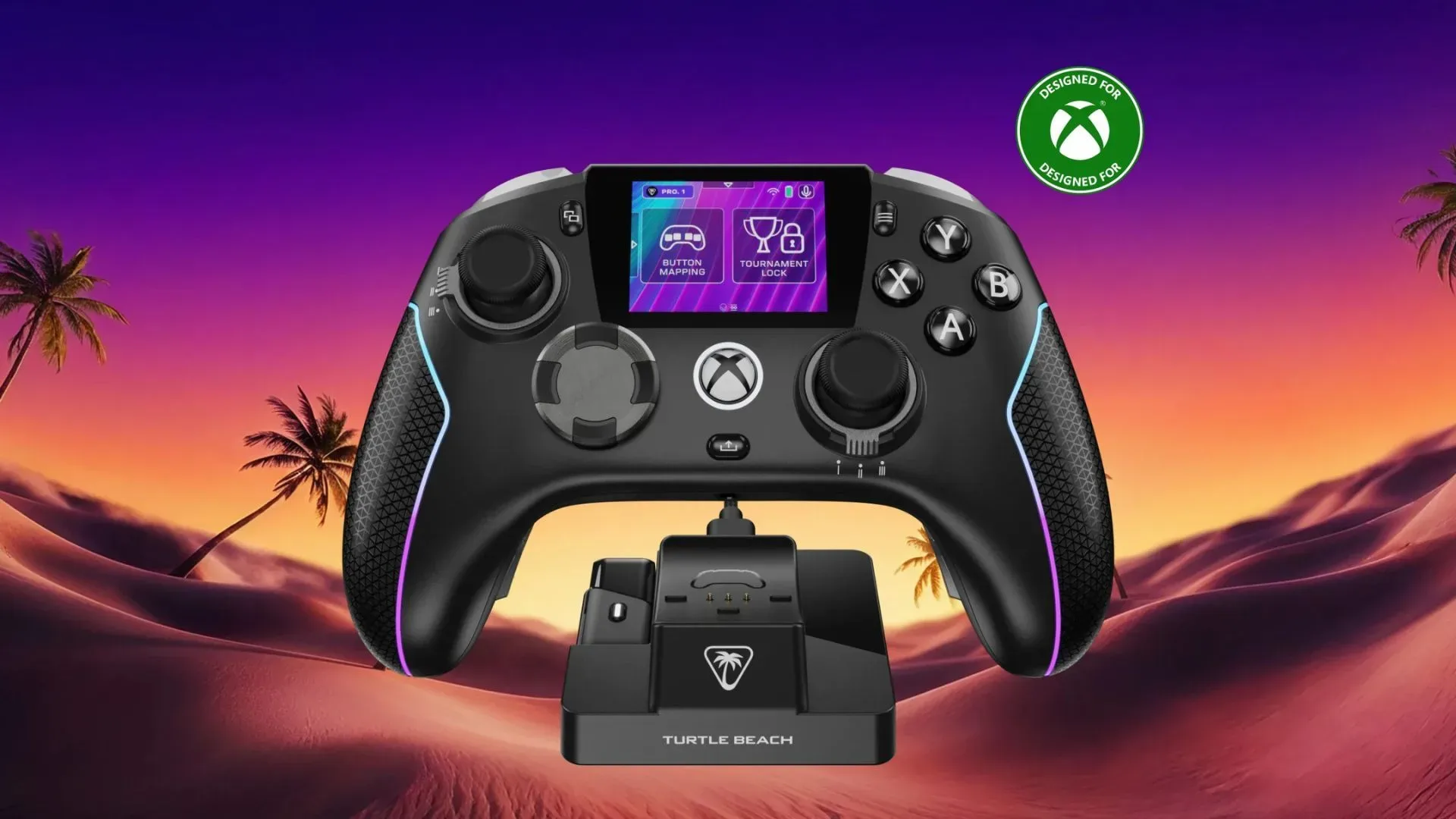
Specifications can become a game of counting buttons, but the Revolution Pro X’s more pragmatic selling points may be wireless connectivity and the included charging stand. A stand provides a fixed place to put the controller when it is not in use and, in this case, helps make recharging part of the routine rather than a search for the right cable at the end of a session.
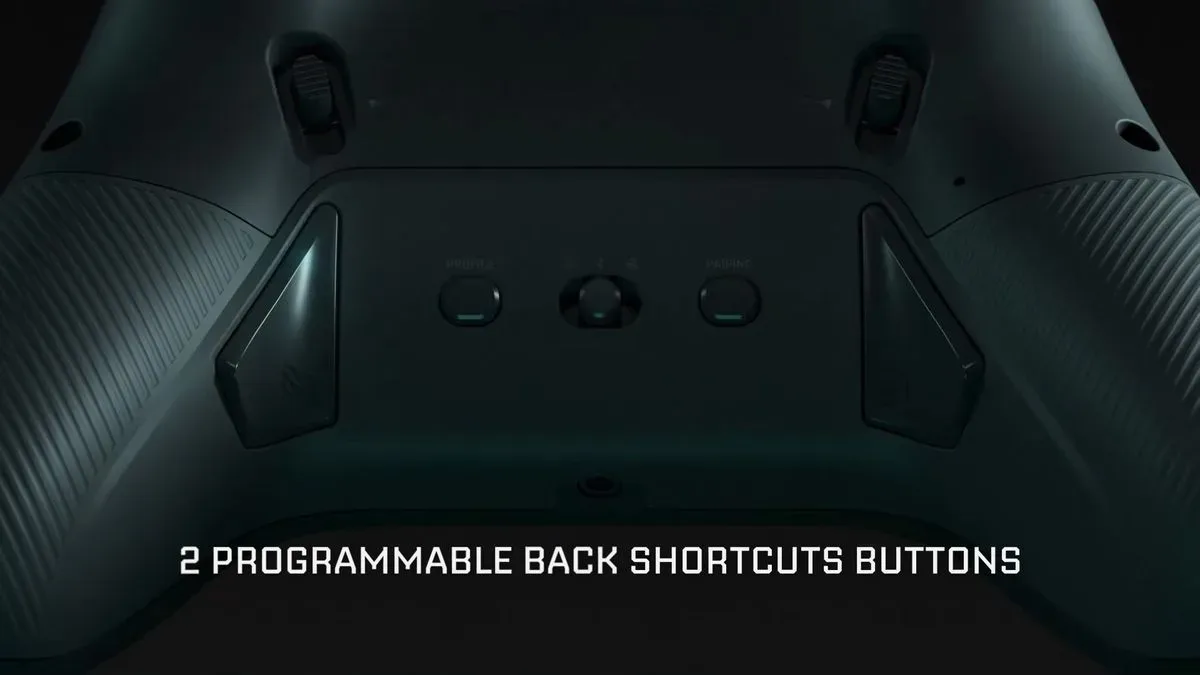
It has two back buttons, giving players extra inputs without shifting their thumbs away from the sticks. That is useful for people who assign frequently used actions to rear controls, although it is worth noting that some competing controllers offer more rear inputs. More buttons are not automatically better: an extra control is only valuable when it is easy to reach, does not create accidental presses and suits the games someone actually plays.
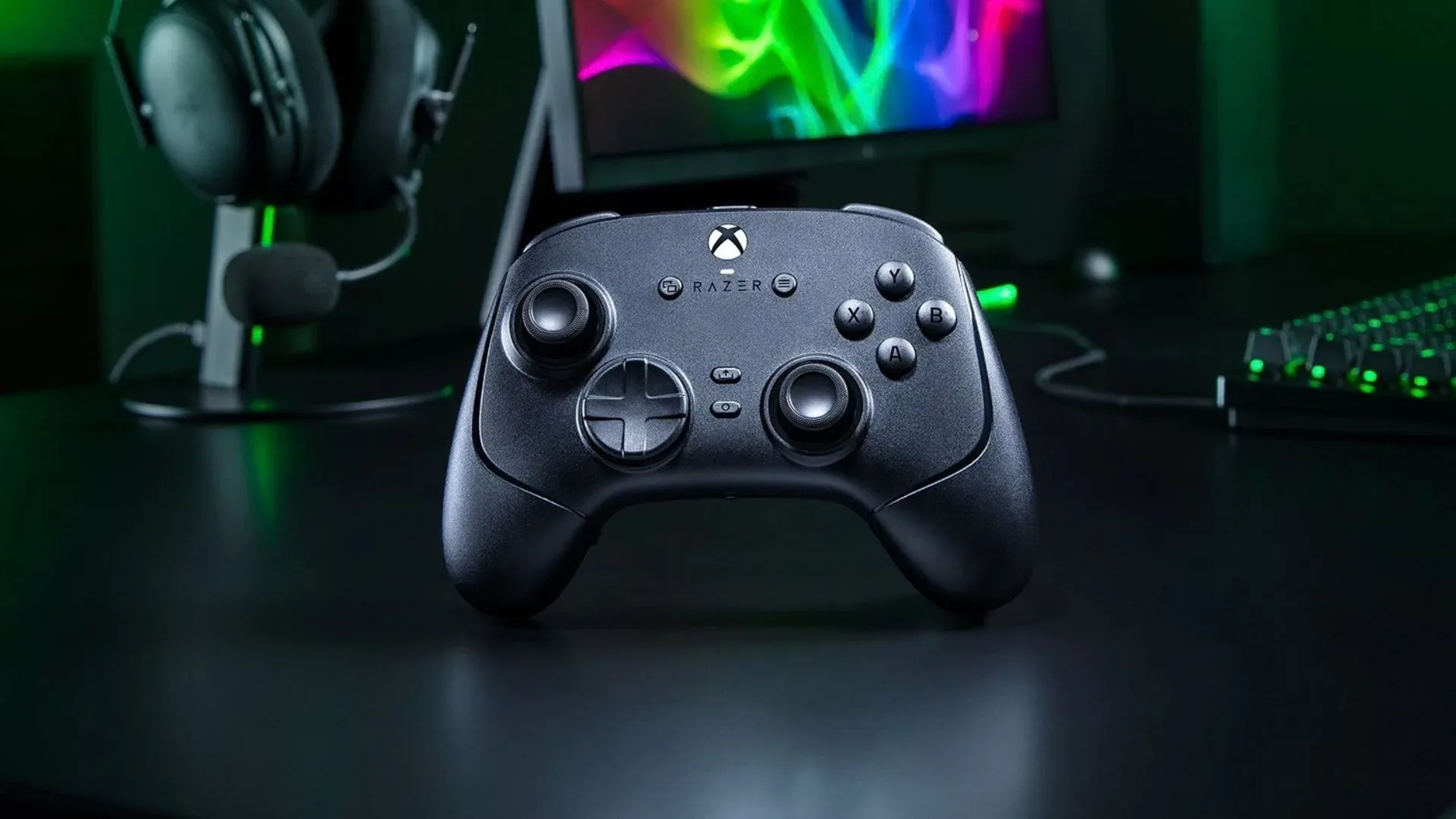
In the $100 area of the Xbox controller market, the trade-offs are clear. The Razer Wolverine V3 Pro TE and Scuf Valor Pro Wired are both cited at $100, and both have more buttons. The Nacon instead leans into wireless play, its charging stand and its particular physical-control features. Buyers deciding among them should avoid treating a button tally as the sole measure of value. Wired versus wireless use, charging convenience, rear-button needs and preferred stick feel are more consequential day to day.
Why the Hell is Us treatment is a sensible fit
Hardware tie-ins are often loud by design: big logos, character art and colour combinations intended to announce their allegiance from the next room. The Revolution Pro X Special Edition takes a less literal route. Its Hell is Us-inspired patterning points to the game without requiring the player to hold a piece of promotional packaging every time they sit down.
That aesthetic restraint may also give the controller more life beyond the promotional moment. Game-specific art can be enjoyable precisely because it is particular, but it can also date quickly if its only visual idea is a release logo. A more abstract environmental pattern is likelier to work for someone who likes the game and for someone who simply prefers the look.
There is a broader publishing angle, too. Nacon is using an accessory to extend the identity of a game it published, linking hardware and software rather than treating the controller as a wholly separate catalogue item. That kind of focus on a game’s individual identity sits alongside a wider industry conversation around how projects are positioned; for a separate example of that discussion, see reporting on a reported solo-first direction for Beyond Good & Evil 2.
Who should put it on the shortlist?
The Revolution Pro X Special Edition makes the strongest case for Xbox or PC players who want a wireless controller with more tunability than a basic pad, but who do not want to cross the $200 threshold. The charging stand is a quality-of-life inclusion, Hall Effect sticks will draw buyers wary of conventional stick designs, and adjustable tension gives the hardware a genuinely personal setting rather than a cosmetic toggle.
Conversely, players whose priority is the largest possible set of additional inputs may prefer a controller with more back buttons. Those specifically shopping for TMR stick hardware will need to look elsewhere as well. And players should not assume that “Special Edition” confirms a broader colour range; only the Hell is Us-inspired model is established here.
At $109.99/£109.99, Nacon’s proposition is fairly clear. It is not trying to be the cheapest Xbox-compatible controller, nor is it asking buyers to pay premium-flagship money. It is offering a wireless, visually distinctive middle-tier pad whose most interesting idea is letting players physically tune the resistance of its sticks. For a category too often reduced to colourways and ever-larger price tags, that is a more useful kind of special edition.