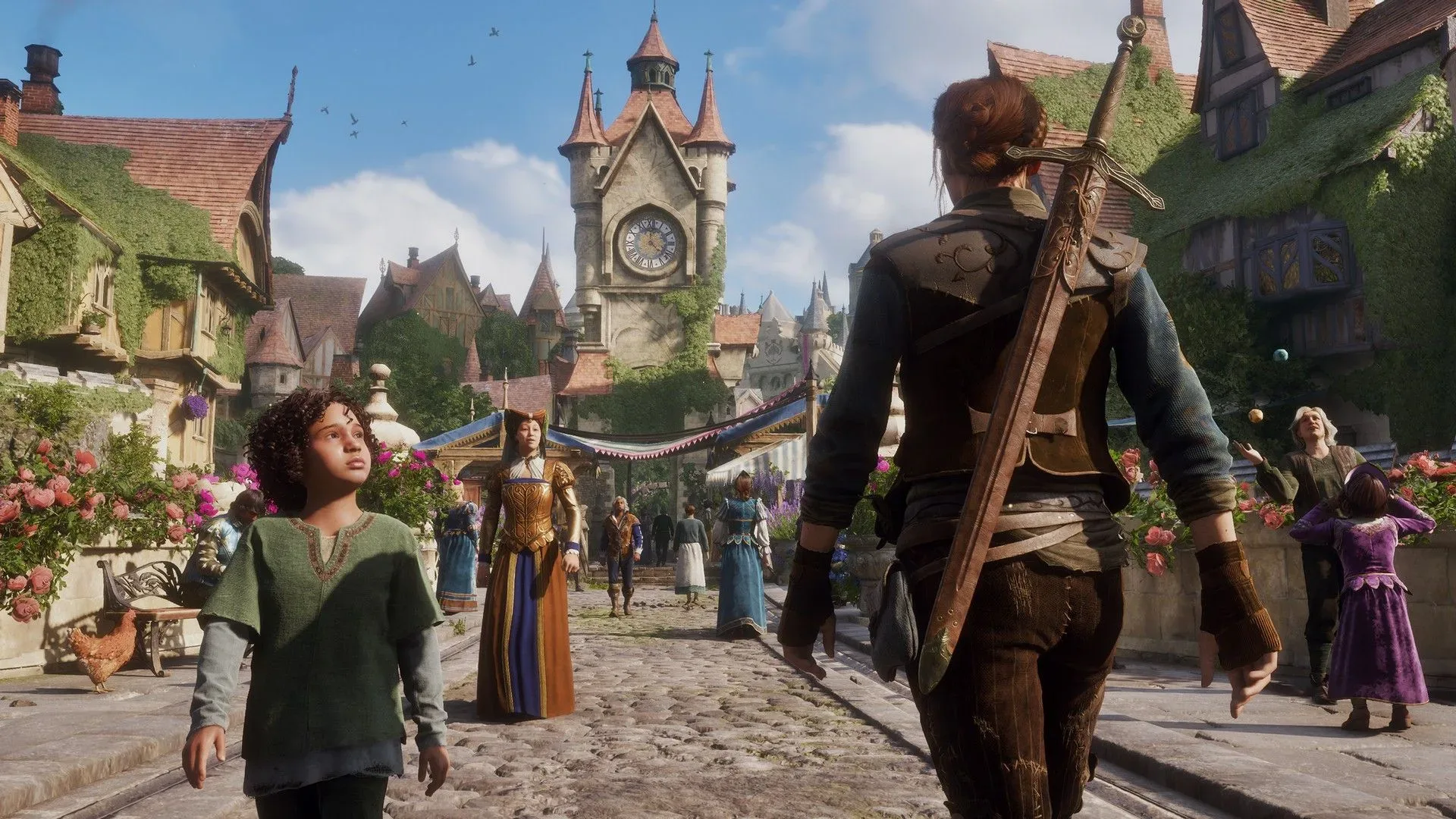
Albion has always had room for heroics, nonsense, bad decisions and the occasional chicken-related indignity. The next Fable is also preparing to give players something arguably more dangerous than a sword or a spellbook: an economic system detailed enough to turn a wandering adventurer into the local landlord everyone complains about.
Playground Games’ upcoming RPG is scheduled for February 23, 2027, on PC, PlayStation 5 and Xbox Series X. Its world will let players buy and run a range of businesses, and the financial side appears to be more than a background income timer. Staffing choices, worker traits, wages and the player character’s standing in the community can all interact. In other words, a bakery is not merely a place to collect coins while out fighting monsters. It can become a small social experiment where every pay decision has a chance to make money, create resentment, or somehow accomplish both.
That is a promising fit for Fable. The series has long treated moral choice with a deliberately theatrical sense of cause and effect. This version aims to make the consequences feel less like a single saint-to-scoundrel meter and more like a messy account of what the people around a player have actually experienced.
Property ownership comes with management problems
Players can reportedly put money into tailors, bookshops, barber shops, pubs, tattoo parlors and bakeries, alongside farms and homes. The appeal is obvious: acquire property, improve its returns, and use the profits to fund the rest of an adventure. But the design described by game director Ralph Fulton suggests that each enterprise will ask players to consider who is employed there and how they are treated.
Pay is one of the major variables. Raising wages can make an employee happier and potentially improve their performance, which could lift a business’s yield. It is not presented as an automatic equation, however. A larger paycheck may simply cut into the owner’s proceeds without producing enough benefit to compensate. Lower wages can bring an immediate financial advantage, but can also make an employee think their boss is greedy and may hurt their work.
The key word is may. Rather than presenting a simple “good choice equals good outcome” structure, the system is built around choices with imperfect information. Players are working a collection of levers: compensation, hiring, the type of business, and the combination of personalities inside it. That uncertainty is important because it gives a player a reason to pay attention to individual NPCs rather than treating every shop as the same passive investment.
It also creates the possibility that someone attempting to become Albion’s most ruthless business baron may discover that the humane option is occasionally the more profitable one. Or that it is not. The game’s version of capitalism seems prepared to be inconveniently complicated, as capitalism so often is when it includes actual people.
The trait hunt may make farms a financial powerhouse
NPC traits are expected to have direct effects on a business. The standout example is the hard-working trait, which is said to increase profits by 20 percent on its own. Another useful trait is helpful. These bonuses can be combined, making recruitment a practical part of optimizing an operation rather than simply choosing the closest available resident.
Related coverage includes Fable's Economy Lets Players Build Fortunes, Shape Lives, and Become Albion's Worst Boss.
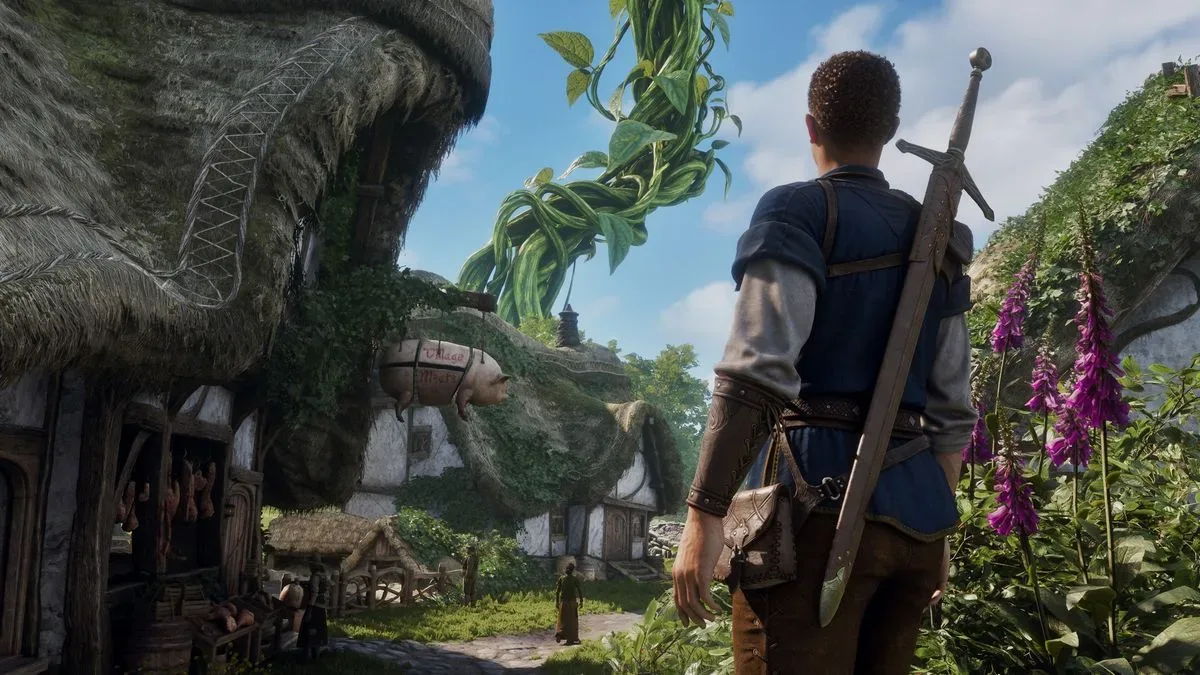
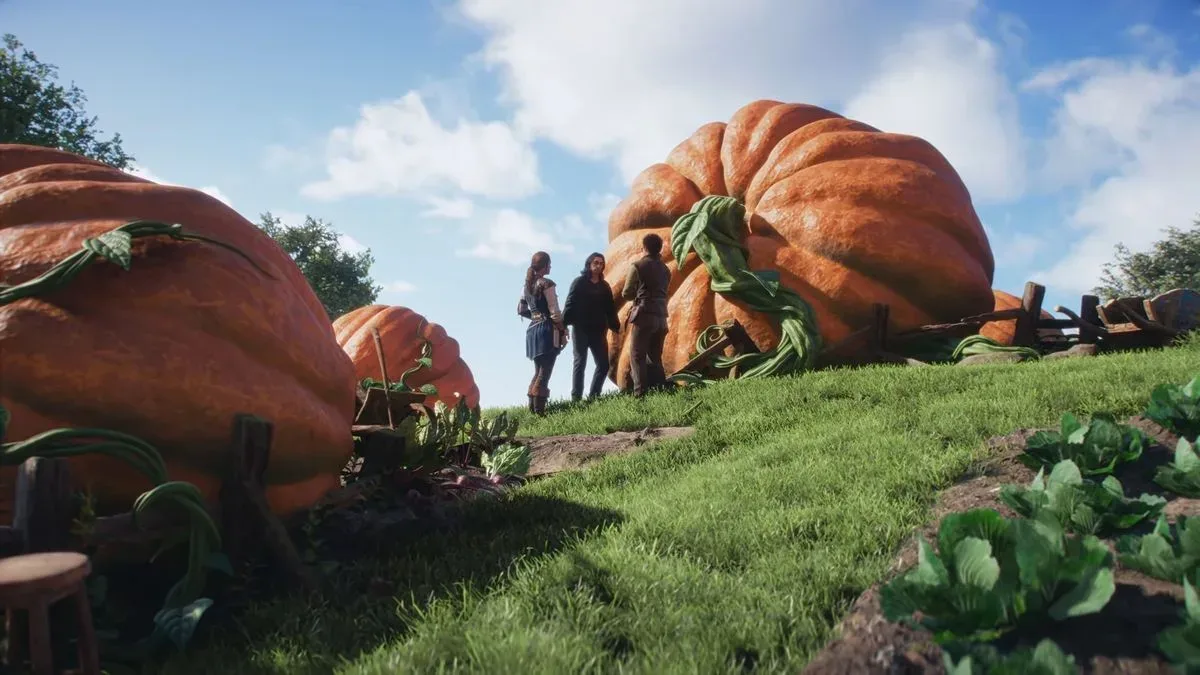
Farming looks particularly attractive for aspiring property magnates. Farms can support six workers, allowing multiple favorable traits to stack in the same business. Filling all six roles with hard-working NPCs could therefore generate a substantial return. It is the kind of strategy that sounds less like opening a charming fantasy farm and more like assembling an extremely specific roster for a management sim.
There is a useful caveat for anyone already mapping out a six-worker agricultural empire: the game is still months from launch, and systems can change before release. Still, the stated design provides a clear snapshot of what the team is trying to support. A player who wants to focus on property can seek out workers whose characteristics serve that goal, while somebody else might accept less efficient operations in favor of role-playing a generous local owner, a chaotic entrepreneur, or a person who bought a tattoo parlor purely because the sign looked nice.
The prospect of distinct ventures also helps Albion feel like more than a string of quest locations. A pub, a bakery and a farm should not ask for precisely the same approach if their employee capacity and the people operating them differ. The systems may make a property portfolio feel personal, even when the personal story is that its owner became extremely wealthy through aggressive farm staffing.
Why individually authored NPCs matter
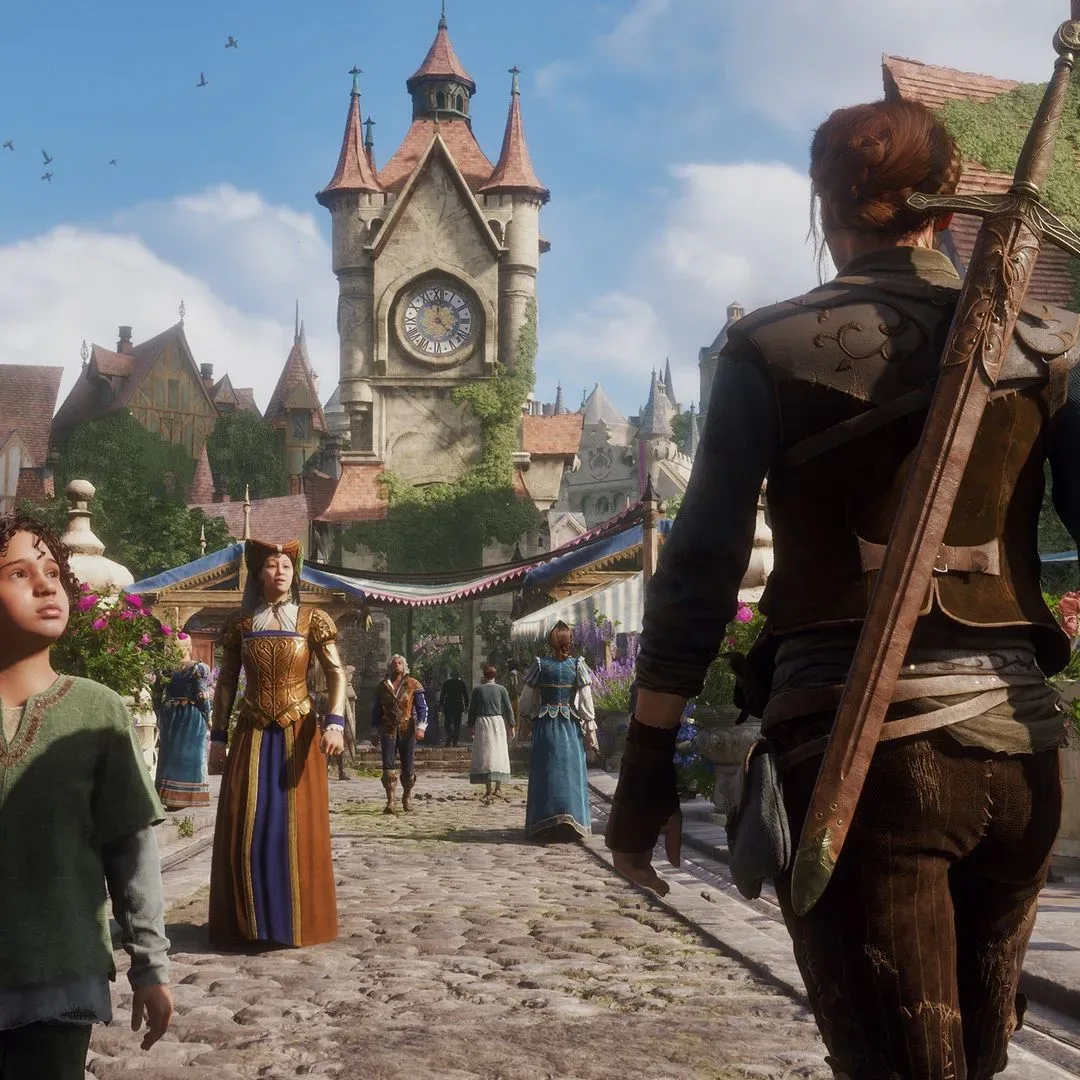
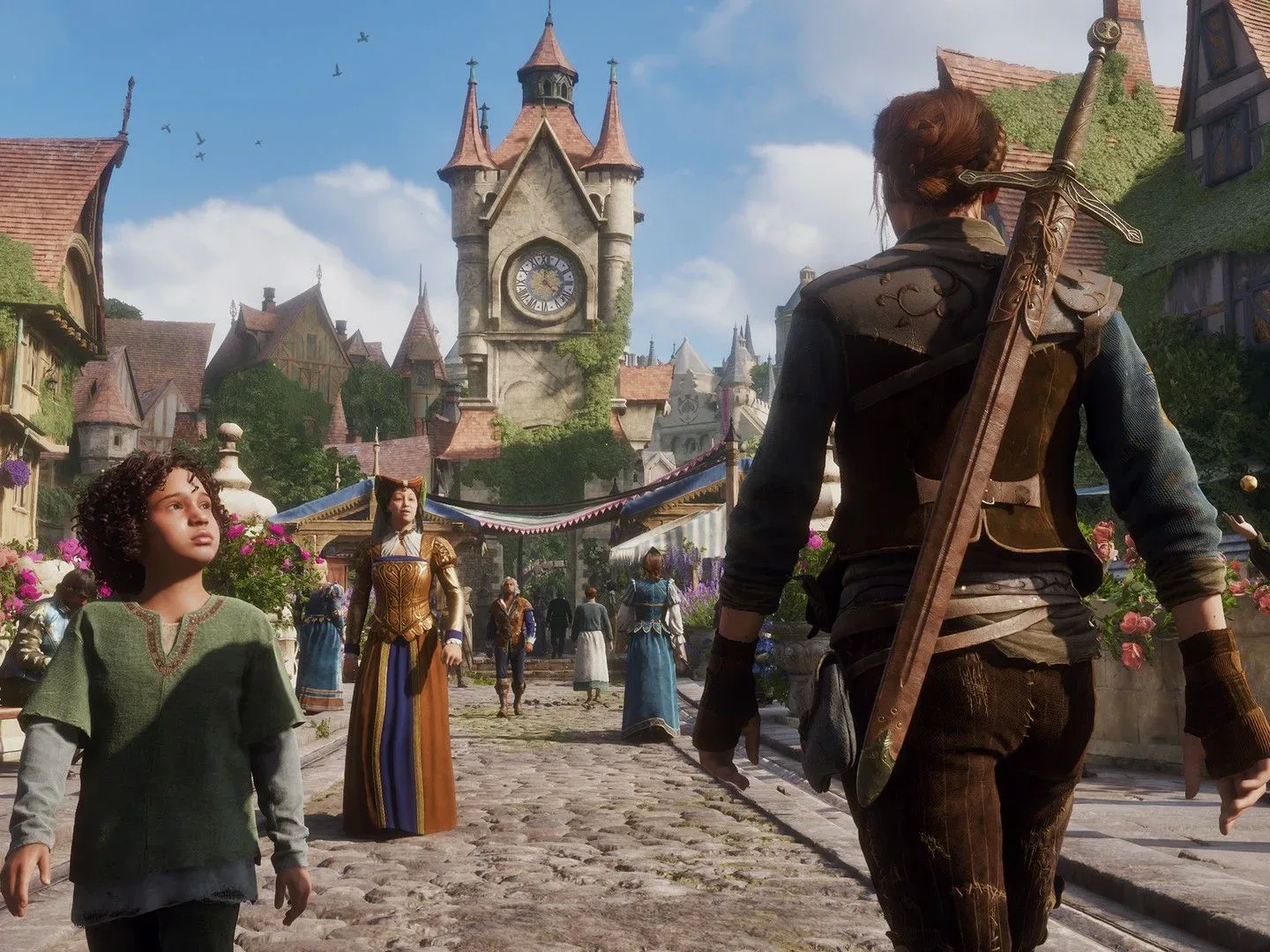
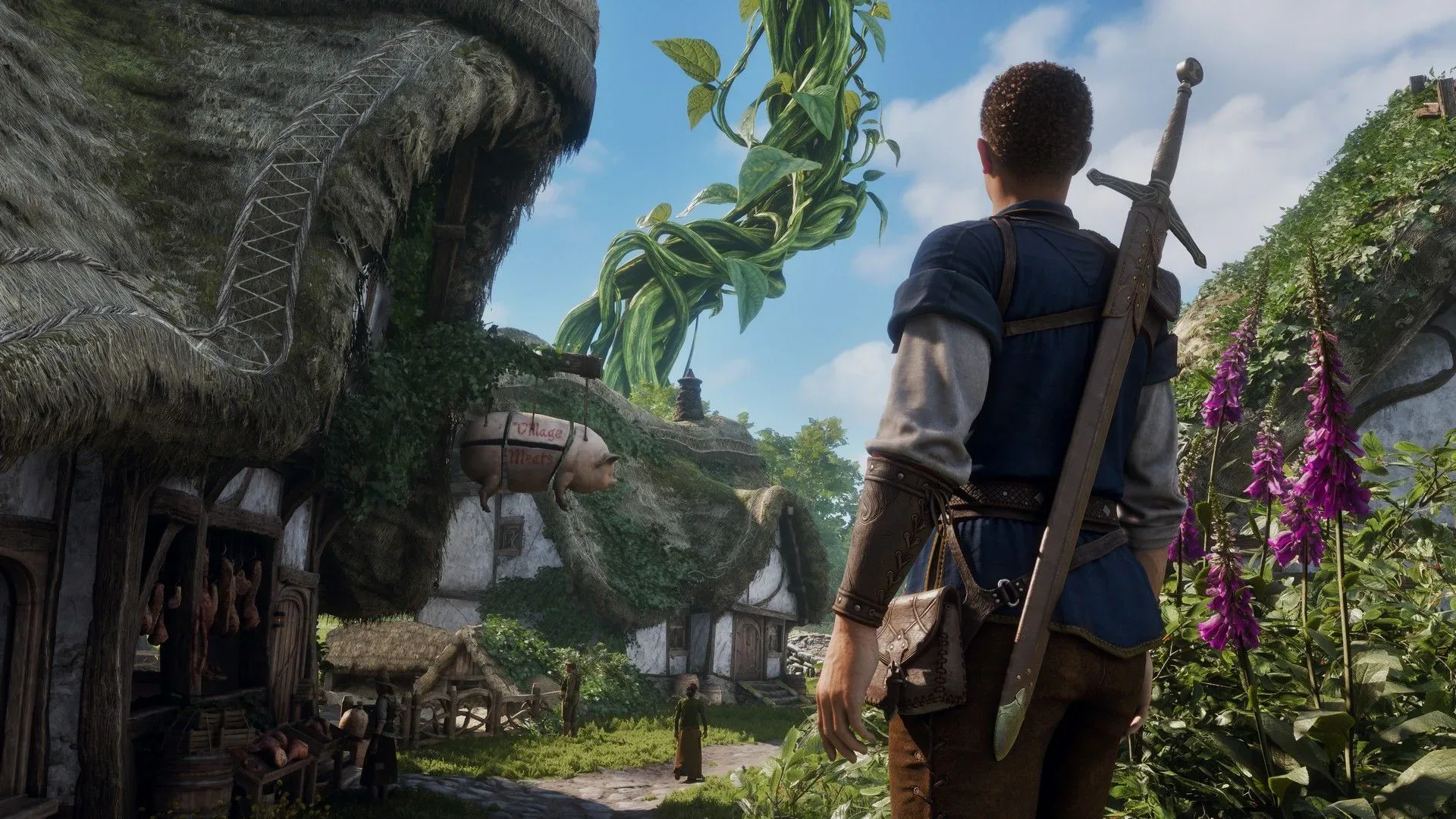
That approach depends on NPCs being more than interchangeable statistical containers. Fulton says the development team individually selected the defining details for every NPC rather than relying on a tool that generates residents at random. Bowerstone alone contains 400 NPCs, each designed with routines, personalities, preferences and dislikes.
A random generator would have saved significant production time, but it could create combinations that fail to read naturally. The examples are easy to understand: a hairdresser whose appearance clashes oddly with their profession, a weaponsmith committed to pacifism, or a butcher who is vegan. Any one of these could be funny in the right context, but a whole town built from such collisions would weaken the feeling that its citizens belong in the world.
Hand-picking traits, occupations and presentation is a demanding route, especially across an entire version of Albion. Yet it supports the economic idea. Staffing matters more when employees have recognizable identities and when players can observe the logic behind why one person suits a role better than another. It also supports the broader social simulation, where residents have schedules instead of standing in one location forever, waiting patiently for the Hero to remember they exist.
The domestic side follows the same principle. A spouse and child will have routines of their own and move through town to carry out errands, rather than remaining at home until the player returns. Fulton described an earlier playtest bug in which an in-game spouse could teleport about at strange times to hand out birthday gifts. That issue has been fixed so birthday wishes happen in the morning rather than arriving as nocturnal teleportation surprises. It is a small anecdote, but it illustrates the technical strain created when many NPCs are intended to live independently.
Reputation is designed to hold contradictions
The consequences of ownership are not limited to a profit screen. Underpaying workers can spread a reputation for stinginess through a settlement. The game represents the player’s reputation with descriptive words displayed in a cloud beside the character, and those descriptions can conflict with one another.
A character could be charming while also being miserly. The system can apparently accommodate an even more dramatic contradiction: someone can be known for kindness and generosity in certain circumstances while also having killed people. That is a more expressive model than a single morality slider, because real behavior often does not fit a clean binary. A player can make generous donations, speak beautifully at public events, run a cruelly parsimonious bakery, and commit crimes elsewhere. Albion may remember all of it.
That makes the business mechanics consequential in a way that goes beyond maximizing gold. Increasing profit through poor treatment of employees may change how a town reads the Hero. Conversely, a player may decide that a damaged reputation is part of the character they want to create. The point is not that one path is correct; it is that economic behavior becomes another tool for shaping a story.
For those who do accumulate a heroic mountain of money, Manor Fields on the edge of Bowerstone will offer grand homes, including estates with hedge mazes. Others may choose a simpler house and family life. Either aspiration can exist alongside quests, combat and the series’ familiar brand of fantasy absurdity.
Fable is positioning the mundane details of earning and spending as part of the adventure, not a distraction from it. A farm can be a route to wealth. A wage cut can become a reputational stain. A carefully chosen employee can alter the performance of an entire business. For more PC-focused game discovery while waiting for Albion’s return, see our latest indie game roundup.
There is still time for the specifics to evolve before February 2027. But the framework is clear: the next Hero may save Albion, marry, fight, acquire a mansion and become extremely rich. They may also become the region’s most charmingly despised employer along the way.