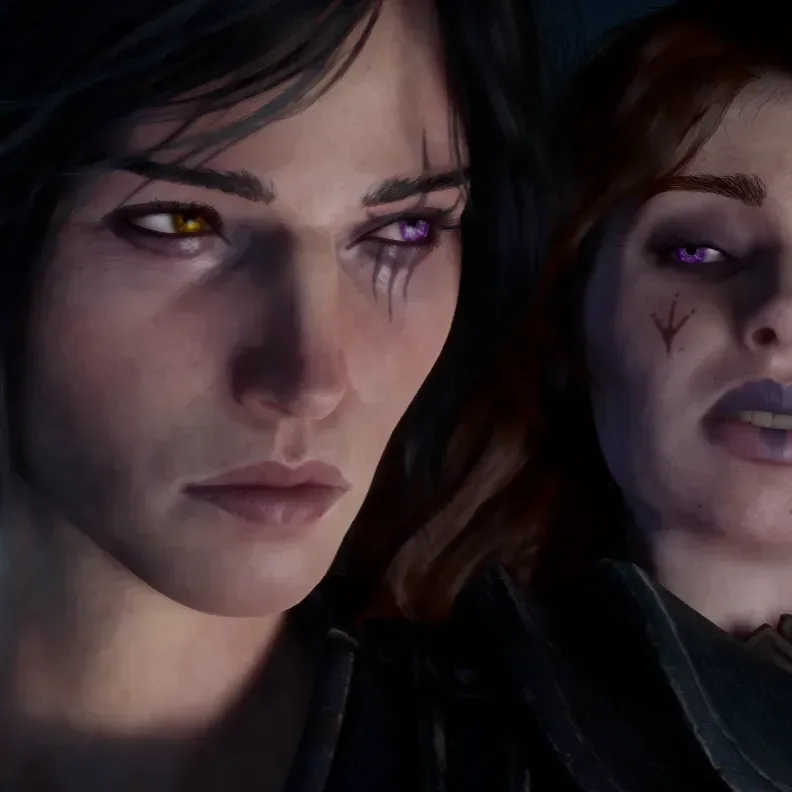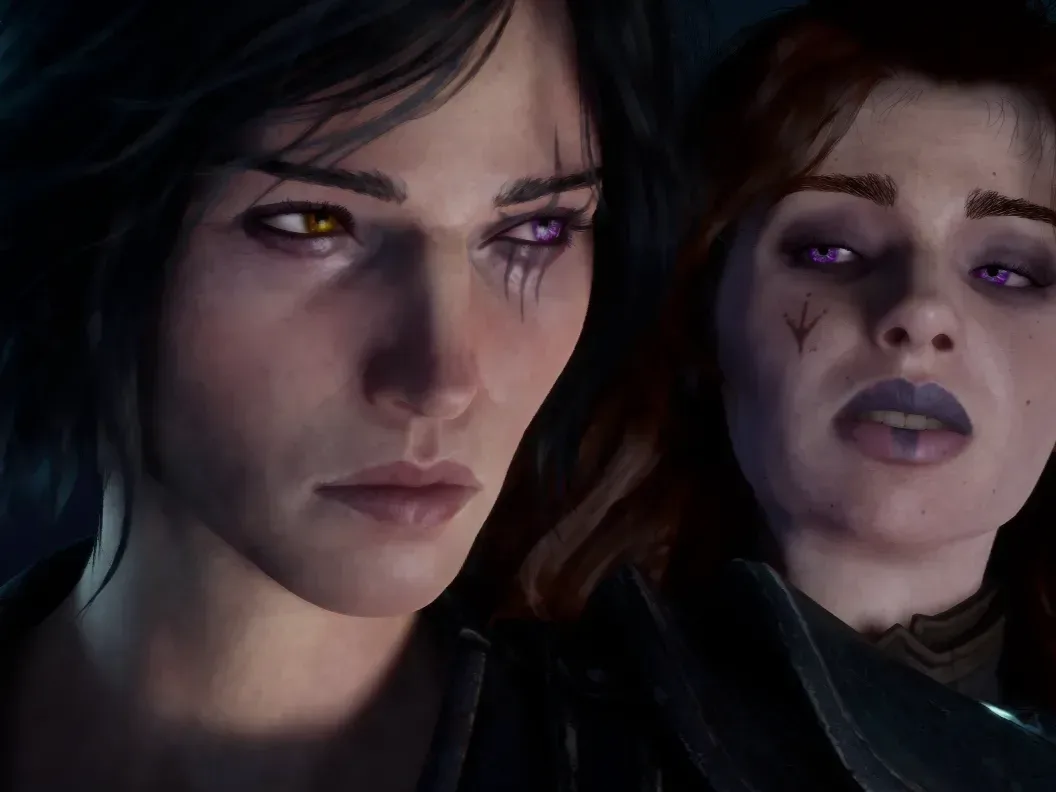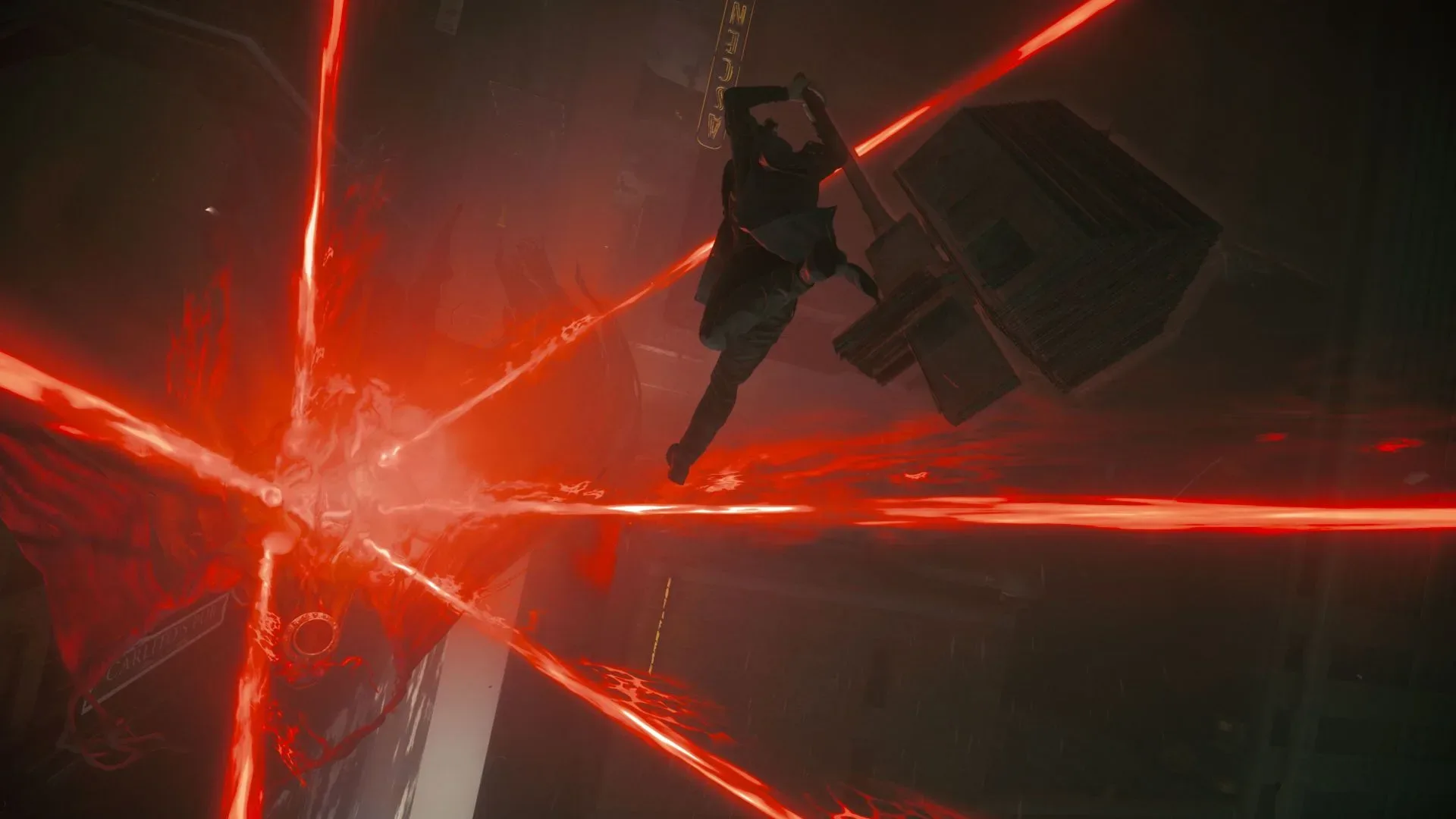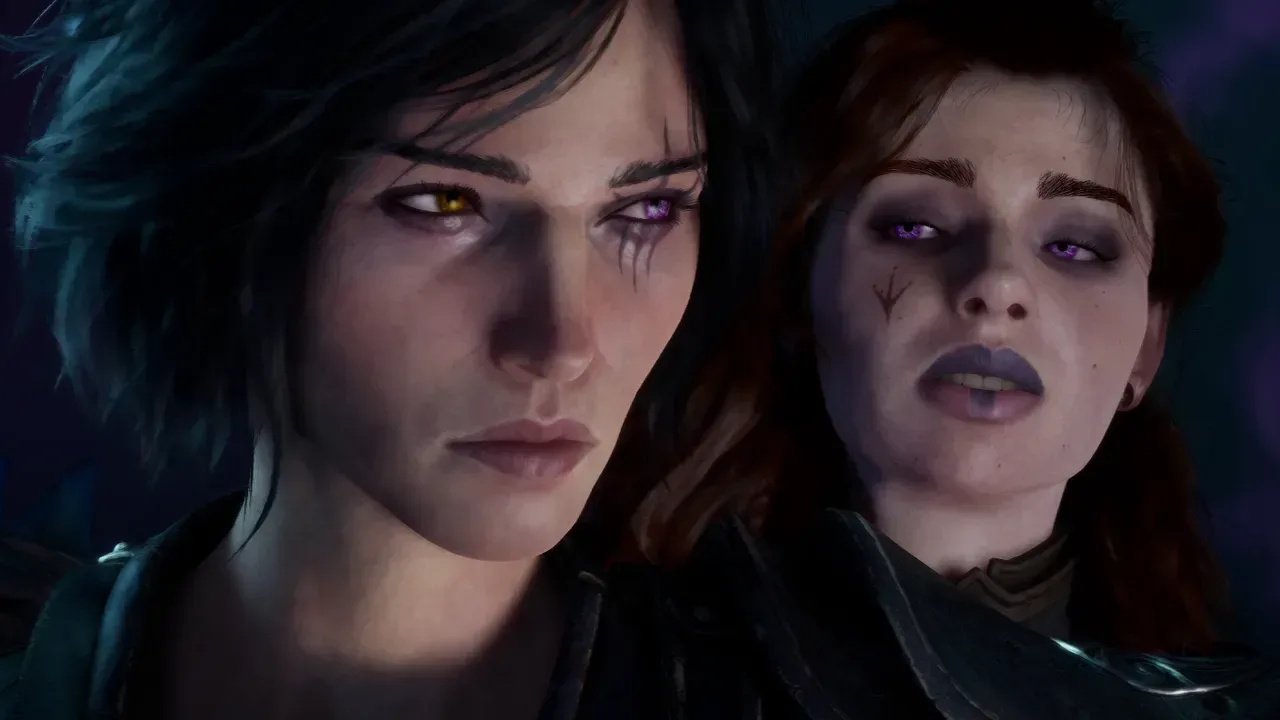
Warlock: Dungeons & Dragons is taking a deliberate step away from one of the most familiar pieces of open-world interface design: the waypoint. Invoke Studios’ single-player action-adventure will not use the usual quest markers that point directly from one objective to the next. Instead, players will be expected to explore, talk with non-player characters, collect information and decide for themselves where a lead may be taking them.
The game does include a compass at the top of the screen, though it can be disabled. That distinction matters. A compass can provide basic orientation, while a waypoint typically turns an objective into a precise destination. Warlock’s approach appears intended to preserve the former convenience without making the latter the default answer to every question.
Invoke Studios general manager Dominic Guay described the decision at gamescom 2026 as an effort to ensure discoveries feel earned by player action. The studio wants players to engage with the world and work things out rather than place unquestioning trust in a marker on the HUD.
A rejection of the “follow the icon” loop
A HUD, or heads-up display, is the persistent gameplay information layered over the screen: health, maps, compasses, objective text and, often, quest icons. Waypoints are a particularly powerful HUD tool because they reduce ambiguity. In many games, a player can accept a task, turn toward the highlighted direction and let the interface handle the navigation.
That can be useful. Clear directions make it easier to resume a game after time away, prevent a large world from becoming frustrating, and help players spend more time on combat or story. But it also changes what exploration means. If an icon always identifies the fastest route and the exact relevant building, players have little mechanical reason to read the environment, remember names, interrogate a suspicious detail in dialogue or take an unplanned path.
Guay said the team has experience with the more directive model through prior work on open-world games including the Watch Dogs series. In Warlock, the concern is that routine reliance on a waypoint can gradually blunt curiosity and player agency.
Player agency is the sense that a player’s choices, observations and methods meaningfully shape what they do. It does not require unlimited freedom or a different ending for every decision. In this case, it means arriving at an answer because the player investigated a situation, not because a UI element supplied a route.
Warlock’s design philosophy is consequently less about pretending navigation tools do not exist and more about choosing what part of the experience the player must perform. The player may have a compass as an aid, but the game’s mysteries are not designed to be reduced to an on-screen breadcrumb trail.
Related coverage includes Warlock: Dungeons & Dragons Is Built Around Exploration, Not Waypoints.
The Mystery system is built around leads, not a single start point
The clearest expression of that philosophy is Warlock’s Mystery system. Mysteries can be triggered through particular player actions, usually in settlements. Rather than directing the player to a formal starting point with a quest marker, the game expects them to uncover the situation by exploring, speaking to NPCs and assembling information.
That structure has more than one possible entry point. A player might learn something troubling inside a settlement, then pursue it from there. Another might encounter a clue elsewhere first, arrive knowing that something is amiss, and approach the same location with a different frame of reference.
Guay indicated that these routes can affect how a player interacts with the Mystery. That is an important distinction from merely hiding an initial marker. If players can find the same content from different directions and those discoveries change their understanding or approach, exploration becomes part of the scenario rather than a short delay before it begins.
“Some [Mysteries] are a little bit more straightforward, some are a little bit more deep and requires more engagement and exploration,” Guay said.
The stated mix is sensible on its face. Not every optional thread needs to become a long investigation, and a world that makes every task cryptic risks replacing curiosity with fatigue. Straightforward Mysteries can give players readable local problems, while deeper ones can reward careful conversations and broader exploration. The practical question for players will be how consistently the game communicates enough information to support deduction without silently expecting a solution no reasonable person could infer.
Why multiple entry points are harder to make
Multi-entry quests sound simple in outline: let players hear one rumor at a tavern, spot a detail on the road, or discover evidence in another place. They are much more demanding to build than a linear chain.
Each entry point must make sense on its own. Dialogue needs to account for what the player already knows. The world must avoid acting as if an undiscovered event is entirely new when the player arrived with prior evidence. And the task must still provide enough direction after an unconventional discovery. Guay acknowledged that this approach is more difficult for the development team, while saying it is a challenge the studio welcomes.
For players, the potential upside is a stronger connection between observation and consequence. Finding a lead before walking into town is not only a different route on a map; it can make the settlement feel different because the player arrives alert to a possible problem. The same place can carry a different tension depending on what was discovered beforehand.
This is also where Warlock’s setting and format matter. It is described as an open-world action-adventure with emergent gameplay tied to a unique magic system. Emergent gameplay refers to situations that arise through the interaction of game systems rather than only through a rigid, pre-scripted sequence. The available information does not specify exactly how the magic system works, so it would be premature to assume particular spells or solutions. Still, a mystery structure with several ways in can fit naturally with a game aiming to let players create or encounter situations less predictably.
Exploration needs readable clues, not just fewer icons
Removing waypoints alone does not automatically create satisfying exploration. At its best, a low-guidance structure needs other forms of communication: clear dialogue, memorable landmarks, environmental details, logical connections between clues and a world built to reward attention. Otherwise, the burden simply moves from a map icon to trial and error.
The available details suggest that conversations with NPCs and information gathering are central to Warlock’s alternative. That places real weight on settlements. They are not just locations to pass through on the way to an objective; they are potential sources of rumors, context and triggers for Mysteries.
Players interested in this style should expect a different pace. Listening carefully may be as valuable as immediately pursuing the next fight. Revisiting a place after learning something elsewhere may be useful. Turning off the compass, while optional, could further intensify the sense of navigating by landmarks and memory—but it could also remove a convenience some players value. The important point is that the compass remains a choice, whereas conventional story-section markers are not part of the plan described by Invoke.
- Waypoint: a map or HUD indicator that usually identifies an objective and directs the player to it.
- Compass: an orientation aid, generally showing direction rather than necessarily revealing an exact destination.
- Quest marker: an icon used to signal a task, relevant character, location or point where a quest begins.
- Multiple entry points: different actions or discoveries that can initiate or feed into the same piece of content.
- Agency: the player’s feeling that their own choices and observations drive progress.
Warlock enters a wider debate over guidance
The discussion arrives while players are actively debating how much guidance modern games should provide. Marvel’s Wolverine, a PlayStation 5 exclusive, has drawn criticism over its visible depiction of Logan’s scent trail, used for tracking characters, enemies and collectibles. Some players have called for the option to disable it.
That tracking device and Warlock’s absent waypoints should not be treated as identical design problems. Marvel’s Wolverine is a linear action-adventure with combat in constrained areas, while Warlock is an open-world game built around exploration and emergent gameplay. Wolverine’s scent trail is also not a traditional quest-marker system. Even so, both discussions concern the same fundamental trade-off: whether a game should foreground the route to an answer or let players bear more responsibility for finding it.
There is no universal correct setting. A guided trail can support pacing and accessibility; a more opaque world can create ownership over discovery. The strongest outcome is usually not a binary between “hand-holding” and “no help,” but whether the game’s tools match its structure and whether players can make meaningful choices about them.
Warlock’s announced direction is unusually clear. Its developers are not simply hiding markers for the sake of obscurity. They are building Mysteries around information, settlements and alternate approaches because they want the act of finding something to be part of the payoff. Whether that lands will depend on the quality of the clues and the responsiveness of those multiple paths, but the intent is unmistakable: the world is supposed to be investigated, not merely navigated.
For another perspective on how game mechanics can preserve a character’s core identity while changing player expectations, see this analysis of Support Sombra and the risk of losing the saboteur identity that made her matter.