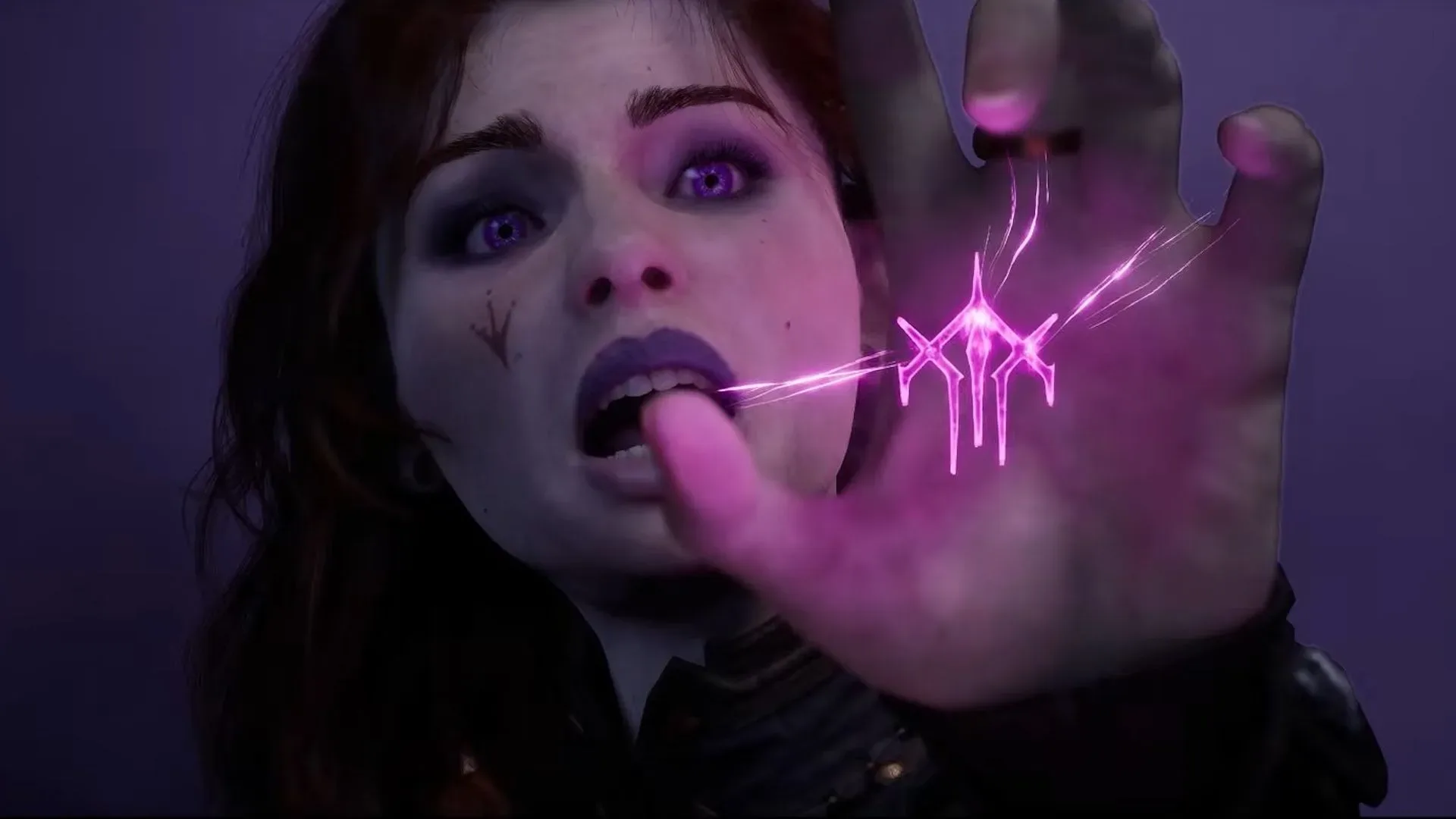
There is a familiar fear at the heart of almost every action game with a big bag of magical tricks: what happens when players find the one spell that makes every other option feel pointless? Warlock, the open-world action-adventure from Invoke Studios, is approaching that concern from the opposite direction. Its team’s stated starting point is not caution, but excess—make the magic feel outrageously strong first, establish why it is fun, and only then work out how to restrain it.
That philosophy comes from Invoke Studios head Dominic Guay, who described an internal tendency to flag ideas as too powerful. The corrective, he said, was to let an ability be overpowered at the prototype stage before balancing it. It is a useful distinction. In this approach, balance is not supposed to mean shaving down every dramatic possibility until combat becomes safe and predictable. It means preserving a spell’s exciting purpose while ensuring the player must still make choices about when, where and how to use it.
Warlock is framed as a Dungeons & Dragons game, but its apparent focus is very different from the party-based, turn-driven rhythm many players may associate with the tabletop game and with Baldur’s Gate 3. The available description points to immediate, real-time action: melee attacks can flow into several spells, and players are meant to make decisions in the moment rather than pause over a conventional spell list.
Powerful magic is not the same as consequence-free magic
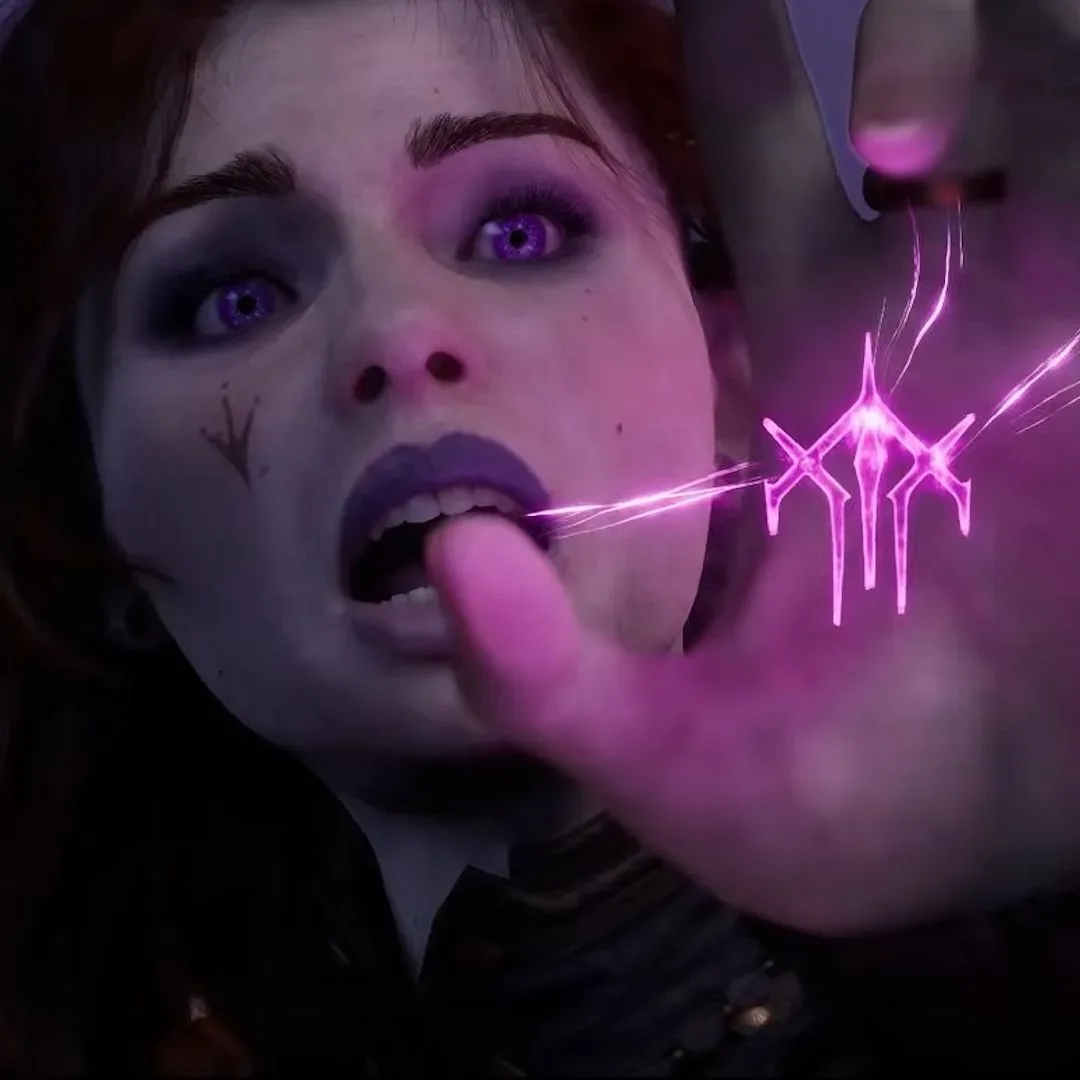
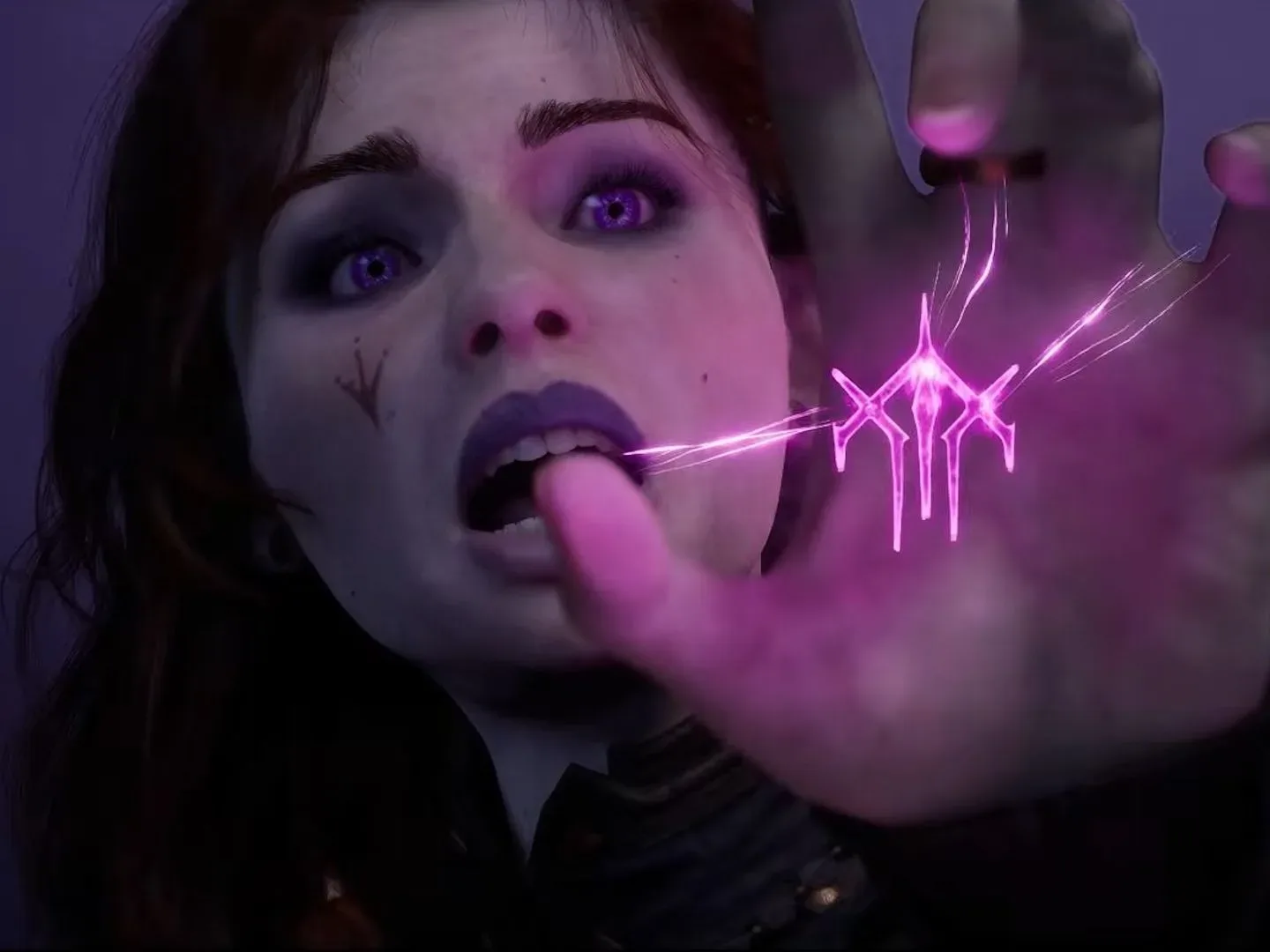
The clearest example so far is Black Tentacles. Used on an ogre’s weapon, the spell can pin that weapon to the ground. That leaves the enemy unable to use it and opens a window for the player to attack. On paper, disarming a large foe sounds like precisely the sort of crowd-control tool that can trivialize a fight. But the detail that makes the idea more interesting is the target-specific response: cast Black Tentacles directly on the ogre and it escapes more quickly.
For more context, explore Europe Watches Paramount-Warner Bros. Deal With Cautious Hope for Cinema, TV and Production.
That is a small example, but it says a great deal about the kind of balance Warlock appears to be pursuing. The spell is not simply assigned a universal power level. Its effectiveness changes with what the player chooses to affect. Tethering the weapon is more disruptive than restraining the creature itself, at least in this example, because a weapon may be easier to hold in place than a living opponent able to struggle free.
In design terms, this is contextual balance. Rather than asking only whether an ability deals too much damage or lasts too long, developers can consider the relationship between the spell, the target and the environment. The ideal outcome is that players retain the pleasure of doing something clever and forceful while enemies and circumstances supply the limits. A solution feels less like a nerf when the game acknowledges why it works in one situation and why it is less effective in another.
It also creates room for expressive play. A player who notices an ogre’s weapon can identify it as part of the encounter, not just scenery. That matters in an open-world action-adventure promising spells that interact with objects as well as enemies. The compelling part is not merely that magic can stop an ogre; it is that the player may be encouraged to ask what, specifically, should be stopped.
Related coverage includes Warlock Embraces Overpowered Magic as the Starting Point for Its Spell System.
From a spell list to controller combinations
Warlock will not apparently ask players to select every spell from a static menu during the action. Instead, different controller button combinations bring out different spells. Guay’s description of chaining melee attacks into “spell, spell, spell” suggests a combat system built around inputs and timing, with the intention that players can react while fighting.
That is an important technical and practical choice. A button combination is an input pattern—such as presses, holds or paired inputs—that tells the game which action to perform. It can make a large moveset available without covering a controller in separate dedicated buttons. The tradeoff is learnability. Players need to build muscle memory, meaning they can perform an input reliably without stopping to consciously recall it.
Guay has acknowledged that need for onboarding. New spells will arrive during the journey, and the player character’s process of learning to become a warlock is intended to mirror the player’s own growing understanding of the controls. The team expects players to gain spells fairly quickly, but it also sees a need to introduce the system gradually because the controller approach differs from that of other games.
Onboarding does not simply mean a tutorial pop-up. In a system like this, it is the wider process of teaching players what inputs exist, when a spell is useful, how it interacts with a target, and how it can fit into a combat sequence. The challenge is substantial. A game can make magic feel responsive and powerful, yet still frustrate players if the commands needed to produce that magic are difficult to remember under pressure.
Warlock’s proposed solution has a narrative benefit as well. Unlocking spells over time gives players a reason to grow into the system rather than being handed every possibility in the opening hours. It can also let early encounters establish the basic grammar of melee and magic before additional spells complicate the toolkit. None of that guarantees a smooth learning curve, but the studio’s comments show that the learning curve is an identified part of the design, not an afterthought.
Why real-time expression changes the D&D equation
Guay’s emphasis is on “realtime expression of magic.” Put plainly, Warlock aims to make spellcasting feel like an action performed in the flow of combat, not an interruption that slows combat down. That makes speed and readability central concerns. If the player is expected to chain a sword strike into several spells, they need confidence that the game will recognize their inputs and communicate what their magic has done.
The comparison point raised by the discussion is Magicka, a game in which players combine elemental abilities to produce spells with different effects. The similarity should be treated carefully: there is not yet enough detail to conclude that Warlock uses Magicka-style elemental construction. What is shared, based on the description, is the broader appeal of experimentation and active spellcasting rather than a narrow row of isolated abilities.
That distinction could help Warlock establish its own identity among Dungeons & Dragons games. The D&D label brings expectations of spells, monsters and player ingenuity, but those ingredients do not require one combat format. A real-time action game can pursue the same fantasy of improvisation by placing it in the hands and timing of the player. In this case, an encounter may be about spotting an opportunity, choosing a target for a spell and immediately exploiting the opening with physical attacks.
The Black Tentacles scenario is especially revealing because it avoids treating magic as a simple projectile or damage number. It is a tool for altering a fight. The value comes from the new state it creates—an ogre without access to its weapon—and from the rapid follow-up the player can attempt. If that principle extends across the spell system, Warlock could make power feel less like a permanent stat advantage and more like the reward for using the right magical idea at the right moment.
The risk behind the promising pitch
“Make it OP first” is a strong creative rule, but it is only the first half of the work. The balancing stage will determine whether Warlock’s spells remain satisfying after players understand their strongest interactions. A spell that dominates every encounter removes the need to experiment; a spell that is heavily weakened to prevent dominance can lose the identity that made it exciting.
The ogre example suggests Invoke is looking for an in-between answer: powerful effects with meaningful conditions. Enemy behavior, target choice and the distinction between creatures and objects can all act as balancing levers. Those levers are often more interesting than a blunt reduction in power because they ask players to observe the encounter. Yet they also need to be communicated clearly. Players should be able to understand why Black Tentacles holds a weapon longer than it holds an ogre, rather than reading the result as inconsistency.
For now, Warlock’s spell system is still defined by a limited set of specifics: fast controller inputs, spells unlocked through progression, melee-and-magic chains, and a design priority that begins with exuberant power. There is not enough information to map its full range of spells or to judge how consistently environmental interaction will work across the open world. But the stated goal is refreshingly precise. Warlock wants magic to be something players perform and improvise with in real time—and it wants that magic to feel formidable before it is made fair.