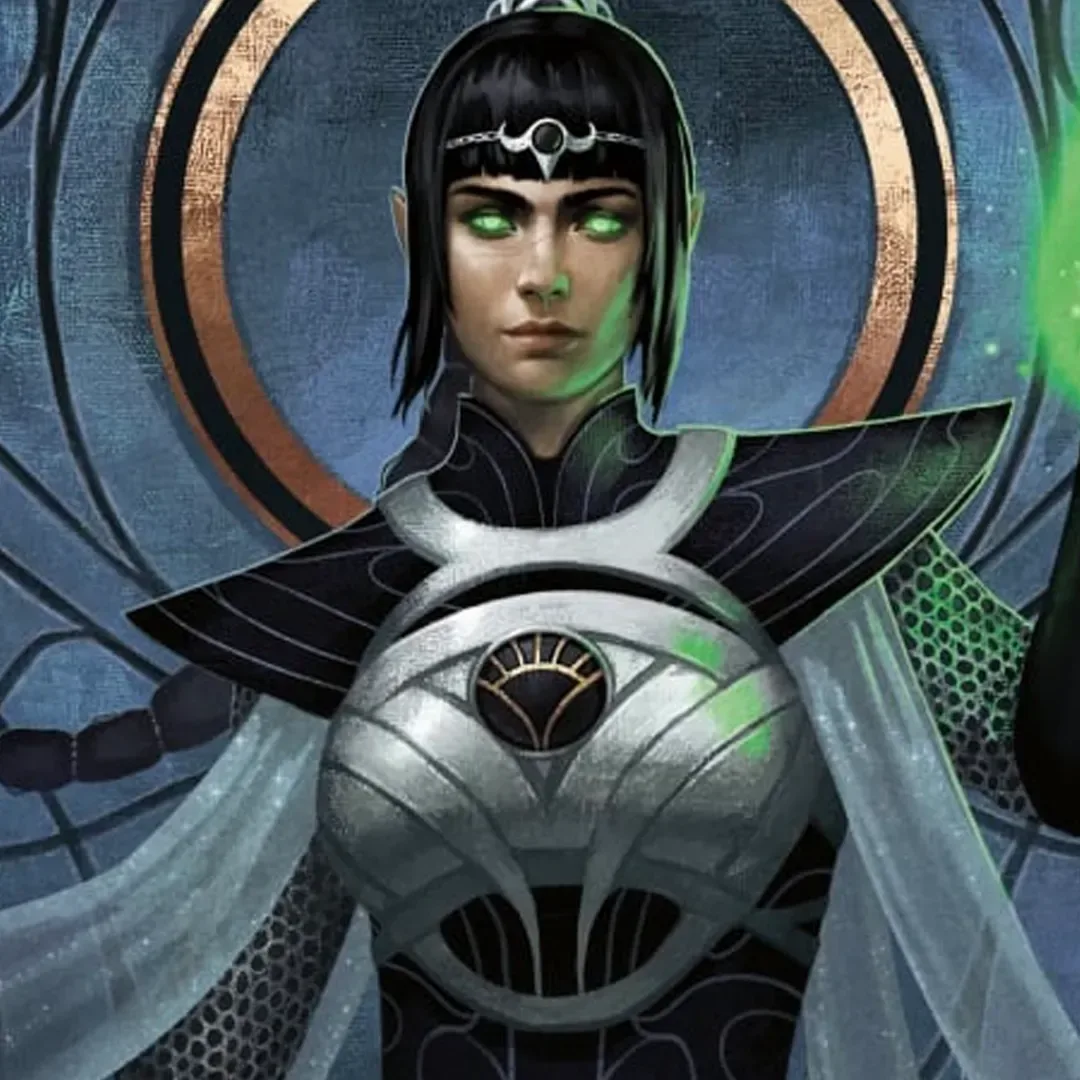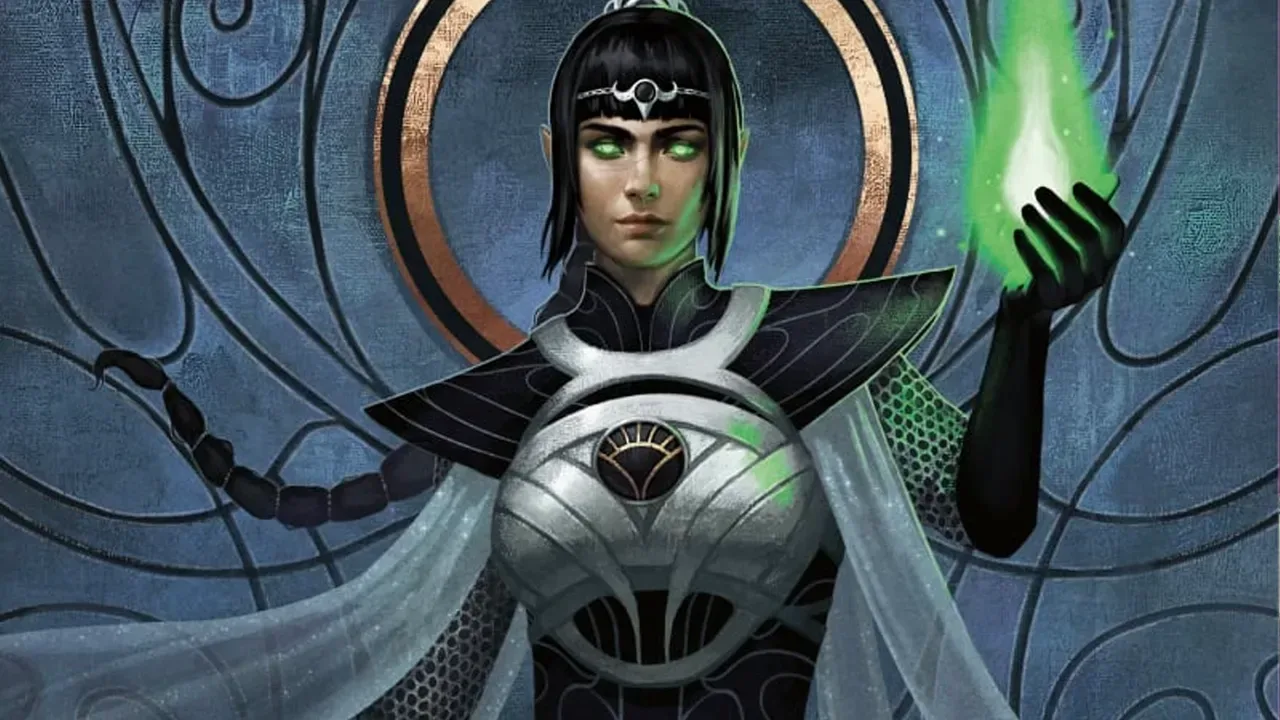
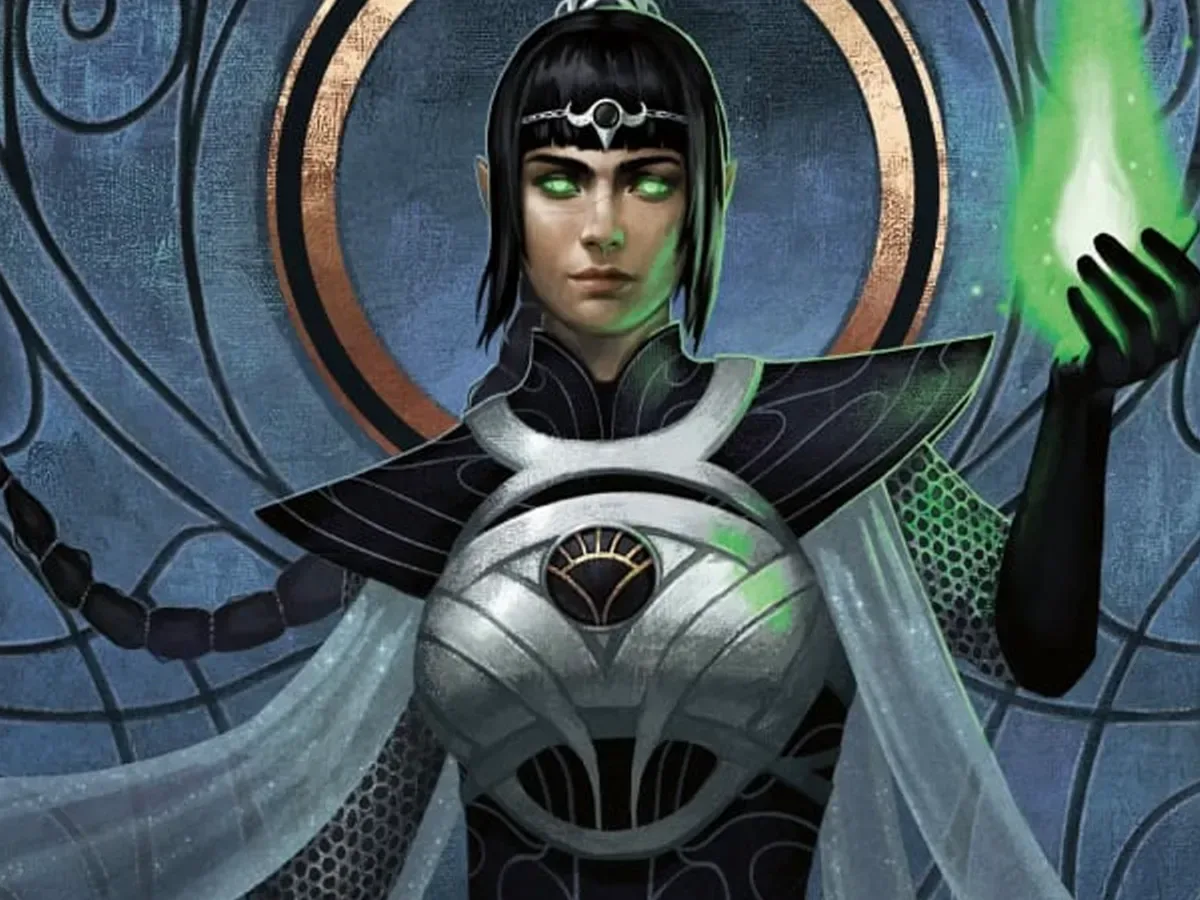
Shadowheart is getting a Baldur’s Gate 3 prequel novel. Baldur’s Gate 3: Shadowheart, written by Tasha Suri and published by Penguin Random House, is scheduled to arrive on June 8, 2027. Preorders are already appearing through major retailers.
The book follows an earlier character-focused Baldur’s Gate 3 novel centered on Astarion. Where the game gives players considerable agency over its companions’ choices and eventual futures, this new story is positioned as a look backward: a tale set in Shadowheart’s past, within Baldur’s Gate and among the followers of Shar.
A murder investigation beneath Baldur’s Gate
The published description frames the novel as a dark fantasy murder mystery. Shadowheart, identified as a priestess devoted to Shar, is sent to investigate the killing of a member of her order in Baldur’s Gate’s Upper City, described as the city’s wealthiest district.
Her investigation brings her into contact with three figures she does not trust: Mirie, an ambitious Griefguard; Caldan, a cynical propagandist; and Nocturne, a quartermistress who says she has Shadowheart’s interests at heart. The basic setup is clear: an institution built around secrecy and forgotten history is now dealing with betrayal, while the investigator at its center has reasons to distrust almost everyone involved.
That is an especially fitting framework for Shadowheart. Her relationship to memory, devotion and personal identity is fundamental to her role in Baldur’s Gate 3. The book’s premise places those ideas at the center without needing to choose one of the game’s many player-determined endings. Rather than advancing a single “what happened next” version of Shadowheart, a prequel can explore the pressure and beliefs that shaped her before the game begins.
What the setting means for the story
Shar is the dark goddess Shadowheart serves. The novel’s description emphasizes the Mirror of Loss, an object associated with sacrificing memories. In practical storytelling terms, that makes memory more than background lore: it becomes a vulnerability. If people willingly erase or surrender parts of their past, establishing motive, loyalty and even a witness’s reliability becomes substantially more complicated.
The book also contrasts a secretive underground church with the Upper City. That divide gives the mystery room to move between a closed religious order and the public-facing power of Baldur’s Gate’s elite. Shadowheart’s case is not presented as merely an internal dispute; it reaches into a privileged area of the city that has secrets of its own.
The official setup further suggests that temptation and new desire will complicate the investigation. Shadowheart is said to be caught between the familiarity of darkness and something unfamiliar that challenges it. That language points to a character story running alongside the procedural mystery: solving the murder matters, but so does deciding what devotion means when certainty starts to fracture.
Related coverage includes Baldur's Gate 3: Shadowheart Prequel Novel Set for June 2027.
Tasha Suri takes on a companion with a complicated history
Suri is identified as the World Fantasy Award-winning author of the Burning Kingdoms trilogy. That background matters less as a guarantee of any particular approach than as a sign that the novel is being handed to an established fantasy writer rather than treated as a simple plot recap from the game.
There is also an important distinction between adaptation and prequel fiction. An adaptation generally retells material audiences already know in another form. A prequel has to create a narrative that feels consequential on its own while remaining compatible with established character details. With Shadowheart, that task is unusually delicate because she is a companion whose story is entangled with concealed information, contested loyalties and player decisions.
The announced novel appears to tackle that challenge by anchoring itself to a discrete mystery and a specific period of her life. The named supporting characters and Upper City murder provide a self-contained spine for the plot. At the same time, the themes in the description—faith, authority, erased memories, distrust and desire—are plainly connected to what players recognize as central to Shadowheart.
For readers, the attraction is not necessarily the promise of a definitive answer to every unanswered question. It is the prospect of more time with a character in an environment that can expose aspects of her life the game could only imply. A novel can linger on interior thoughts, institutional routines and relationships that a party-based role-playing game has to convey through scenes, dialogue and player choice.
Why the prequel route makes sense for Baldur’s Gate 3
Baldur’s Gate 3 ends in dramatically different ways depending on player choices, world state and the outcomes attached to its companions. A direct sequel focused on any one party member would therefore face an immediate continuity problem: which version of the character’s fate becomes the default?
A prequel avoids that problem. It does not need to establish one ending as more valid than another, and it does not have to resolve the broad range of possible outcomes for Shadowheart, Astarion, Karlach or other companions. Instead, it can inhabit a period before players took control of the story.
That does not make the assignment easy. Prequel storytelling comes with its own expectation: readers will look for a version of Shadowheart who is recognizable and emotionally credible. The novel must add texture without undermining the traits, history and revelations audiences associate with her in the game. For a character tied so closely to lost memories, even small-seeming additions can invite close scrutiny.
That scrutiny is already part of the conversation around Baldur’s Gate 3 fiction. Reaction to the earlier Astarion prequel has been mixed, with some fans objecting to what they see as changes to the vampire companion’s backstory and arguing that the portrayal did not fully capture the character. Those responses do not establish how readers will receive Suri’s book, but they do show why continuity and characterization are likely to be the major concerns when it arrives.
More Baldur’s Gate stories, but no simple canon path forward
The Shadowheart novel arrives amid a broader effort to keep the Baldur’s Gate 3 world active beyond the original game. Larian has moved on from Baldur’s Gate 3 and the Dungeons & Dragons universe to make new games, including Divinity. Meanwhile, an HBO television project set after the game is in development, and Hasbro has plans for a video game follow-up of some kind.
Neither continuation carries a simple narrative burden. A television story set after Baldur’s Gate 3 must contend with the same sprawling web of endings that makes a companion sequel difficult. A future game project has even more unanswered questions: it is not yet known whether it will be a Baldur’s Gate 4 that continues the story or something else entirely.
That wider context makes a character prequel relatively appealing. It can expand the setting without immediately declaring a single outcome to be the one true aftermath of the game. It is a narrower form of expansion, but perhaps a more flexible one for a role-playing game whose appeal rests so heavily on divergent paths.
The same balancing act can be seen across current game follow-ups and revivals, where familiar names bring expectations as well as attention. Persona 4 Revival’s connection to Golden, for example, shows how even a project rooted in known material can prompt close reading from its established audience. For Baldur’s Gate 3, the challenge is intensified because the game actively lets players shape its characters.
What is confirmed—and what readers should not assume
The confirmed details are the title, author, publisher, June 8, 2027 release date, preorder availability and the broad premise. Shadowheart investigates a murder in the Upper City while navigating a dangerous network of Sharran allies and rivals. The story involves Mirie, Caldan and Nocturne, and it places the conflict among Baldur’s Gate, the underground church tied to Shar and the city’s affluent district.
There is no indication in the available description of the novel’s length, additional editions, audiobook plans, its exact placement within the game’s timeline, or whether more companion novels will follow. There is likewise no basis yet to determine how deeply any existing game characters beyond Shadowheart and Nocturne may appear.
For now, Baldur’s Gate 3: Shadowheart looks like a focused return to the parts of the setting most suited to a gothic-leaning mystery: a city full of power and secrets, a church that treats oblivion as strength, and a protagonist whose own history cannot be taken for granted. Readers will find out whether the investigation earns Shadowheart’s trust—and whether the book earns theirs—when it launches in June 2027.