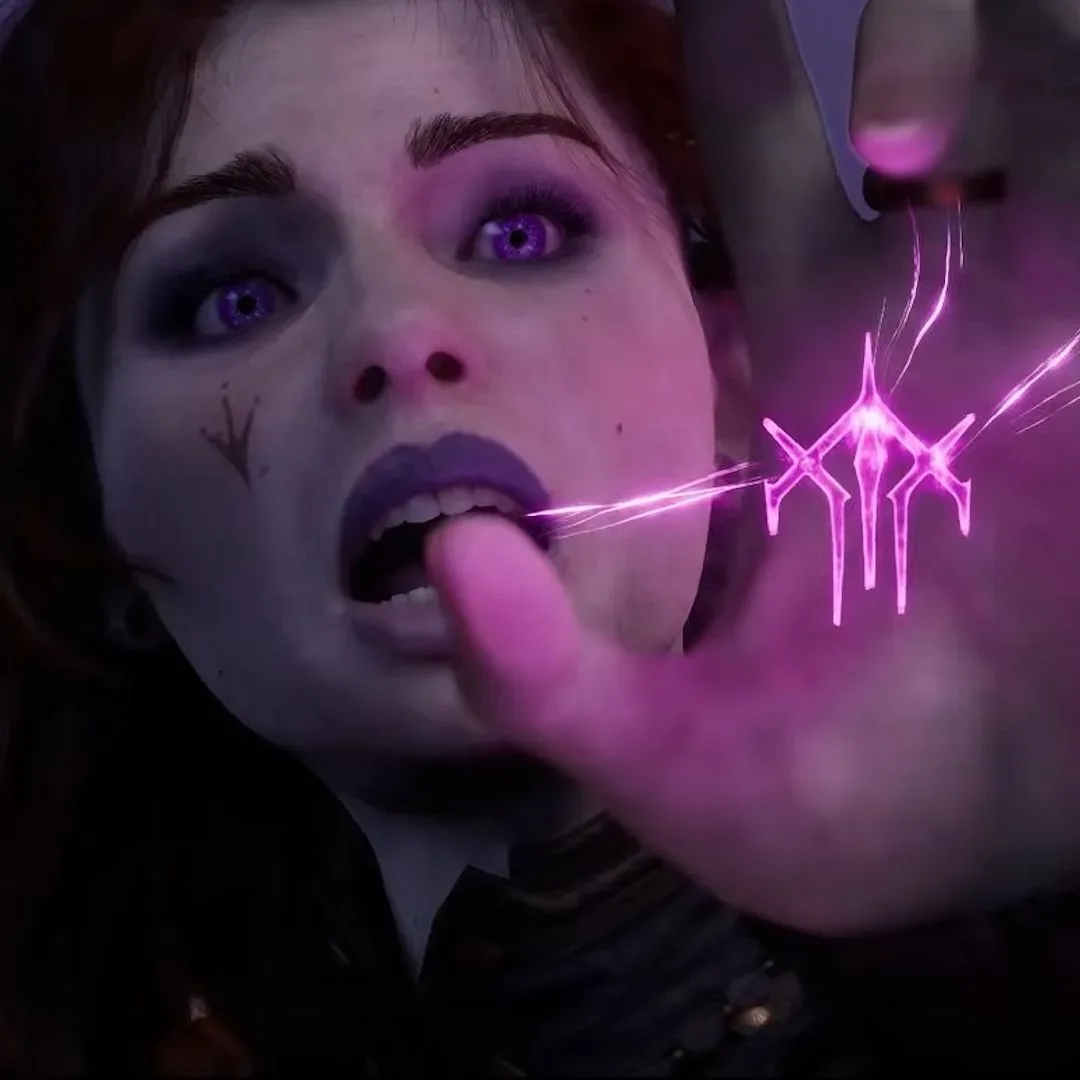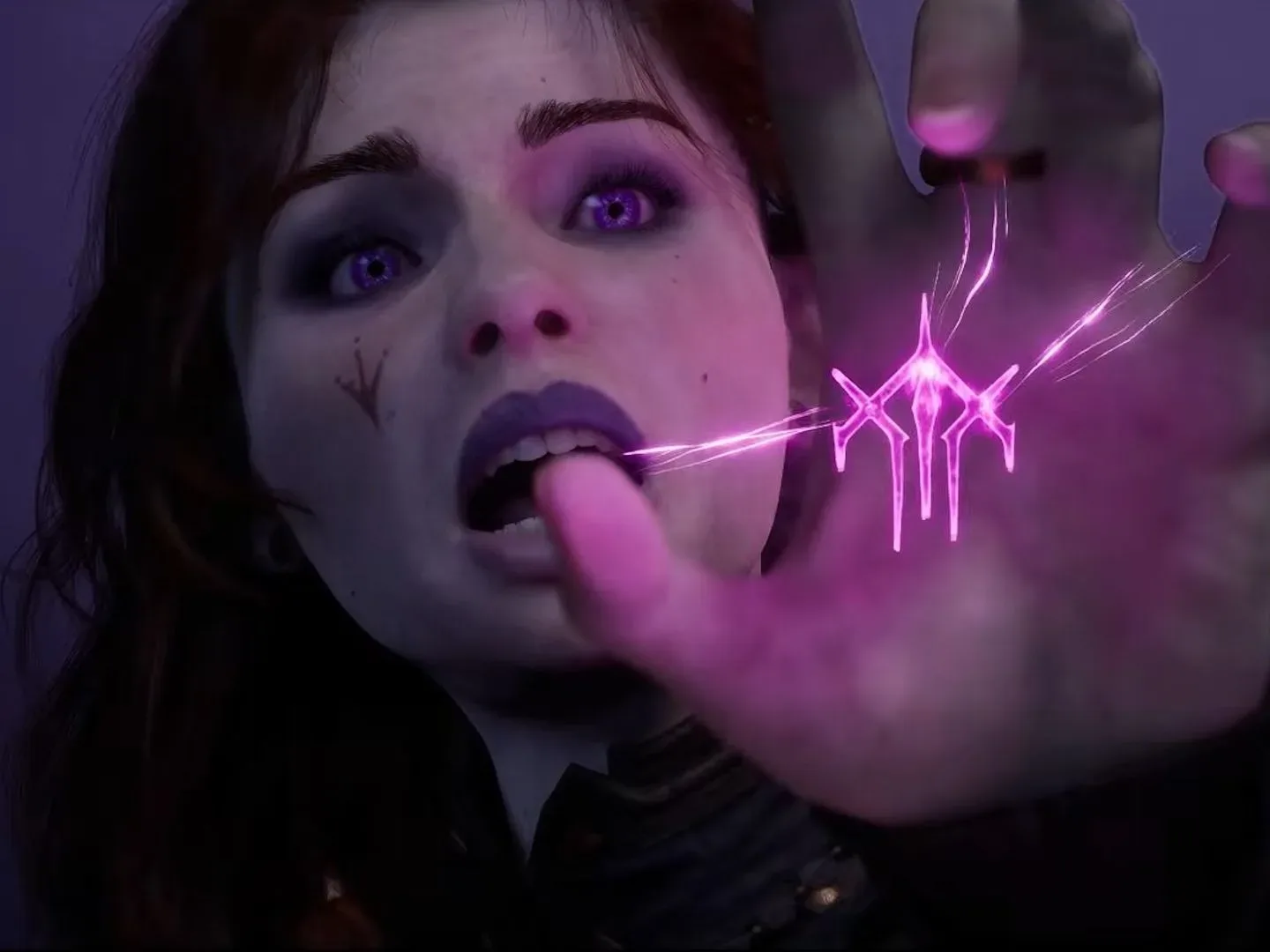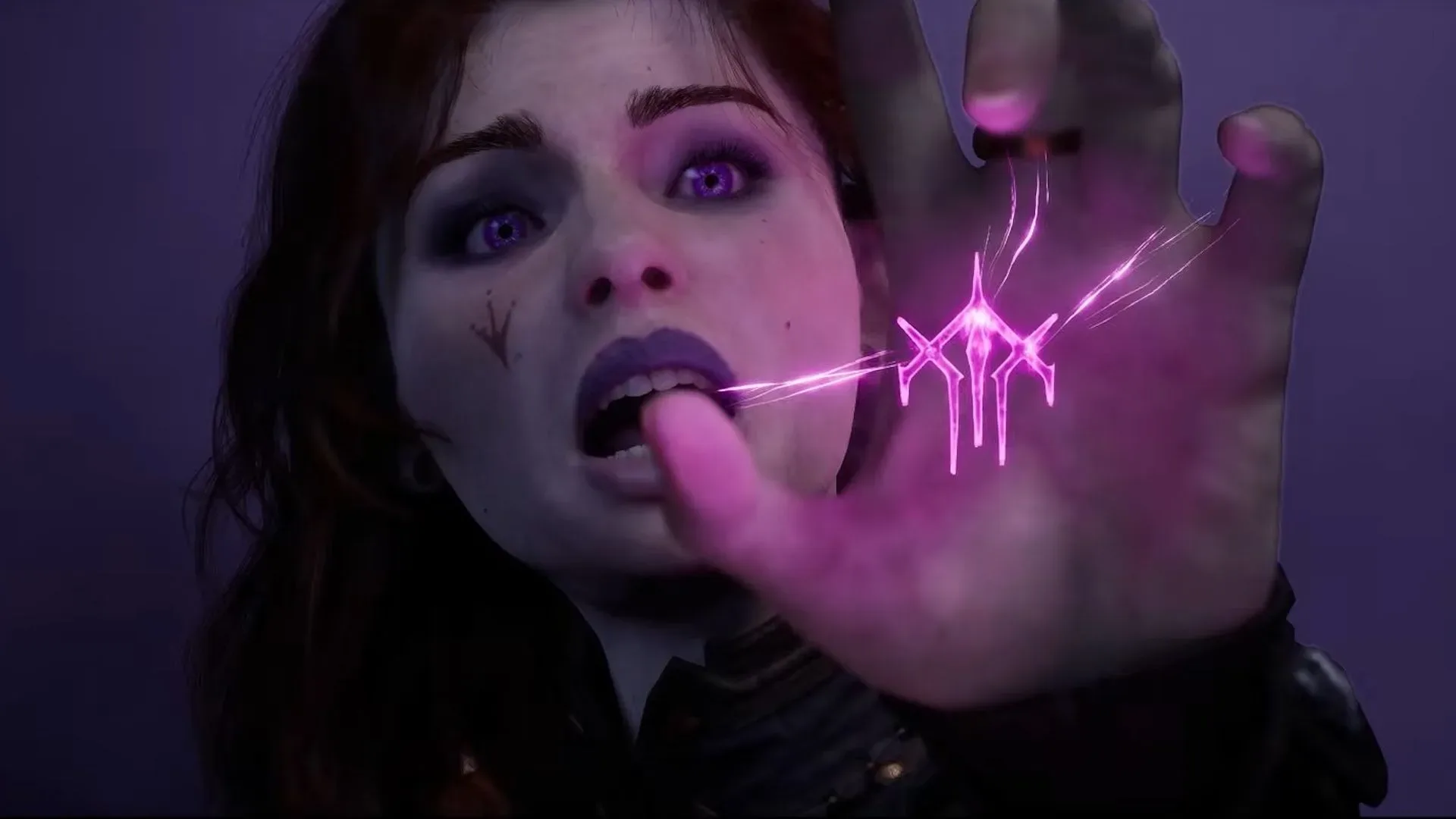
Warlock: Dungeons & Dragons may share a tabletop universe with Baldur’s Gate 3, but it is drawing a firm line around what kind of role-playing game it intends to be. Invoke has clarified that its open-world D&D adventure will tell a more authored, comparatively linear story centered on its lead character, Kaatri, rather than offer a sweeping web of moral identities and radically branching narrative outcomes.
That distinction matters because comparisons to Baldur’s Gate 3 are virtually inevitable for a new, high-profile game using Dungeons & Dragons. Larian’s 2023 Game of the Year winner remains a major reference point in conversations about modern RPG design, especially when it comes to player choice, custom characters, party composition, and quests that can move in multiple directions. But sharing D&D’s setting does not mean sharing the same structure.
Dominique Guay, Invoke’s general manager, has described Kaatri as a written character rather than a player-created blank slate. Players should not expect to define her as an evil or good version of the protagonist, and the major narrative moments are intended to be the same ones experienced by other players.
“Kaatri is a written character, so it’s not like you can play evil or good Kaatri,” Guay said. “The main narrative moments you’re going to go through are written down, and you’re going to go through the same moment as someone else.”
A fixed protagonist changes the kind of RPG Warlock can be
“Linear” is sometimes used as a shorthand for a game with no meaningful player input, but that is not necessarily what the description establishes here. It specifically sets expectations for the main narrative: key story events are authored and shared rather than being built to fracture around competing hero, villain, or improvisational character paths.
In practical terms, that makes Kaatri less like an avatar for any personality a player wants to perform and more like the protagonist of a focused fantasy adventure. The game can still have exploration, combat systems, companions, optional activity, and choices in its moment-to-moment design without promising that every central plot development will be reshaped by a player’s moral alignment or character concept. What has been made clear is that players are not being invited to invent an entirely different Kaatri each time through.
That is a meaningful creative decision, not merely a reduced version of another RPG format. A defined lead allows a development team to build a story around a particular character’s circumstances, relationships, and arc. It also means the emotional groundwork for scenes can be more specific: Kaatri is not an unknown hero whose history and temperament need to accommodate every possible player-made interpretation.
The trade-off is equally clear. Players looking for the particular thrill of making a custom D&D persona, deciding whether that character becomes virtuous or ruthless, and watching an entire campaign bend around those choices should not assume that experience is Warlock’s goal. Invoke is making that point before comparisons can turn into mismatched expectations.
Related coverage includes Warlock: Dungeons & Dragons Won't Chase Baldur's Gate 3's Branching Story Model.
Warlock is about Kaatri’s journey, not an ensemble of selectable leads
The difference extends beyond narrative branching. Baldur’s Gate 3 places a player-made avatar at the center of a party-based adventure and includes an ensemble of playable characters. Warlock, by contrast, is being positioned around one hero’s journey: Kaatri’s.
That does not mean she travels alone. Guay has said Kaatri will make allies along the way, describing them as a kind of found family. One named companion is Skev, an imp whose relationship with Kaatri develops over the course of the game.
That setup suggests a different emphasis for party and companion storytelling. Rather than asking the player to select from multiple potential protagonists, Warlock can frame its supporting cast around how each person affects Kaatri and how she affects them. Skev’s ongoing relationship with the central character is a particularly useful example: the game is not presenting the imp simply as a decorative creature or an isolated quest-giver, but as part of a continuing character thread.
A found family story, in this context, refers to bonds formed through experience rather than biological family ties. It is a familiar structure in fantasy stories because it gives the protagonist a group whose trust, conflict, and mutual reliance can grow alongside the main plot. The available details do not establish how much control players will have over those relationships, so it would be premature to read a companion system from the premise alone. Still, the stated focus makes the intended dramatic center easy to understand: Kaatri and the people she comes to know.
Open world does not automatically mean an open-ended plot
Warlock’s other major point of differentiation is its open-world design. Yet an open world and a branching narrative solve different design problems. The first concerns where players can travel and how they encounter activities; the second concerns how extensively player decisions alter story outcomes. A game can have one without fully embracing the other.
Invoke has already indicated that it does not want to rely on the sort of broad, AAA-style waypoint guidance that can turn exploration into following a trail of interface markers. The stated aim is for players to feel that discoveries come from their own actions.
That philosophy can coexist with a fixed main storyline. Players may have agency in finding places, following leads, deciding what catches their attention, or exploring a landscape on their own terms, while the central narrative still proceeds through authored chapters and established turning points. In other words, Warlock appears to be separating the freedom of discovery from the freedom to redefine its protagonist’s morality and fate.
This distinction is worth keeping in mind as players assess the game’s ambitions. “Open world” is not a guarantee of every possible type of RPG choice, just as “linear narrative” is not a guarantee that an overworld will be narrow or overly guided. Warlock’s pitch, based on what Invoke has outlined, is an open environment designed to reward player-led discovery paired with a deliberately directed character story.
Why the Baldur’s Gate 3 comparison is useful—and limiting
The comparison remains useful because both games operate in the D&D universe, and because Baldur’s Gate 3 set a visible modern benchmark for a choice-heavy fantasy RPG. It gives players a quick way to ask questions: Will there be a custom hero? Can the story change dramatically? Are companions the focus? Does exploration depend on maps full of directives?
But it becomes limiting if it assumes every D&D game must attempt the same answer. Warlock is not presenting Kaatri as a customizable player vessel, nor is it promising a campaign designed around good-versus-evil role-play permutations. Its structure instead appears closer to a character-led adventure where the player inhabits a specific hero and follows her through shared major plot events.
That clarity may ultimately be more valuable than a vague attempt to sound comparable to every large RPG in the genre. It gives prospective players a fairer basis for deciding whether Warlock is for them. Those most interested in authored protagonists, relationship-driven supporting casts, and exploratory worlds with less reliance on conventional waypoints have concrete reasons to watch it. Those specifically seeking the flexible, highly branching character role-play associated with Baldur’s Gate 3 should recognize that Invoke is describing a different proposition.
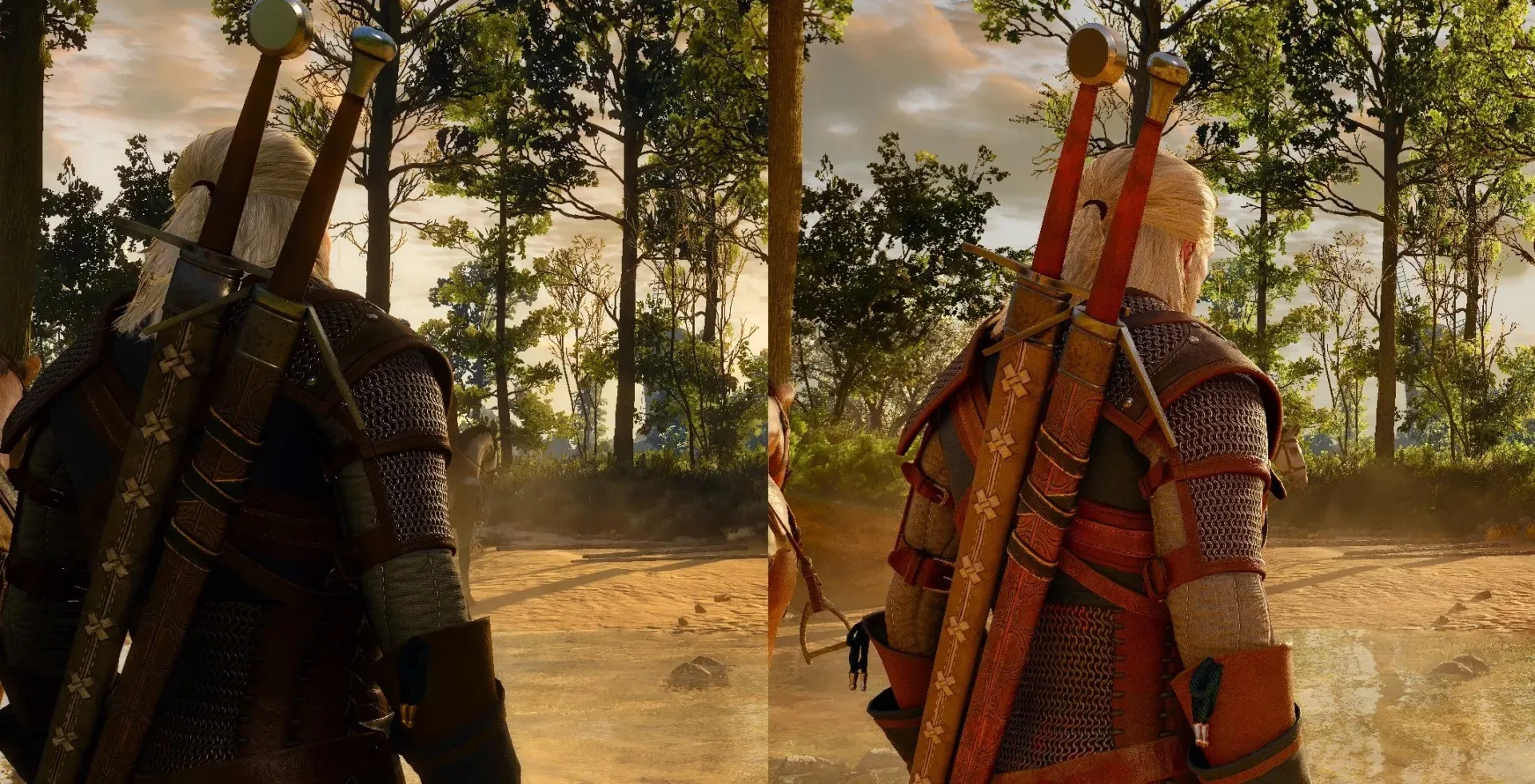
It is also a useful reminder that RPG design is not a single ladder where every game needs more branches, more avatars, and more permutations to be considered ambitious. Focus can be a feature when it is communicated honestly. For a broader look at how changes to a beloved fantasy RPG can ignite debate over design priorities, see this examination of The Witcher 3 Remastered’s competing ideas of detail and atmosphere.
What remains unknown
There are still important questions the current details do not answer. The degree of player choice outside the main story has not been established. Neither has the structure of quests, the depth of companion interaction, the shape of Kaatri’s abilities, or the exact ways players will navigate and uncover the open world. A stated desire to reduce dependence on conventional waypoints explains an exploration goal, but not every system that will support it.
Likewise, a shared sequence of major narrative moments does not reveal whether Warlock will offer different dialogue responses, alternate approaches to individual problems, optional discoveries, or variations in smaller scenes. The responsible reading is simply that players should not expect the game’s core narrative to operate as a fluid, broadly branching good-or-evil role-playing framework.
For now, Invoke’s message is straightforward: Warlock: Dungeons & Dragons is not trying to reproduce Baldur’s Gate 3. It is an open-world D&D game built around Kaatri, her growing circle of allies including Skev, player-led discovery, and an authored central story whose defining moments are meant to be shared.