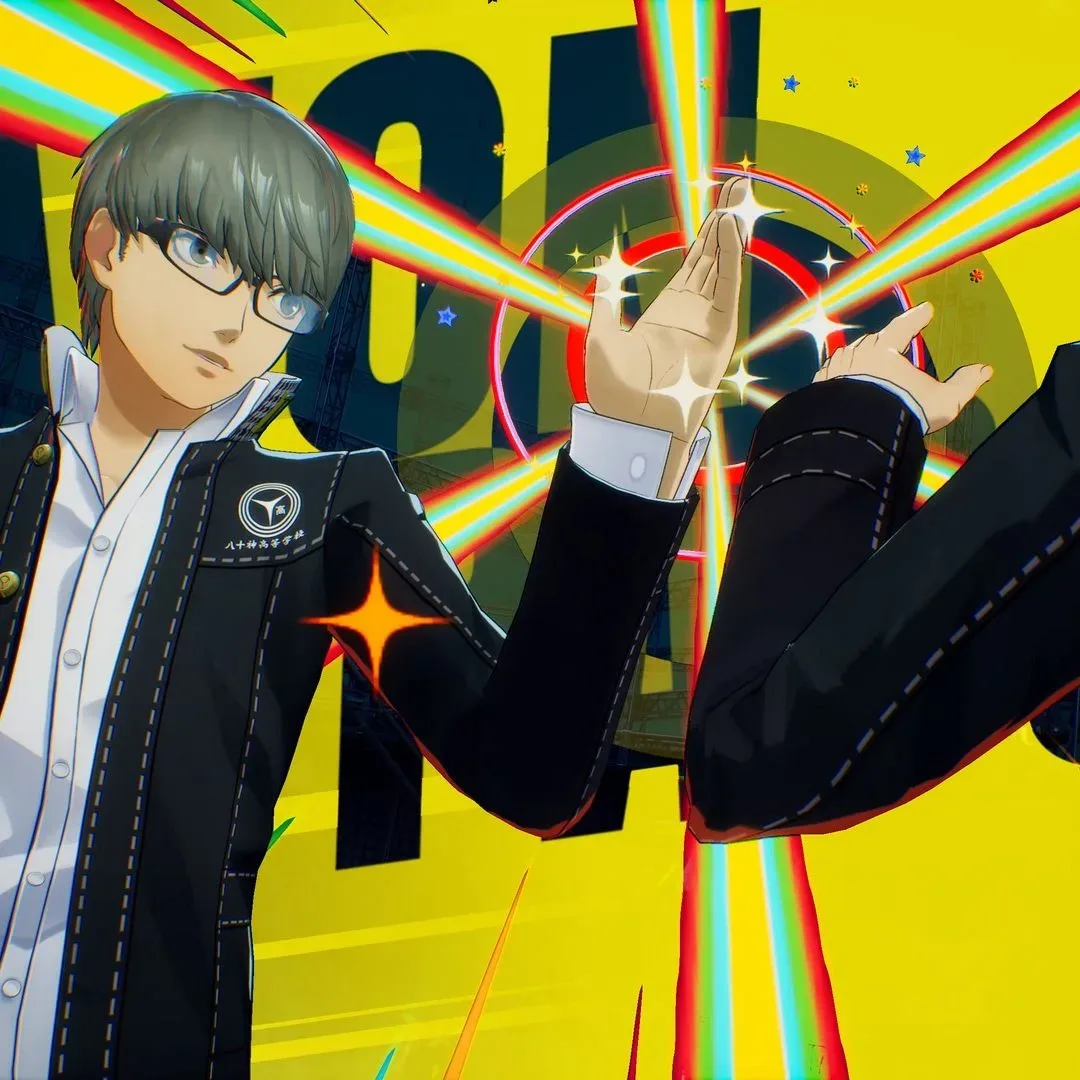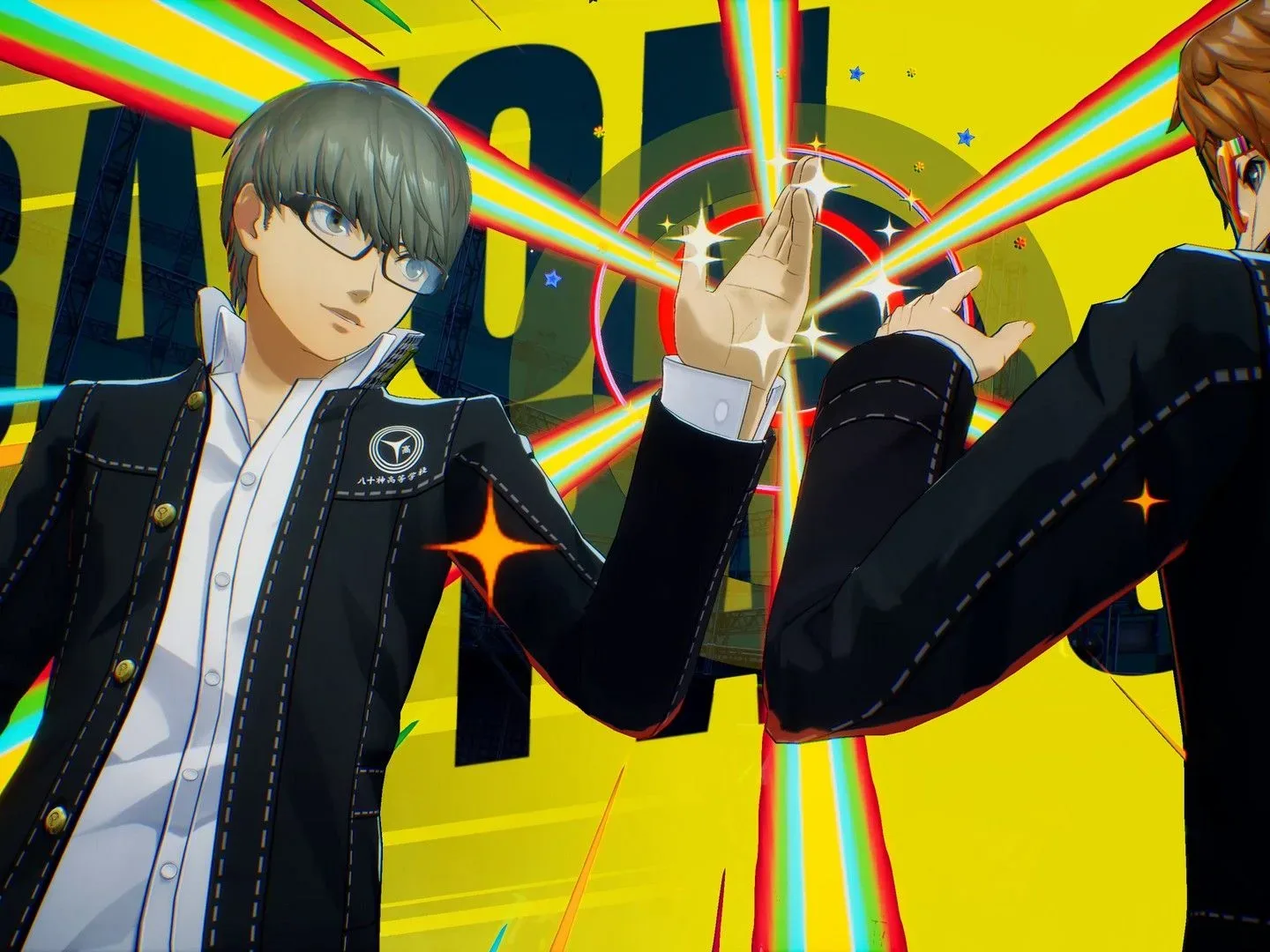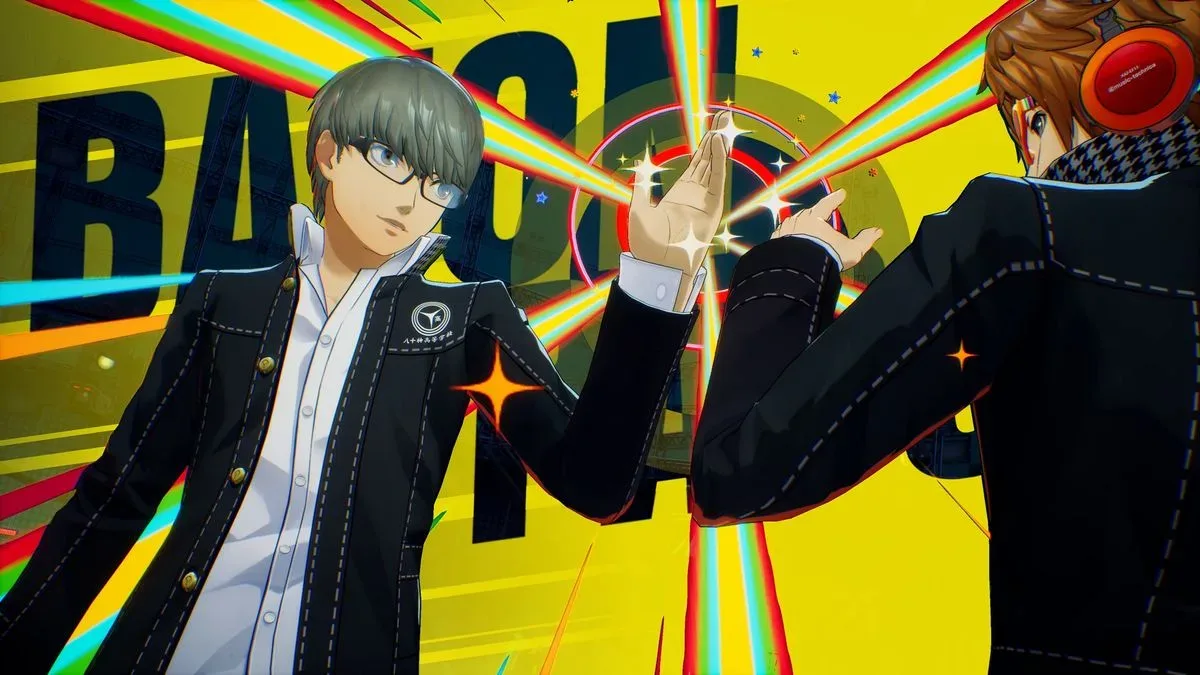
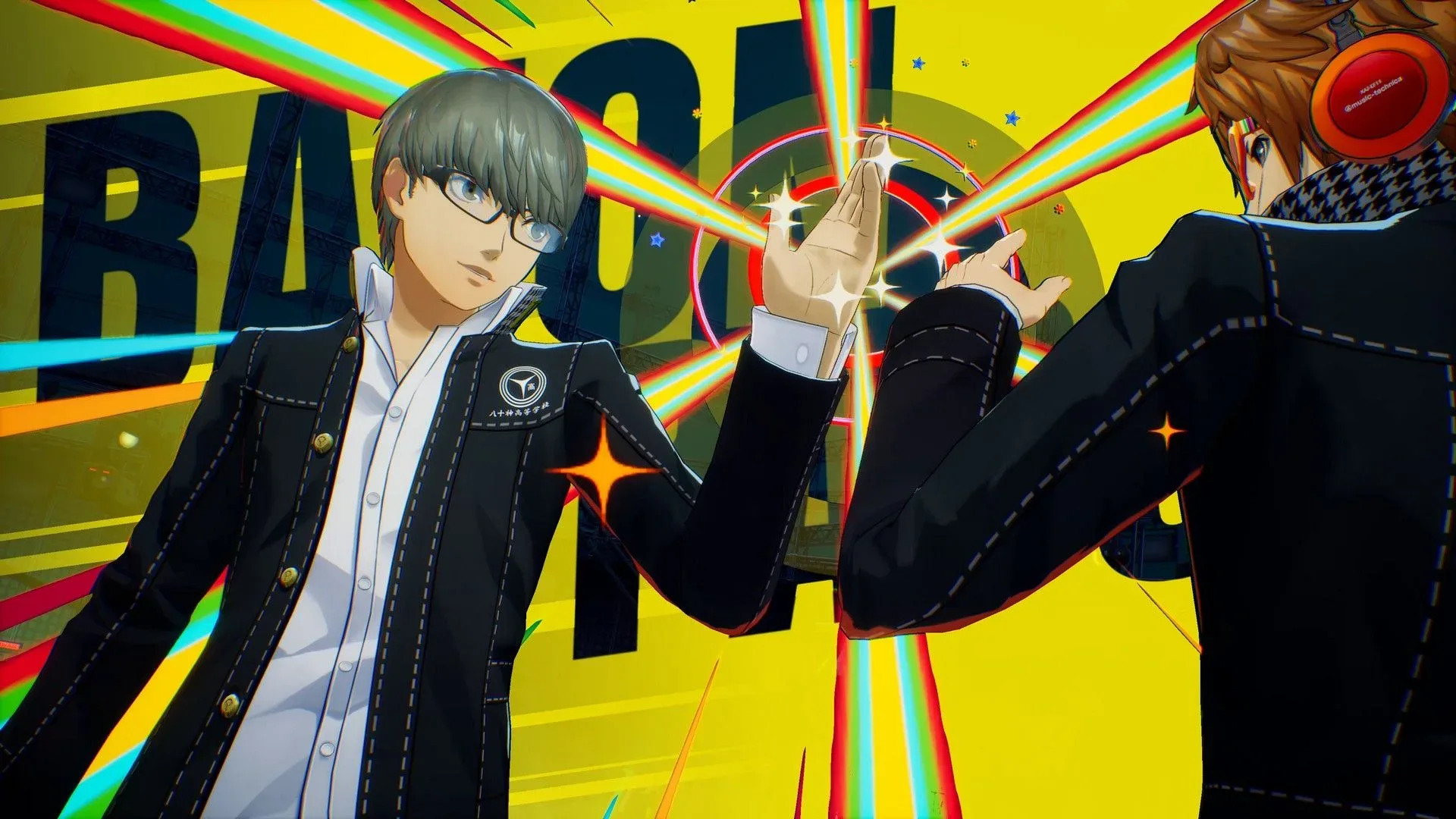
Persona 4 Revival is being made from the expanded Persona 4 Golden version, not solely from the original Persona 4 release. The clarification matters because the first teaser left room for fan debate, even though the development team believed it had planted enough signals to make the point clear.
Series producer Kazuhisa Wada said the choice was made at the very beginning of the project. The reason given is Marie’s role: her story is woven into the main narrative, making Golden the intended foundation for the remake rather than an optional add-on to be considered later.
“Marie’s story is woven through the main narrative,” Wada said. “So we made up our minds [to remake Persona 4 Golden rather than the original game] from the start. So don’t be worried.”
That is a meaningful distinction for anyone trying to understand what the word Revival represents. A remake can take several approaches: it can recreate an original release closely, use a later revision as its baseline, or combine elements from multiple editions. In this case, the team’s description points to a ground-up remake whose narrative starting point is Golden.
For more context, explore SeaWorld San Diego’s 2027 Concert Calendar Puts Hip-Hop at the Center With Rick Ross, Lil Jon and Three 6 Mafia.
It does not, by itself, settle every question players may have about the new game. The available comments do not set out a complete feature list, identify which Golden elements will appear in what form, or explain every possible change that comes with rebuilding a game from the ground up. But they do offer the important high-level answer: Golden is not being treated as an afterthought.
The Golden clues were there, just not obvious to everyone
Composer Ryota Kozuka said the developers were surprised that so many viewers did not recognize what the teaser was communicating. The trailer used music from Persona 4 Golden, which the team expected to work as a fairly clear signal to people familiar with the games.
“As last year’s teaser trailer used a song from Persona 4 Golden,” Kozuka said, “we thought the hints we used would get that across without saying it explicitly, but surprisingly there were a lot of people who didn’t notice.”
The key musical detail was Time to Make History, a battle theme exclusive to Golden. For longtime players who know the distinction between the versions, that is more than background music: it is an edition-specific reference. A trailer cue can therefore function like an audiovisual shorthand, signaling the creative lineage of the project without stopping to explain it in on-screen text.
There was also a visual hint. Viewers spotted what appeared to be a covered scooter for a split second, and the scooter is associated with the updated version rather than the original release. Taken together, the music and vehicle clue supported the Golden reading.
Still, neither clue was necessarily decisive for a broad audience. The teaser did not plainly show some of the most recognizable Golden-specific material, including Adachi’s social link or Marie in the Velvet Room. That left fans with less immediate visual confirmation than they might have expected from a reveal for a major remake.
The result was a familiar kind of trailer discussion: one group read the soundtrack and background details as intentional confirmation, while another reasonably waited for a direct statement. The developers’ response suggests that the former interpretation was correct, but it also highlights the gap between an Easter egg and a clear public message.
Why the misunderstanding makes sense
The reaction is easier to understand when looking at the audience’s entry points into Persona 4. Many fans, particularly in the West, first encountered the game through Persona 4 Golden and never played the original version. For them, Golden may simply be Persona 4, rather than a distinct updated edition whose additions need to be identified one by one.
That context changes how the teaser’s references land. A Golden-exclusive song is only a strong clue if a viewer knows that it is exclusive. Likewise, a scooter is only a meaningful signal if the viewer knows it separates one version from another. Without that prior knowledge, both details may look like ordinary pieces of a Persona trailer rather than carefully selected markers.
There is a broader communication lesson here for remake reveals. Developers and dedicated fans often share a detailed vocabulary built from years of releases, revisions, platform versions, music selections and minor visual motifs. Newer players may not have that reference library. A nod that feels unmistakable within a long-running community can be invisible to the larger audience a modern remake is likely trying to reach.
That does not mean subtle references are a bad idea. They can reward attentive viewers and encourage close reading of an early teaser. But they work best alongside a plainly stated message when the distinction affects expectations around story and content. In Persona 4 Revival’s case, the team ultimately needed to say outright that Golden was the basis.
What “based on Golden” means—and what it does not yet confirm
For now, the safest reading is narrow. Persona 4 Revival is a ground-up remake built with Persona 4 Golden as its starting point, and Marie’s story is part of why that decision was made. The teaser’s Golden music and likely scooter appearance were deliberate references to that direction.
It would be premature, however, to turn that confirmation into a checklist of unannounced details. “Based on” does not automatically establish the exact treatment of every scene, relationship, activity, battle element or presentation choice. Remakes can preserve, revise, recontextualize or expand material as part of the rebuilding process. The developers have confirmed the foundation; they have not, in these comments, published an exhaustive map of the finished game.
That distinction is useful for setting expectations. Fans who wanted reassurance that Golden’s narrative importance was recognized have received it directly from the producer. Fans looking for confirmation of particular features should still wait for explicit details rather than treating every old-version association as a guarantee about the remake’s final form.
The teaser episode also shows why short reveal videos generate so much analysis. A few seconds of footage can carry different kinds of information at once: a mood piece for newcomers, a recognizable musical identity for returning players, and a set of fine-grained references for people who know the franchise history. When all three audiences watch the same clip, disagreement is not always evidence that one side missed something obvious. They may simply be bringing different context to the same material.
A clearer baseline for Revival’s discussion
The useful takeaway is straightforward: Persona 4 Revival is not framed as a remake of only the base Persona 4 release with Golden material left uncertain. The developers say Golden was the plan from the start, specifically because Marie’s story is integrated into the narrative they want to remake.
That statement should narrow one major point of speculation while leaving reasonable room for questions about how a ground-up project will handle its individual components. It also gives the original teaser a clearer retrospective meaning. Time to Make History was not merely a familiar song choice, and the apparent scooter was not necessarily random scenery; both were intended as quiet signs of the version behind Revival.
For a closer recap of the confirmation and the teaser details, see this report on Persona 4 Revival’s Golden foundation.
Elsewhere, the team has indicated that Persona 6 is not intended as an endpoint for the wider series and that work is being done to reduce the wait for what comes next. That is a separate long-term signal, but the immediate message around Revival is much more concrete: the remake’s roots are in Golden.