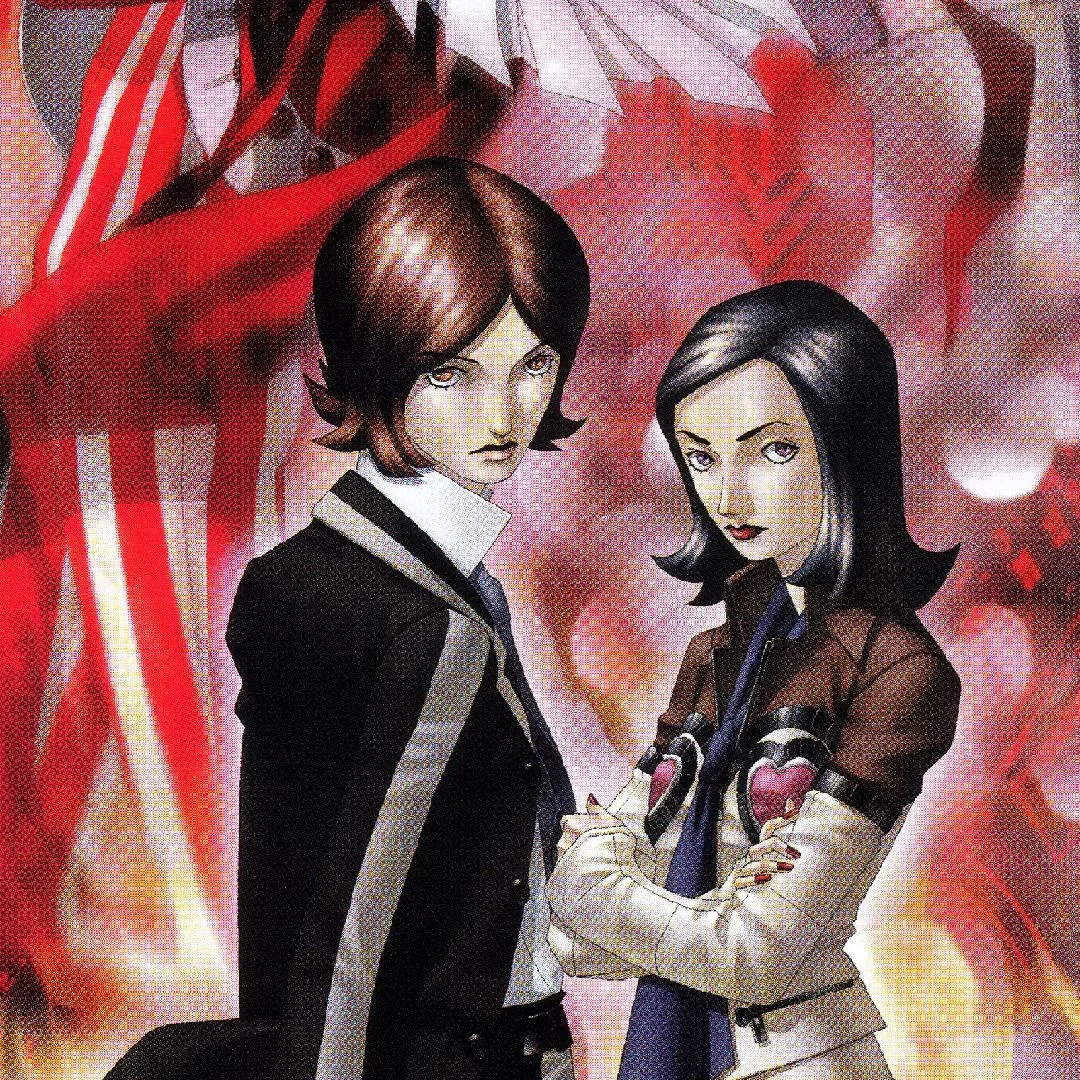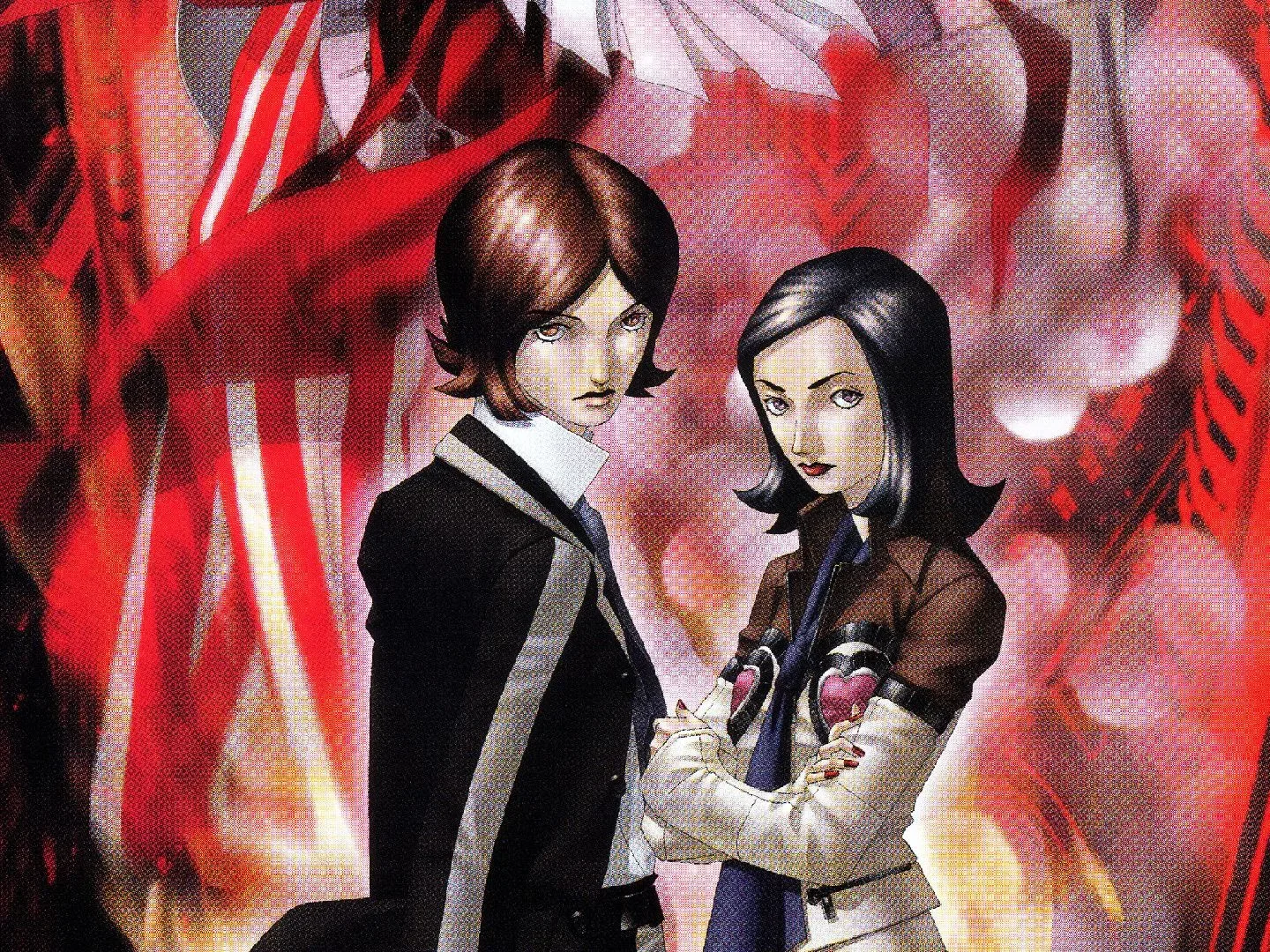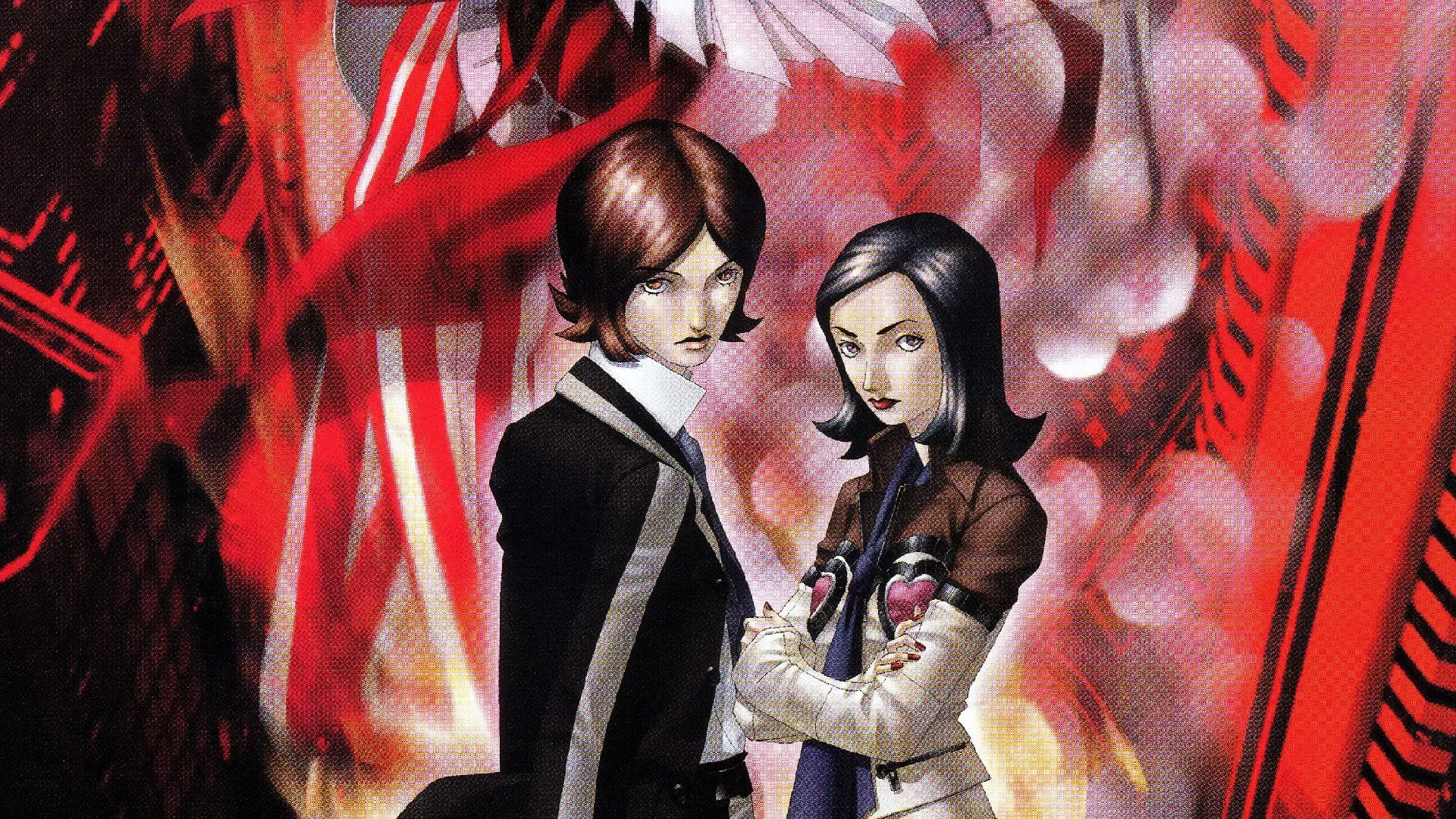
The possibility of returning to the earliest Persona games has moved from distant fan wish to a cautiously encouraging long-term prospect. Kazuhisa Wada, the producer of Persona 4 Revival, has said that remakes of Persona 1 and Persona 2 will “probably” happen eventually. It is not a formal project announcement, and it comes with no release window, platforms, development plan, or indication of which game would be first. Still, it is a notable restatement from a prominent figure working on the series.
More importantly, Wada connected that possibility to an argument about preservation rather than simply nostalgia. In his view, a remake or remaster can function as cultural preservation: a way for creators to prevent past work from disappearing and to keep it available in a modern era. That framing gives the older Persona titles a different place in the conversation. They are not merely candidates for an updated visual treatment; they are works Wada believes deserve a path forward instead of being left behind by changing hardware and distribution habits.
Encouragement, not a confirmed remake slate
Fans should keep the distinction clear. “Probably eventually” is hopeful language, but it is not confirmation that either remake is actively in production. Atlus has not announced a release date, target systems, a development team, or the form a Persona 1 or Persona 2 revisit would take. A remake, remaster, collection, remake of one title at a time, or another approach would all be materially different projects.
Wada’s comments do, however, establish a consistent personal position. In an earlier discussion, he had already suggested that revisiting Persona 1 and Persona 2 was something the team should, and even had to, do. His newer remarks explain the motivation behind that urgency. For Wada, preservation is part of the responsibility attached to making games in the first place. If older work becomes difficult to locate, play, or understand in its original context, then an updated release can help ensure it remains part of the medium’s living history.
“As a creator, it’s your duty to take the things you’ve done and make sure they’re not lost, and are still around in the modern day,” Wada said while discussing the role remakes and remasters can play.
That is a useful lens for a series whose modern identity is so visible that its earlier history can be easy to overlook. Persona has changed considerably across its lifespan. The oldest installments are often regarded as more dated and markedly different from the entries many contemporary players first encountered. An eventual revisit would therefore face a balancing act: make an old game approachable for a new audience without sanding away the particular qualities that make it historically important.
There is more than one Persona 2 to consider
The shorthand “Persona 1 and 2” can make the task sound simpler than it is. There are two Persona 2 games, meaning that a full effort to revisit the earliest part of the series would amount to an additional trilogy of releases. That scope matters. It suggests a substantial amount of work even before considering the design, presentation, localization, production, and scheduling questions associated with modernizing games separated from today’s Persona formula by many years.
It also makes the wording around preservation particularly significant. A publisher could decide that one high-profile remake is the most practical option, but preservation is a broader goal than selecting a single familiar entry. If the ambition is to make the foundation of the series accessible in the modern day, then each of those early games presents its own creative and archival challenge.
Related coverage includes Persona 1 and Persona 2 Remakes Are "Probably" Inevitable, Producer Says.
That does not mean modern versions must look or play exactly alike. It means that their individual identities would need serious consideration. The source material is old enough that straightforward technical updates may not settle every question. How much should systems be changed? How much should presentation be rebuilt? What should remain deliberately of its era? Those are questions for a future project, not details that have been announced. But they help explain why a casual promise of remakes should not be mistaken for a quick turnaround.
For players interested in how older Japanese role-playing games can retain distinctive storytelling structures long after their hardware generation has passed, the design conversation has broader relevance. Suikoden III’s Trinity Sight System, for example, remains a reminder that preservation is also about keeping unusual ideas legible, not merely keeping software technically runnable.
Persona’s current roadmap leaves room for patience
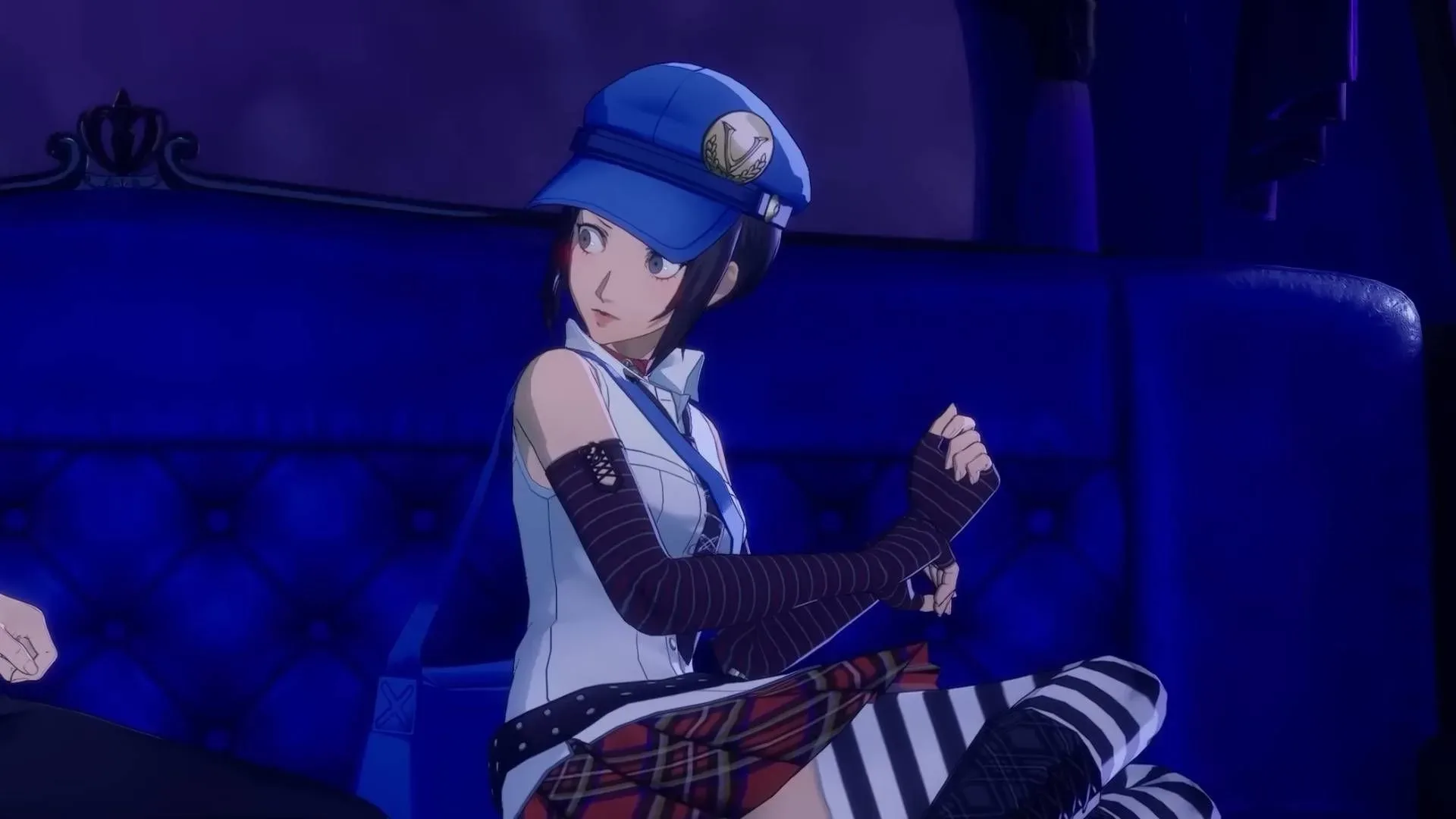
There are practical reasons not to expect an immediate announcement. Wada is currently associated with Persona 4 Revival, a project that he said had been conceived alongside Persona 3 Reload before being put aside. Persona 3 Reload marked the series’ 2023 return to that earlier game, while Persona 4 Revival represents the next known remake-focused step. The upcoming Persona 6 is also part of the franchise’s future.
In other words, the series has visible commitments already. It is reasonable to view the Persona 1 and Persona 2 comments as a statement of intent and priority rather than a sign that an announcement is around the corner. Wada’s remarks are encouraging precisely because they suggest that the oldest games have not been forgotten while newer productions take precedence.
The timeline also provides context for why Persona 4 Revival matters in this discussion. Wada said the concept existed at the time Persona 3 Reload was initially being planned, but it had to wait. That history shows how even projects the team wants to make can spend time on the back burner. An early-Persona revival could follow a similarly lengthy path, especially given that it potentially encompasses three separate games rather than one.
Preservation is bigger than physical discs, but discs are part of it
The comments arrive during continuing concern about long-term access to games. Sony has said it plans to end disc production for new PlayStation games from 2028. That plan has sharpened debates over physical media, digital storefronts, older hardware, licensing, and the difficulty of maintaining playable versions of games after their original release era has passed.
Physical releases are not the only answer to preservation, and modern remakes are not perfect substitutes for original versions. A remake can revise mechanics, visuals, interfaces, writing, performances, or pacing. Yet updated editions can still serve an essential access role when a game has otherwise become difficult for ordinary players to experience. Wada’s language recognizes that a modern release can be both a new product and an attempt to keep older creative work from slipping further out of reach.
That mission becomes more complicated as older games become rarer, as original platforms age, and as consumers increasingly encounter libraries through changing online ecosystems. Preservation is not one switch that can be flipped forever. It involves availability, compatibility, documentation, context, and continued interest. A remake can generate that interest, introduce a new audience, and give a publisher reason to maintain a title. It cannot answer every preservation concern on its own, but it can be an important piece of the wider effort.
Why fans are reading the comments closely
Interest in the series’ earliest entries has been apparent even in the reaction to merchandise tied to them earlier this year. Some of that response was intensified by wording that led people to suspect a bigger announcement than new apparel. The episode underlined the appetite for Persona 1 and Persona 2 news, while also showing why it is worth being exact about what has and has not been confirmed.
What is confirmed is Wada’s preservation-minded view and his belief that the games will likely receive attention eventually. What remains unconfirmed is nearly everything needed to describe a product: the format, the sequence, the scope, the timing, and the platforms. That may sound like a large gap, but creator intent can still matter. It tells fans that the conversation inside the franchise is not limited to its newest chapters.
For now, Persona 4 Revival and Persona 6 remain the clearer points on Persona’s horizon. The longer-term picture is less defined, but Wada’s comments give the first two numbered Persona eras a meaningful place within it. If those projects do materialize, their greatest value may not be only in refreshed presentation. They could make sure a formative stretch of the series remains available for people to play, study, debate, and enjoy rather than becoming increasingly remote.