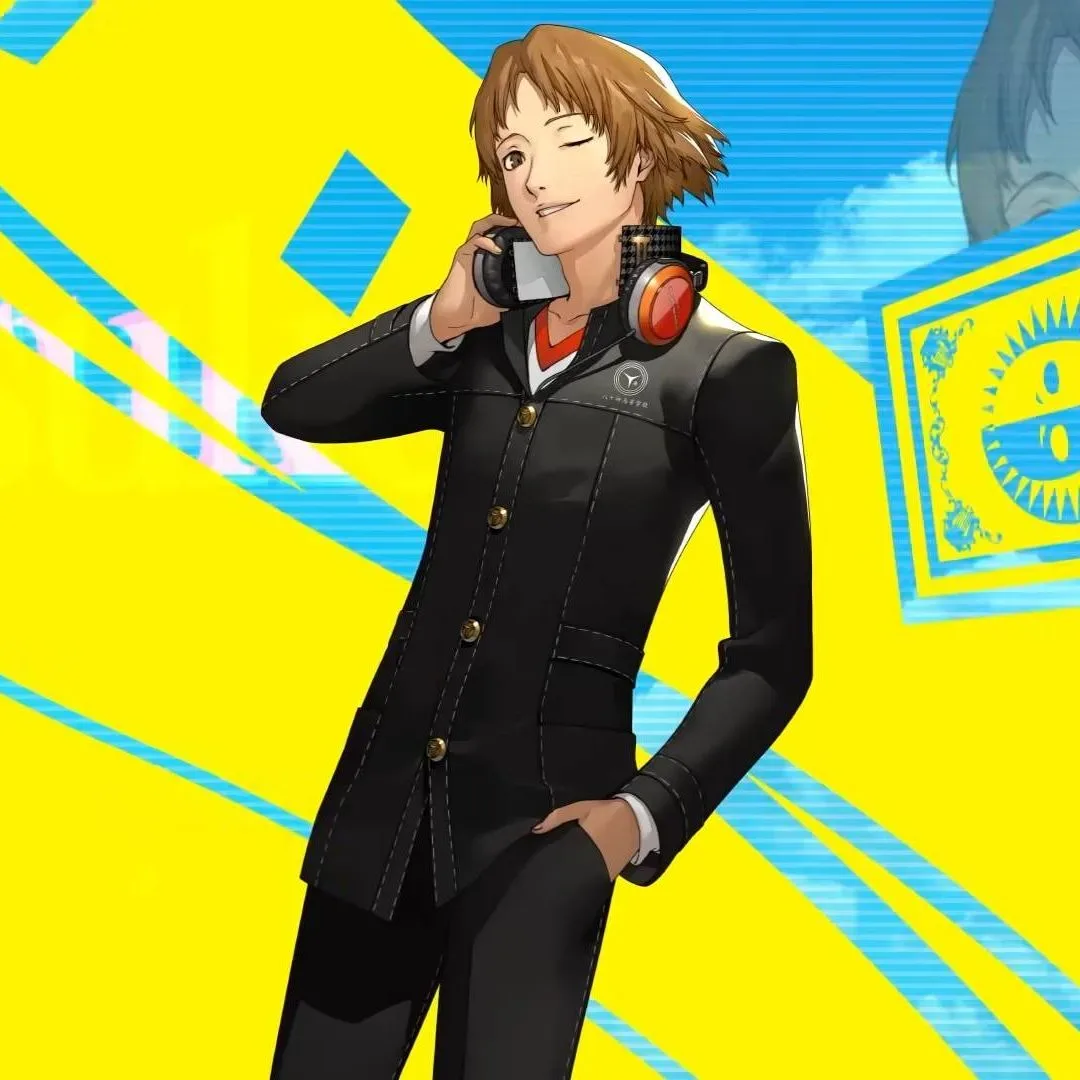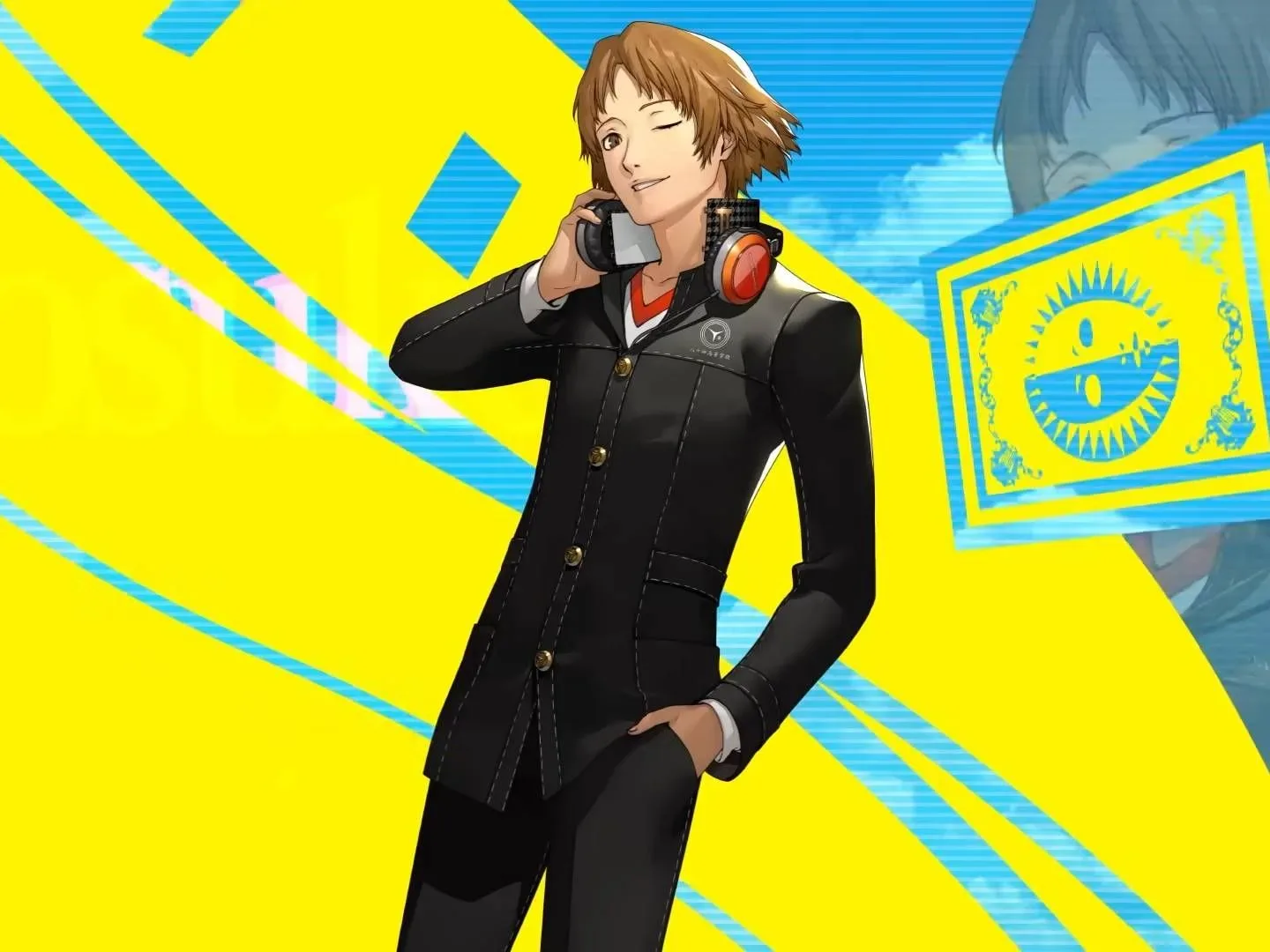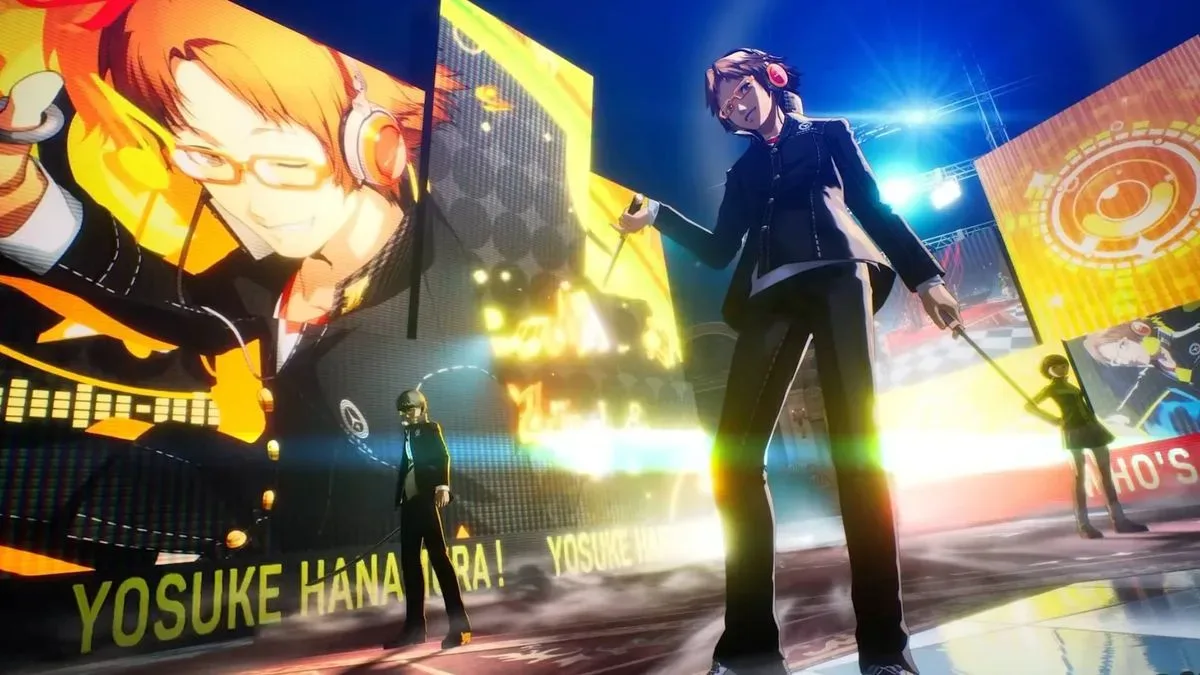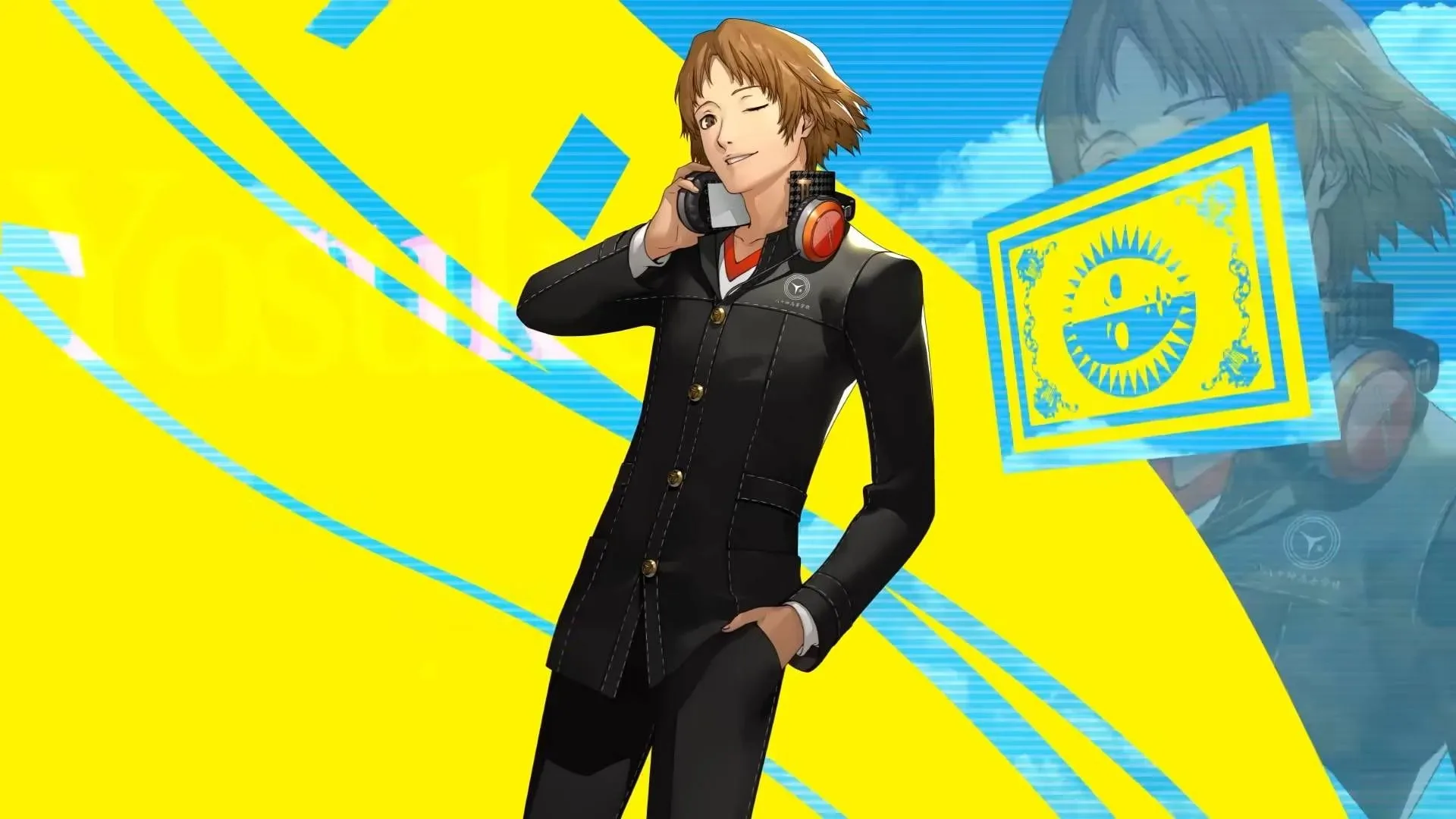
Persona 4 Revival is not positioning its returning Investigation Team as a set of replacement people wearing familiar faces. Instead, Atlus says the remake is using the distance created by years of spin-offs and renewed development to give established characters more texture—particularly Yosuke Hanamura and Kanji Tatsumi.
Producer Kazuhisa Wada has said the core personalities of the cast have not been changed for Revival. The goal is not to rewrite who these teenagers are, but to update and refine dialogue so it lands more effectively for a modern audience and serves the story more cleanly. That distinction matters enormously for a game whose enduring appeal rests so heavily on the players’ long-running relationship with its party members.
Still, preserving a character is not the same thing as freezing them in amber. Wada explained that the development team saw room to investigate every major character further. Persona 4 has accumulated a substantial history since its original release, including spin-off games that have continued to develop the cast’s personalities. Revival is drawing on those later understandings to add detail and depth when revisiting Inaba.
For the team, two characters stood out as especially worthwhile subjects for closer attention: Yosuke and Kanji.
A remake with room between the familiar lines
Remakes walk a narrow path. Players often want the remembered version of a game—the specific jokes, tensions, friendships, awkward silences, and hard-won breakthroughs that made it meaningful the first time. But a new production also has to justify returning to material that has already lived through an original release, an expanded edition, and multiple side stories.
Persona 4 Revival’s stated approach appears to be refinement rather than replacement. Wada has been clear that the people at the center of the story remain the same people. Dialogue, however, is being adjusted both to feel more contemporary and to communicate the game’s narrative with greater impact.
That can be a meaningful change even when a character’s foundational identity stays intact. A line can be more precise without becoming a different character’s line. A scene can give someone clearer motivation without undoing their flaws. A remake can use the benefit of hindsight to make the relationships within a party feel more connected, especially when developers have years of additional material to consider.
The Persona series routinely asks players to spend time with characters outside the main plot, and Persona 4’s social structure makes that time central rather than incidental. As a result, small additions or revisions can have a notable effect on how a player reads a character. The question is not simply whether there is “more” content; it is whether added context sharpens the existing emotional picture.
Related coverage includes Persona 4 Revival Will Expand Yosuke and Kanji Without Rewriting Who They Are.
Why Yosuke and Kanji are significant choices
Yosuke and Kanji are two of the most discussed members of Persona 4’s cast, though for very different reasons. Both occupy major places in the party’s dynamic, and both have elements that audiences have continued to revisit and debate long after the original game.
Yosuke’s material in Persona 4 and Persona 4 Golden includes dialogue directed at Kanji that many players have criticized as homophobic. Wada previously indicated that such dialogue was being adjusted in Revival, while stressing that Atlus is not changing the characters’ personalities. In other words, the team is treating modernized writing as part of a broader effort to tell the same story more effectively, not as an excuse to discard the character altogether.
That makes the prospect of deeper Yosuke material especially notable. A remake has an opportunity to be more deliberate about characterization: what the character says, why they say it, how other people respond, and how a scene guides the audience’s understanding. None of that necessarily requires transforming Yosuke into someone fundamentally different. But it can make the writing surrounding him more thoughtful and more coherent.
Kanji is likewise a natural focus for expanded detail. His storyline has long been among the game’s most prominent explorations of identity, self-presentation, masculinity, anxiety, and the pressure to fit expectations. A remake that wants to enrich existing material without reconfiguring the cast could find plenty to examine in how Kanji’s story connects with the group around him, including Yosuke.
Atlus has not detailed precisely what additional scenes, conversations, or character beats will be included for either party member. For now, the confirmed takeaway is appropriately limited: Revival intends to build further depth around them, informed in part by the character development established through Persona 4 spin-offs.
The Yosuke romance request remains off the table
One possibility that will not be part of Persona 4 Revival is a romance route for Yosuke. There has been fan interest in that idea for years, bolstered by datamined voice lines from the original game that suggested such an option may once have been considered.
Wada acknowledged that the team knew about the demand. However, he explained that adding Yosuke as a romance option would raise the question of doing the same for the other male characters. Expanding the game in that direction would represent a major workload, and concerns over time and schedule ultimately led the team not to pursue it.
“There has been something more we could explore with every character.”
That means players should not treat the renewed focus on Yosuke as evidence of a restored or newly created romance path. The deeper characterization discussed by Atlus is separate from romance-route expansion. It may affect how players view the party members and their interactions, but it does not signal a different relationship system for the protagonist.
There is a practical reality behind that decision. Relationship routes are not a single scene tucked into a menu; they can involve writing, performance, event staging, branching logic, continuity checks, and the many small reactions needed to make an optional path feel integrated. Choosing not to add one route avoids opening a much larger structural project. Revival’s developers appear to have put their effort toward strengthening the remake’s existing character framework instead.
Chie’s role also drew fresh appreciation
Art director Akane Kabayashi offered another window into what returning to Persona 4 has revealed for the team. Looking back at the game, Kabayashi said she came to appreciate how much Chie Satonaka is asked to do.
Chie and Yukiko Amagi can be seen as the story’s “double heroines,” but Kabayashi noted that Chie takes on a particularly broad range of responsibilities and activities. That observation does not come with a stated promise of a redesigned Chie storyline or new major role. It does, however, suggest that the creative team has been closely reassessing the functions each character serves across the narrative.
That kind of reassessment is one of the more compelling reasons to revisit a classic RPG. Teams returning to familiar material do not merely remember the broad plot points; they can examine who carries scenes, who supports other characters’ arcs, and where a moment may benefit from greater clarity. In Chie’s case, Kabayashi’s comments point to an appreciation for the sheer versatility of a character who contributes across many parts of the story.
What to expect when Inaba returns
The confirmed portrait of Persona 4 Revival is therefore one of continuity with targeted revision. The central cast will remain recognizably themselves. Their dialogue is being brought forward for a modern telling. Lessons and personality development from the spin-offs are helping guide added nuance. Yosuke and Kanji are areas the team particularly wanted to examine in greater depth, while Chie’s importance has also received renewed attention during development.
What remains unknown is just as important to keep in perspective. Atlus has not outlined the exact scope of new character scenes, the full extent of dialogue adjustments, or how those additions will appear within the game’s wider structure. It has also ruled out a Yosuke romance route rather than leaving that possibility dangling as a mystery for fans to solve.
That measured approach may be the best fit for a remake of Persona 4. The game’s cast has always been its engine: a group of friends trying to understand a dangerous mystery, one another, and themselves. Giving that group more dimensionality without swapping out its core identity is a difficult balancing act, but it is the one Revival has chosen.
As players wait for February, there is plenty of reason to watch how this revival handles the details. In remake territory, those details are often where the real boss battle lives—somewhere between nostalgia, character growth, and the terrifying possibility that a beloved old line was carrying more baggage than a dungeon loot menu. For another look at how remakes can preserve the personality of an older game while revisiting its design, read our take on why an Ocarina of Time remake must remember the N64 controller’s particular magic.