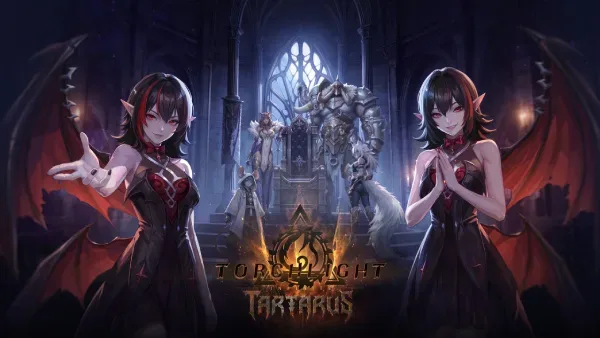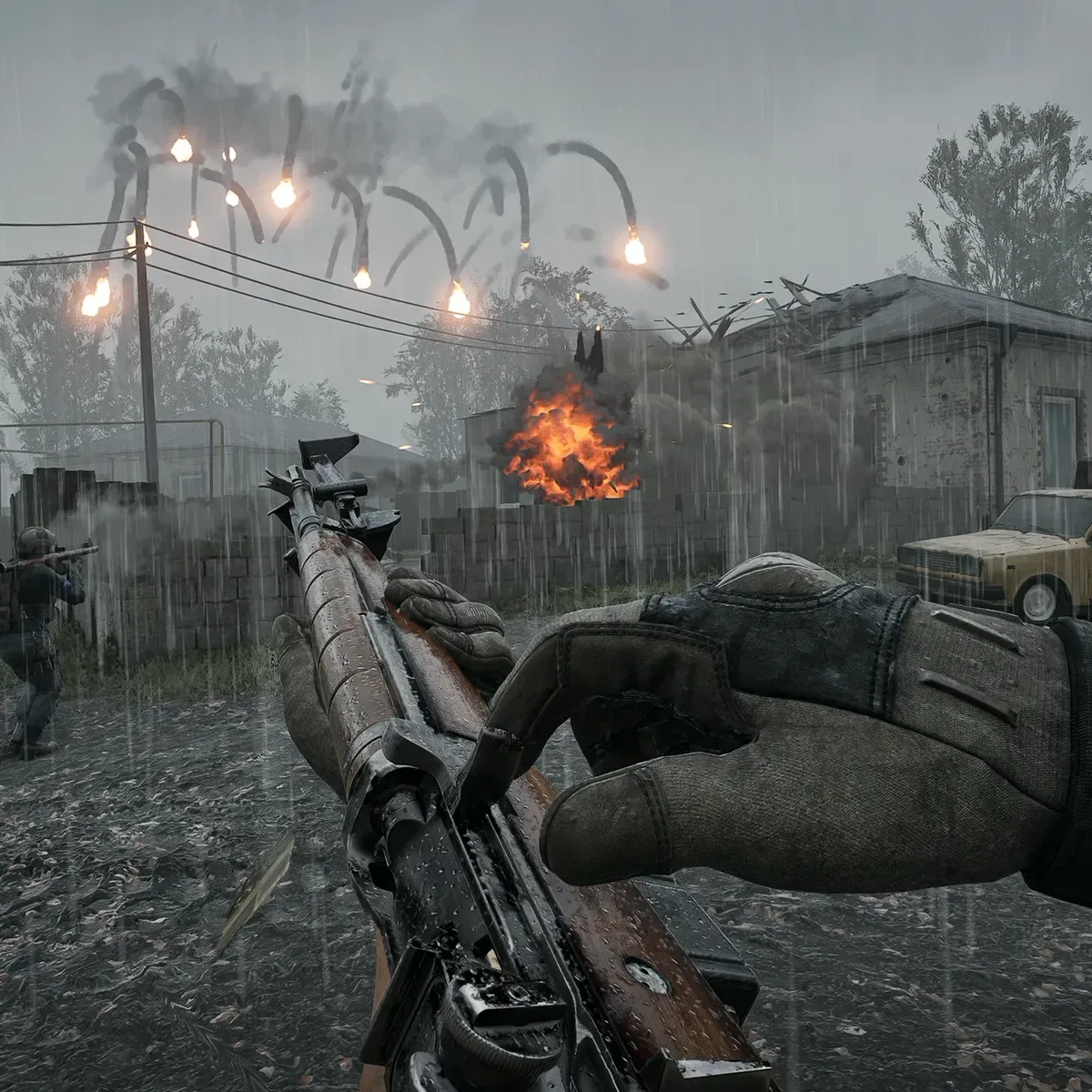
Torchlight: Infinite will begin its SS14 season, Tartarus, on October 15. The update is scheduled to go live at 7:00pm PDT and 10:00pm EDT, which is October 16 at 3:00am BST and 4:00am CEST.
The season’s central addition is Tartarus, a mode that turns a run of action-RPG combat into a longer arc of hunting, roster management and a final prison assault. Players will pursue escaped prisoners for their nameplates, place inmates within a circular prison, develop them through arranged fights, and ultimately confront that cultivated population as enemies and bosses.
That structure is distinct from a straightforward sequence of combat encounters because the middle stage asks players to make decisions that shape the eventual opposition. SS14 also brings Spacetime Witness Youga, a Hero Trait built around sustained spellcasting, plus a follower progression system that introduces extra Active and Support Skill options.
Tartarus turns prisoner management into the combat setup
Tartarus is divided into three phases. First, players track down and defeat escaped prisoners to obtain their nameplates. The nameplates feed into the next portion of the mode: a circular prison with 16 cells.
Within that prison, players house inmates and arrange battles. Prisoners can fight one another or face beasts drawn from four groups: elephants, lions, wolves and rats. These encounters are used to develop the inmates’ capabilities.
After 20 turns of this building phase, the roster does not simply remain a set of managed units. It becomes the opposition. The resulting inmates appear as enemies and bosses in a three-level combat challenge with six difficulty tiers. Rewards are based on both the quality and quantity of enemies defeated.
In practical terms, the mode appears designed to make the preparatory choices matter after the management screen is gone. A player is not only assembling a prison population; they are setting the parameters for a later action-RPG encounter. The stated reward criteria also suggest two complementary priorities: taking on more enemies may improve the return, while stronger enemies can raise the quality of what is earned.
The announcement does not detail every rule governing inmate development, enemy selection or reward scaling. What is clear is the basic loop: hunt prisoners, use them in a 20-turn prison-building stage, then take responsibility for facing the roster that stage produces.
Related coverage includes Torchlight: Infinite SS14 Tartarus Opens October 15 With Prison Strategy Mode.
Spacetime Witness Youga favors uninterrupted casting
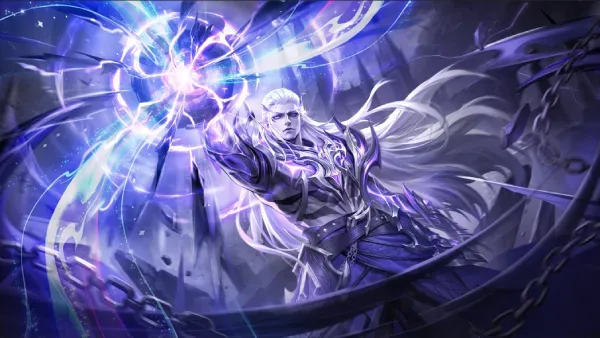
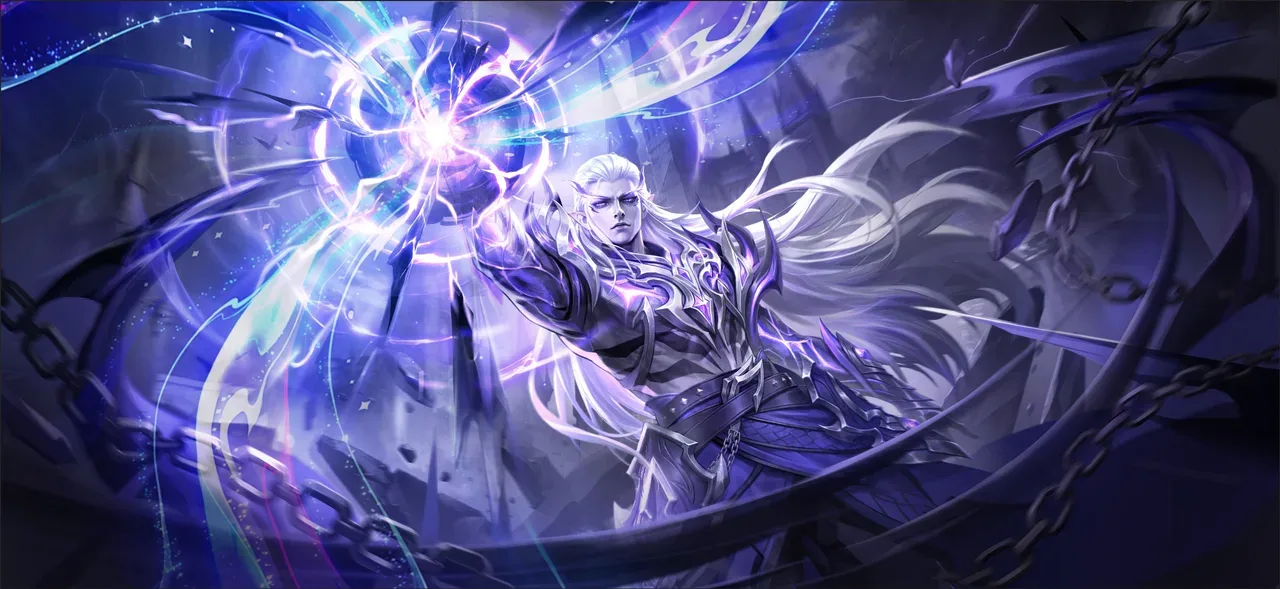
SS14’s new Hero Trait is Spacetime Witness Youga. A Hero Trait is a character specialization that gives a hero a defined mechanical identity. In Youga’s case, that identity centers on continuously casting spells rather than stopping frequently to manually reset a skill sequence.
Youga’s Clockwork Core can automatically cast Entanglement skills. Critical strikes can also reduce ability cooldowns, meaning successful critical hits can shorten the time before an ability is ready again. A cooldown is the period a player must wait to reuse an ability; cooldown reduction therefore supports a quicker, more regular casting rhythm.
The trait has three development paths, and players can either combine them or concentrate on a particular route:
- Spacetime Dictator focuses on projectiles and time manipulation.
- Spacetime Conqueror emphasizes movement and linked damage through Time-Rift Traversal.
- Spacetime Dominator is based around enhancing spells through Spacetime Overload.
“Linked damage” generally describes damage that connects effects or targets through a shared mechanic, while a projectile is an attack that travels through the game space rather than occurring solely at the caster’s position. The provided details do not establish the exact numerical effects of the paths, but their listed themes indicate different build directions within the same sustained-casting foundation: projectile and time tools, mobile damage connections, or accumulated spell enhancement.
The option to mix paths is particularly important to the trait’s stated design. Rather than presenting the three names as strictly sealed-off classes, SS14 frames them as components that can be specialized in or combined. That leaves room for players to decide whether they value movement, projectile behavior or spell enhancement most heavily—subject to the actual skill interactions and balance once the season is live.
Followers add another layer to build customization
The Tartarus season also adds a progression system based on recruiting followers from the wolf, rat, lion and elephant tribes. Recruitment uses a resource called Letters of Introduction.
Followers offer further build customization through Active and Support Skills. Active Skills are abilities with their own direct function, while Support Skills modify or reinforce other effects. The follower system’s listed benefits include buffs, protection and debuff support. A buff is a beneficial temporary or ongoing effect, while a debuff is an adverse effect applied to an enemy.
Access to higher-tier followers is connected to higher Netherrealm difficulty tiers. That creates a progression link between advancing the game’s difficulty and obtaining more advanced follower options. The available information does not specify individual followers, their exact tiers or the effects of each skill, so players will need to assess those details in the season itself before deciding which tribes and skill combinations best suit a build.
The four follower tribes also mirror the four kinds of beasts used during Tartarus prison encounters. The announcement does not say that the systems directly share mechanics, but the recurring wolf, rat, lion and elephant groups give the season a consistent set of themes across its management and progression features.
What else arrives in SS14
Alongside Tartarus, Youga and followers, SS14 includes new skills, character cosmetics, audio and visual improvements, and new Pactspirits. Pactspirits are another named system receiving additions, though the available season information does not describe their specific functions or individual entries.
The update is arriving across the game’s supported platforms: PC, iOS and Android. For players following seasonal ARPG updates on computer, the wider cadence of live-service additions is also visible in another recent PC update story, although Torchlight: Infinite’s Tartarus is focused on its own prison-management twist and spellcasting trait.
SS14 Tartarus launches October 15 in the Americas and early October 16 in the UK and central Europe. Its headline promise is an unusual one for the genre: build and improve a prison roster, then descend through three prison levels to fight the consequences.