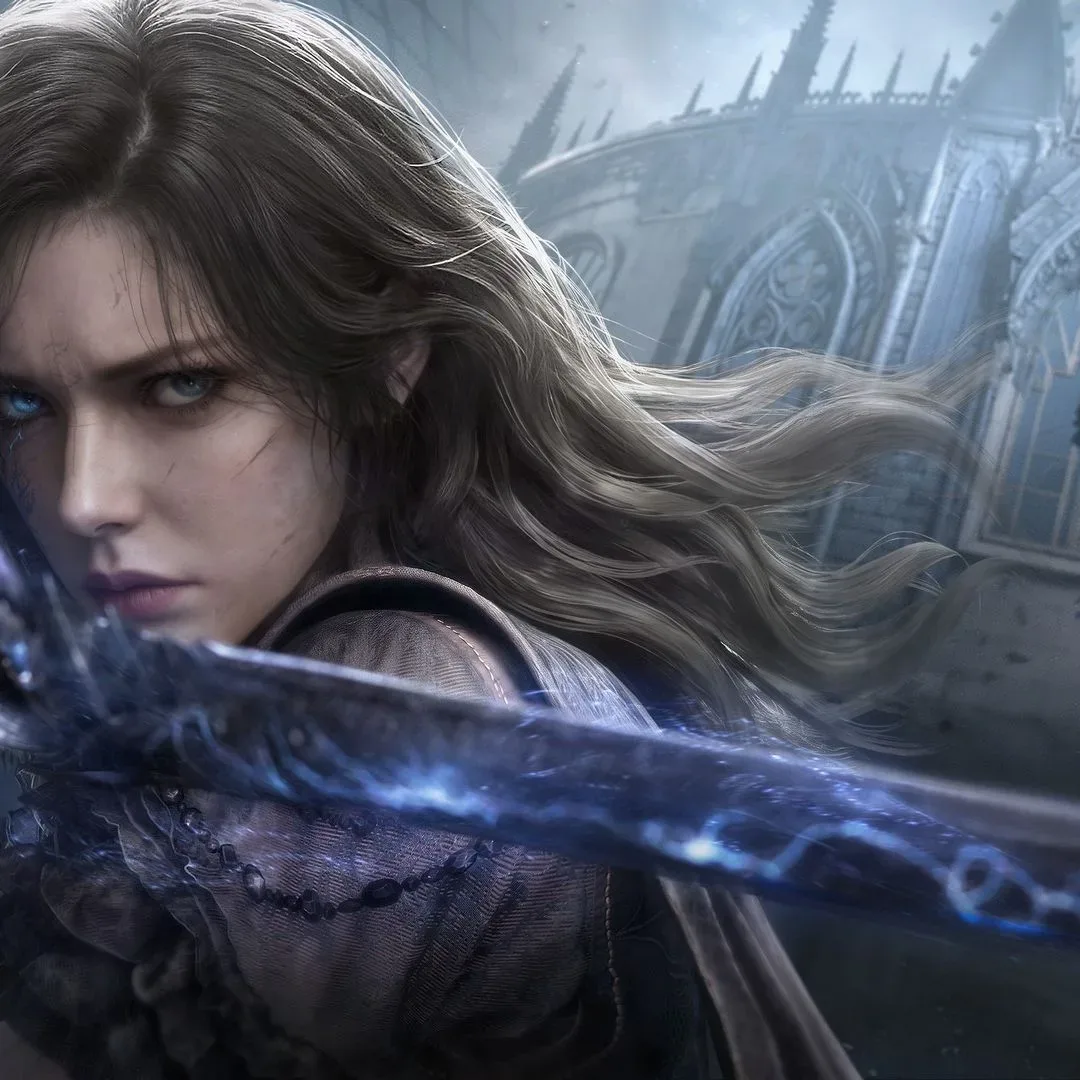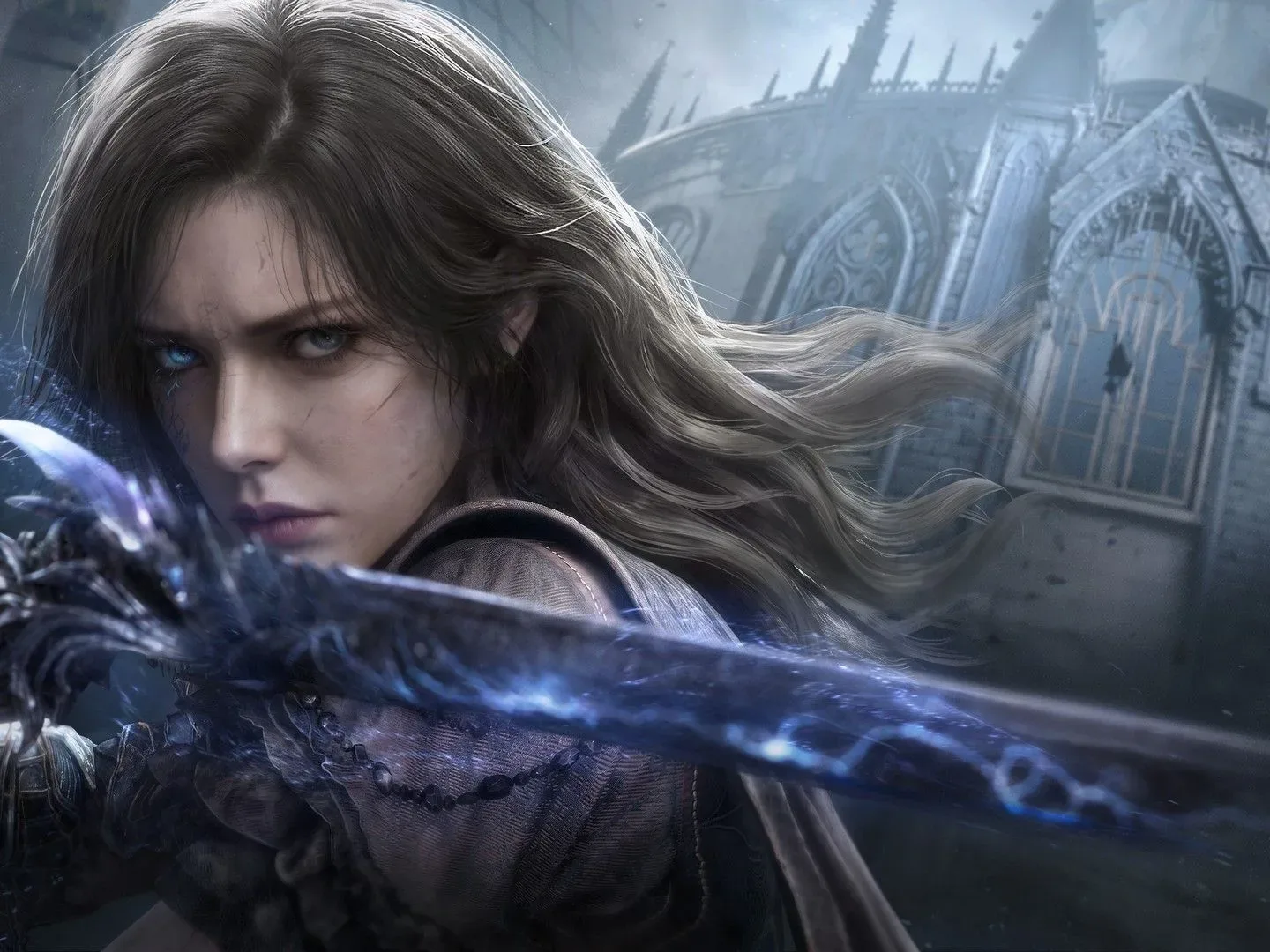
Tides of Annihilation has a difficult job in front of it. Stylish character-action games are easy to make look exciting in a brief trailer, but much harder to sell once a player has to understand the controls, read enemy attacks, manage positioning, and survive a boss who has apparently decided that a dragon is the appropriate amount of extra credit. A 45-minute Gamescom demo suggests Eclipse Glow Games’ Arthurian adventure may have the mechanical confidence to back up its visual ambition.
The game is in development at Eclipse Glow Games and is planned for PC, PlayStation 5, and Xbox Series X, with a release date still listed as TBC. The demo covered part of a story mission starring Gwendolyn, including a short stretch through a ruined version of London before escalating into a multi-stage encounter with Mordred. That is a narrow slice of a presumably much larger game, so it cannot settle questions about progression, pacing, story, or the full range of systems. It does, however, provide a meaningful indication of what matters most for this kind of release: whether swinging, dodging, swapping abilities, and getting flattened by a very large fantasy creature feel good moment to moment.
Gwendolyn’s real weapon is a rotating squad of Phantom Knights
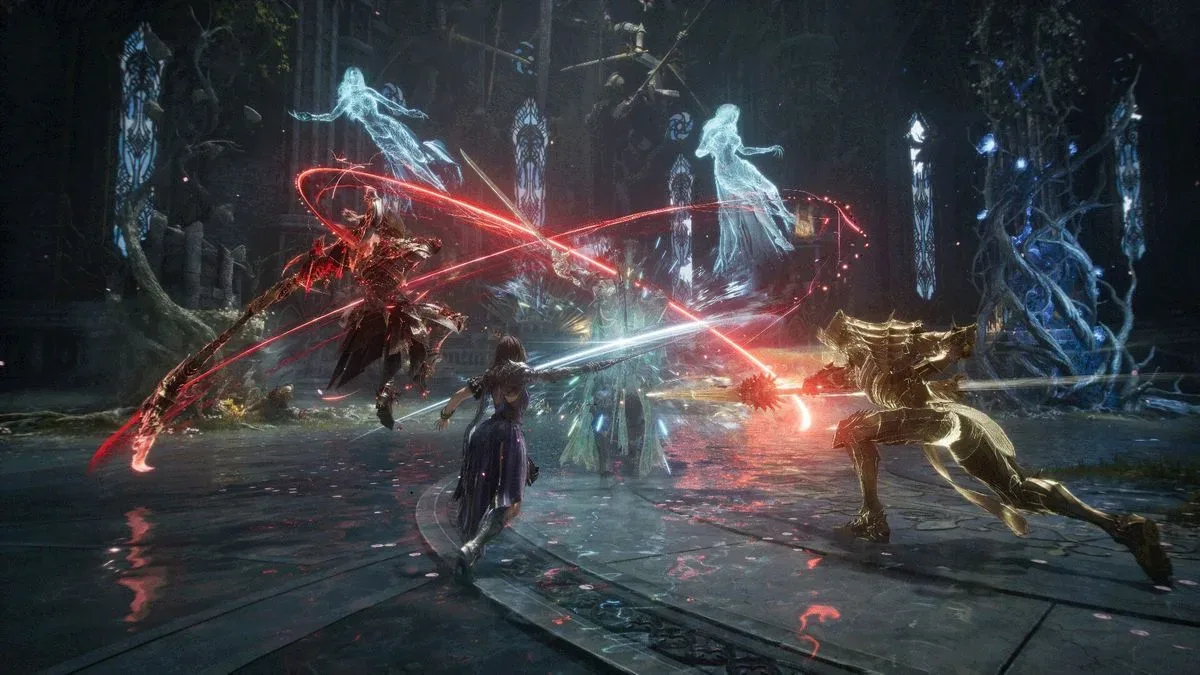
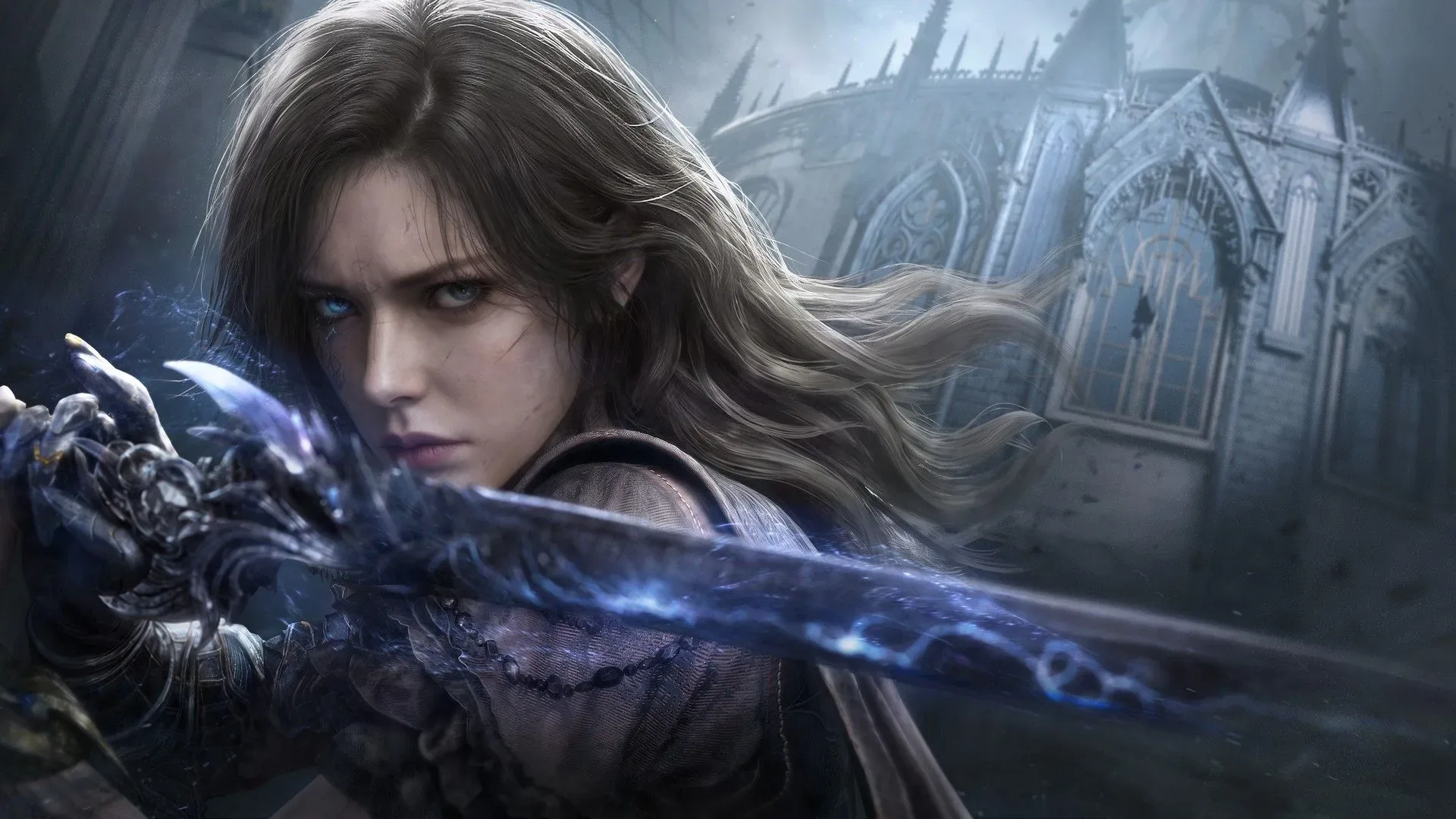
Gwendolyn is the central fighter, but the demo’s combat identity is built around her summoned Phantom Knights. Multiple knights can be equipped at once through main and sub slots, and the player can switch between them quickly. Rather than locking the character into one combat role, the system appears designed to make changing rhythm part of every serious encounter.
One knight encountered in the demo was light and fast, with an ability that slows time. Another was slower and heavier, trading mobility for punishing hits when an opening is found. That contrast is familiar territory for action games, but placing both styles in an easily accessible swap system could give Tides of Annihilation a useful layer of improvisation. A nimble knight may be the answer when a boss fills the room with danger; the bulkier option may be the reward for recognizing a safe window and committing to damage.
There are reportedly several combo strings for each knight, enough that the demo’s limited runtime was not sufficient to absorb them all. That is encouraging for players who enjoy practicing routes, experimenting with timing, and finding the most dramatic possible way to turn a demonic knight into a lawn ornament. It also raises a practical question for the final game: how clearly will it teach those options? Deep combat systems thrive when newcomers can perform something satisfying quickly while advanced players gradually discover why their first approach was only the appetizer.
Early impressions indicate Tides of Annihilation may strike that balance. Basic offense was approachable enough to allow repeated attacks without immediate technical mastery, but defense demanded much more attention. Dodges and counterattacks were not optional flourishes. Enemies still required a player to watch attack patterns, react under pressure, and avoid the common action-game mistake of assuming that confidence is an invincibility frame.
That structure puts the game in interesting territory. It is not described as a Soulslike, yet its harder fights can evidently punish casual play with a severity associated with that broader style. In other words, the game may welcome button-mashing at the front door, then quietly remove the floorboards once the important people arrive.
A Bayonetta-like flair, but not merely a style exercise
The comparison most naturally suggested by the demo is Bayonetta. Gwendolyn’s presentation and elegant movement invite it, while the focus on expressive combat, distinct combat partners, and layered combo potential makes it more than a surface-level observation. Still, the available details point to a game pursuing its own structure through the Phantom Knight system and its Arthurian reinterpretation.
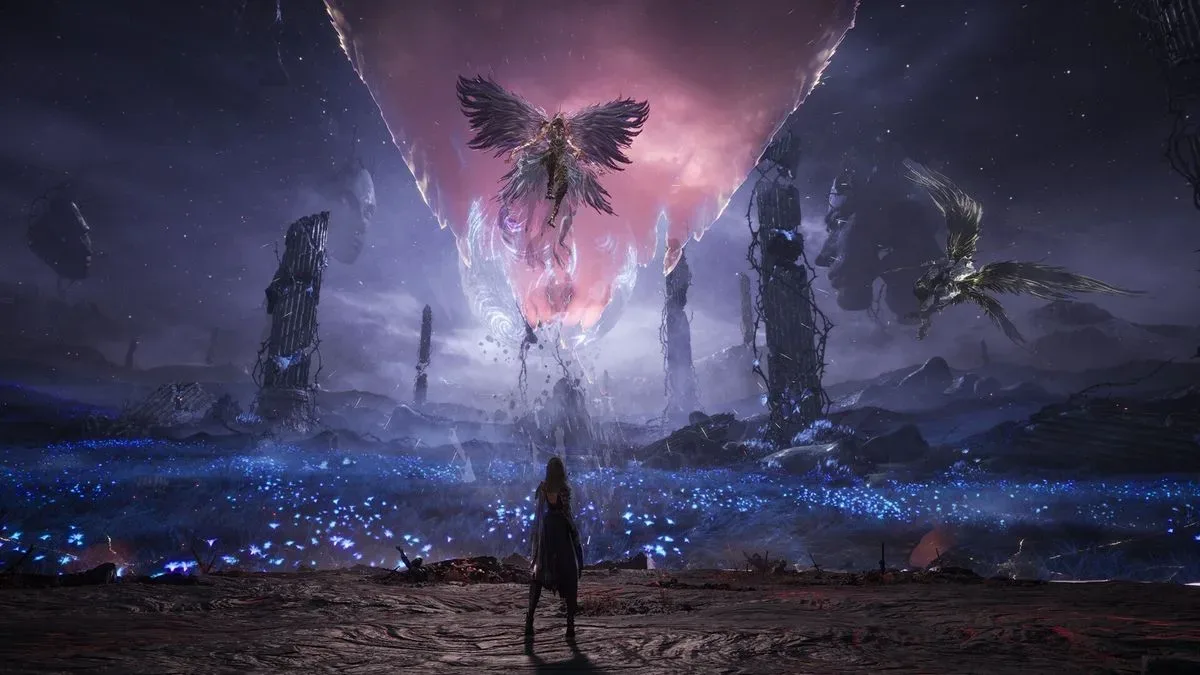
The setting is particularly notable. Tides of Annihilation places its mythology amid a decayed London rather than treating Camelot as a sealed-off medieval postcard. That collision of legendary figures and an unraveling modern city gives the project a more unusual silhouette than a standard knights-and-castles fantasy. The demo only offered a brief glimpse of exploration, so it remains unclear how broad the game’s levels will be, how much freedom players will have between major fights, or how its London will support the story. But the visual premise offers a strong frame for the combat spectacle.
It is also a reminder that cinematic action games need a sense of place, not simply a list of impressive bosses waiting in separate rooms. A ruined city with Arthurian forces moving through it has the potential to make each battle feel like part of a larger collapse. Whether the finished game delivers on that potential will depend on elements not visible in a 45-minute segment, including narrative context and environmental variety.
Mordred’s “medium” fight sounds anything but medium
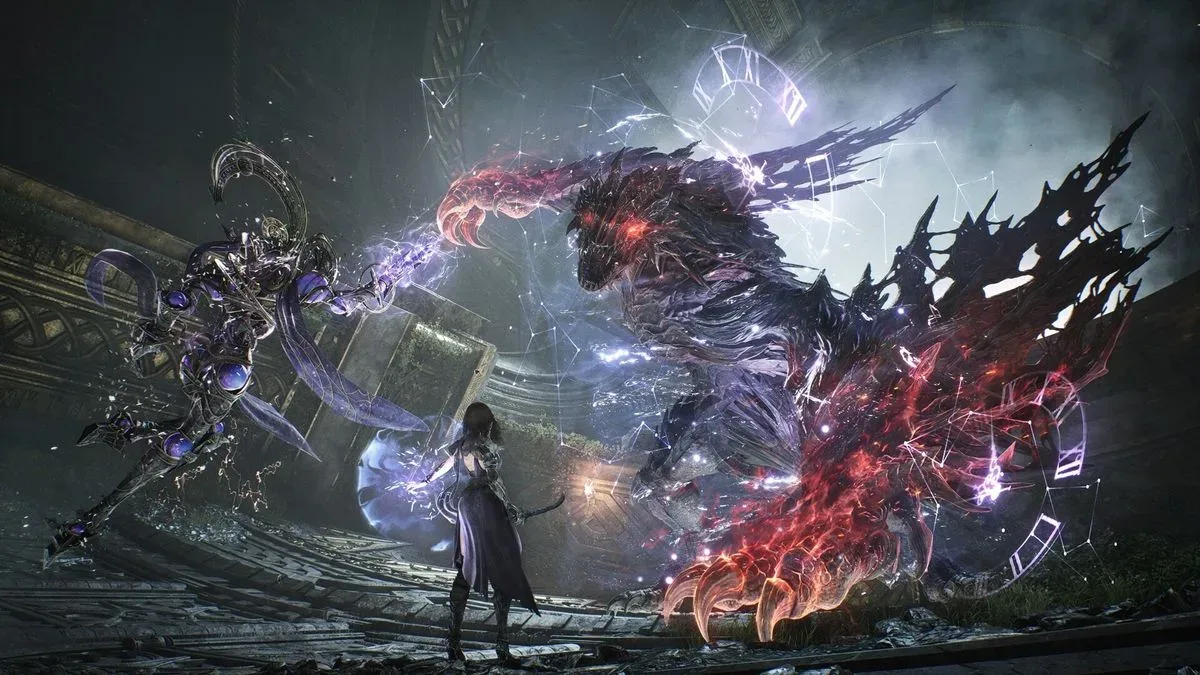
The clearest stress test in the demo was the battle with Mordred. It began inside an enormous library and developed across several phases before moving outdoors. Mordred eventually attacked while riding a huge dragon-like creature, turning the fight into a more extravagant survival problem. It is exactly the sort of escalation an action game wants from a showcase boss: a scene that keeps finding new ways to say, “You thought we were done?”
Difficulty was a major part of the encounter. Mordred’s attacks were described as increasingly punishing as the fight continued, and the fight left little room for passive recovery. At one point, Gwendolyn was low on health with no healing method available. After a defeat during the dragon segment, the battle resumed at that phase, although the full checkpoint setup was not clear from the session.
That checkpoint uncertainty matters. A long boss can be thrilling when each phase teaches a player something new, but replaying too much already-mastered material can turn spectacle into administrative work. The demo at least suggests the encounter included a later-phase restart rather than forcing a full reset after every loss. Final tuning, other checkpoint locations, accessibility features, and difficulty options have not been established by the available information.
Most amusingly, the demo material labeled the Mordred battle as medium difficulty. The encounter was reportedly tougher than some bosses found in Soulslike games. That label may simply reflect a demo built to display the game’s teeth, or it may indicate that Tides of Annihilation is aiming substantially higher than its glamorous presentation initially suggests. Either way, players who see flashy combos and assume they can coast should perhaps keep one hand near the dodge button and the other near a comfort snack.
Why this early showing matters
Plenty of unreleased action games can demonstrate visual polish. A much smaller number communicate a combat hook that sounds flexible, readable, and demanding within a short preview. Tides of Annihilation’s Phantom Knights appear to be that hook. Their contrasting specialties give Gwendolyn more than one way to approach danger, while the apparent emphasis on dodging, counters, and combo knowledge gives experienced players somewhere to grow.
The demo does not guarantee that every knight will be equally valuable, that all bosses will meet Mordred’s standard, or that the wider game will maintain its momentum. Nor does it answer how upgrades, exploration, mission design, or the story will function. These are not tiny footnotes; they are the pieces that determine whether a promising combat demo becomes a complete, memorable action game.
Still, the immediate outlook is more positive than the pre-release footage alone had suggested. A game that can make a short hands-on session feel brisk while introducing a new combat framework, a damaged London, an Arthurian antagonist, and a dragon-mounted boss has at least earned closer attention. And if “medium” Mordred represents the middle of the road, the eventual high-difficulty content may need its own warning label, a spare controller, and a small round table for emotional support.
While waiting for more concrete release information, action fans can revisit the social side of the genre with the unwritten rules of couch multiplayer, or browse our look at storytelling and shared spaces in immersive media. Tides of Annihilation is a different kind of spectacle, but its early showing makes a persuasive case that its flash may be attached to real combat substance.